Selecting the appropriate ground beef is paramount for meal preparation, as it significantly influences both flavor and nutritional value. Ground beef is available in various fat percentages, typically ranging from 70% lean to 95% lean. For meal prep, a leaner option, such as 80% lean, is often recommended. This balance provides sufficient fat for flavor while minimizing excess grease, which can lead to unappetizing meals when reheated. Additionally, opting for grass-fed or organic ground beef can enhance the nutritional profile, offering higher omega-3 fatty acids and a better overall taste.
When purchasing ground beef, it is essential to consider the source. Look for meat that is bright red in color, indicating freshness, and avoid any packages that show signs of browning or excessive liquid. Checking the sell-by date is crucial to ensure quality. Furthermore, understanding the different cuts of beef used in ground beef production can help you make informed choices. Chuck is commonly used for its flavor and fat content, while sirloin offers a leaner option with a slightly different taste profile.
Meal prepping ground beef for the week can be a game-changer for busy individuals looking to maintain a healthy diet. By cooking and portioning out your ground beef in advance, you can save time and ensure you have nutritious meals ready to go. For tips on maintaining a clean kitchen while you meal prep, you might find this article on how to clean a garbage disposal and get rid of bad smells particularly useful. Check it out here: How to Clean a Garbage Disposal.
Cook in Bulk and Portion Wisely
Cooking in bulk is an efficient strategy that saves time and energy during meal prep. By preparing larger quantities of ground beef at once, you can streamline your cooking process and ensure you have ample protein ready for various meals throughout the week. Start by browning several pounds of ground beef in a large skillet or Dutch oven over medium heat. This method allows for even cooking and reduces the risk of burning or uneven browning.
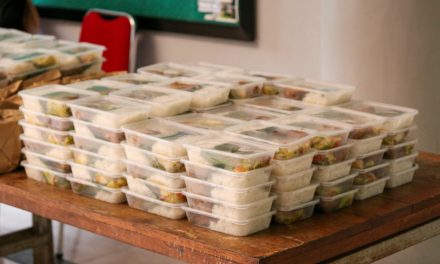
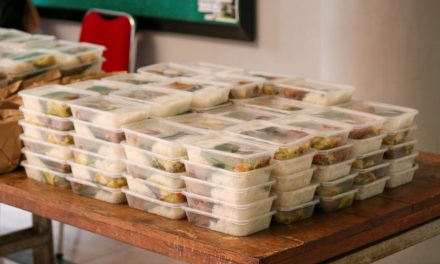
Once cooked, portioning the ground beef into meal-sized servings is essential for effective meal prep. Using measuring cups or a kitchen scale can help ensure consistency in portion sizes, making it easier to track caloric intake if desired. Consider using freezer-safe containers or resealable bags to store these portions, labeling them with the date and contents for easy identification later. This practice not only aids in portion control but also minimizes food waste by allowing you to use only what you need.
Season Ground Beef for Versatility
Seasoning ground beef effectively can transform a simple protein into a versatile ingredient that complements various dishes. A basic seasoning blend might include salt, pepper, garlic powder, and onion powder, providing a solid foundation for flavor enhancement. However, experimenting with different herbs and spices can elevate your meals significantly. For instance, adding cumin and chili powder can create a delicious taco filling, while Italian seasoning can turn ground beef into a savory base for pasta dishes.
Incorporating fresh herbs such as parsley or cilantro can also add brightness and freshness to your meals. Additionally, consider marinating the ground beef before cooking to infuse it with flavor. A mixture of soy sauce, ginger, and sesame oil can create an Asian-inspired dish, while Worcestershire sauce adds depth to classic American recipes. The key is to balance flavors and adjust seasonings according to personal preferences.
Create Flavorful Base Sauces
Creating flavorful base sauces is an excellent way to enhance the taste of ground beef dishes while adding moisture and complexity. A classic marinara sauce can serve as a base for spaghetti or lasagna, while a rich gravy can complement meatloaf or shepherd’s pie. To prepare a simple marinara sauce, sauté onions and garlic in olive oil until translucent, then add crushed tomatoes, basil, and oregano. Simmer until thickened for a robust sauce that pairs beautifully with ground beef.
For a creamy sauce option, consider making a béchamel or cheese sauce that can be mixed with cooked ground beef for casseroles or baked dishes. Combining sautéed mushrooms with cream and thyme creates an earthy sauce that works well in pasta dishes or as a topping for baked potatoes. The versatility of sauces allows you to adapt your meals based on available ingredients and personal taste preferences.
If you’re looking to streamline your weekly cooking routine, meal prepping ground beef can be a game changer. Not only does it save time during busy weekdays, but it also allows you to control portion sizes and ingredients. For more tips on efficient meal prep techniques, check out this helpful article on how to get rid of springtails in the bathroom, which provides insights that can enhance your overall kitchen management skills. By organizing your meals in advance, you’ll find it easier to maintain a balanced diet while enjoying delicious homemade dishes throughout the week.
Store Properly for Maximum Freshness
Proper storage techniques are crucial for maintaining the freshness and safety of cooked ground beef. After cooking, allow the meat to cool to room temperature before transferring it to storage containers. This practice prevents condensation from forming inside the container, which can lead to spoilage. Ground beef should be stored in airtight containers or resealable bags to minimize exposure to air and bacteria.
Refrigerated cooked ground beef should be consumed within three to four days for optimal freshness. If you plan to keep it longer, freezing is an excellent option. When freezing cooked ground beef, ensure it is cooled completely before placing it in freezer-safe containers or bags. Label each container with the date of preparation to keep track of storage times effectively.
If you’re looking to streamline your cooking routine, meal prepping ground beef for the week can be a game changer. By preparing this versatile protein in advance, you can save time and ensure you have healthy meals ready to go. For more tips on how to optimize your meal prep, you might find this article on meal planning particularly helpful. It offers insights that can help you make the most of your ingredients and minimize waste, allowing you to enjoy delicious meals throughout the week.
Use Freezer-Safe Containers or Bags
Utilizing freezer-safe containers or bags is essential for preserving the quality of prepped ground beef. These containers are designed to withstand low temperatures without cracking or breaking, ensuring that your food remains safe for consumption over time. When selecting containers, opt for those made from BPA-free materials to avoid chemical leaching into your food.
When packing ground beef into freezer bags, remove as much air as possible before sealing to prevent freezer burn. Vacuum-sealing is an excellent method for extending the shelf life of your meat while maintaining its flavor and texture. Additionally, consider portioning out individual servings before freezing; this allows for easy thawing and reduces waste when preparing meals throughout the week.
Incorporate Ground Beef into Different Cuisines
Ground beef’s versatility makes it an ideal ingredient for various cuisines around the world. From classic American burgers to spicy Mexican tacos and savory Asian stir-fries, this protein can adapt to numerous flavor profiles and cooking styles. For instance, using ground beef in stuffed bell peppers combines nutrition with flavor by incorporating vegetables and grains into the dish.
Exploring international recipes can inspire creativity in meal prep. Consider preparing Greek moussaka with layers of eggplant and béchamel sauce or Indian keema curry with peas and aromatic spices. By incorporating diverse cuisines into your meal planning, you can keep your weekly menu exciting while ensuring you consume a balanced diet.
Mix Ground Beef with Vegetables for Nutrition
Enhancing the nutritional value of meals by mixing ground beef with vegetables is an effective strategy for meal prep. Adding finely chopped onions, bell peppers, carrots, or zucchini not only boosts fiber content but also adds color and texture to your dishes. This practice can help increase vegetable intake while maintaining the protein-rich nature of your meals.
Incorporating vegetables into ground beef dishes can also improve satiety, making meals more filling without significantly increasing caloric content. For example, preparing a hearty chili with kidney beans and diced tomatoes alongside ground beef creates a balanced meal rich in protein and fiber. Additionally, using vegetables as fillers in meatballs or patties can reduce overall fat content while enhancing flavor.
Prepare Quick One-Pot Meals
One-pot meals are an excellent solution for busy individuals seeking quick yet nutritious options during meal prep. Ground beef serves as a fantastic base for these dishes due to its rapid cooking time and ability to absorb flavors from other ingredients. Consider preparing a one-pot pasta dish by browning ground beef with garlic and onions before adding uncooked pasta and broth; this method allows the pasta to cook directly in the flavorful liquid.
Another option is creating a hearty stew by combining ground beef with diced potatoes, carrots, and broth in a single pot. This approach minimizes cleanup while maximizing flavor and nutrition in each serving. One-pot meals are not only convenient but also allow for creativity in combining various ingredients based on personal preferences or dietary restrictions.
Reheat Ground Beef Safely and Efficiently
Reheating cooked ground beef requires careful attention to food safety guidelines to prevent foodborne illnesses. The USDA recommends reheating leftovers to an internal temperature of 165°F (74°C) to ensure any harmful bacteria are eliminated. Using a food thermometer can help verify that your meals reach this safe temperature.
When reheating ground beef, consider using methods that retain moisture and flavor. Stovetop reheating in a skillet with a splash of broth or water can help prevent drying out while ensuring even heating. Alternatively, using a microwave with a cover can also be effective; just be sure to stir occasionally for uniform heating throughout the dish.
Plan Weekly Menus Around Prepped Ground Beef
Strategically planning weekly menus around prepped ground beef can simplify meal preparation while ensuring variety in your diet. Start by outlining several recipes that utilize cooked ground beef as a primary ingredient; this could include tacos on one night, spaghetti on another, and stuffed peppers later in the week.
Incorporating different cuisines and cooking methods will keep meals exciting while maximizing the use of prepped ingredients. Additionally, consider batch-cooking side dishes such as rice or quinoa that pair well with ground beef-based meals; this approach allows you to create balanced plates quickly throughout the week.
In summary, choosing the right ground beef is essential for meal prep success; cooking in bulk and portioning wisely ensures efficiency while seasoning enhances versatility. Creating flavorful base sauces adds depth to dishes, while proper storage techniques maintain freshness over time. Utilizing freezer-safe containers preserves quality, allowing incorporation into various cuisines while mixing with vegetables boosts nutrition. Quick one-pot meals simplify preparation further; reheating safely ensures food safety standards are met. Finally, planning weekly menus around prepped ground beef streamlines cooking efforts while promoting dietary variety.
FAQs
What is meal prepping ground beef?
Meal prepping ground beef involves cooking and portioning ground beef in advance to use throughout the week in various meals. This process saves time, ensures you have healthy meals ready to go, and helps with portion control.
How should I store cooked ground beef for meal prep?
Cooked ground beef should be stored in airtight containers in the refrigerator if you plan to use it within 3 to 4 days. For longer storage, you can freeze it in freezer-safe bags or containers, where it can last for up to 3 months.
What are some seasoning options for ground beef meal prep?
Seasoning options for ground beef include salt, pepper, garlic powder, onion powder, paprika, cumin, and Italian seasoning. You can also use sauces like soy sauce or barbecue sauce for added flavor, depending on the dishes you plan to prepare.
How can I use meal-prepped ground beef in different recipes?
Meal-prepped ground beef can be used in a variety of recipes such as tacos, spaghetti sauce, chili, casseroles, and stir-fries. You can easily mix it with different vegetables, grains, or sauces to create diverse meals throughout the week.
Is it safe to reheat cooked ground beef multiple times?
Yes, it is safe to reheat cooked ground beef multiple times as long as it is stored properly and reheated to an internal temperature of 165°F (74°C) each time. However, to maintain quality, it’s best to only reheat the portion you plan to consume at that time.