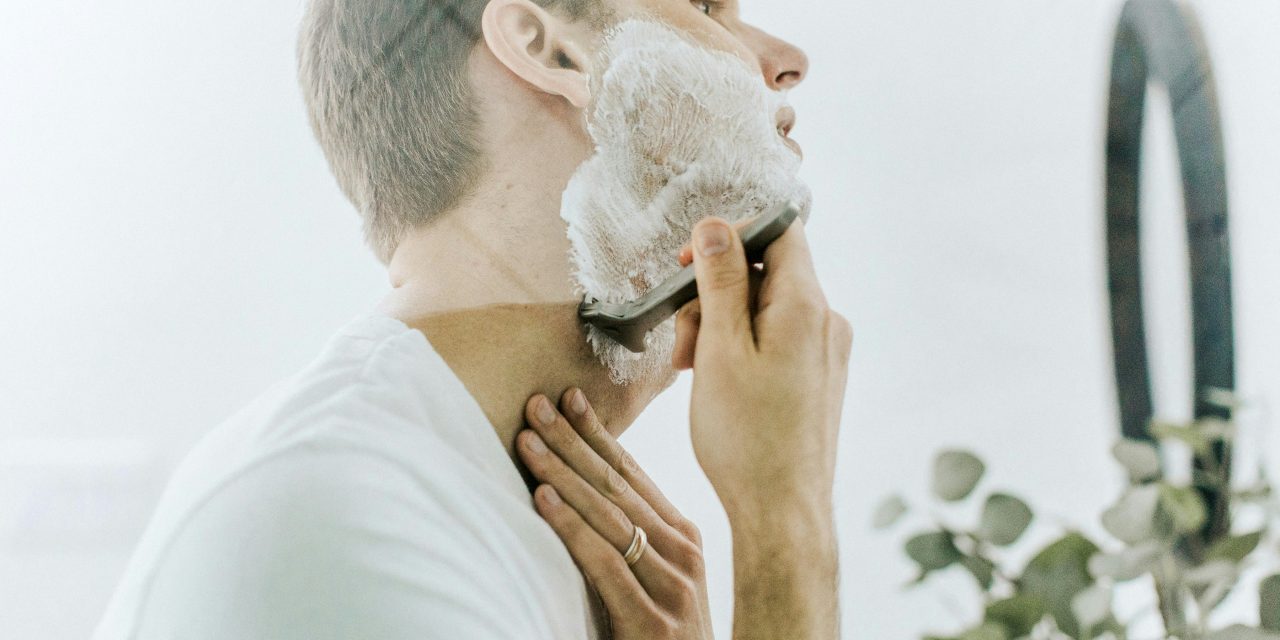
Achieving a smooth shave is not merely a matter of aesthetics; it plays a crucial role in personal grooming and hygiene. A well-executed shave can enhance one’s appearance, boost confidence, and contribute to overall skin health. The process of shaving removes dead skin cells and promotes circulation, which can lead to a more radiant complexion. However, the importance of a smooth shave extends beyond superficial benefits. It can also prevent skin irritations, ingrown hairs, and razor burn, which are common issues faced by many individuals.
Moreover, the psychological impact of a clean shave should not be underestimated. For many, it signifies professionalism and attention to detail. In various cultures, a well-groomed appearance is associated with respectability and self-care. Therefore, understanding the nuances of achieving a smooth shave is essential for anyone looking to maintain their grooming routine effectively.
If you’re looking for alternative methods to shave without using traditional shaving cream, you might find it helpful to explore various household items that can serve as effective substitutes. For example, natural oils or even some types of lotion can provide a smooth surface for shaving. Additionally, you can check out this related article on how to make easy baked potatoes with broccoli and cheese, which offers a delightful recipe that can be a great distraction while you prepare for your grooming routine. You can read it here: easy baked potatoes with broccoli and cheese.
Preparing Your Skin Without Shaving Cream
Preparation is key to achieving an optimal shaving experience, especially when opting to forgo traditional shaving cream. The first step involves cleansing the skin thoroughly to remove dirt, oil, and impurities that can hinder the shaving process. A gentle exfoliation can also be beneficial, as it helps to slough off dead skin cells and reduces the likelihood of clogged pores. This step is crucial in preventing post-shave complications such as irritation or ingrown hairs.
In addition to cleansing, hydrating the skin is vital. This can be accomplished through the application of warm water or natural oils that provide moisture without the need for commercial shaving creams. The goal is to create an environment where the hair follicles are softened, allowing for a smoother glide of the razor across the skin. By taking these preparatory steps, individuals can significantly enhance their shaving experience while minimizing potential discomfort.
Using Warm Water to Soften Hair and Open Pores

Warm water serves as an excellent preparatory agent for shaving, as it effectively softens hair and opens pores. The heat from warm water increases blood circulation in the area being shaved, which can lead to a more relaxed state for both the skin and hair follicles. This relaxation allows for easier cutting of hair, reducing the risk of tugging or pulling that can lead to irritation.
To maximize the benefits of warm water, it is advisable to soak the area for several minutes before shaving. This can be done in the shower or by using a warm towel compress on the skin. The warmth not only prepares the hair but also creates a conducive environment for any lubricants or oils that will be applied subsequently. By incorporating this simple yet effective technique into your shaving routine, you can significantly improve the overall outcome.
Applying Natural Oils as a Shaving Lubricant

Natural oils have gained popularity as effective alternatives to traditional shaving creams due to their moisturizing properties and ability to provide a smooth surface for razors. Oils such as coconut oil, olive oil, and jojoba oil are particularly beneficial because they contain fatty acids that nourish the skin while reducing friction during shaving. These oils create a protective barrier that allows the razor to glide effortlessly over the skin, minimizing the risk of cuts and irritation.
When using natural oils, it is essential to apply them generously to ensure adequate coverage. A few drops can be warmed between the palms before being massaged into the skin. This not only enhances lubrication but also allows for better absorption of nutrients into the skin. Additionally, natural oils often possess anti-inflammatory properties that can soothe any irritation caused by shaving, making them an excellent choice for sensitive skin types.
If you’re looking for alternative methods to shave without using traditional shaving cream, you might find it helpful to explore various household items that can provide a smooth shaving experience. For instance, some people have successfully used natural oils or even hair conditioner as substitutes. To learn more about creative ways to save money while preparing meals, you can check out this article on a budget-friendly dish that might inspire you in the kitchen. You can read it here: budget-friendly ground beef and cabbage skillet.
Utilizing Aloe Vera Gel for a Soothing Shave
Aloe vera gel is renowned for its soothing and healing properties, making it an ideal choice for those seeking a gentle shaving experience. This natural product contains vitamins, minerals, and enzymes that promote skin health while providing hydration. Its anti-inflammatory properties help reduce redness and irritation that may occur during or after shaving.
To use aloe vera gel effectively, apply a thin layer over the area to be shaved after preparing the skin with warm water. The gel acts as both a lubricant and a soothing agent, allowing for a smooth glide of the razor while simultaneously calming any potential irritation. Furthermore, aloe vera gel can aid in post-shave recovery by promoting healing and hydration, making it an excellent addition to any grooming routine.
If you’re looking for alternative methods to shave without using traditional shaving cream, you might find it helpful to explore various techniques that utilize natural ingredients or household items. For instance, some people have successfully used coconut oil or aloe vera gel as substitutes, which can provide a smooth glide while moisturizing the skin. To learn more about different grooming tips, you can check out this informative article on expert feline care, which offers insights that might inspire you to think outside the box when it comes to personal grooming. You can read more about it here.
Shaving with Conditioner as an Alternative to Cream
Hair conditioner is another viable alternative to traditional shaving cream that many individuals may overlook. Conditioners are designed to soften hair and provide slip, making them effective at reducing friction during shaving. They contain emollients that help hydrate both hair and skin, resulting in a smoother shave with less irritation.
When using conditioner for shaving, it is important to choose a product free from harsh chemicals or fragrances that could irritate sensitive skin. Apply a generous amount of conditioner to the area being shaved and allow it to sit for a minute or two before proceeding with the razor. This allows time for the conditioner to penetrate and soften hair follicles further. The result is often a close shave with minimal discomfort.
Choosing the Right Razor for a Cream-Free Shave
Selecting an appropriate razor is critical when opting for a cream-free shave. A high-quality razor with sharp blades will significantly reduce the risk of nicks and cuts while providing a close shave. Safety razors or multi-blade cartridges are popular choices due to their design that minimizes pressure on the skin.
It is also essential to consider the type of razor head; pivoting heads can adapt better to facial contours, ensuring an even shave across different areas of the face or body. Regularly replacing blades is crucial; dull blades can lead to increased friction and irritation, negating the benefits of using natural lubricants or oils during shaving.
Shaving in the Direction of Hair Growth to Prevent Irritation
Shaving technique plays a pivotal role in achieving a smooth shave without irritation. One fundamental principle is to always shave in the direction of hair growth rather than against it. Shaving against the grain can lead to increased tugging on hair follicles, resulting in discomfort and potential ingrown hairs.
To determine the direction of hair growth, run your fingers over the area being shaved; this will help identify which way the hair lies flat against the skin. By following this natural growth pattern, individuals can minimize irritation while still achieving a close shave. Additionally, using short strokes rather than long ones can help maintain control over the razor and reduce the risk of cuts.
Rinsing and Moisturizing Post-Shave Without Cream
Post-shave care is just as important as preparation when it comes to maintaining healthy skin after shaving without cream. Rinsing with cool water helps close pores and soothe any irritation caused during shaving. Following this step, applying a natural moisturizer such as aloe vera gel or coconut oil can provide hydration without clogging pores.
It is advisable to avoid products containing alcohol or synthetic fragrances immediately after shaving, as these can exacerbate irritation and dryness. Instead, opt for gentle formulations that focus on hydration and soothing properties. Regular post-shave care will not only enhance comfort but also promote healthier skin over time.
Tips for Maintaining Razor Sharpness and Hygiene
Maintaining razor sharpness is essential for achieving optimal results during shaving without cream. To prolong blade life, rinse razors thoroughly after each use to remove hair and product buildup. Allowing razors to air dry in an upright position can prevent rusting and bacterial growth.
Additionally, consider storing razors in a dry environment away from moisture to further extend their lifespan. Regularly replacing blades—ideally after five to seven shaves—ensures that you are always using sharp instruments that minimize irritation and provide effective results.
When to Avoid Shaving Without Cream for Best Results
While many individuals may benefit from shaving without cream using alternative methods discussed above, there are specific situations where it may be best to avoid this approach altogether. For those with particularly sensitive skin or conditions such as eczema or psoriasis, traditional shaving creams may provide necessary protection against irritation.
Additionally, if you are dealing with thick or coarse hair types, using specialized creams designed for such textures may yield better results than relying solely on natural alternatives. In cases where you experience persistent irritation or discomfort despite following proper techniques, consulting with a dermatologist may provide tailored solutions suited to your unique skin type.
In summary, achieving a smooth shave without traditional creams involves understanding preparation techniques, utilizing natural lubricants like oils and aloe vera gel, selecting appropriate razors, and practicing proper post-shave care. By incorporating these strategies into your grooming routine, you can enjoy an effective shaving experience while minimizing irritation and promoting healthy skin.
FAQs
Can I use soap instead of shaving cream?
Yes, you can use soap as an alternative to shaving cream. It helps to create a lather that can provide some lubrication for the razor. However, it’s important to choose a moisturizing soap to minimize skin irritation.
What are some natural alternatives to shaving cream?
Natural alternatives to shaving cream include coconut oil, olive oil, aloe vera gel, and shea butter. These substances can provide moisture and lubrication, making them effective for shaving without traditional cream.
Is it safe to shave without any product at all?
Shaving without any product is generally not recommended, as it can lead to increased friction and a higher risk of nicks and irritation. If you must shave without product, ensure your skin is wet and use a sharp razor to minimize damage.
How can I prepare my skin for shaving without cream?
To prepare your skin for shaving without cream, start by washing your face with warm water to open up the pores. Exfoliating beforehand can also help remove dead skin cells and reduce the risk of ingrown hairs.
What should I do if I experience irritation after shaving without cream?
If you experience irritation after shaving without cream, rinse the area with cool water and apply a soothing lotion or aloe vera gel to calm the skin. Avoid using products with alcohol, as they can further irritate the skin.