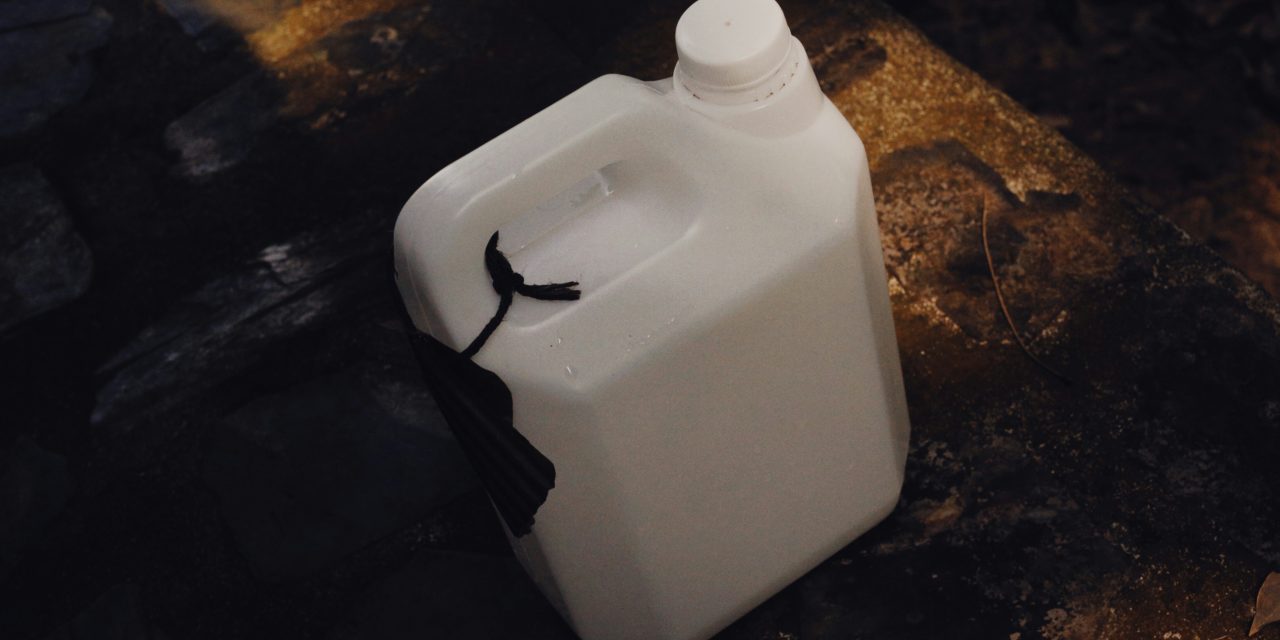
Coolant, often referred to as antifreeze, is a vital fluid in the automotive cooling system. Its primary function is to regulate engine temperature, preventing overheating and ensuring optimal performance. Composed of a mixture of water and ethylene glycol or propylene glycol, coolant possesses unique properties that allow it to absorb heat efficiently while also providing protection against freezing in low temperatures. The significance of coolant extends beyond mere temperature regulation; it also plays a crucial role in preventing corrosion within the engine and cooling system components.
The importance of maintaining proper coolant levels cannot be overstated. Insufficient coolant can lead to severe engine damage, including warped cylinder heads, blown gaskets, and even complete engine failure. Regular checks and maintenance of the coolant system are essential for vehicle longevity and reliability. Understanding the properties and functions of coolant empowers vehicle owners to take proactive measures in safeguarding their engines against potential overheating and damage.
If you’re experiencing coolant leaking from the bottom of your car, it could be due to several reasons such as a damaged radiator, a faulty water pump, or worn-out hoses. Understanding these potential issues can help you diagnose the problem more effectively. For more information on related topics, you might find this article interesting: Top 10 Best Indoor Plants for Low Light Rooms to Brighten Your Space. While it may not directly address car maintenance, it offers insights into creating a comfortable environment, which can be just as important as keeping your vehicle in good condition.
Common Signs of a Coolant Leak
Detecting a coolant leak early can save vehicle owners from costly repairs and extensive engine damage. One of the most apparent signs of a coolant leak is the presence of puddles or stains beneath the vehicle. These leaks often appear as bright green, orange, or pink fluid, depending on the type of coolant used. Additionally, drivers may notice a sweet smell emanating from the engine compartment, which is characteristic of antifreeze.
Another common indicator is the temperature gauge on the dashboard. If the gauge consistently reads higher than normal, it may signal that the engine is not receiving adequate coolant circulation due to a leak. Furthermore, drivers may experience overheating issues while driving, which can lead to significant engine complications if not addressed promptly. Recognizing these signs early can facilitate timely intervention and prevent further damage to the vehicle.
Damaged Radiator: The Primary Culprit

The radiator serves as a critical component in the cooling system, responsible for dissipating heat generated by the engine. Over time, radiators can become damaged due to corrosion, physical impact, or general wear and tear. A compromised radiator can lead to coolant leaks, resulting in decreased efficiency and potential overheating. Common signs of a damaged radiator include visible cracks or holes, which may be accompanied by coolant pooling beneath the vehicle.
In addition to physical damage, internal issues such as clogged passages can impede coolant flow, exacerbating overheating problems. Regular inspections of the radiator are essential for identifying potential issues before they escalate into more significant problems. If a damaged radiator is suspected, immediate replacement or repair is recommended to restore proper cooling functionality.
Faulty Radiator Hoses Leading to Leaks

Radiator hoses are integral to the cooling system, facilitating the flow of coolant between the engine and radiator. Over time, these hoses can deteriorate due to exposure to heat and pressure, leading to cracks or leaks. A faulty hose may result in significant coolant loss, causing the engine to overheat and potentially leading to catastrophic failure.
Visual inspections of radiator hoses should be conducted regularly to identify any signs of wear, such as bulging, cracking, or fraying. Additionally, hose clamps should be checked for tightness; loose clamps can contribute to leaks as well. Replacing worn or damaged hoses promptly can prevent further complications and ensure that the cooling system operates efficiently.
If you have noticed coolant leaking from the bottom of your car, it could be due to several reasons such as a damaged radiator, a faulty hose, or a worn-out water pump. Understanding the potential causes can help you address the issue promptly and prevent further damage to your vehicle. For more detailed insights into car maintenance and troubleshooting, you might find this article on coolant leaks particularly helpful. Taking the time to investigate these leaks can save you from costly repairs down the line.
Water Pump Malfunction and Coolant Loss
The water pump is another critical component responsible for circulating coolant throughout the engine and radiator. A malfunctioning water pump can lead to inadequate coolant flow, resulting in overheating and potential engine damage. Symptoms of a failing water pump may include unusual noises such as whining or grinding, as well as visible leaks around the pump area.
Regular maintenance checks should include inspections of the water pump for signs of wear or leakage. If a malfunction is detected, timely replacement is crucial to restore proper coolant circulation and prevent overheating issues. In some cases, a failing water pump may also indicate underlying problems within the cooling system that require further investigation.
If you’ve noticed coolant leaking from the bottom of your car, it could be due to several reasons such as a damaged radiator, a faulty water pump, or a loose hose connection. Understanding the potential causes can help you address the issue before it leads to more serious engine problems. For more insights on automotive maintenance, you might find this article helpful, which discusses common car issues and their solutions. You can read it here.
Cracked Engine Block or Cylinder Head Issues
A cracked engine block or cylinder head can lead to severe coolant leaks and significant engine damage. These issues often arise from overheating or excessive pressure within the cooling system. Symptoms may include white smoke from the exhaust, milky oil indicating coolant contamination, and noticeable drops in coolant levels.
Diagnosing a cracked engine block or cylinder head typically requires professional evaluation through pressure testing or visual inspection. If confirmed, repairs can be extensive and costly, often necessitating engine disassembly. Preventative measures include regular maintenance checks and monitoring engine temperature to avoid overheating scenarios that could lead to such catastrophic failures.
Loose or Worn Hose Clamps Causing Drips
Hose clamps play a crucial role in securing radiator hoses and preventing leaks within the cooling system. Over time, these clamps can become loose or corroded, leading to drips or leaks at connection points. Regular inspections should include checking hose clamps for tightness and integrity; any signs of wear should prompt immediate replacement.
Addressing loose or worn hose clamps is a straightforward yet essential maintenance task that can prevent more significant issues down the line. Ensuring that all connections are secure will help maintain proper coolant flow and reduce the risk of overheating due to leaks.
Leaking Heater Core and Its Effects
The heater core is responsible for providing heat to the vehicle’s cabin by utilizing hot coolant from the engine. A leaking heater core can result in coolant loss and may manifest as damp carpets inside the vehicle or a sweet smell within the cabin. Additionally, drivers may experience fluctuating temperature control within the cabin as a result of inadequate heating.
If a heater core leak is suspected, it is essential to address it promptly to prevent further complications such as engine overheating or electrical issues caused by moisture intrusion. Repairing or replacing a faulty heater core typically requires professional assistance due to its location within the dashboard assembly.
Faulty Coolant Reservoir or Overflow Tank
The coolant reservoir serves as a storage tank for excess coolant within the system. A faulty reservoir can lead to leaks that compromise overall coolant levels and efficiency. Signs of a malfunctioning reservoir may include visible cracks or leaks around the tank itself or low coolant levels despite recent top-ups.
Regular inspections of the coolant reservoir are essential for identifying potential issues early on. If damage is detected, replacing the reservoir promptly will help maintain proper coolant levels and prevent overheating scenarios that could arise from inadequate fluid circulation.
How to Diagnose the Source of the Leak
Diagnosing a coolant leak requires systematic evaluation of various components within the cooling system. Begin by visually inspecting for puddles or stains beneath the vehicle and checking for any visible signs of damage on hoses, clamps, and the radiator itself. Utilizing a pressure tester can help identify leaks that may not be immediately visible.
Additionally, monitoring coolant levels regularly will provide insight into whether there is an ongoing leak issue. If symptoms persist despite visual inspections, consulting with a professional mechanic may be necessary for comprehensive diagnostics using specialized tools such as dye testing or infrared thermography.
Steps to Take When You Notice Coolant Leaking
Upon noticing a coolant leak, immediate action is crucial to prevent further damage to your vehicle’s engine. First, safely pull over and turn off the engine to avoid overheating risks. Allow the engine to cool before inspecting for visible leaks or puddles beneath the vehicle.
If you identify a leak source such as a damaged hose or radiator, consider temporarily patching it with duct tape until you can reach a mechanic for repairs. Always keep extra coolant on hand for emergencies; topping off levels may provide temporary relief but should not replace professional repairs.
In conclusion, understanding coolant’s role in vehicle maintenance is essential for preventing costly repairs and ensuring optimal performance. Regular inspections and prompt attention to signs of leaks can safeguard your engine against severe damage while promoting longevity and reliability in your vehicle’s operation.
FAQs
What are the common causes of coolant leaking from the bottom of my car?
Common causes of coolant leaks include damaged hoses, a faulty radiator, a leaking water pump, a cracked engine block, or a blown head gasket. Each of these components can develop wear and tear over time, leading to leaks.
How can I identify where the coolant leak is coming from?
You can identify the source of a coolant leak by inspecting the engine bay and under the vehicle for signs of coolant pooling or staining. Look for wet spots on hoses, the radiator, or the engine block. Using a UV dye in the coolant can also help pinpoint the leak more accurately.
Is it safe to drive my car with a coolant leak?
It is not safe to drive your car with a coolant leak, as it can lead to overheating and severe engine damage. If you notice a coolant leak, it is advisable to stop driving and have the vehicle inspected and repaired as soon as possible.
Can I fix a coolant leak myself?
Depending on the severity and location of the leak, some coolant leaks can be fixed by a DIY enthusiast. Simple fixes may include replacing hoses or clamps. However, more complex issues, such as a leaking radiator or water pump, may require professional assistance.
How often should I check my coolant levels to prevent leaks?
It is recommended to check your coolant levels at least once a month, especially before long trips or during extreme weather conditions. Regular maintenance can help you catch potential leaks early and prevent overheating issues.