Butt pimples, medically referred to as folliculitis or acne mechanica, are small, inflamed lesions that can develop on the skin of the buttocks. These lesions can manifest as red bumps, pustules, or cysts and may be accompanied by itching or discomfort. The skin in this area is particularly prone to various irritants due to its unique environment, which is often warm and moist. This combination creates an ideal breeding ground for bacteria and other pathogens, leading to the formation of these unsightly blemishes.
The appearance of butt pimples can be distressing for many individuals, impacting self-esteem and comfort. While they are generally not a serious medical concern, they can indicate underlying issues related to hygiene, lifestyle, or skin health. Understanding the causes and preventive measures is crucial for effective management and treatment of this common dermatological condition.
If you’re wondering why you get pimples on your butt, it’s essential to consider various factors such as hygiene, friction from clothing, and skin type. For a deeper understanding of skin health and related topics, you might find this article on proper storage techniques for nuts and seeds interesting, as it highlights the importance of maintaining a healthy diet, which can also impact your skin. You can read more about it here: How to Store Nuts and Seeds to Prevent Rancidity.
Reason 1: Poor Hygiene and Sweat Accumulation
One of the primary contributors to the development of butt pimples is inadequate hygiene practices coupled with sweat accumulation. The buttocks are often covered by clothing, which can trap moisture and create an environment conducive to bacterial growth. When sweat mixes with dead skin cells and oils, it can clog hair follicles, leading to inflammation and the formation of pimples.
To mitigate this issue, it is essential to maintain a consistent hygiene routine. Regular bathing with antibacterial soap can help remove excess sweat and bacteria from the skin’s surface. Additionally, ensuring that the area is thoroughly dried after bathing can prevent moisture retention, reducing the likelihood of folliculitis. Individuals who engage in physical activities that induce sweating should consider showering promptly afterward to minimize sweat accumulation.
Reason 2: Friction from Tight Clothing

Friction caused by tight-fitting clothing is another significant factor contributing to the emergence of butt pimples. Garments that are too snug can irritate the skin, leading to micro-tears in the epidermis and inflammation of hair follicles. This irritation can exacerbate existing conditions or create new lesions, particularly in individuals who are active or engage in sports.
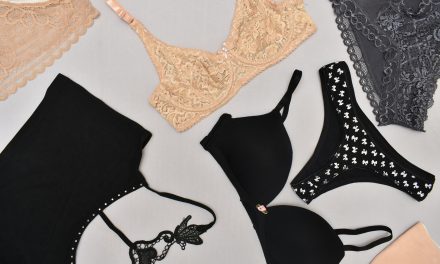
To alleviate this problem, it is advisable to opt for loose-fitting clothing made from breathable fabrics such as cotton or moisture-wicking materials. These types of fabrics allow for better air circulation and reduce friction against the skin. Additionally, wearing seamless underwear can further minimize irritation in sensitive areas, promoting overall skin health.
Reason 3: Excessive Sitting and Pressure

Prolonged periods of sitting can contribute significantly to the development of butt pimples. The pressure exerted on the skin from sitting can lead to localized inflammation and hinder proper blood circulation in the area. This pressure can also trap sweat and bacteria against the skin, creating an environment ripe for folliculitis.
To combat this issue, individuals who spend extended periods sitting—such as office workers or drivers—should take regular breaks to stand up and move around. Incorporating cushions designed for pressure relief can also help distribute weight more evenly and reduce irritation on the buttocks. Engaging in exercises that promote blood flow and strengthen the gluteal muscles can further enhance skin health in this area.
If you’ve ever wondered why you get pimples on your butt, you might find it helpful to explore various factors that contribute to this common issue. From sweat and friction to hormonal changes, there are several reasons behind the appearance of these blemishes. For more insights on maintaining skin health, you can check out this informative article on how to manage odors in your home, which also touches on cleanliness and hygiene practices that can impact skin conditions. You can read it here: how to get rid of cat litter box odor. Taking care of your environment can play a significant role in your overall skin health.
Reason 4: Folliculitis Caused by Bacterial Infection
Folliculitis is a common condition characterized by inflammation of hair follicles, often resulting from bacterial infections, particularly Staphylococcus aureus. This infection can occur when bacteria enter through micro-abrasions in the skin, leading to red, painful bumps that resemble acne. In some cases, folliculitis may also be caused by fungal infections or irritation from shaving.
Treatment for folliculitis typically involves topical antibiotics or antiseptics to eliminate the bacteria causing the infection. In more severe cases, oral antibiotics may be prescribed by a healthcare professional. It is crucial to avoid picking at or squeezing the lesions, as this can exacerbate inflammation and lead to scarring.
Reason 5: Allergic Reactions to Skincare or Laundry Products
Allergic reactions to skincare products or laundry detergents can also contribute to the formation of butt pimples. Ingredients such as fragrances, dyes, or harsh chemicals may irritate sensitive skin, leading to contact dermatitis characterized by red bumps and inflammation. Identifying and eliminating these allergens is essential for preventing further outbreaks.
To address this issue, individuals should consider switching to hypoallergenic skincare products and laundry detergents free from irritants. Conducting patch tests before using new products can help identify potential allergens before widespread application. Additionally, maintaining a minimalist skincare routine focused on gentle cleansing and moisturizing can promote healthier skin.
Reason 6: Hormonal Imbalances Affecting Skin Health
Hormonal fluctuations can significantly impact skin health, leading to increased oil production and clogged pores. Conditions such as polycystic ovary syndrome (PCOS) or hormonal changes during menstruation can exacerbate acne-like symptoms on various body parts, including the buttocks. Understanding these hormonal influences is vital for effective management.
For individuals experiencing persistent butt pimples related to hormonal imbalances, consulting with a healthcare provider is recommended. Hormonal therapies or medications may be prescribed to regulate hormone levels and improve skin condition. Lifestyle modifications such as stress management techniques and regular exercise can also help balance hormones naturally.
Reason 7: Diet and Lifestyle Factors
Dietary choices and lifestyle habits play a crucial role in overall skin health. High-glycemic foods, dairy products, and excessive sugar intake have been linked to increased acne severity due to their impact on insulin levels and inflammation in the body. Additionally, sedentary lifestyles may contribute to poor circulation and skin health.
To promote clearer skin on the buttocks, individuals should consider adopting a balanced diet rich in whole foods, fruits, vegetables, lean proteins, and healthy fats. Staying hydrated is equally important for maintaining skin elasticity and preventing dryness. Regular physical activity not only supports overall health but also enhances blood circulation, promoting healthier skin.
How to Maintain Proper Hygiene and Skin Care
Maintaining proper hygiene is paramount in preventing butt pimples. A daily cleansing routine using mild soap can help remove sweat and bacteria from the skin’s surface. Exfoliating once or twice a week with gentle scrubs can aid in removing dead skin cells that may clog pores.
Moisturizing after cleansing is essential for maintaining skin hydration without exacerbating acne. Non-comedogenic moisturizers are recommended as they do not clog pores. Additionally, incorporating topical treatments containing salicylic acid or benzoyl peroxide can help manage breakouts effectively.
Choosing the Right Clothing to Prevent Irritation
Selecting appropriate clothing is vital for preventing irritation that leads to butt pimples. Loose-fitting garments made from breathable fabrics allow for better air circulation and reduce friction against the skin. Avoiding synthetic materials that trap moisture is also advisable.
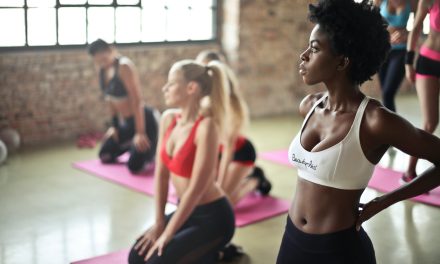
When engaging in physical activities or sports, wearing moisture-wicking athletic wear can help keep sweat away from the skin’s surface. Seamless underwear designed for comfort can further minimize friction in sensitive areas, promoting overall skin health.
When to See a Doctor: Treatment Options for Persistent Butt Pimples
If butt pimples persist despite implementing preventive measures or if they become increasingly painful or inflamed, it is essential to seek medical advice. A dermatologist can evaluate the condition and recommend appropriate treatment options tailored to individual needs.
Treatment may include topical antibiotics for bacterial infections or prescription medications for hormonal imbalances. In some cases, laser therapy or chemical peels may be suggested for severe cases of folliculitis or acne mechanica. It is crucial not to self-diagnose or self-treat without professional guidance.
In summary, butt pimples are a common dermatological issue influenced by various factors such as hygiene practices, clothing choices, hormonal fluctuations, and dietary habits. Understanding these causes allows individuals to implement effective preventive measures while seeking appropriate treatment when necessary. By maintaining proper hygiene, choosing suitable clothing, and addressing underlying health concerns, individuals can achieve healthier skin on their buttocks and enhance their overall well-being.
FAQs
What causes pimples on the buttocks?
Pimples on the buttocks can be caused by a variety of factors, including clogged hair follicles, excess oil production, friction from clothing, and bacterial infections. Conditions like folliculitis, which is the inflammation of hair follicles, can also lead to the formation of pimples in this area.
Are butt pimples a sign of poor hygiene?
While poor hygiene can contribute to the development of pimples on the buttocks, it is not the sole cause. Factors such as sweat, tight clothing, and skin conditions can also play a significant role. Maintaining good hygiene is important, but it may not completely prevent butt pimples.
Can diet affect the occurrence of pimples on the butt?
Yes, diet can influence skin health, including the occurrence of pimples. Consuming a diet high in processed foods, sugars, and dairy may exacerbate acne for some individuals. A balanced diet rich in fruits, vegetables, and whole grains can help improve overall skin health.
How can I treat pimples on my buttocks?
Treatment options for pimples on the buttocks include keeping the area clean and dry, using over-the-counter topical treatments containing benzoyl peroxide or salicylic acid, and wearing loose-fitting clothing. If the condition persists or worsens, consulting a dermatologist is recommended for further evaluation and treatment.
When should I see a doctor about butt pimples?
You should see a doctor if the pimples are persistent, painful, or accompanied by other symptoms such as fever or swelling. Additionally, if you notice signs of infection, such as pus or increased redness, it is important to seek medical advice to prevent complications.