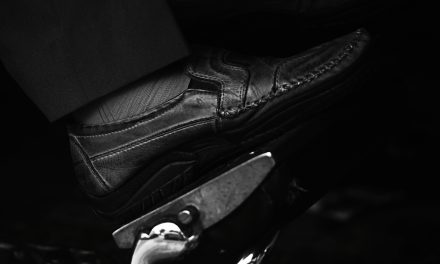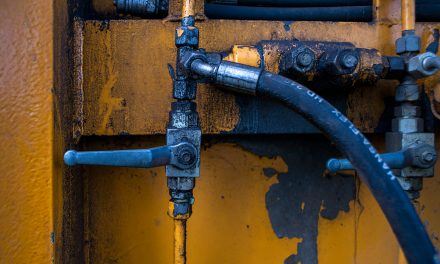
The emergency brake system, also known as the parking brake or handbrake, is a crucial component of a vehicle’s braking system. Its primary function is to secure the vehicle when parked, preventing it from rolling away. Unlike the primary braking system, which operates hydraulically, the emergency brake typically employs a mechanical linkage that engages the rear brakes directly. This system is vital for safety, especially on inclines or uneven surfaces.
Emergency brakes can be activated by pulling a lever, pressing a pedal, or engaging a button, depending on the vehicle’s design. Understanding how this system operates is essential for diagnosing issues that may arise over time. Regular maintenance and inspection of the emergency brake system can prevent potential failures that could lead to accidents or property damage.
If you’ve ever wondered why your emergency brake feels loose, it’s essential to understand the potential causes and implications for your vehicle’s safety. A loose emergency brake can indicate issues such as cable wear, improper adjustment, or even a problem with the brake system itself. For more insights on maintaining an organized and efficient space in your home, which can help you keep track of important items like car maintenance tools, check out this related article on organizing a family mudroom: 10 Genius Tips to Organize a Family Mudroom for Maximum Efficiency.
Reason 1: Worn Brake Cables
One of the most common reasons for a malfunctioning emergency brake is worn brake cables. Over time, these cables can experience wear and tear due to exposure to environmental elements, friction, and general usage. When brake cables become frayed or damaged, they may not effectively transmit the force needed to engage the brakes fully. This can lead to a loose emergency brake that fails to hold the vehicle securely in place.
Worn cables can also result in inconsistent braking performance. Drivers may notice that the emergency brake requires more effort to engage or that it does not hold the vehicle as securely as it once did. Regular inspections of the brake cables are essential to identify signs of wear early on. If any fraying or damage is detected, replacing the cables promptly can prevent further complications and ensure optimal performance.
Reason 2: Stretched Brake Cables

In addition to wear, brake cables can stretch over time due to repeated use and exposure to varying temperatures. Stretched cables can lead to a significant decrease in the effectiveness of the emergency brake system. When cables stretch, they lose their ability to maintain proper tension, resulting in a loose emergency brake that may not engage fully.
Drivers may notice that the emergency brake lever or pedal travels further than usual before engaging. This condition can compromise safety, especially when parked on an incline. To address stretched cables, it is crucial to perform regular maintenance checks and adjust or replace them as necessary. Proper tension in the cables ensures that the emergency brake functions effectively and provides reliable security for the vehicle.
Reason 3: Faulty Brake Shoes or Pads

The condition of brake shoes or pads plays a significant role in the overall functionality of the emergency brake system. If these components are worn out or damaged, they may not provide adequate friction when engaged. This can lead to a loose emergency brake that fails to hold the vehicle securely in place.
Brake shoes and pads should be inspected regularly for signs of wear, such as thinning material or uneven surfaces. If any issues are detected, replacing them promptly is essential for maintaining optimal braking performance. Additionally, ensuring that the brake shoes or pads are compatible with the vehicle’s specifications is crucial for effective operation.
If you’ve ever wondered why your emergency brake feels loose, you might find it helpful to explore related topics that address vehicle maintenance and safety. Understanding the mechanics behind your car’s braking system can provide insights into potential issues. For instance, checking the condition of your brake cables and ensuring proper adjustments can significantly improve performance. Additionally, you can learn more about the importance of regular vehicle inspections in this informative article about top cat boarding services, which emphasizes the value of keeping all aspects of your life, including your vehicle, in optimal condition.
Reason 4: Misaligned Brake Components
Misalignment of brake components can also contribute to a loose emergency brake system. When parts such as calipers, rotors, or drums are not properly aligned, it can affect how force is transmitted through the braking system. Misalignment may result from improper installation, wear over time, or damage from road debris.
Drivers may experience difficulty engaging the emergency brake or notice that it does not hold effectively. Regular inspections and adjustments of brake components are necessary to ensure proper alignment and functionality. Addressing misalignment issues promptly can prevent further complications and enhance overall braking performance.
Reason 5: Damaged or Corroded Cable Housing
The housing that encases brake cables is equally important for maintaining their integrity and functionality. Damage or corrosion to cable housing can impede the smooth operation of the cables themselves. When housing becomes compromised, it can lead to binding or sticking cables that do not engage properly.
Corrosion often occurs due to exposure to moisture and road salt, particularly in regions with harsh winters. Regularly inspecting cable housing for signs of rust or damage is essential for preventing issues with the emergency brake system. If corrosion is detected, replacing the affected housing can restore proper function and ensure reliable braking performance.
Reason 6: Loose or Broken Adjuster Mechanism
The adjuster mechanism plays a critical role in maintaining proper tension within the emergency brake system. If this mechanism becomes loose or breaks entirely, it can lead to a significant loss of effectiveness in engaging the brakes. A malfunctioning adjuster may prevent the emergency brake from holding securely, posing safety risks when parked.
Regular maintenance checks should include an inspection of the adjuster mechanism for signs of wear or damage. If any issues are identified, addressing them promptly through adjustment or replacement is crucial for restoring proper function to the emergency brake system.
Reason 7: Low or Contaminated Brake Fluid
While primarily associated with hydraulic brakes, low or contaminated brake fluid can also impact the performance of an emergency brake system that utilizes hydraulic components. Insufficient fluid levels can lead to decreased braking power and responsiveness, resulting in a loose emergency brake that fails to engage effectively.
Contaminated fluid can introduce air bubbles into the braking system, further compromising performance. Regularly checking fluid levels and quality is essential for maintaining optimal braking function. If contamination is detected, flushing and replacing the fluid can restore proper operation and enhance safety.
How to Diagnose a Loose Emergency Brake
Diagnosing a loose emergency brake involves several steps to identify potential issues accurately. Begin by engaging the emergency brake while parked on a level surface and observing its effectiveness. If the vehicle rolls slightly when in gear with the emergency brake engaged, this indicates a problem.
Next, inspect the emergency brake lever or pedal for excessive travel before engagement. If it feels unusually loose or requires more effort than normal to engage fully, this may signal underlying issues with cables or components. Additionally, visually inspect brake cables for signs of wear, stretching, or damage.
Step-by-Step Guide to Fix a Loose Emergency Brake
1. **Inspect Brake Cables**: Begin by examining both front and rear cables for fraying or damage.
2. **Check Tension**: Assess whether cables are stretched by pulling on them gently; they should have some resistance.
3. **Adjust Cable Tension**: If necessary, use an adjuster mechanism to tighten cables until they engage properly.
4. **Examine Brake Shoes/Pads**: Inspect these components for wear; replace if they appear thin or uneven.
5. **Align Components**: Ensure all brake components are properly aligned; adjust as needed.
6. **Inspect Cable Housing**: Look for corrosion or damage; replace if necessary.
7. **Check Fluid Levels**: Ensure hydraulic fluid levels are adequate; replace contaminated fluid.
8. **Test Drive**: After making adjustments and repairs, take the vehicle for a test drive to ensure proper function.
When to Seek Professional Help for Emergency Brake Issues
While many issues with an emergency brake system can be addressed through DIY methods, certain situations warrant professional assistance. If you encounter persistent problems despite making adjustments or repairs, consulting a qualified mechanic is advisable. Additionally, if you notice unusual noises during operation or experience sudden failures while driving, immediate professional evaluation is crucial for safety.
Professional mechanics possess specialized tools and expertise necessary for diagnosing complex issues within braking systems. They can conduct thorough inspections and recommend appropriate solutions tailored to your vehicle’s specific needs.
In summary, understanding the intricacies of an emergency brake system is vital for ensuring vehicle safety and performance. Regular maintenance checks can help identify potential issues early on, preventing costly repairs down the line. By addressing common problems such as worn cables, misalignment, and low fluid levels promptly, drivers can maintain optimal braking functionality and enhance overall safety on the road.
FAQs
What causes an emergency brake to feel loose?
An emergency brake may feel loose due to several factors, including worn brake cables, improper adjustment, or a malfunctioning brake mechanism. Over time, the cables can stretch or fray, leading to decreased tension and effectiveness. Additionally, if the brake system has not been properly adjusted, it can result in a loose feel when engaged.
How can I tell if my emergency brake needs adjustment?
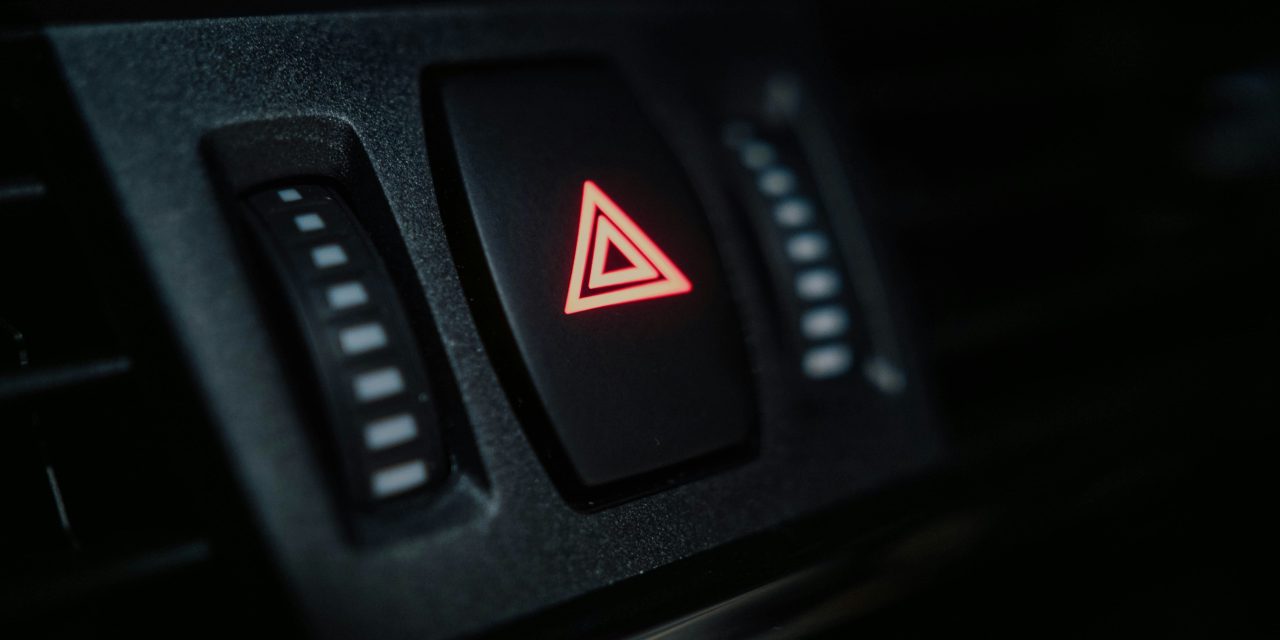
You can tell if your emergency brake needs adjustment if it feels loose when pulled, does not hold the vehicle in place on an incline, or if the warning light on your dashboard remains illuminated. A visual inspection of the brake cables for wear or damage can also indicate the need for adjustment or replacement.
Is it safe to drive with a loose emergency brake?
Driving with a loose emergency brake is not recommended, as it may fail to hold the vehicle securely in place, especially on inclines. This can pose a safety risk, particularly if the vehicle rolls unexpectedly. It is advisable to have the emergency brake inspected and repaired as soon as possible.
Can I fix a loose emergency brake myself?
In some cases, you can fix a loose emergency brake yourself by adjusting the brake cable tension or replacing worn components. However, if you are not familiar with brake systems or lack the necessary tools, it is best to consult a professional mechanic to ensure the repair is done correctly and safely.
How often should I check my emergency brake?
It is a good practice to check your emergency brake at least once a year or during regular vehicle maintenance. Additionally, you should test it whenever you notice any changes in its performance, such as a loose feel or difficulty engaging the brake. Regular checks can help prevent potential issues and ensure your safety on the road.