The windshield washer system is an essential component of vehicle safety and maintenance, ensuring optimal visibility during adverse weather conditions. Proper functioning of the windshield washer fluid is crucial for removing dirt, grime, and other obstructions from the windshield, thereby enhancing driver visibility and reducing the risk of accidents. The importance of maintaining this system cannot be overstated, as it plays a pivotal role in ensuring safe driving experiences.
Inadequate washer fluid can lead to impaired visibility, especially during rain or snow, where debris can accumulate rapidly on the windshield. Furthermore, a malfunctioning washer system can compromise the effectiveness of windshield wipers, leading to streaks and smudges that obstruct the driver’s view. Regular checks and maintenance of the washer fluid system are vital for ensuring that it operates efficiently, thereby promoting road safety and enhancing the overall driving experience.
If you’re experiencing issues with your windshield washer fluid not spraying, it could be due to a variety of reasons such as a clogged nozzle, a malfunctioning pump, or low fluid levels. For more insights on troubleshooting common vehicle maintenance issues, you might find this article helpful: Ant Baits vs. Ant Sprays: Which Works Better?. Although it focuses on pest control, the principles of understanding how different systems work can be applied to vehicle maintenance as well.
Clogged Nozzles: The Most Common Obstruction
One of the most prevalent issues affecting windshield washer systems is clogged nozzles. These small openings are responsible for directing washer fluid onto the windshield, and when they become obstructed, the fluid cannot reach its intended target. Clogs can occur due to various factors, including dirt, debris, or even mineral buildup from hard water.
To address this issue, it is essential to regularly inspect the nozzles for any signs of blockage. A simple visual examination can often reveal if the nozzles are dirty or misaligned. If a clog is suspected, using a fine needle or pin to gently clear the nozzle can restore proper fluid flow. Additionally, employing a vinegar solution can help dissolve mineral deposits that may have accumulated over time. Regular maintenance of the nozzles will ensure that they remain unobstructed and functional.
Empty or Low Washer Fluid Reservoir

Another common cause of inadequate windshield washer performance is an empty or low washer fluid reservoir. The reservoir is designed to hold a sufficient amount of washer fluid to ensure consistent spraying when needed. When the fluid level drops below a certain threshold, the system may fail to operate effectively, leaving drivers without the necessary visibility aids during critical moments.
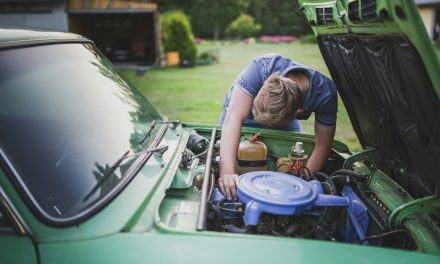
To prevent this issue, it is advisable to routinely check the washer fluid level and refill it as necessary. Most vehicles are equipped with a transparent reservoir that allows for easy monitoring of fluid levels. It is recommended to use a high-quality washer fluid that contains antifreeze properties to prevent freezing in colder climates. Regularly topping off the reservoir will ensure that the washer system remains functional and ready for use whenever required.
Frozen Washer Fluid in Cold Weather

In regions experiencing harsh winter conditions, frozen washer fluid can pose significant challenges for drivers. When temperatures plummet, the washer fluid may freeze within the reservoir or hoses, rendering the system inoperable. This situation can be particularly dangerous when driving in snowy or icy conditions, as visibility becomes compromised.
To mitigate this risk, it is crucial to use washer fluids specifically formulated for cold weather conditions. These fluids typically contain antifreeze agents that lower the freezing point, ensuring that they remain liquid even in frigid temperatures. Additionally, parking in a garage or sheltered area can help prevent freezing overnight. If frozen fluid is suspected, warming the vehicle’s engine or using a hairdryer on low heat can help thaw the system without causing damage.
If you find that your windshield washer fluid is not spraying, it could be due to a clogged nozzle or a malfunctioning pump. It’s essential to troubleshoot the issue to ensure your visibility while driving remains clear. For more information on maintaining your vehicle’s cleanliness, you might find this article on how to remove turmeric stains from carpets and rugs particularly helpful, as it provides insights into keeping your car’s interior looking its best while you address any exterior maintenance concerns.
Faulty Washer Pump Malfunction
The washer pump is a critical component responsible for delivering washer fluid from the reservoir to the nozzles. A malfunctioning pump can lead to inadequate or no fluid being sprayed onto the windshield, significantly impairing visibility. Common signs of a faulty pump include unusual noises when activated or a complete lack of spray.
Diagnosing pump issues typically involves checking for electrical connectivity and ensuring that there are no blockages in the hoses leading to the nozzles. If electrical connections are intact and no obstructions are found, it may be necessary to replace the pump entirely. Replacement pumps are widely available and can often be installed with basic mechanical skills. Regular inspections of the pump can help identify potential issues before they escalate into more significant problems.
If you find that your windshield washer fluid is not spraying, it could be due to a clogged nozzle or a malfunctioning pump. To troubleshoot this issue effectively, you might want to check out a related article that provides detailed insights on common car maintenance problems and their solutions. Understanding these aspects can help you keep your vehicle in top shape. For more information, you can read the article here.
Disconnected or Damaged Washer Fluid Hoses
Washer fluid hoses play a vital role in transporting fluid from the reservoir to the nozzles. Over time, these hoses may become disconnected or damaged due to wear and tear, leading to leaks or complete loss of fluid pressure. A visual inspection of the hoses can reveal cracks, tears, or disconnections that may be affecting performance.
To address this issue, it is essential to replace any damaged hoses promptly. Replacement hoses are typically inexpensive and can be easily installed with minimal tools. Ensuring that all connections are secure will help maintain proper fluid pressure and prevent leaks from occurring in the future. Regular maintenance checks on hoses will contribute to the overall reliability of the windshield washer system.
Electrical Issues Affecting the Washer System
Electrical problems can significantly impact the functionality of the windshield washer system. Issues such as blown fuses, corroded connectors, or faulty switches can prevent the washer pump from receiving power, resulting in a non-functional system. Diagnosing electrical issues requires a systematic approach involving checking fuses and testing electrical connections with a multimeter.
If electrical faults are identified, replacing blown fuses or cleaning corroded connectors may resolve the issue. In cases where switches are malfunctioning, replacement may be necessary to restore functionality. Regular inspections of electrical components will help ensure that any potential issues are addressed promptly before they lead to complete system failure.
Using Incorrect or Poor-Quality Washer Fluid
The type of washer fluid used can significantly affect the performance of the windshield washer system. Using incorrect or poor-quality fluids may lead to clogs, reduced cleaning efficiency, or even damage to components over time. It is essential to select washer fluids that meet manufacturer specifications and contain appropriate cleaning agents.
High-quality washer fluids often contain additives that enhance cleaning power while preventing freezing in colder climates. Avoid using homemade solutions or diluted fluids that may not provide adequate cleaning capabilities. By investing in quality washer fluid, drivers can ensure optimal performance and longevity of their windshield washer systems.
How to Diagnose Washer Fluid Spray Problems
Diagnosing issues with windshield washer spray requires a systematic approach to identify potential causes effectively. Begin by checking for visible signs of blockage at the nozzles; if they appear clogged, attempt to clear them using a fine needle or pin. Next, inspect the washer fluid reservoir for adequate levels; if low, refill with appropriate washer fluid.
If nozzles are clear and fluid levels are sufficient but spraying remains ineffective, investigate potential pump malfunctions by listening for operational sounds when activating the system. Additionally, check for leaks along hoses and ensure all electrical connections are intact. By following these diagnostic steps methodically, drivers can pinpoint issues and take corrective actions accordingly.
Simple DIY Fixes to Restore Washer Fluid Spray
Many windshield washer system issues can be resolved through simple DIY fixes that do not require professional assistance. For clogged nozzles, using a fine needle or pin can effectively clear blockages without damaging components. If low fluid levels are detected, simply refill with high-quality washer fluid designed for your vehicle’s needs.
In cases where hoses are disconnected or damaged, replacing them is often straightforward and can be accomplished with basic tools. For electrical issues such as blown fuses or corroded connectors, replacing fuses or cleaning connections can restore functionality without extensive repairs. These simple fixes empower drivers to maintain their vehicles effectively while ensuring optimal visibility on the road.
When to Seek Professional Help for Washer System Issues
While many windshield washer system problems can be addressed through DIY methods, certain situations warrant professional intervention. If electrical issues persist despite troubleshooting efforts or if pump replacement is required but beyond personal expertise, consulting a qualified mechanic is advisable.
Additionally, if multiple components appear affected simultaneously or if there are signs of extensive damage within the system, seeking professional assistance ensures comprehensive diagnostics and repairs. Mechanics possess specialized knowledge and tools necessary for addressing complex issues effectively while providing peace of mind regarding vehicle safety.
In summary, maintaining an effective windshield washer system is crucial for ensuring optimal visibility while driving. Regular checks for clogs, fluid levels, and electrical connections can prevent common issues from escalating into significant problems. By employing simple DIY fixes and knowing when to seek professional help, drivers can ensure their vehicles remain safe and reliable on the road at all times.
FAQs
What are common reasons for windshield washer fluid not spraying?
Common reasons for windshield washer fluid not spraying include a clogged nozzle, a malfunctioning pump, low fluid levels, or a broken hose. Additionally, frozen fluid in colder temperatures can also prevent proper spraying.
How can I check if the windshield washer fluid reservoir is empty?
You can check the windshield washer fluid reservoir by locating it under the hood of your vehicle. Most reservoirs are translucent, allowing you to see the fluid level. If it’s low or empty, refill it with the appropriate washer fluid.
What should I do if the washer fluid nozzle is clogged?
If the washer fluid nozzle is clogged, you can try cleaning it with a pin or a small needle to remove any debris. Alternatively, you can soak the nozzle in warm water to help dissolve any blockages. If the problem persists, consider replacing the nozzle.
How can I determine if the washer pump is functioning properly?
To determine if the washer pump is functioning, turn on the windshield washer system while listening for a humming sound from the pump. If you hear no sound, the pump may be faulty or there could be an electrical issue. You can also check for power at the pump connector with a multimeter.
Can weather conditions affect windshield washer fluid performance?
Yes, weather conditions can affect windshield washer fluid performance. In freezing temperatures, washer fluid can freeze in the lines or nozzles, preventing it from spraying. Using a winter-grade washer fluid can help prevent this issue.