Sesame oil, derived from sesame seeds (Sesamum indicum), is a staple in various culinary traditions, particularly in Asian cuisine. This oil is celebrated for its distinctive flavor profile, which ranges from nutty and rich to slightly sweet, depending on whether it is refined or unrefined. The unrefined version, often referred to as toasted sesame oil, is produced by roasting the seeds before extraction, resulting in a deep, aromatic essence that enhances dishes such as stir-fries, dressings, and marinades. In contrast, refined sesame oil has a lighter color and milder taste, making it versatile for cooking at higher temperatures.
Beyond its culinary applications, sesame oil is also revered for its health benefits. Rich in polyunsaturated fats, antioxidants, and vitamins such as E and K, it contributes to heart health and possesses anti-inflammatory properties. The oil’s unique flavor and nutritional profile make it a sought-after ingredient in kitchens worldwide. However, there are instances when sesame oil may not be available or suitable for certain dietary restrictions, prompting the need for effective substitutes.
If you’re looking for alternatives to sesame oil in your cooking, you might find it helpful to explore various oils that can provide similar flavors or health benefits. For instance, peanut oil, sunflower oil, or even olive oil can serve as great substitutes depending on the dish you’re preparing. Additionally, if you’re interested in home improvement tips, you might want to check out this article on how to repair a torn window screen at home, which can be quite useful for maintaining your living space. You can read it here: how to repair a torn window screen at home.
Why You Might Need a Sesame Oil Substitute
There are several reasons one might seek alternatives to sesame oil. First and foremost, allergies to sesame seeds are increasingly common, affecting a significant portion of the population. Individuals with sesame allergies must avoid this oil to prevent adverse reactions ranging from mild skin irritations to severe anaphylactic responses. Additionally, some people may follow specific dietary restrictions or preferences that exclude sesame oil due to its origins or processing methods.
Another consideration is the flavor profile desired in a dish. While sesame oil adds a unique taste, certain recipes may call for a different nuance that can be achieved through other oils. Furthermore, availability can be an issue; not all grocery stores stock sesame oil, particularly in regions where Asian cuisine is less prevalent. In such cases, having a repertoire of substitutes can ensure that culinary creations remain flavorful and satisfying.
Substitute #1: Toasted Walnut Oil

Toasted walnut oil emerges as an excellent alternative to sesame oil due to its rich, nutty flavor that closely resembles the essence of toasted sesame. Extracted from roasted walnuts, this oil carries a robust taste that can elevate salads, pasta dishes, and marinades. Its high smoke point makes it suitable for sautéing and roasting, allowing for versatility in various cooking methods.
When substituting toasted walnut oil for sesame oil, it is advisable to use it in a 1:1 ratio. This ensures that the dish retains the intended flavor profile while benefiting from the unique characteristics of walnut oil. Additionally, walnut oil is rich in omega-3 fatty acids, contributing to heart health and providing anti-inflammatory benefits. However, individuals with nut allergies should exercise caution when using this substitute.
Substitute #2: Toasted Almond Oil

Another viable option is toasted almond oil, which offers a similarly rich and nutty flavor profile. This oil is produced by pressing roasted almonds and is characterized by its golden hue and aromatic scent. Toasted almond oil can enhance the taste of dressings, dips, and baked goods while providing a delightful depth of flavor.
When incorporating toasted almond oil into recipes that call for sesame oil, a 1:1 substitution ratio is recommended. This ensures that the dish maintains its intended flavor while introducing the unique nuances of almond oil. Additionally, almond oil is known for its high vitamin E content and antioxidant properties, making it a nutritious choice for culinary applications. However, like walnut oil, it should be avoided by those with nut allergies.
If you’re looking for alternatives to sesame oil in your cooking, you might find it helpful to explore various oils that can provide similar flavors or benefits. For instance, peanut oil or sunflower oil can be excellent substitutes, depending on the dish you’re preparing. Additionally, if you’re interested in understanding more about kitchen essentials and maintenance, you might want to check out this article on common household issues, which discusses various solutions for home upkeep. You can read it here: common causes and solutions.
Substitute #3: Olive Oil with a Toasted Sesame Seed Twist
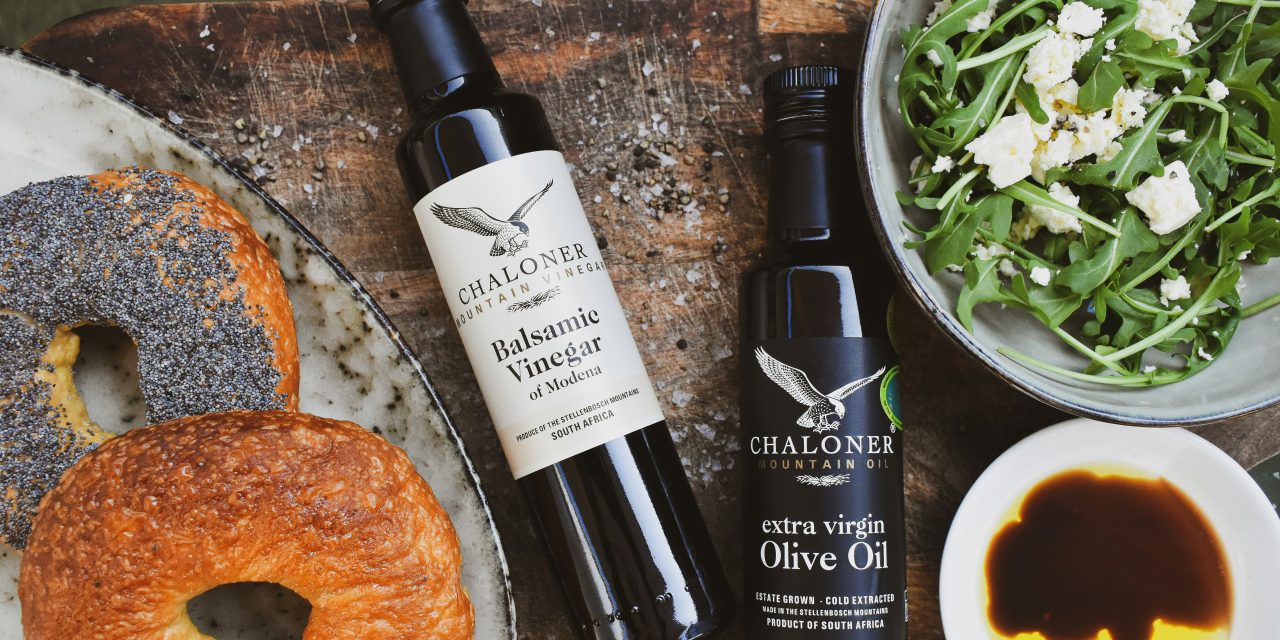
Olive oil is a widely used cooking oil known for its health benefits and versatility. While it lacks the distinct nutty flavor of sesame oil, combining olive oil with toasted sesame seeds can create a flavorful substitute that mimics the essence of sesame oil. This combination allows for the infusion of nutty notes while maintaining the health benefits associated with olive oil.
To achieve this substitute, mix extra virgin olive oil with toasted sesame seeds in a small bowl before using it in your recipe. A ratio of 3 tablespoons of olive oil to 1 tablespoon of toasted sesame seeds can provide an adequate flavor boost. This blend works well in dressings, marinades, and drizzles over finished dishes, offering a delightful twist without compromising on taste.
Substitute #4: Peanut Oil for a Nutty Flavor
Peanut oil is another excellent alternative that brings its own unique flavor profile to dishes. Extracted from peanuts (Arachis hypogaea), this oil has a high smoke point and a mild nutty taste that can complement various cuisines. It is particularly popular in Asian cooking and can be used for frying or sautéing.
When substituting peanut oil for sesame oil, use it in equal proportions to maintain the intended flavor balance in your dish. Peanut oil’s versatility allows it to shine in stir-fries, marinades, and dressings while providing healthy fats and antioxidants. However, individuals with peanut allergies should avoid this option.
Substitute #5: Canola Oil with a Dash of Toasted Sesame Seeds
Canola oil is often praised for its neutral flavor and high smoke point, making it suitable for various cooking methods. While it lacks the distinct nuttiness of sesame oil on its own, adding toasted sesame seeds can create an effective substitute that captures the essence of sesame without overpowering other flavors.
To create this substitute, combine canola oil with toasted sesame seeds in a small bowl before incorporating it into your recipe. A suggested ratio is 3 tablespoons of canola oil mixed with 1 tablespoon of toasted sesame seeds. This blend works well in dressings and marinades while providing a hint of nuttiness reminiscent of sesame oil.
Substitute #6: Avocado Oil for a Mild, Nutty Taste
Avocado oil has gained popularity in recent years due to its health benefits and mild flavor profile. Extracted from ripe avocados (Persea americana), this oil boasts a high smoke point and is rich in monounsaturated fats and antioxidants. While it does not replicate the distinct nuttiness of sesame oil directly, its subtle flavor can complement various dishes without overwhelming them.
When using avocado oil as a substitute for sesame oil, maintain a 1:1 ratio to ensure consistency in flavor and texture within your recipe. Avocado oil works well in dressings, marinades, and sautéing vegetables while providing essential nutrients that contribute to overall health.
Substitute #7: Tahini Paste as a Flavorful Alternative
Tahini paste, made from ground sesame seeds, serves as an intriguing alternative to sesame oil due to its rich flavor and creamy texture. While tahini is thicker than liquid oils, it can be diluted with water or other liquids to achieve the desired consistency for dressings or sauces.
To use tahini as a substitute for sesame oil, mix 1 tablespoon of tahini with 1 tablespoon of water or another liquid until smooth. This mixture can then be incorporated into recipes that call for sesame oil, providing a similar nutty flavor while adding creaminess to dishes such as hummus or salad dressings.
Tips for Choosing the Right Substitute Based on Your Recipe
Selecting the appropriate substitute for sesame oil depends on several factors related to your recipe’s requirements. Consider the following tips when making your choice:
1. **Flavor Profile**: Assess whether you need a nutty flavor or if a neutral taste will suffice.
2. **Cooking Method**: Ensure that the substitute has an appropriate smoke point for your cooking technique.
3. **Dietary Restrictions**: Be mindful of allergies or dietary preferences when selecting an alternative.
4. **Texture**: Consider whether you need an oily consistency or if a thicker paste will work better.
5. **Culinary Tradition**: Some substitutes may align better with specific cuisines than others; choose accordingly.
By evaluating these factors carefully, you can enhance your dishes effectively without compromising on taste or quality.
Enhancing Your Dishes Without Sesame Oil
In conclusion, while sesame oil is cherished for its unique flavor and health benefits, there are numerous substitutes available that can effectively replicate its essence in various culinary applications. From toasted walnut and almond oils to versatile options like olive and avocado oils infused with toasted seeds or tahini paste, each alternative offers distinct characteristics that can elevate your dishes.
Understanding the nuances of these substitutes allows you to navigate dietary restrictions or ingredient availability without sacrificing flavor or quality in your cooking endeavors. By experimenting with these alternatives based on your recipe’s needs, you can continue to create delicious meals that resonate with your palate while embracing culinary creativity.
In summary, whether you’re dealing with allergies or simply seeking variety in your cooking repertoire, these substitutes provide ample opportunities to enhance your dishes without relying solely on sesame oil.
FAQs
What are some common substitutes for sesame oil?
Common substitutes for sesame oil include peanut oil, sunflower oil, canola oil, and olive oil. Each of these oils has a different flavor profile, so it’s important to choose one that complements your dish.
Can I use olive oil instead of sesame oil?
Yes, olive oil can be used as a substitute for sesame oil, especially in salad dressings or marinades. However, it has a different flavor, so it may alter the taste of the dish slightly.
Is there a nut-free alternative to sesame oil?
Yes, if you need a nut-free alternative, you can use sunflower oil or canola oil. Both options are neutral in flavor and can work well in various recipes that call for sesame oil.
How does the flavor of peanut oil compare to sesame oil?
Peanut oil has a slightly nutty flavor, similar to sesame oil, making it a good substitute in Asian dishes. However, it may not have the same depth of flavor, so consider adjusting the quantity based on your taste preferences.
Can I use coconut oil as a substitute for sesame oil?
Coconut oil can be used as a substitute for sesame oil, particularly in cooking. However, it has a distinct coconut flavor that may not be suitable for all dishes, especially those where the taste of sesame oil is essential.