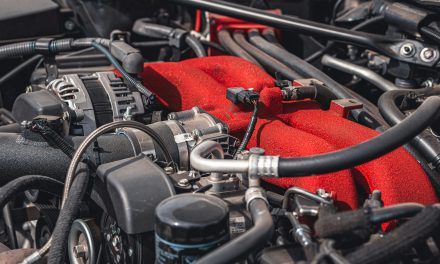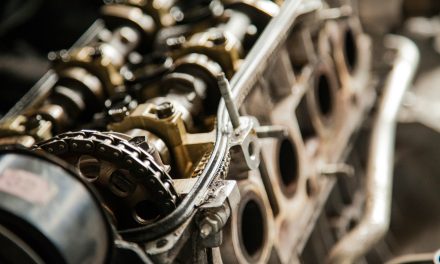
Transmission fluid is a vital component in the operation of automatic and manual transmissions, serving multiple critical functions that ensure the smooth performance of a vehicle. This specialized lubricant not only facilitates the seamless shifting of gears but also cools and cleans the transmission system, preventing wear and tear on its intricate components. The fluid’s unique properties allow it to withstand high temperatures and pressures, making it essential for maintaining optimal transmission performance.
The significance of transmission fluid extends beyond mere lubrication; it plays a crucial role in hydraulic pressure generation, which is necessary for gear engagement. A well-maintained transmission fluid level ensures that the vehicle operates efficiently, enhancing fuel economy and prolonging the lifespan of the transmission system. Neglecting this essential fluid can lead to severe mechanical failures, resulting in costly repairs and diminished vehicle performance.
When considering the implications of overfilling transmission fluid, it’s essential to understand how fluid levels can affect vehicle performance and longevity. An informative article that delves into related maintenance issues is available at this link, which discusses various causes and solutions for unexpected hot water shortages. While the topics may seem different, both highlight the importance of proper fluid management in ensuring optimal functionality, whether in vehicles or home systems.
Understanding the Ideal Transmission Fluid Level
Maintaining the ideal transmission fluid level is paramount for ensuring the longevity and efficiency of a vehicle’s transmission system. The correct fluid level is typically indicated on the dipstick, which should be checked regularly, especially before long trips or after significant mileage accumulation. The ideal range is usually marked between two lines on the dipstick, with levels falling below or above this range indicating potential issues.
An insufficient fluid level can lead to inadequate lubrication, resulting in increased friction and heat generation within the transmission. Conversely, an overfilled transmission can cause aeration of the fluid, leading to erratic shifting and potential damage to internal components. Regular checks and timely top-ups are essential practices for vehicle owners to prevent these complications and ensure optimal transmission performance.
Sign I: Transmission Fluid Leaks Around the Pan

One of the most apparent signs of transmission issues is the presence of fluid leaks around the transmission pan. These leaks can manifest as puddles or spots of reddish-brown fluid on the ground beneath the vehicle. Identifying these leaks early is crucial, as they can lead to significant fluid loss, compromising the transmission’s ability to function correctly.
The causes of transmission fluid leaks can vary, ranging from worn-out seals and gaskets to damage from road debris or corrosion. Addressing these leaks promptly is essential to prevent further complications, such as overheating or complete transmission failure. Vehicle owners should regularly inspect their vehicles for signs of leakage and consult a professional mechanic if any issues are detected.
Sign II: Overheating Transmission Symptoms

Overheating is another critical indicator of potential transmission problems. When the transmission fluid becomes excessively hot, it loses its lubricating properties, leading to increased friction and wear on internal components. Symptoms of an overheating transmission may include slipping gears, delayed shifting, or even a burning smell emanating from the engine compartment.
Several factors can contribute to transmission overheating, including low fluid levels, a malfunctioning cooler, or excessive towing loads. To mitigate these risks, vehicle owners should ensure that their transmission fluid is at the appropriate level and consider installing an auxiliary cooler if they frequently tow heavy loads. Regular maintenance checks can help identify potential overheating issues before they escalate into more severe problems.
If you are concerned about the effects of overfilling transmission fluid, it’s essential to understand the potential consequences it can have on your vehicle’s performance. Overfilled transmission fluid can lead to increased pressure, which may cause leaks or even damage to the transmission itself. For more insights on maintaining your vehicle’s health, you might find it helpful to read this article on top tips for care, as it emphasizes the importance of regular maintenance in preventing issues that could arise from neglect.
Sign III: Slipping Gears and Delayed Shifting
Slipping gears and delayed shifting are alarming symptoms that indicate potential transmission failure. When a vehicle struggles to engage gears or experiences unexpected shifts, it can lead to a frustrating driving experience and may signal underlying mechanical issues. These symptoms often arise from low transmission fluid levels or degraded fluid quality due to contamination.
In some cases, slipping gears may also be attributed to worn-out clutches or bands within the transmission system. Addressing these issues promptly is essential to prevent further damage and ensure safe driving conditions. Regular fluid changes and inspections can help maintain optimal performance and prevent slipping or delayed shifting from becoming a chronic issue.
Sign IV: Unusual Noises from the Transmission
Unusual noises emanating from the transmission can be a significant cause for concern among vehicle owners. Sounds such as grinding, whining, or clunking may indicate mechanical failure or insufficient lubrication within the system. These noises often arise when components become worn or damaged due to inadequate fluid levels or contamination.
Identifying the source of these noises early on is crucial for preventing further damage to the transmission. Vehicle owners should pay close attention to any changes in sound while driving and seek professional assistance if unusual noises persist. Regular maintenance checks can help identify potential issues before they escalate into costly repairs.
Sign V: Foamy or Bubbly Transmission Fluid
Foamy or bubbly transmission fluid is a clear indication of aeration, which can severely impact the performance of a vehicle’s transmission system. Aeration occurs when air becomes trapped in the fluid, leading to reduced lubrication and increased friction within the transmission components. This condition can result from overfilling the transmission or contamination from external sources.
To address foamy fluid issues, vehicle owners should first check their fluid levels and ensure they are within the recommended range. If aeration persists, it may be necessary to replace the contaminated fluid and inspect for any underlying issues that could be contributing to the problem. Regular fluid changes and maintenance checks can help prevent foamy fluid conditions from arising.
Sign VI: Burning Smell Emitted from the Transmission
A burning smell emanating from the transmission is a serious warning sign that should not be ignored. This odor often indicates overheating or burning transmission fluid, which can lead to catastrophic failure if left unaddressed. The burning smell may be accompanied by other symptoms such as slipping gears or delayed shifting.
To mitigate this issue, vehicle owners should immediately check their transmission fluid levels and condition. If the fluid appears dark or has a burnt odor, it may be time for a complete fluid change and system inspection. Regular maintenance practices can help prevent overheating and burning smells from becoming chronic issues.
Sign VII: Transmission Warning Light Activation
Modern vehicles are equipped with sophisticated diagnostic systems that monitor various components, including the transmission. When issues arise within the transmission system, a warning light may illuminate on the dashboard, alerting drivers to potential problems. Ignoring this warning light can lead to severe mechanical failures and costly repairs.
When the transmission warning light activates, it is essential for vehicle owners to consult their owner’s manual for guidance on troubleshooting steps. In many cases, a professional diagnostic scan may be necessary to identify specific error codes related to the transmission system. Prompt attention to warning lights can help prevent further complications and ensure safe driving conditions.
Potential Damage Caused by Overfilled Transmission Fluid
While maintaining an adequate level of transmission fluid is crucial for optimal performance, overfilling can lead to significant damage as well. Excessive fluid levels can cause aeration, resulting in erratic shifting and increased wear on internal components. Additionally, overfilled transmissions may experience increased pressure that can lead to seal failure and leaks.
To avoid these complications, vehicle owners should adhere strictly to manufacturer guidelines regarding fluid levels and regularly check their transmissions for signs of overfilling. If overfilling occurs, it is essential to address the issue promptly to prevent further damage.
How to Correct Overfilled Transmission Fluid and Prevent Future Issues
Correcting overfilled transmission fluid requires careful attention to detail and adherence to proper procedures. The first step is to locate the drain plug on the transmission pan and carefully remove it to allow excess fluid to escape until it reaches the recommended level indicated on the dipstick. It is crucial to perform this task in a controlled environment to avoid spills and contamination.
To prevent future overfilling issues, vehicle owners should develop a routine maintenance schedule that includes regular checks of their transmission fluid levels and condition. Additionally, consulting with a qualified mechanic during routine service appointments can help identify potential issues before they escalate into more significant problems.
In summary, maintaining proper transmission fluid levels is essential for ensuring optimal vehicle performance and longevity. Recognizing signs of potential issues—such as leaks, overheating symptoms, slipping gears, unusual noises, foamy fluid, burning smells, and warning light activation—can help vehicle owners address problems before they escalate into costly repairs. Regular maintenance checks and adherence to manufacturer guidelines are crucial for preventing complications related to both low and overfilled transmission fluid levels.
FAQs
What are the symptoms of overfilled transmission fluid?
Symptoms of overfilled transmission fluid can include erratic shifting, slipping gears, and unusual noises such as grinding or whining. Additionally, you may notice fluid leaks or foaming in the transmission fluid, which can lead to overheating and potential damage to the transmission.
Can overfilled transmission fluid cause damage to the transmission?
Yes, overfilled transmission fluid can cause damage to the transmission. Excess fluid can create excessive pressure, leading to leaks and seal damage. It can also cause the fluid to aerate, reducing its lubricating properties and potentially leading to overheating and transmission failure.
How can I tell if my transmission fluid is overfilled?
You can check if your transmission fluid is overfilled by using the dipstick, if your vehicle has one. With the engine running and the vehicle in park, remove the dipstick, wipe it clean, and reinsert it. If the fluid level is above the “full” mark, it is overfilled. Additionally, you may notice fluid leaking from the transmission pan or a foamy appearance in the fluid.
What should I do if I suspect my transmission fluid is overfilled?
If you suspect your transmission fluid is overfilled, it is advisable to have it checked by a professional mechanic. They can safely drain the excess fluid and inspect the transmission for any potential damage. Avoid driving the vehicle until the issue is resolved to prevent further damage.
Is it safe to drive with overfilled transmission fluid?
Driving with overfilled transmission fluid is not safe. It can lead to increased pressure within the transmission, causing leaks, overheating, and potential failure. It is best to address the issue as soon as possible to avoid costly repairs and ensure the longevity of your vehicle’s transmission.