Brake fluid is a critical component of any vehicle’s braking system, serving as the hydraulic fluid that enables the transfer of force from the brake pedal to the brake components. This fluid is essential for ensuring that the brakes function effectively, providing the necessary stopping power to prevent accidents. The significance of brake fluid cannot be overstated; it plays a pivotal role in vehicle safety and performance. Without adequate brake fluid, the braking system may fail, leading to catastrophic consequences.
The composition of brake fluid typically includes glycol-based or silicone-based fluids, each with distinct properties that affect their performance under various conditions. Glycol-based fluids are hygroscopic, meaning they absorb moisture over time, which can lead to a decrease in boiling point and potential brake failure. Conversely, silicone-based fluids are less prone to moisture absorption but may not be compatible with all braking systems. Understanding these differences is crucial for vehicle owners to make informed decisions regarding maintenance and fluid replacement.
When considering vehicle maintenance, it’s essential to not only focus on brake fluid but also on other aspects of car care. For instance, keeping your washing machine clean is crucial for maintaining its efficiency and preventing odors. You can learn more about this important household task in the article on how to clean a washing machine and remove odors and residue. For more information, visit this article.
What Does Brake Fluid Do?
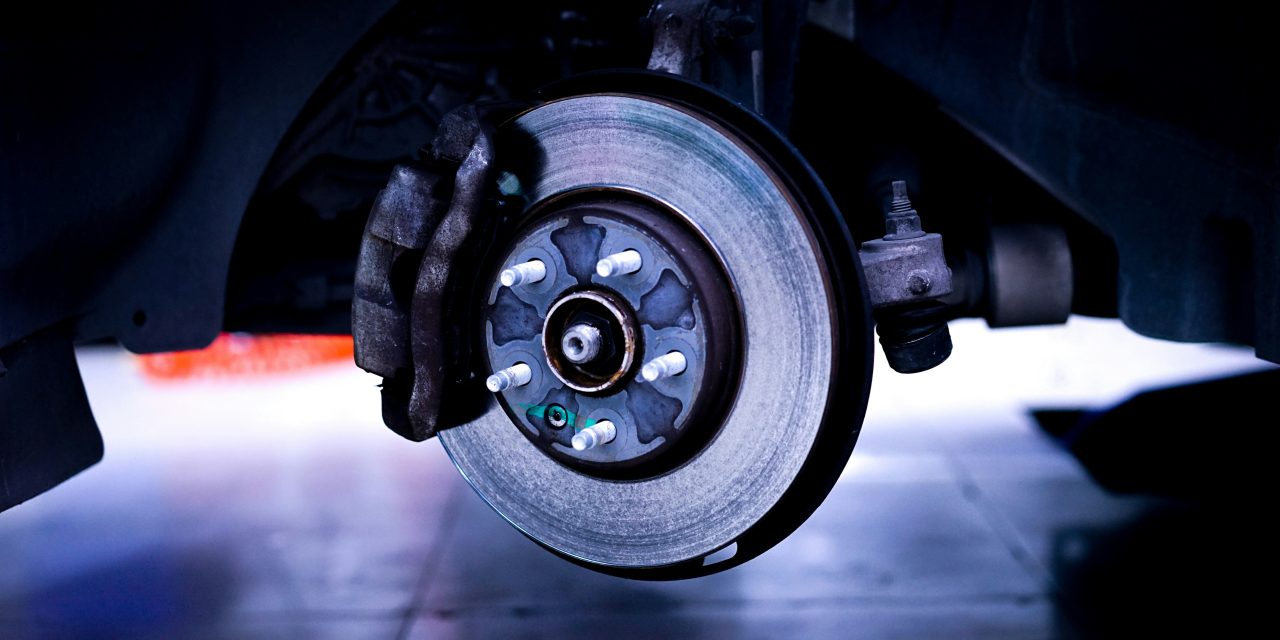
Brake fluid serves multiple functions within the braking system. Primarily, it transmits force from the brake pedal to the brake calipers or wheel cylinders, enabling the vehicle to slow down or stop effectively. When the driver presses the brake pedal, hydraulic pressure is generated in the brake lines, which then activates the braking components. This hydraulic action is what allows for smooth and responsive braking.
Additionally, brake fluid lubricates various components within the braking system, reducing wear and tear on seals and pistons. It also helps to prevent corrosion within the brake lines and components, ensuring longevity and reliability. The effectiveness of brake fluid is influenced by its viscosity and boiling point; therefore, maintaining optimal fluid quality is essential for safe driving.
How Often Should You Change Your Brake Fluid?

The frequency of brake fluid replacement can vary based on several factors, including vehicle type, driving conditions, and manufacturer recommendations. Generally, it is advisable to change brake fluid every two years or every 24,000 miles, whichever comes first. However, some manufacturers may suggest different intervals based on specific vehicle requirements.
Regular inspections of brake fluid levels and quality are crucial for maintaining optimal braking performance. If the fluid appears dark or contaminated, it may indicate that it needs to be replaced sooner than the recommended interval. Additionally, vehicles subjected to extreme driving conditions—such as frequent stop-and-go traffic or towing heavy loads—may require more frequent fluid changes to ensure safety and performance.
Sign 1: Spongy or Soft Brake Pedal

One of the most noticeable signs that your brake fluid may need attention is a spongy or soft brake pedal. When you press down on the pedal, it should feel firm and responsive. If you experience a sensation of softness or sponginess, it could indicate air trapped in the brake lines or a significant drop in hydraulic pressure due to low brake fluid levels.
This condition can compromise braking efficiency and increase stopping distances, posing a serious safety risk. If you encounter this issue, it is essential to inspect the brake fluid level immediately and check for any leaks in the system. Addressing this problem promptly can prevent further complications and ensure safe driving conditions.
When considering vehicle maintenance, it’s important to remember that brake fluid should be changed regularly to ensure optimal performance and safety. Many experts recommend checking and replacing brake fluid every two years or 24,000 miles, but this can vary based on driving conditions and vehicle type. For a deeper understanding of maintenance practices, you might find this article on home repairs interesting, as it highlights the importance of timely upkeep in different contexts. Keeping both your car and home in good condition can save you from costly repairs down the line.
Sign 2: Brake Warning Light Illuminates
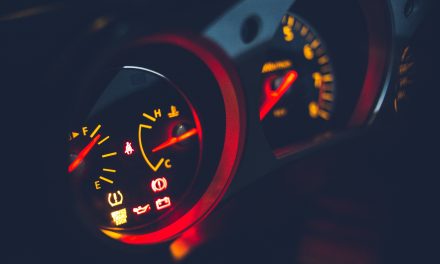
Modern vehicles are equipped with various warning lights on the dashboard to alert drivers of potential issues. One such warning light is the brake warning light, which may illuminate for several reasons, including low brake fluid levels or problems with the braking system itself. If this light appears while driving, it is crucial to take immediate action.
Ignoring this warning can lead to severe consequences, including complete brake failure. Upon noticing the brake warning light, drivers should check their brake fluid levels and inspect for leaks or other issues within the braking system. If necessary, consult a qualified mechanic for a thorough inspection and diagnosis.
When considering vehicle maintenance, it’s essential to understand how often brake fluid should be changed to ensure optimal safety and performance. Regularly checking and replacing brake fluid can prevent brake system failures and enhance overall driving safety. For more insights on maintaining your home environment, you might find it interesting to read about how to identify entry points for pests in this related article. Keeping both your vehicle and home in top condition is crucial for a safe and comfortable lifestyle.
Sign 3: Dark or Contaminated Brake Fluid
Brake fluid should be clear or slightly amber in color when new. Over time, however, it can become dark or contaminated due to moisture absorption and debris accumulation. Dark or murky fluid indicates that it has degraded and may no longer provide adequate performance.
Contaminated brake fluid can lead to corrosion within the braking system and reduced effectiveness when applying brakes. Regularly checking the color and clarity of your brake fluid can help identify potential issues early on. If you notice any discoloration or cloudiness, it is advisable to replace the fluid promptly to maintain optimal braking performance.
Sign 4: Reduced Braking Performance
A noticeable decline in braking performance is a critical sign that your brake fluid may require attention. If you find that your vehicle takes longer to stop than usual or if you need to apply more pressure to achieve the desired braking effect, it could indicate low brake fluid levels or degraded fluid quality.
Reduced braking performance can stem from various factors, including air in the brake lines or moisture-laden fluid that has lowered its boiling point. Addressing these issues promptly is essential for ensuring safety on the road. Regular maintenance checks can help identify problems before they escalate into more significant concerns.
Sign 5: Brake Fluid Level Drops Frequently
Frequent drops in brake fluid levels can signal underlying issues within your braking system. A consistent decrease in fluid levels may indicate leaks in the brake lines or seals, which can compromise braking efficiency and safety. It is crucial to monitor your brake fluid levels regularly and investigate any significant drops.
If you notice that your brake fluid reservoir requires frequent topping off, it is essential to have your vehicle inspected by a qualified technician. They can identify any leaks or damage within the system and recommend appropriate repairs to restore optimal functionality.
Sign 6: Unusual Brake Noises
Unusual noises when applying brakes can also indicate problems with your braking system that may be related to brake fluid issues. Squeaking, grinding, or hissing sounds can suggest worn-out brake pads or components that require immediate attention. In some cases, these noises may also arise from insufficient lubrication due to degraded brake fluid.
If you experience any unusual sounds while braking, it is vital to have your vehicle inspected promptly. Ignoring these signs can lead to further damage and increased repair costs down the line.
Sign 7: Brake Fluid Age and Mileage
The age of your brake fluid is an important factor in determining its effectiveness. Even if you have not reached the recommended mileage for a fluid change, older brake fluid can lose its properties over time due to moisture absorption and contamination. It is advisable to replace brake fluid every two years regardless of mileage to ensure optimal performance.
Additionally, some vehicles may have specific recommendations regarding brake fluid replacement based on driving conditions or usage patterns. Always consult your owner’s manual for guidance on maintaining your vehicle’s braking system effectively.
Tips for Maintaining Healthy Brake Fluid and Safety
To ensure your brake fluid remains in optimal condition, consider implementing these maintenance tips:
1. **Regular Inspections**: Check your brake fluid levels regularly and inspect for any signs of contamination or discoloration.
2. **Follow Manufacturer Guidelines**: Adhere to your vehicle manufacturer’s recommendations regarding brake fluid replacement intervals.
3. **Use Quality Fluid**: Always use high-quality brake fluid that meets your vehicle’s specifications.
4. **Monitor Driving Conditions**: Be mindful of how driving conditions may affect your braking system; adjust maintenance schedules accordingly.
5. **Professional Maintenance**: Schedule regular inspections with a qualified mechanic who can assess your entire braking system for potential issues.
By following these tips, you can help maintain healthy brake fluid levels and ensure safe driving conditions.
In summary, understanding the importance of brake fluid is crucial for maintaining vehicle safety and performance. Regular inspections and timely replacements are essential for preventing issues such as spongy pedals, warning lights, reduced performance, and unusual noises. By staying vigilant about your braking system’s health and adhering to maintenance guidelines, you can ensure a safer driving experience for yourself and others on the road.
FAQs
How often should brake fluid be changed?
Brake fluid should typically be changed every 1 to 2 years, depending on the manufacturer’s recommendations and driving conditions. It’s important to check your vehicle’s owner manual for specific guidelines.
What are the signs that brake fluid needs to be changed?
Signs that brake fluid may need to be changed include a spongy brake pedal, decreased braking performance, or a warning light on the dashboard. Additionally, if the brake fluid appears dark or contaminated, it should be replaced.
Can old brake fluid affect braking performance?
Yes, old or contaminated brake fluid can significantly affect braking performance. It can lead to reduced braking efficiency, increased stopping distances, and even brake failure in extreme cases.
Is it necessary to change brake fluid if the vehicle is not driven often?
Yes, even if a vehicle is not driven often, brake fluid can absorb moisture over time, which can lead to corrosion and decreased performance. It’s still advisable to change the brake fluid every 1 to 2 years regardless of usage.
Can I change brake fluid myself, or should I have a professional do it?
While changing brake fluid can be done by a DIY enthusiast with the right tools and knowledge, it is often recommended to have a professional perform the service. This ensures that the brake system is properly bled and that there are no air bubbles, which can compromise braking performance.