Transmission fluid is a vital component in the operation of both automatic and manual transmissions. This specialized lubricant serves multiple functions, including reducing friction between moving parts, facilitating smooth gear shifts, and providing hydraulic pressure necessary for the transmission’s operation. The fluid also plays a crucial role in cooling the transmission system, preventing overheating, and protecting internal components from wear and tear.
In automatic transmissions, the fluid acts as a hydraulic medium that enables the transmission to shift gears seamlessly. It also contains additives that enhance its performance, such as detergents to keep the system clean and anti-wear agents to prolong the life of the transmission. In manual transmissions, while the fluid primarily serves as a lubricant, it also aids in the smooth engagement of gears. Understanding the importance of transmission fluid is essential for vehicle maintenance and longevity.
If you’re looking to maintain your vehicle’s performance, it’s essential to know how to check if your transmission fluid is low. Understanding the signs of low transmission fluid can prevent costly repairs and ensure smooth operation. For more tips on maintaining household items, you might find this article on how to wash yellowed pillows and remove sweat stains helpful. You can read it here: how to wash yellowed pillows and remove sweat stains.
Why Low Transmission Fluid Is a Serious Concern
Low transmission fluid levels can lead to catastrophic consequences for your vehicle’s transmission system. Insufficient fluid can result in inadequate lubrication, leading to increased friction and heat generation. This can cause components to wear prematurely, resulting in costly repairs or even complete transmission failure. Furthermore, low fluid levels can impair the hydraulic pressure necessary for shifting gears, leading to erratic behavior and potential safety hazards while driving.
The implications of low transmission fluid extend beyond immediate mechanical issues; they can also affect fuel efficiency. A struggling transmission may cause the engine to work harder, leading to increased fuel consumption. Therefore, maintaining proper transmission fluid levels is not only crucial for the health of your vehicle but also for its overall performance and efficiency.
Sign 1: Difficulty Shifting Gears

One of the most noticeable signs of low transmission fluid is difficulty shifting gears. Drivers may experience resistance when attempting to change gears or may find that their vehicle hesitates before engaging the desired gear. This issue often arises due to insufficient hydraulic pressure caused by low fluid levels. When the fluid is inadequate, it cannot effectively transmit the necessary force to engage the gears smoothly.
In automatic transmissions, this difficulty may manifest as a delay in shifting or a complete inability to shift into certain gears. In manual transmissions, drivers may struggle with clutch engagement or experience grinding noises when attempting to shift. If you notice these symptoms, it is imperative to check your transmission fluid levels promptly to avoid further complications.
Sign 2: Transmission Slipping or Delayed Engagement

Transmission slipping is another critical indicator of low transmission fluid levels. This phenomenon occurs when the engine revs without a corresponding increase in vehicle speed, often resulting in a disconcerting sensation for drivers. Slipping can be attributed to insufficient fluid failing to create adequate hydraulic pressure, which is essential for maintaining gear engagement.
Delayed engagement is closely related to slipping and can be equally alarming. When you shift from park to drive or reverse, there may be a noticeable lag before the vehicle responds. This delay can pose significant safety risks, especially in situations requiring immediate acceleration or deceleration. If you experience either of these symptoms, it is crucial to address the issue immediately by checking your transmission fluid levels and seeking professional assistance if necessary.
If you’re concerned about your vehicle’s performance, knowing how to tell if transmission fluid is low is essential for maintaining a smooth ride. Regularly checking your transmission fluid can help prevent costly repairs down the line. For more tips on home maintenance, you might find it helpful to read about how to winterize outdoor faucets and hose bibs, which can protect your plumbing during colder months. This information is particularly useful for homeowners looking to avoid potential damage. You can check out the article here.
Sign 3: Unusual Noises from the Transmission
Unusual noises emanating from the transmission can signal low fluid levels or other underlying issues. Drivers may hear grinding, whining, or clunking sounds when shifting gears or during operation. These noises often indicate that internal components are not receiving adequate lubrication due to insufficient fluid levels, leading to increased friction and wear.
In some cases, these sounds may also be accompanied by vibrations felt throughout the vehicle. If left unaddressed, these symptoms can escalate into more severe mechanical failures. It is essential to investigate any unusual noises promptly by checking fluid levels and consulting with a qualified mechanic if necessary.
Sign 4: Overheating Transmission
An overheating transmission is a serious concern that can arise from low transmission fluid levels. The fluid serves as a coolant for the transmission system; without sufficient fluid, temperatures can rise rapidly, leading to potential damage to internal components. Signs of an overheating transmission may include a burning smell, erratic shifting behavior, or warning lights on the dashboard.
If you notice your vehicle’s transmission overheating, it is crucial to stop driving immediately and allow it to cool down. Continuing to operate an overheated transmission can lead to catastrophic failure and costly repairs. Checking your transmission fluid levels should be your first step in addressing this issue.
Sign 5: Warning Lights on the Dashboard
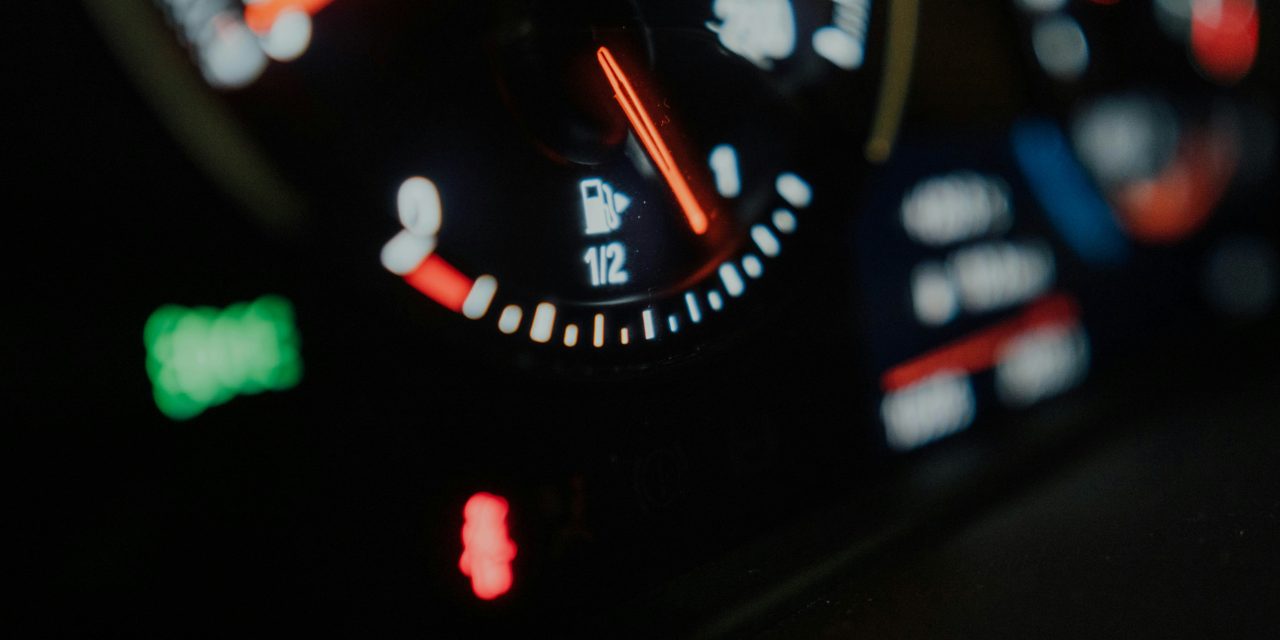
Modern vehicles are equipped with sophisticated diagnostic systems that monitor various components, including the transmission. If there is an issue with the transmission fluid level or quality, warning lights may illuminate on the dashboard. Common indicators include the check engine light or a specific transmission warning light.
These warning lights serve as an early alert system for drivers, signaling that something requires immediate attention. Ignoring these warnings can lead to more severe problems down the line. If you see any warning lights related to your transmission, it is essential to check your fluid levels and consult with a professional mechanic for further diagnosis.
Sign 6: Leaking Transmission Fluid
A visible leak under your vehicle is one of the most apparent signs of low transmission fluid levels. Transmission fluid typically has a reddish hue and a distinct odor that sets it apart from other automotive fluids like engine oil or coolant. If you notice puddles of this colored liquid beneath your vehicle, it indicates that there is a leak somewhere in the system.
Leaks can occur due to worn seals, damaged gaskets, or corrosion within the transmission system. Addressing leaks promptly is crucial; not only do they lead to low fluid levels, but they can also cause significant damage if left unchecked. Regularly inspecting your vehicle for leaks can help you catch issues early and maintain optimal transmission performance.
Sign 7: Burning Smell Inside or Around the Vehicle
A burning smell emanating from your vehicle can be an alarming sign that something is amiss with your transmission system. This odor often indicates that the transmission fluid is overheating due to low levels or degraded quality. When fluid becomes too hot, it can break down and lose its lubricating properties, leading to increased friction and potential damage.
If you detect a burning smell while driving, it is essential to pull over safely and investigate further. Check your transmission fluid levels and inspect for any visible leaks or signs of damage. Ignoring this symptom can lead to severe mechanical failures and costly repairs.
How to Quickly Check Your Transmission Fluid Level
Checking your transmission fluid level is a straightforward process that can be done at home with minimal tools. First, ensure that your vehicle is parked on a level surface and that the engine is running at idle temperature. Locate the transmission dipstick—usually marked with a bright handle—and remove it carefully.
Wipe the dipstick clean with a lint-free cloth before reinserting it fully into its tube. Remove it again and observe the fluid level against the marked indicators on the dipstick. The fluid should be within the designated range; if it appears low or discolored (dark brown or burnt), it may require topping off or replacement.
Tips for Maintaining Proper Transmission Fluid Levels
Maintaining proper transmission fluid levels is essential for ensuring optimal performance and longevity of your vehicle’s transmission system. Here are several tips for effective maintenance:
1. **Regular Inspections**: Check your transmission fluid levels at least once every few months or before long trips.
2. **Fluid Replacement**: Follow your manufacturer’s recommendations for changing transmission fluid based on mileage or time intervals.
3. **Use Quality Fluid**: Always use high-quality transmission fluid that meets your vehicle’s specifications.
4. **Monitor for Leaks**: Regularly inspect under your vehicle for any signs of leaks and address them promptly.
5. **Professional Maintenance**: Consider having your transmission serviced by a qualified mechanic periodically to ensure all components are functioning correctly.
In summary, understanding the role of transmission fluid is crucial for maintaining your vehicle’s performance and longevity. Low fluid levels can lead to various issues such as difficulty shifting gears, slipping transmissions, unusual noises, overheating, warning lights on dashboards, leaks, and burning smells. Regular checks and maintenance are essential for preventing these problems and ensuring optimal operation of your vehicle’s transmission system. By being proactive about monitoring your transmission fluid levels and addressing any concerns promptly, you can avoid costly repairs and keep your vehicle running smoothly for years to come.
FAQs
What are the signs that my transmission fluid is low?
Common signs of low transmission fluid include difficulty shifting gears, slipping gears, unusual noises when the vehicle is in gear, and a warning light on the dashboard. Additionally, you may notice a burning smell or see fluid leaks under the vehicle.
How can I check the transmission fluid level?
To check the transmission fluid level, park your vehicle on a level surface and let the engine run. Locate the transmission dipstick, usually found near the back of the engine bay. Pull out the dipstick, wipe it clean, reinsert it, and then remove it again to check the fluid level against the markings on the dipstick.
What color should transmission fluid be?
Transmission fluid is typically a bright red or pink color when it is new and in good condition. If the fluid appears brown or has a burnt smell, it may indicate that it is old or contaminated and should be replaced.
How often should I check my transmission fluid?
It is recommended to check your transmission fluid at least once every 30,000 miles or as specified in your vehicle’s owner manual. Regular checks can help prevent transmission issues and ensure optimal performance.
Can I add transmission fluid myself?
Yes, you can add transmission fluid yourself if you determine that the fluid is low. Make sure to use the correct type of fluid specified in your vehicle’s owner manual. Use a funnel to avoid spills, and add fluid gradually, checking the level frequently to avoid overfilling.