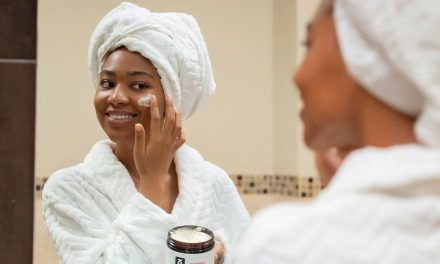
Acne-prone skin is characterized by an overproduction of sebum, clogged pores, and inflammation, leading to the formation of various types of lesions such as comedones, papules, pustules, and cysts. This condition often arises during adolescence due to hormonal fluctuations but can persist into adulthood. Individuals with acne-prone skin may also experience increased sensitivity, redness, and post-inflammatory hyperpigmentation, which can complicate the management of their skin condition.
The skin’s microbiome plays a crucial role in acne development. An imbalance in the skin’s natural flora can lead to an overgrowth of acne-causing bacteria, particularly Propionibacterium acnes. Additionally, genetic predisposition can influence the severity and persistence of acne. Understanding these characteristics is essential for developing an effective skincare regimen tailored to the unique needs of acne-prone individuals.
When creating an effective skincare routine for acne-prone skin, it’s essential to consider not only the products you use but also the overall environment in which you care for your skin. A clutter-free space can significantly enhance your skincare experience, allowing you to focus on your routine without distractions. For tips on how to declutter your home and create a fresh start, check out this related article on decluttering: 10 Items to Toss When Decluttering Your Home for a Fresh Start.
Step 1: Cleansing – Choosing the Right Gentle Cleanser
The first step in any skincare routine for acne-prone skin is cleansing. Selecting a gentle cleanser is paramount to avoid exacerbating irritation or dryness. Look for formulations that are sulfate-free and contain non-comedogenic ingredients. Gel-based cleansers with salicylic acid or benzoyl peroxide can effectively remove excess oil and debris without stripping the skin of its natural moisture barrier.
Cleansing should be performed twice daily—once in the morning and once before bedtime—to maintain optimal skin health. It is essential to use lukewarm water, as hot water can lead to increased oil production and irritation. A gentle touch is crucial; vigorous scrubbing can worsen inflammation and lead to further breakouts.
Step 2: Exfoliating – How and When to Exfoliate Safely

Exfoliation is a vital component of managing acne-prone skin, as it helps remove dead skin cells that can clog pores and contribute to breakouts. However, it is essential to approach exfoliation with caution to avoid damaging the skin barrier. Chemical exfoliants, such as alpha hydroxy acids (AHAs) and beta hydroxy acids (BHAs), are often recommended for acne-prone individuals due to their ability to penetrate pores and dissolve excess sebum.
Exfoliation should be limited to 1-3 times per week, depending on individual tolerance. Over-exfoliating can lead to irritation, redness, and increased sensitivity. It is advisable to start with a lower concentration of exfoliating acids and gradually increase frequency as the skin adjusts. Always follow up with a soothing moisturizer to replenish hydration after exfoliating.
Step 3: Toning – Benefits of Alcohol-Free Toners

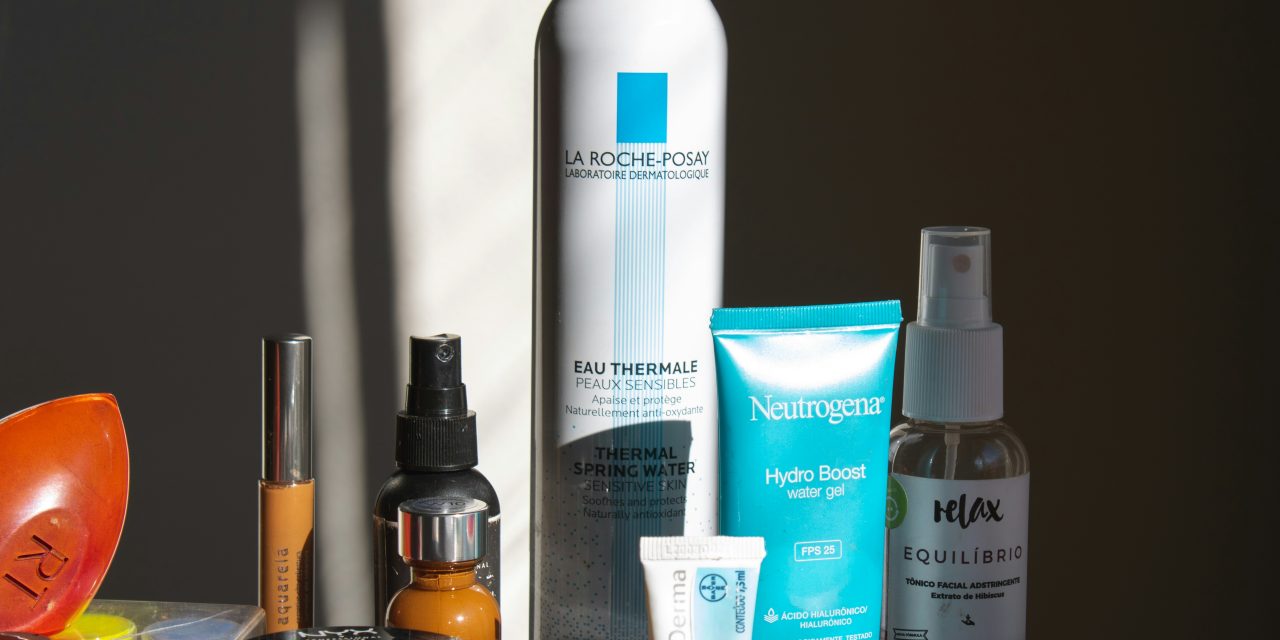
Toners play a significant role in balancing the skin’s pH levels after cleansing and preparing it for subsequent treatments. For those with acne-prone skin, alcohol-free toners are highly recommended, as alcohol can be overly drying and irritating. Instead, opt for toners containing soothing ingredients such as witch hazel, rose water, or tea tree oil, which can help reduce inflammation and tighten pores.
Incorporating a toner into your routine can enhance the overall effectiveness of your skincare regimen by ensuring that any residual impurities are removed from the skin’s surface. Additionally, toners can provide an extra layer of hydration, which is crucial for maintaining a healthy moisture barrier in acne-prone individuals.
When creating a skincare routine for acne-prone skin, it’s essential to understand the importance of using the right products to avoid irritation and breakouts. A helpful resource on this topic can be found in an article that discusses how to choose a safe product for your skincare needs. By following the guidelines provided, you can effectively select items that will complement your routine and promote clearer skin. For more insights, check out this informative piece on choosing safe skincare products.
Step 4: Treating – Incorporating Acne-Fighting Ingredients
The treatment phase is where targeted interventions come into play. Incorporating acne-fighting ingredients into your skincare routine is essential for managing breakouts effectively. Key ingredients include benzoyl peroxide, salicylic acid, retinoids, and niacinamide. Benzoyl peroxide works by killing acne-causing bacteria and reducing inflammation, while salicylic acid helps exfoliate inside the pores.
Retinoids, derived from vitamin A, are particularly effective in promoting cell turnover and preventing clogged pores. They also help fade post-inflammatory hyperpigmentation over time. Niacinamide is another powerful ingredient that can reduce redness and improve skin texture while providing anti-inflammatory benefits. It is crucial to introduce these ingredients gradually to minimize irritation.
Building a skincare routine for acne-prone skin can be challenging, but understanding the right products and techniques can make a significant difference. For those looking to enhance their regimen, it’s beneficial to explore related topics that provide deeper insights. One such article discusses essential tips for maintaining healthy skin, which can complement your acne treatment efforts. You can read more about it in this informative piece on skincare tips that may help you achieve clearer skin.
Step 5: Moisturizing – Selecting Non-Comedogenic Hydrators
Moisturizing is often overlooked by individuals with acne-prone skin due to the misconception that oily skin does not require hydration. However, maintaining adequate moisture levels is essential for overall skin health and preventing excessive oil production. When selecting a moisturizer, look for non-comedogenic formulations that are lightweight and oil-free.
Gel-based moisturizers containing hyaluronic acid or glycerin are excellent options for providing hydration without clogging pores. These ingredients attract moisture to the skin while maintaining a lightweight feel. Regular moisturizing helps support the skin barrier, reducing the likelihood of irritation and breakouts.
Step 6: Sun Protection – Importance of Daily Sunscreen Use
Daily sun protection is crucial for all skin types, especially for those with acne-prone skin who may be using photosensitizing treatments such as retinoids or certain chemical exfoliants. Sun exposure can exacerbate post-inflammatory hyperpigmentation and lead to premature aging. Therefore, incorporating a broad-spectrum sunscreen with an SPF of at least 30 into your daily routine is essential.
Look for sunscreens labeled as non-comedogenic and oil-free to prevent clogging pores. Mineral-based sunscreens containing zinc oxide or titanium dioxide are often well-tolerated by sensitive skin types and provide effective protection against harmful UV rays without causing irritation.
Step 7: Consistency and Patience – Sticking to Your Routine
Achieving clear skin requires consistency and patience. It is essential to adhere to your skincare routine diligently while allowing time for products to take effect. Many active ingredients may take several weeks to show visible results; therefore, it is crucial not to switch products too frequently or expect immediate changes.
Keeping a skincare journal can help track progress and identify any potential triggers for breakouts. If you notice persistent issues despite following your routine diligently, it may be time to reassess your approach or consult a dermatologist for further guidance.
Additional Tips: Avoiding Common Skincare Mistakes
Several common skincare mistakes can hinder progress in managing acne-prone skin. One prevalent error is using harsh scrubs or abrasive tools that can irritate the skin and worsen inflammation. Instead, opt for gentle exfoliation methods as previously discussed.
Another mistake is neglecting to patch-test new products before full application; this step can help prevent adverse reactions. Additionally, avoid touching your face throughout the day, as this can transfer bacteria and oils from your hands onto your skin, leading to breakouts.
Lifestyle Factors: Diet, Stress, and Sleep for Clearer Skin
Lifestyle factors significantly impact skin health and can contribute to acne flare-ups. A diet high in refined sugars and dairy products has been linked to increased acne severity in some individuals. Incorporating a balanced diet rich in antioxidants, omega-3 fatty acids, and vitamins can promote clearer skin.
Stress management techniques such as mindfulness meditation or yoga can also play a role in reducing stress-induced breakouts. Furthermore, prioritizing quality sleep allows the body to repair itself and maintain hormonal balance, which is crucial for managing acne-prone skin effectively.
When to Consult a Dermatologist for Persistent Acne
If over-the-counter treatments fail to yield satisfactory results after several weeks or if acne becomes severe or cystic in nature, it may be time to consult a dermatologist. A healthcare professional can provide personalized recommendations based on individual skin type and concerns.
Dermatologists may prescribe topical retinoids, oral antibiotics, hormonal therapies, or isotretinoin for more severe cases of acne that do not respond to standard treatments. Regular follow-ups will ensure that treatment plans are adjusted as needed for optimal results.
In summary, managing acne-prone skin involves understanding its unique characteristics and implementing a comprehensive skincare routine that includes gentle cleansing, exfoliation, toning, targeted treatments, moisturizing, sun protection, consistency, and lifestyle adjustments. By avoiding common mistakes and seeking professional guidance when necessary, individuals can achieve clearer skin over time through dedication and informed choices.
FAQs
What are the essential steps in a skincare routine for acne-prone skin?
The essential steps in a skincare routine for acne-prone skin typically include cleansing, toning, treating, moisturizing, and applying sunscreen. Start with a gentle cleanser to remove impurities, followed by a toner to balance the skin’s pH. Use targeted treatments containing ingredients like salicylic acid or benzoyl peroxide to address acne. Moisturize with a non-comedogenic product to keep the skin hydrated, and finish with sunscreen during the day to protect against UV damage.
How often should I cleanse my face if I have acne-prone skin?
It is generally recommended to cleanse your face twice a day—once in the morning and once before bed. This helps to remove excess oil, dirt, and makeup that can contribute to breakouts. However, if your skin feels overly dry or irritated, you may need to adjust the frequency or choose a gentler cleanser.
What ingredients should I look for in products for acne-prone skin?
When selecting products for acne-prone skin, look for ingredients such as salicylic acid, benzoyl peroxide, niacinamide, tea tree oil, and alpha hydroxy acids (AHAs). These ingredients can help to unclog pores, reduce inflammation, and promote skin cell turnover, which can be beneficial in managing acne.
Can I use makeup if I have acne-prone skin?
Yes, you can use makeup if you have acne-prone skin, but it’s important to choose non-comedogenic and oil-free products. Look for foundations and concealers that are specifically formulated for acne-prone skin to avoid clogging pores. Additionally, always remove makeup thoroughly at the end of the day to prevent breakouts.
How long does it take to see results from a skincare routine for acne?
Results from a skincare routine for acne can vary depending on the individual and the severity of the acne. Generally, it may take 4 to 6 weeks of consistent use of the right products to start seeing noticeable improvements. However, some individuals may see results sooner, while others may require more time or additional treatments. Patience and consistency are key.