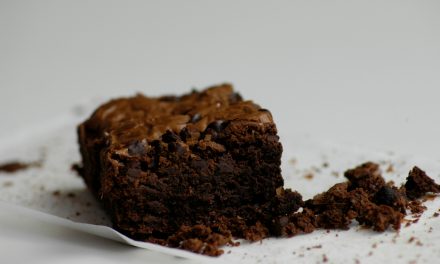
The quest for the perfect thick cookie is a culinary journey that intertwines art and science. At its core, the thickness of a cookie is influenced by various factors, including ingredient composition, temperature, and baking techniques. When cookies are baked, the heat causes the fats to melt, the sugars to caramelize, and the proteins to coagulate. This intricate dance of chemical reactions determines not only the texture but also the overall structure of the cookie. A thick cookie typically has a denser crumb and a chewy bite, which can be achieved through careful manipulation of ingredients and methods.
The science behind thick cookies also involves understanding how different ingredients interact during the baking process. For instance, the ratio of flour to fat plays a crucial role in determining the final thickness. A higher flour content generally leads to a sturdier cookie, while an excess of fat can result in a flatter product. Additionally, the type of sugar used can affect moisture retention and spread. By mastering these elements, bakers can create cookies that are not only visually appealing but also satisfyingly thick and chewy.
If you’re looking to elevate your baking skills, you might find it helpful to explore tips on how to make thick bakery-style chocolate chip cookies. These cookies are known for their chewy texture and rich flavor, making them a favorite among dessert lovers. For more insights on creating the perfect cookie, check out this informative article on top dog boarding boot camps that also includes fun activities to enjoy during your time away, ensuring you have a delightful experience while your cookies bake to perfection.
Choosing the Right Flour for Structure
Selecting the appropriate flour is paramount when aiming for thick cookies. All-purpose flour is commonly used due to its balanced protein content, which provides adequate structure without making the cookie too tough. However, for those seeking an even thicker texture, bread flour can be an excellent alternative. With a higher protein content, bread flour promotes gluten development, resulting in a chewier cookie that holds its shape during baking.
In addition to protein content, the grind of the flour can also influence the final product. A finer grind allows for better absorption of moisture, which can contribute to a denser cookie. Conversely, coarser flours may lead to a more rustic texture. Experimenting with different types of flour or even blending them can yield unique results, allowing bakers to customize their cookies to achieve the desired thickness and chewiness.
Using Cold Butter to Control Spread

The temperature of butter plays a significant role in cookie baking, particularly when it comes to controlling spread. Using cold butter instead of softened or melted butter can help maintain the integrity of the cookie’s shape during baking. Cold butter takes longer to melt in the oven, allowing the cookie to rise before it spreads out. This results in a thicker cookie with a desirable chewy texture.
To incorporate cold butter effectively, it is advisable to cut it into small cubes and mix it with dry ingredients before adding any wet components. This method ensures that the butter remains cold throughout the mixing process, ultimately contributing to a thicker final product. Additionally, using techniques such as creaming cold butter with sugar can create air pockets that further enhance the cookie’s structure.
Incorporating Extra Egg Yolks for Moisture and Density

Eggs are essential in cookie recipes for binding ingredients and adding moisture. However, incorporating extra egg yolks can elevate the thickness and richness of cookies significantly. Egg yolks contain fat and emulsifiers that contribute to a tender crumb while also enhancing moisture retention. This results in cookies that are not only thicker but also have a luxurious mouthfeel.
When adding extra yolks, it is crucial to adjust other liquid ingredients accordingly to maintain balance in the dough. For instance, if two yolks are added, consider reducing other liquid components slightly to prevent an overly wet dough. This careful adjustment ensures that the cookies maintain their desired thickness while benefiting from the added richness provided by the yolks.
If you’re looking to elevate your baking skills, you might want to explore a related article that provides insights on achieving the perfect texture in your baked goods. For instance, understanding the science behind how to make thick bakery style chocolate chip cookies can be enhanced by learning about the right techniques and ingredients. You can find more information on this topic in this helpful guide on how to tell when steak is done, which, while focused on cooking, shares valuable tips on timing and precision that can also apply to baking.
Chilling the Dough Before Baking
Chilling cookie dough is a technique that cannot be overlooked when striving for thick cookies. Refrigerating dough allows the fats to solidify, which helps control spread during baking. When cold dough is placed in a hot oven, it takes longer for the fats to melt, resulting in a thicker cookie that retains its shape.
A chilling period of at least 30 minutes is recommended; however, longer refrigeration times can yield even better results. Some bakers prefer to chill their dough overnight, allowing flavors to meld and develop further. This not only enhances taste but also contributes to a more complex texture in the final product.
If you’re looking to elevate your baking skills, you might find it helpful to explore a related article that offers tips on creating delicious thick bakery style chocolate chip cookies. These cookies are known for their soft centers and chewy edges, making them a favorite among cookie lovers. For more baking inspiration, check out this article that provides a variety of recipes that can complement your sweet treats perfectly.
Adjusting Sugar Ratios for Chewy Texture
Sugar plays a pivotal role in determining both flavor and texture in cookies. The type and ratio of sugar used can significantly influence chewiness and thickness. Granulated sugar promotes spread due to its ability to dissolve quickly in dough, while brown sugar contains molasses that adds moisture and chewiness.
To achieve a thicker cookie with a chewy texture, consider increasing the proportion of brown sugar relative to granulated sugar. This adjustment not only enhances flavor but also contributes to moisture retention during baking. Additionally, using coarse sugars as toppings can create delightful textural contrasts on the surface of thick cookies.
Adding Leavening Agents Strategically
Leavening agents such as baking soda and baking powder are essential for achieving lift in baked goods. However, their strategic use is crucial when aiming for thick cookies. Baking soda promotes spread due to its alkaline nature, while baking powder provides lift without excessive spread.
For thick cookies, it is advisable to use baking powder or a combination of both leavening agents in moderation. This balance allows for adequate rise while maintaining thickness. Additionally, incorporating acidic ingredients like yogurt or buttermilk can enhance leavening effects while contributing moisture and flavor.
Measuring Ingredients Accurately
Precision in measuring ingredients cannot be overstated when it comes to baking thick cookies. Even slight variations in ingredient quantities can lead to significant differences in texture and thickness. Utilizing kitchen scales for dry ingredients ensures accuracy and consistency across batches.
When measuring flour, it is essential to avoid packing it into measuring cups, as this can lead to excess flour and result in dry cookies. Instead, spoon flour into measuring cups and level off with a straight edge for optimal accuracy. Similarly, liquid ingredients should be measured using clear liquid measuring cups for precise quantities.
Selecting High-Quality Chocolate Chips
The choice of chocolate chips can elevate thick cookies from ordinary to extraordinary. High-quality chocolate chips not only enhance flavor but also contribute to texture and visual appeal. Opting for semi-sweet or dark chocolate chips can provide a rich contrast against the sweetness of the cookie dough.
Additionally, consider using larger chocolate chunks instead of standard chips for added texture and indulgence. The melting chocolate creates pockets of gooeyness within each bite, enhancing both flavor and mouthfeel. Investing in premium chocolate will undoubtedly pay off in terms of taste and overall satisfaction.
Baking at the Optimal Temperature and Time
Baking temperature and time are critical factors that influence cookie thickness and texture. A higher baking temperature can lead to quicker spread and browning, while lower temperatures may result in undercooked centers. For thick cookies, preheating the oven to around 350°F (175°C) is generally recommended.
Baking times will vary depending on cookie size and thickness; however, keeping an eye on visual cues such as edges turning golden brown while centers remain slightly soft is essential. Removing cookies from the oven at this stage allows them to continue cooking on the baking sheet due to residual heat, ensuring they maintain their desired thickness.
Cooling Cookies Properly to Maintain Thickness
Proper cooling techniques are vital for preserving the thickness of freshly baked cookies. Allowing cookies to cool on the baking sheet for several minutes before transferring them to wire racks helps them set without losing their shape. This resting period allows residual heat to finish cooking the centers while preventing excessive spreading.
Once transferred to wire racks, cookies should be cooled completely before storing or serving. This ensures that they maintain their structural integrity and chewy texture over time. Storing cookies in airtight containers will help retain moisture and prevent them from becoming dry or hard.
In summary, achieving thick cookies requires an understanding of various scientific principles related to ingredient selection and baking techniques. By choosing appropriate flours, controlling butter temperature, adjusting sugar ratios, incorporating extra egg yolks, chilling dough, measuring accurately, selecting quality chocolate chips, and employing optimal baking practices, bakers can create deliciously thick cookies that are sure to impress.
FAQ Section:
1. **What type of flour is best for thick cookies?**
– All-purpose flour is commonly used; however, bread flour can provide additional chewiness due to its higher protein content.
2. **Why should I use cold butter?**
– Cold butter helps control spread during baking by melting more slowly than softened butter.
3. **How do extra egg yolks affect cookie texture?**
– Extra yolks add richness and moisture, resulting in thicker cookies with a tender crumb.
4. **Is chilling dough necessary?**
– Yes! Chilling dough helps solidify fats and control spread for thicker cookies.
5. **How do I adjust sugar ratios?**
– Increase brown sugar relative to granulated sugar for added moisture and chewiness.
6. **What leavening agents should I use?**
– A combination of baking powder or baking soda can be used strategically for lift without excessive spread.
7. **How important is accurate measuring?**
– Extremely important! Accurate measurements ensure consistent results in texture and thickness.
8. **What type of chocolate chips should I use?**
– High-quality semi-sweet or dark chocolate chips enhance flavor; larger chunks add texture.
9. **What temperature should I bake at?**
– A temperature around 350°F (175°C) is ideal for thick cookies.
10. **How should I cool my cookies?**
– Cool on baking sheets briefly before transferring to wire racks; this helps maintain thickness.
In conclusion, mastering thick cookies involves understanding various scientific principles related to ingredient selection and baking techniques. By implementing these strategies—such as choosing appropriate flours, controlling butter temperature, adjusting sugar ratios, incorporating extra egg yolks, chilling dough effectively, measuring accurately, selecting quality chocolate chips, and employing optimal baking practices—bakers can create deliciously thick cookies that are sure to impress family and friends alike.
FAQs
What ingredients are essential for thick bakery style chocolate chip cookies?
To make thick bakery style chocolate chip cookies, you will need all-purpose flour, unsalted butter, brown sugar, granulated sugar, eggs, vanilla extract, baking soda, salt, and chocolate chips. The combination of brown sugar and butter contributes to the chewy texture, while the right flour-to-fat ratio helps achieve thickness.
How does chilling the dough affect the cookies?
Chilling the dough is crucial for thick cookies as it allows the fats to solidify, which prevents the cookies from spreading too much during baking. This results in a thicker, chewier cookie with a better texture. It’s recommended to chill the dough for at least 30 minutes, but longer chilling times can enhance the flavor.
What baking temperature is best for thick chocolate chip cookies?
The ideal baking temperature for thick chocolate chip cookies is typically around 350°F (175°C). This temperature allows the cookies to bake evenly, ensuring that the edges become golden brown while the centers remain soft and chewy.
Can I use different types of chocolate in the cookies?
Yes, you can use different types of chocolate in your thick bakery style chocolate chip cookies. Semi-sweet chocolate chips are traditional, but you can also experiment with milk chocolate, dark chocolate, or even white chocolate chips. Mixing different types can add depth to the flavor and enhance the overall cookie experience.
How can I ensure my cookies stay soft and chewy after baking?
To keep your cookies soft and chewy after baking, avoid overbaking them. Remove the cookies from the oven when the edges are set but the centers still look slightly underbaked. Additionally, storing them in an airtight container at room temperature will help maintain their moisture and softness.