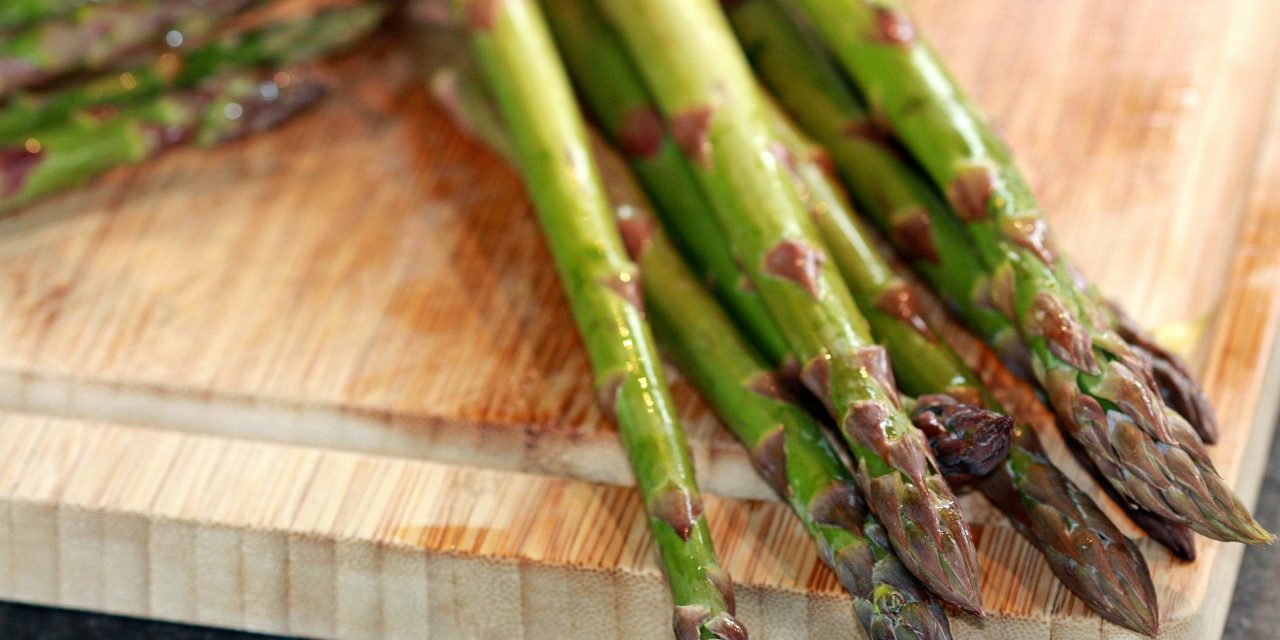
Cooking frozen asparagus presents unique challenges that can significantly affect the final dish’s texture and flavor. Asparagus, a delicate vegetable, is known for its crispness and vibrant green color when fresh. However, freezing alters its cellular structure, leading to potential mushiness if not handled correctly. The primary concern lies in the water content of asparagus; when frozen, ice crystals form within the vegetable’s cells. Upon thawing, these crystals can rupture cell walls, resulting in a soggy texture that detracts from the overall culinary experience.
Moreover, the nutritional profile of asparagus can be compromised during the freezing process. While freezing preserves many vitamins and minerals, certain water-soluble nutrients may diminish. Understanding these challenges is crucial for anyone looking to prepare frozen asparagus successfully. By employing proper techniques and methods, one can mitigate these issues and enjoy a delicious dish that retains the essence of fresh asparagus.
If you’re looking for tips on how to cook frozen asparagus without ending up with a mushy texture, you might find it helpful to explore related cooking techniques. For instance, understanding how to prepare vegetables in a slow cooker can enhance your overall culinary skills. A great resource for this is an article on making an easy crockpot beef stew with tender vegetables, which you can read by following this link: easy crockpot beef stew with tender vegetables. This article provides insights into cooking methods that preserve the integrity of vegetables, which can be applied to asparagus as well.
Choosing the Right Frozen Asparagus for Best Texture
Selecting high-quality frozen asparagus is paramount for achieving optimal texture and flavor in your dishes. When browsing the frozen aisle, look for brands that offer asparagus spears that are bright green and free from any signs of freezer burn or discoloration. The size of the spears can also impact the cooking outcome; thinner spears tend to cook more evenly and retain a firmer texture compared to thicker ones, which may require longer cooking times.
Additionally, consider the packaging date and storage conditions. Asparagus that has been flash-frozen shortly after harvest retains more nutrients and flavor than those that have been stored for extended periods. Reading labels can provide insight into the freezing process used by manufacturers. Ideally, choose products labeled as “flash-frozen,” as this method preserves the vegetable’s cellular integrity better than traditional freezing methods.
Proper Thawing Techniques to Prevent Mushiness

Thawing frozen asparagus correctly is essential to maintaining its texture. The most effective method involves transferring the asparagus from the freezer to the refrigerator and allowing it to thaw slowly overnight. This gradual thawing process minimizes cell wall rupture and helps retain firmness. If time is of the essence, a quick thaw can be achieved by placing the asparagus in a colander under cold running water for approximately 10-15 minutes.
Avoid using hot water or microwaving frozen asparagus to thaw it, as these methods can lead to uneven thawing and promote mushiness. Once thawed, pat the asparagus dry with paper towels to remove excess moisture before cooking. This step is crucial, as excess water can lead to steaming rather than sautéing or roasting, further compromising texture.
Blanching Frozen Asparagus Before Cooking

Blanching is a technique that involves briefly boiling vegetables before plunging them into ice water to halt the cooking process. This method is particularly beneficial for frozen asparagus, as it helps preserve color, flavor, and texture. To blanch frozen asparagus, bring a pot of salted water to a rolling boil and add the spears for about 2-3 minutes. The goal is to soften them slightly without fully cooking them.
After blanching, immediately transfer the asparagus to an ice bath for several minutes to stop the cooking process. This technique not only enhances the vegetable’s vibrant green color but also helps maintain its crispness during subsequent cooking methods. Blanching can also reduce cooking time when using high-heat methods like roasting or sautéing.
If you’re looking to cook frozen asparagus without ending up with a mushy texture, it’s essential to use the right techniques. Steaming or sautéing can help retain the vegetable’s crispness and vibrant color. For more tips on maintaining the quality of your food during extreme conditions, you might find this article on how to prepare your home for extreme heat particularly useful, as it discusses the importance of proper food storage and preparation methods.
Using High-Heat Methods: Roasting and Sautéing Tips
High-heat cooking methods such as roasting and sautéing are ideal for bringing out the natural flavors of asparagus while ensuring a desirable texture. When roasting, preheat your oven to 425°F (220°C) and spread the blanched asparagus on a baking sheet in a single layer. Drizzle with olive oil and season with salt and pepper before roasting for 15-20 minutes until tender and slightly caramelized.
Sautéing is another excellent option that allows for quick cooking while retaining crispness. Heat a skillet over medium-high heat and add a tablespoon of oil. Once hot, add the blanched asparagus and sauté for 5-7 minutes until they are bright green and tender-crisp. For added flavor, consider incorporating garlic or shallots during the last minute of cooking.
If you’re looking to enhance your cooking skills, especially when it comes to vegetables, you might find it helpful to read about how to cook frozen asparagus without getting mushy. This technique can elevate your dishes and ensure that your asparagus retains its vibrant color and crisp texture. For more tips on preparing vegetables perfectly, check out this informative article on cooking techniques that can help you achieve the best results in your kitchen.
Avoiding Overcooking: Timing Is Key
Timing is critical when cooking frozen asparagus to avoid overcooking, which can lead to a mushy texture. The key is to monitor the cooking process closely and test for doneness frequently. For both roasting and sautéing, aim for a tender-crisp texture where the asparagus is cooked through but still retains some bite.
As a general guideline, thin spears will require less time than thicker ones; thus, adjust your cooking time accordingly. For instance, thin spears may only need 10-15 minutes in the oven or 4-6 minutes in a skillet, while thicker spears may take longer. Using a fork or knife to test doneness can help ensure you achieve the perfect texture without overcooking.
Incorporating Acidic Ingredients to Enhance Firmness
Incorporating acidic ingredients into your dish can enhance the firmness of cooked asparagus while adding depth of flavor. Ingredients such as lemon juice, vinegar, or even yogurt can help maintain crispness by interacting with the vegetable’s cellular structure during cooking. For instance, a squeeze of fresh lemon juice added just before serving can brighten flavors while preserving texture.
When preparing sauces or dressings for asparagus dishes, consider using balsamic vinegar or apple cider vinegar as they not only provide acidity but also complement the natural sweetness of asparagus. Marinating blanched asparagus in an acidic dressing for a short period before cooking can also enhance its firmness and flavor profile.
Seasoning Strategies to Complement Texture
Seasoning plays a vital role in elevating the overall taste of asparagus dishes while complementing their texture. A simple combination of salt and pepper can enhance natural flavors; however, experimenting with herbs and spices can take your dish to new heights. Fresh herbs such as thyme, rosemary, or parsley can add aromatic qualities that pair beautifully with roasted or sautéed asparagus.
For those seeking a bolder flavor profile, consider incorporating spices like smoked paprika or chili flakes for a hint of heat. Additionally, finishing your dish with grated Parmesan cheese or toasted nuts can provide contrasting textures that enhance the overall eating experience.
Using a Steamer to Retain Crispness
Steaming is an excellent method for cooking frozen asparagus while preserving its crispness and vibrant color. By using a steamer basket over boiling water, you can cook asparagus quickly without submerging it in water, which helps retain nutrients and prevents mushiness. Steam blanched asparagus for about 4-6 minutes until tender yet firm.
This method allows you to control cooking time precisely while ensuring that the asparagus remains bright green and retains its natural crunch. For added flavor, consider infusing the steaming water with herbs or citrus peels to impart subtle notes during cooking.
Understanding the difference between quick freezing and flash freezing is essential when selecting frozen asparagus products. Quick freezing refers to standard freezing methods that may take several hours or longer to freeze food items completely. This process can lead to larger ice crystals forming within the vegetable’s cells, resulting in compromised texture upon thawing.
In contrast, flash freezing involves rapidly lowering temperatures using specialized equipment that freezes food almost instantly at extremely low temperatures (-40°F/-40°C). This method minimizes ice crystal formation and preserves cellular integrity better than traditional quick freezing techniques. When purchasing frozen asparagus, look for products labeled as flash-frozen to ensure optimal quality.
Storing Cooked Asparagus to Maintain Desired Texture
Proper storage of cooked asparagus is crucial for maintaining its desired texture over time. After cooking, allow the asparagus to cool completely before transferring it to an airtight container. Store it in the refrigerator if you plan to consume it within a few days; otherwise, consider freezing it for longer-term storage.
When reheating cooked asparagus, avoid using high heat as this can lead to further softening of the vegetable’s structure. Instead, gently warm it in a skillet over low heat or steam it briefly until heated through. This approach helps preserve its original texture while ensuring it remains enjoyable when served later.
In summary, mastering the art of cooking frozen asparagus requires understanding its unique challenges and employing effective techniques throughout preparation and cooking processes. From selecting high-quality products to utilizing proper thawing methods and high-heat cooking techniques, each step contributes significantly to achieving optimal results. By incorporating acidic ingredients and seasoning thoughtfully while avoiding overcooking, you can create delicious dishes that highlight this versatile vegetable’s natural flavors and textures.
FAQ Section:
1. **Can I cook frozen asparagus without thawing it first?**
Yes, you can cook frozen asparagus directly from frozen; however, be mindful that it may require slightly longer cooking times compared to thawed asparagus.
2. **What are some common mistakes when cooking frozen asparagus?**
Common mistakes include not properly thawing before cooking, overcooking leading to mushiness, and failing to season adequately.
3. **How long does cooked asparagus last in the refrigerator?**
Cooked asparagus typically lasts 3-5 days in an airtight container in the refrigerator.
4. **Can I freeze cooked asparagus?**
Yes, cooked asparagus can be frozen; however, it may lose some texture upon reheating.
5. **What are some good pairings for asparagus dishes?**
Asparagus pairs well with proteins like chicken or fish, grains such as quinoa or rice, and complementary flavors like lemon or garlic.
6. **Is there a nutritional difference between fresh and frozen asparagus?**
While both forms offer health benefits, fresh asparagus may contain slightly higher levels of certain vitamins due to reduced storage time compared to frozen varieties.
7. **What are some creative ways to serve cooked asparagus?**
Consider serving cooked asparagus in salads, pasta dishes, or as a side with dips like hummus or tzatziki.
8. **How do I know when my asparagus is done cooking?**
Test for doneness by piercing with a fork; it should be tender yet firm without being mushy.
9. **Can I use frozen asparagus in soups?**
Absolutely! Frozen asparagus works well in soups; just be sure to adjust cooking times accordingly.
10. **What are some health benefits of eating asparagus?**
Asparagus is rich in vitamins A, C, E, K, folate, fiber, and antioxidants which contribute positively to overall health.
In conclusion, mastering techniques for preparing frozen asparagus allows you to enjoy this nutritious vegetable year-round while maintaining its delightful texture and flavor profile through careful selection and cooking methods.
FAQs
Can I cook frozen asparagus directly without thawing it first?
Yes, you can cook frozen asparagus directly without thawing it. Cooking it from frozen helps to retain its texture and prevents it from becoming mushy. Just be sure to adjust the cooking time accordingly, as frozen asparagus may take a few extra minutes to cook compared to fresh asparagus.
What cooking methods are best for frozen asparagus to avoid mushiness?
The best cooking methods for frozen asparagus to avoid mushiness include roasting, grilling, or sautéing. These methods allow for quick cooking at high temperatures, which helps to maintain the asparagus’s crispness. Steaming is also an option, but be cautious with the timing to prevent overcooking.
How long should I cook frozen asparagus to ensure it stays crisp?
Cooking times for frozen asparagus vary depending on the method used. For roasting or grilling, cook for about 15-20 minutes at 425°F (220°C). If sautéing, aim for 5-7 minutes over medium-high heat. Always check for doneness and adjust the time as needed to keep the asparagus crisp.
Should I add any seasoning or oil before cooking frozen asparagus?
Yes, adding seasoning and oil before cooking can enhance the flavor of frozen asparagus. Toss the asparagus with olive oil, salt, pepper, and any other desired seasonings before cooking. This not only adds flavor but also helps to create a nice texture when roasted or grilled.
Is it necessary to cut frozen asparagus before cooking?
It is not necessary to cut frozen asparagus before cooking, as it can be cooked whole. However, if you prefer smaller pieces for even cooking or easier eating, you can cut them into bite-sized pieces. Just keep in mind that smaller pieces may cook faster, so adjust the cooking time accordingly.