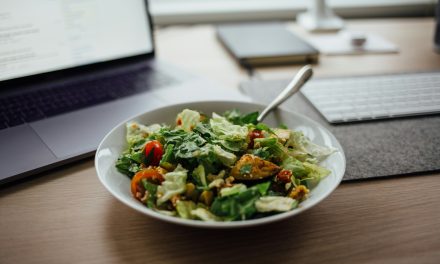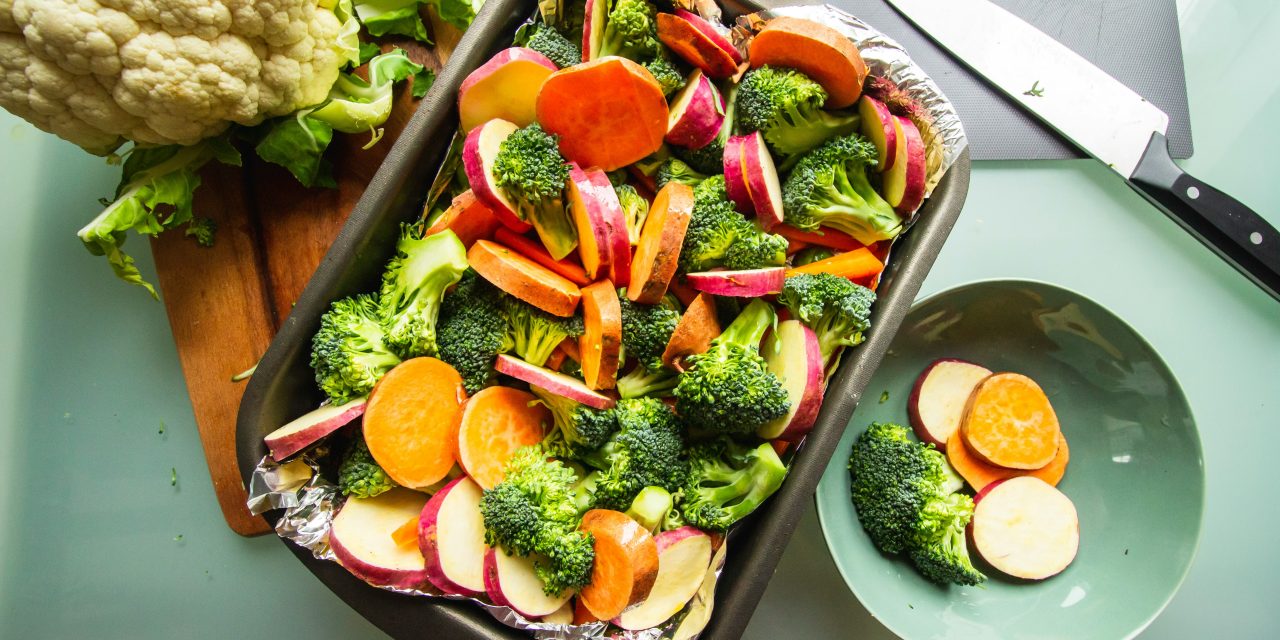
Selecting the appropriate vegetables is paramount when preparing a stir fry. The choice of vegetables not only influences the dish’s flavor profile but also its nutritional value. Leafy greens such as bok choy and spinach provide essential vitamins A and C, while cruciferous vegetables like broccoli and cauliflower are rich in fiber and antioxidants. Root vegetables, including carrots and bell peppers, contribute a natural sweetness and vibrant color, enhancing the visual appeal of the dish.
Moreover, understanding the cooking characteristics of various vegetables is crucial. Some vegetables, such as asparagus and snap peas, cook quickly and retain their crispness, while others, like eggplant and zucchini, may require longer cooking times to achieve tenderness. By selecting a diverse array of vegetables, one can create a harmonious balance of textures and flavors that elevate the overall dining experience.
If you’re looking to enhance your meal prep skills, especially when it comes to stir fry, it’s essential to avoid soggy vegetables for the best texture and flavor. A great resource that complements this topic is an article that discusses various cooking techniques and tips. You can check it out here: 10 Essential Tips for Aftercare of Your Neutered Cat. While it may seem unrelated at first glance, the principles of proper care and attention to detail in both cooking and pet care can lead to better outcomes in your culinary adventures.
Prep Vegetables Uniformly to Ensure Even Cooking
Uniform preparation of vegetables is essential for achieving consistent cooking results in stir frying. When vegetables are cut into similar sizes, they cook at the same rate, preventing some pieces from becoming overcooked while others remain underdone. For instance, slicing bell peppers into thin strips ensures they soften quickly, while larger chunks of carrots may require additional time to become tender.
To achieve uniformity, it is advisable to use a sharp knife and a cutting board designed for food preparation. Techniques such as julienne, dice, or chiffonade can be employed depending on the desired outcome. Additionally, pre-prepping vegetables allows for a more organized cooking process, enabling the chef to focus on timing and technique during the actual stir frying.
Use High Heat to Quickly Sear Ingredients

High heat is a fundamental principle in stir frying that facilitates rapid cooking while preserving the integrity of the ingredients. The intense heat creates a Maillard reaction, which enhances flavor through browning and caramelization. This technique not only intensifies the taste but also contributes to a visually appealing dish with a slight char on the vegetables.
To achieve high heat, it is essential to preheat the wok or pan adequately before adding oil. Oils with high smoke points, such as canola or peanut oil, are ideal for stir frying as they can withstand elevated temperatures without burning. Once the oil shimmers, it indicates that it is ready for the addition of ingredients, allowing for quick searing that locks in moisture and flavor.
Avoid Overcrowding the Pan for Proper Stir Frying

Overcrowding the pan is a common mistake that can lead to steaming rather than stir frying. When too many ingredients are added at once, they release moisture, creating a watery environment that hinders proper browning and texture. To achieve optimal results, it is crucial to cook in smaller batches, allowing each ingredient to have sufficient contact with the hot surface of the pan.
By avoiding overcrowding, one can maintain the desired crispness of vegetables while ensuring even cooking. If preparing a large quantity of stir fry, consider dividing the ingredients into manageable portions and cooking them sequentially. This method not only enhances flavor but also contributes to an aesthetically pleasing presentation.
If you’re looking to enhance your meal prep skills, especially when it comes to stir fry, it’s essential to avoid soggy vegetables that can ruin your dish. One effective method is to blanch your vegetables briefly before stir frying, which helps retain their crispness and vibrant colors. For more tips on maintaining the quality of your cooking tools while preparing meals, you might find this article on how to clean a burnt stainless steel pan quite useful. Check it out here for some great cleaning techniques that will keep your kitchenware in top shape.
Cook Vegetables in Batches to Maintain Texture
Cooking vegetables in batches is an effective strategy for preserving their individual textures and flavors. Different vegetables have varying cooking times; therefore, it is beneficial to group them according to their required cooking duration. For example, denser vegetables like carrots and broccoli should be cooked first, followed by quicker-cooking options such as bell peppers and snap peas.
This method allows each vegetable to reach its optimal doneness without compromising texture. Additionally, cooking in batches enables better control over seasoning and flavor development. By adding ingredients sequentially based on their cooking times, one can create a well-balanced stir fry that showcases the unique characteristics of each vegetable.
Incorporate Quick-Cooking Veggies Last
Incorporating quick-cooking vegetables towards the end of the stir frying process is essential for maintaining their vibrant color and crisp texture. Vegetables such as spinach, bean sprouts, and green onions require minimal cooking time; thus, adding them last ensures they retain their freshness and nutritional value.
This technique not only enhances the visual appeal of the dish but also preserves essential vitamins and minerals that may be lost during prolonged cooking. By timing the addition of quick-cooking veggies appropriately, one can create a harmonious blend of flavors and textures that elevate the overall quality of the stir fry.
Drain Excess Moisture Before Cooking
Excess moisture can significantly impact the quality of a stir fry by causing ingredients to steam rather than sear. To prevent this issue, it is crucial to drain any excess moisture from washed or prepped vegetables before adding them to the pan. This step is particularly important for leafy greens or frozen vegetables that may contain residual water.
Using techniques such as patting vegetables dry with paper towels or allowing them to air dry can effectively reduce moisture content. Additionally, if using frozen vegetables, it is advisable to thaw them completely and drain any excess liquid before incorporating them into the stir fry. This practice ensures that each ingredient achieves optimal browning and flavor development during cooking.
Use a Wok or Non-Stick Pan for Optimal Results
The choice of cookware plays a significant role in achieving successful stir fry results. A wok is traditionally favored for its unique shape and ability to distribute heat evenly across its surface. The high sides allow for easy tossing and stirring of ingredients while minimizing spillage. Alternatively, a non-stick pan can also be effective for those who prefer easier cleanup and reduced oil usage.
Regardless of the cookware chosen, it is essential to ensure that it is preheated adequately before adding oil and ingredients. This practice promotes even cooking and prevents sticking, allowing for a seamless stir frying experience. Investing in quality cookware tailored for high-heat cooking can greatly enhance the overall outcome of stir fry dishes.
Add Sauces Sparingly to Prevent Sogginess
While sauces are integral to flavoring stir fry dishes, it is crucial to use them sparingly to avoid sogginess. Excessive sauce can overwhelm the dish, leading to a watery consistency that detracts from the intended texture and flavor balance. Instead of drowning ingredients in sauce, consider adding small amounts gradually throughout the cooking process.
This approach allows for better control over flavor intensity while ensuring that each ingredient retains its distinct characteristics. Additionally, using thicker sauces or reducing liquid components before adding them can help achieve a more concentrated flavor without compromising texture.
Store Stir Fry Components Separately When Meal Prepping
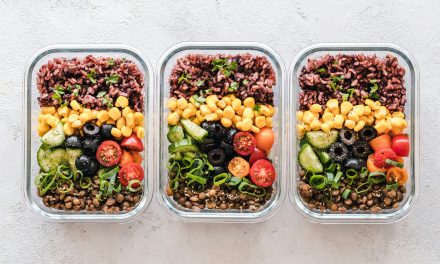
When meal prepping stir fry components, it is advisable to store ingredients separately to maintain freshness and quality. Vegetables can lose their crispness when stored together due to moisture transfer; therefore, keeping them in airtight containers or bags can help preserve their texture.
Additionally, storing sauces separately prevents them from saturating the vegetables before cooking. This practice allows for greater flexibility when assembling meals throughout the week while ensuring that each component retains its intended flavor and texture when reheated.
Reheat Stir Fry Properly to Retain Crispness
Reheating stir fry requires careful attention to maintain its original crispness and flavor profile. The best method involves using a skillet or wok over medium-high heat rather than a microwave, which can lead to sogginess due to steam buildup. Adding a small amount of oil during reheating can help revive the dish’s texture while enhancing flavor.
Tossing the ingredients frequently during reheating ensures even warming without compromising their integrity. If reheating in batches, consider adding quick-cooking vegetables last to preserve their freshness and crunchiness.
In summary, mastering the art of stir frying involves understanding vegetable selection, preparation techniques, cooking methods, and proper storage practices. By following these guidelines—such as choosing appropriate vegetables, prepping uniformly, utilizing high heat, avoiding overcrowding, cooking in batches, timing ingredient additions wisely, draining excess moisture, using suitable cookware, applying sauces judiciously, storing components separately for meal prep, and reheating correctly—one can create delicious stir fry dishes that are both flavorful and visually appealing.
FAQs
What is the best way to prepare vegetables for stir fry to avoid sogginess?
To avoid soggy vegetables in stir fry, it’s essential to cut them into uniform sizes to ensure even cooking. Additionally, blanching vegetables briefly in boiling water before stir frying can help maintain their crispness. Make sure to dry them thoroughly after blanching to remove excess moisture.
How can I store prepped vegetables for stir fry without losing their texture?
Store prepped vegetables in airtight containers in the refrigerator. To maintain their texture, consider using paper towels to absorb moisture inside the container. It’s also best to keep different types of vegetables separate until you’re ready to cook them.
What cooking techniques can help prevent vegetables from becoming soggy during stir frying?
Using high heat is crucial for stir frying, as it cooks vegetables quickly and helps retain their crispness. Additionally, avoid overcrowding the pan, as this can trap steam and lead to sogginess. Stir fry in batches if necessary to ensure even cooking.
Are there specific vegetables that are better suited for meal prep stir fry?
Yes, vegetables like bell peppers, broccoli, snap peas, and carrots are excellent choices for meal prep stir fry as they hold up well during cooking and maintain their texture. Avoid watery vegetables like zucchini or mushrooms, which can release moisture and become soggy.
How can I enhance the flavor of meal prep stir fry without compromising the texture of the vegetables?
To enhance flavor without compromising texture, consider marinating proteins separately and adding them to the stir fry at the end of cooking. Use sauces sparingly and add them towards the end to prevent vegetables from becoming soggy. Fresh herbs and spices can also be added just before serving for an extra flavor boost.