Ingrown hairs, medically referred to as pseudofolliculitis barbae, occur when hair follicles become obstructed, causing hair to grow back into the skin rather than outward. This condition is prevalent among individuals with curly or coarse hair, as the hair tends to bend back into the skin after shaving or waxing. The result can be painful, leading to inflammation, redness, and sometimes infection. Factors contributing to ingrown hairs include improper shaving techniques, lack of exfoliation, and wearing tight clothing that irritates the skin.
Preventing ingrown hairs requires a multifaceted approach. First and foremost, individuals should adopt proper shaving techniques and maintain skin health through regular exfoliation. Additionally, wearing loose-fitting clothing can minimize friction against the skin, reducing the likelihood of hair becoming trapped. Utilizing products specifically designed to prevent ingrown hairs can also be beneficial. These products often contain salicylic acid or glycolic acid, which help to keep hair follicles clear and promote healthy skin turnover.
If you’re looking to achieve a smooth shave without the hassle of ingrown hairs, it’s essential to follow proper techniques and aftercare. For additional tips on achieving perfection in your culinary endeavors, you might find this article on how to reverse sear a steak for an evenly cooked center particularly interesting. You can read it here: how to reverse sear a steak for an evenly cooked center.
Preparing Your Skin Before Shaving
Preparation is crucial for achieving a smooth shave and minimizing the risk of ingrown hairs. Begin by cleansing the skin thoroughly with a gentle cleanser to remove dirt, oil, and dead skin cells. This step not only helps to prevent infection but also allows for a closer shave by ensuring that the razor glides smoothly over the skin’s surface. Following cleansing, it is advisable to apply a warm compress or take a warm shower to soften the hair follicles and open up the pores.
Once the skin is adequately prepared, consider applying a pre-shave oil or lotion. These products create a protective barrier between the skin and the razor, reducing friction and irritation during shaving. Ingredients such as jojoba oil or vitamin E can provide additional hydration and nourishment to the skin, further enhancing the shaving experience. Proper preparation sets the foundation for a successful shave while significantly reducing the chances of developing ingrown hairs.
Choosing the Right Razor for a Smooth Shave

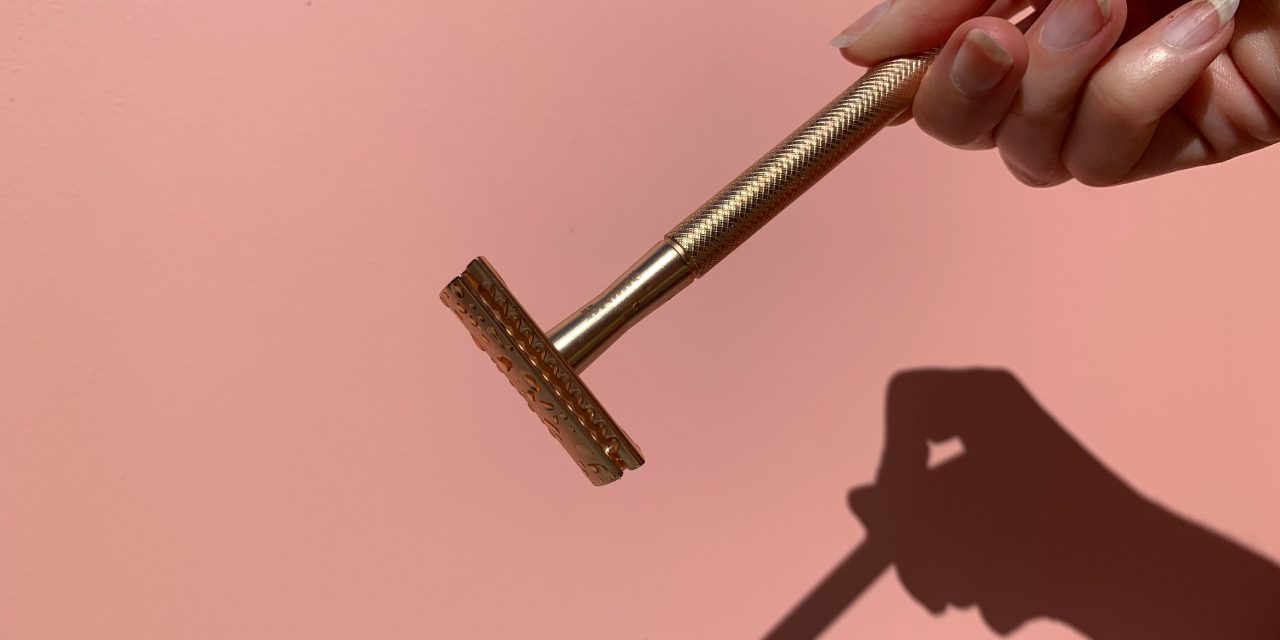
Selecting an appropriate razor is paramount in achieving a smooth shave while minimizing skin irritation. There are various types of razors available, including disposable razors, safety razors, and electric shavers. Disposable razors are convenient but may not provide the closest shave due to their single-blade design. Safety razors, on the other hand, offer a more precise shave with less irritation, as they typically feature multiple blades that work in tandem to cut hair cleanly.
When choosing a razor, consider factors such as blade sharpness and design. A dull blade can tug at hair rather than cutting it cleanly, leading to increased irritation and a higher likelihood of ingrown hairs. Additionally, razors with pivoting heads can adapt to the contours of the face or body, ensuring an even shave across all areas. Investing in a high-quality razor tailored to your specific hair type can significantly enhance your shaving experience and reduce complications.
Exfoliating Regularly to Prevent Ingrown Hairs

Regular exfoliation is essential for maintaining healthy skin and preventing ingrown hairs. Exfoliating removes dead skin cells that can clog hair follicles, allowing hair to grow freely without obstruction. There are two primary methods of exfoliation: physical and chemical. Physical exfoliation involves using scrubs or brushes to manually slough off dead skin cells, while chemical exfoliation utilizes acids such as alpha-hydroxy acids (AHAs) or beta-hydroxy acids (BHAs) to dissolve dead skin.
Incorporating exfoliation into your skincare routine should be done with care; over-exfoliating can lead to irritation and sensitivity. Aim for exfoliating two to three times per week, depending on your skin type and sensitivity levels. For those with sensitive skin, gentle exfoliating products containing natural ingredients like oatmeal or sugar may be more suitable. By maintaining a consistent exfoliation routine, you can significantly reduce the risk of ingrown hairs while promoting overall skin health.
If you’re looking for tips on how to shave without getting ingrown hairs, you might find it helpful to explore related articles that discuss skincare routines and grooming techniques. For instance, check out this article on easy homemade pizza bagels for kids, which, while focused on cooking, emphasizes the importance of taking care of yourself in various aspects of life, including grooming. By adopting the right practices, you can enjoy a smoother shave and healthier skin.
Using Shaving Creams and Gels for Better Glide
The choice of shaving cream or gel plays a pivotal role in achieving a smooth shave while minimizing irritation. High-quality shaving products create a protective layer over the skin, allowing the razor to glide effortlessly without causing friction or nicks. Look for products that contain moisturizing ingredients such as aloe vera, glycerin, or shea butter, which help hydrate the skin and reduce post-shave irritation.
When applying shaving cream or gel, use a brush or your hands to create a rich lather that covers the area being shaved evenly. This not only enhances glide but also helps lift hair away from the skin for a closer shave. Avoid using regular soap or body wash as substitutes for shaving cream; these products often lack the necessary lubricating properties and can lead to increased irritation and discomfort during shaving.
If you’re looking to achieve a smooth shave without the annoyance of ingrown hairs, it’s essential to follow the right techniques and aftercare. One helpful resource that complements this topic is an article on how to store parsley and other fresh herbs, which emphasizes the importance of proper preparation and maintenance in achieving the best results. You can read more about it here. By applying similar principles of care and attention to your shaving routine, you can minimize the risk of irritation and enjoy a comfortable experience.
Shaving in the Direction of Hair Growth
Shaving in the direction of hair growth is a fundamental technique that can significantly reduce irritation and prevent ingrown hairs. When shaving against the grain, hair is cut closer to the follicle but increases the risk of hair curling back into the skin as it grows out. By following the natural direction of hair growth, you minimize trauma to the skin and decrease the likelihood of developing ingrown hairs.
To determine the direction of hair growth, run your fingers over the area you plan to shave; you will feel which way the hair lies flat against your skin. Begin shaving with gentle strokes in this direction, applying minimal pressure on the razor. If necessary, you can make a second pass against the grain after completing one pass in the direction of growth; however, this should be done cautiously and only if your skin tolerates it well.
Avoiding Multiple Passes Over the Same Area
While it may be tempting to achieve an ultra-smooth finish by making multiple passes over the same area during shaving, this practice can lead to increased irritation and a higher risk of ingrown hairs. Each pass can exacerbate micro-abrasions on the skin’s surface, leading to inflammation and discomfort. Instead of repeatedly going over an area, focus on using sharp blades and proper technique during your initial pass.
If you find that certain areas require additional attention after your first pass, consider reapplying shaving cream or gel before making another pass. This will provide additional lubrication and protection for your skin while minimizing friction from the razor. By limiting multiple passes over sensitive areas, you can maintain healthier skin and reduce post-shave complications.
Rinsing and Cleaning the Razor Frequently
Maintaining a clean razor is essential for achieving optimal results during shaving while minimizing irritation and infection risk. Hair and shaving cream residue can accumulate on blades during use, leading to decreased performance and increased friction against the skin. To ensure a smooth shave, rinse your razor frequently under warm water during use to remove debris.
After completing your shave, thoroughly clean your razor by rinsing it under running water until all product residue is removed. Allow it to air dry completely before storing it in a dry place; this helps prevent bacterial growth that could lead to infections or irritations. Regularly replacing blades is also crucial; dull blades can cause tugging and pulling on hair follicles, increasing discomfort during shaving.
Moisturizing Your Skin After Shaving
Post-shave care is just as important as preparation when it comes to preventing ingrown hairs and maintaining healthy skin. After rinsing off any remaining shaving cream or gel, gently pat your skin dry with a clean towel before applying a moisturizer. Look for products that contain soothing ingredients such as aloe vera or chamomile extract; these can help calm any redness or irritation caused by shaving.
Moisturizing not only hydrates the skin but also creates a protective barrier that locks in moisture and promotes healing after shaving. For individuals prone to ingrown hairs, consider using specialized post-shave moisturizers that contain ingredients like salicylic acid or tea tree oil; these can help prevent clogged pores while soothing irritated skin.
Applying Aftershave Treatments to Soothe Skin
Aftershave treatments are designed specifically to soothe and protect freshly shaved skin from irritation and inflammation. These products often contain antiseptic properties that help prevent infection while providing hydration and nourishment to the skin. Look for aftershaves that are alcohol-free; traditional aftershaves containing alcohol can cause excessive dryness and irritation.
When applying aftershave treatment, use gentle patting motions rather than rubbing it into the skin; this minimizes further irritation while allowing the product to absorb effectively. Ingredients such as witch hazel or calendula extract are excellent choices for their soothing properties. Regular use of aftershave treatments can significantly enhance post-shave comfort while reducing redness and inflammation associated with ingrown hairs.
Maintaining a Consistent Shaving Routine for Best Results
Consistency is key when it comes to achieving optimal results in shaving while preventing ingrown hairs. Establishing a regular shaving schedule tailored to your hair growth cycle allows your skin time to recover between shaves while minimizing irritation from frequent grooming sessions. For most individuals, shaving every two to three days strikes an ideal balance between maintaining smoothness and allowing for adequate healing time.
In addition to frequency, consider keeping track of any changes in your skin’s response to different products or techniques over time. If you notice increased irritation or ingrown hairs despite following best practices, it may be worth reevaluating your shaving routine or consulting with a dermatologist for personalized recommendations tailored to your specific needs.
In summary, understanding ingrown hairs involves recognizing their causes and implementing effective prevention strategies through proper skincare routines before and after shaving. Preparing your skin adequately, choosing appropriate razors, exfoliating regularly, using quality shaving creams or gels, and maintaining consistent routines are all essential components in minimizing discomfort associated with ingrown hairs while promoting overall skin health. By adopting these practices diligently, individuals can enjoy smoother shaves with reduced risks of complications such as ingrown hairs or post-shave irritation.
FAQs
What causes ingrown hairs?
Ingrown hairs occur when hair grows back into the skin instead of rising up from it. This can happen due to various factors, including curly or coarse hair, improper shaving techniques, and skin irritation. When hair is cut too short or shaved against the grain, it can curl back into the skin, leading to inflammation and bumps.
How can I prepare my skin before shaving to prevent ingrown hairs?
To prepare your skin for shaving and reduce the risk of ingrown hairs, start by exfoliating the area to remove dead skin cells. Use a gentle scrub or a chemical exfoliant. Follow this with warm water to soften the hair and open up the pores. Applying a pre-shave oil can also help to lubricate the skin and hair, making for a smoother shave.
What shaving techniques can help avoid ingrown hairs?
To avoid ingrown hairs, use a sharp, clean razor and shave in the direction of hair growth rather than against it. Avoid pressing too hard on the razor, as this can lead to irritation. Additionally, consider using a single-blade razor, which can reduce the chances of hair being cut too short and curling back into the skin.
What products should I use after shaving to minimize the risk of ingrown hairs?
After shaving, apply an alcohol-free aftershave or soothing lotion to calm the skin and reduce irritation. Look for products containing ingredients like aloe vera, witch hazel, or tea tree oil, which can help soothe the skin and prevent infection. Regularly moisturizing the skin can also keep it healthy and reduce the likelihood of ingrown hairs.
How often should I shave to prevent ingrown hairs?
Shaving frequency can vary based on individual hair growth rates and skin sensitivity. However, shaving less frequently can help reduce the risk of ingrown hairs, as it allows hair to grow longer and reduces the chances of it curling back into the skin. If you notice frequent ingrown hairs, consider extending the time between shaves or exploring alternative hair removal methods.