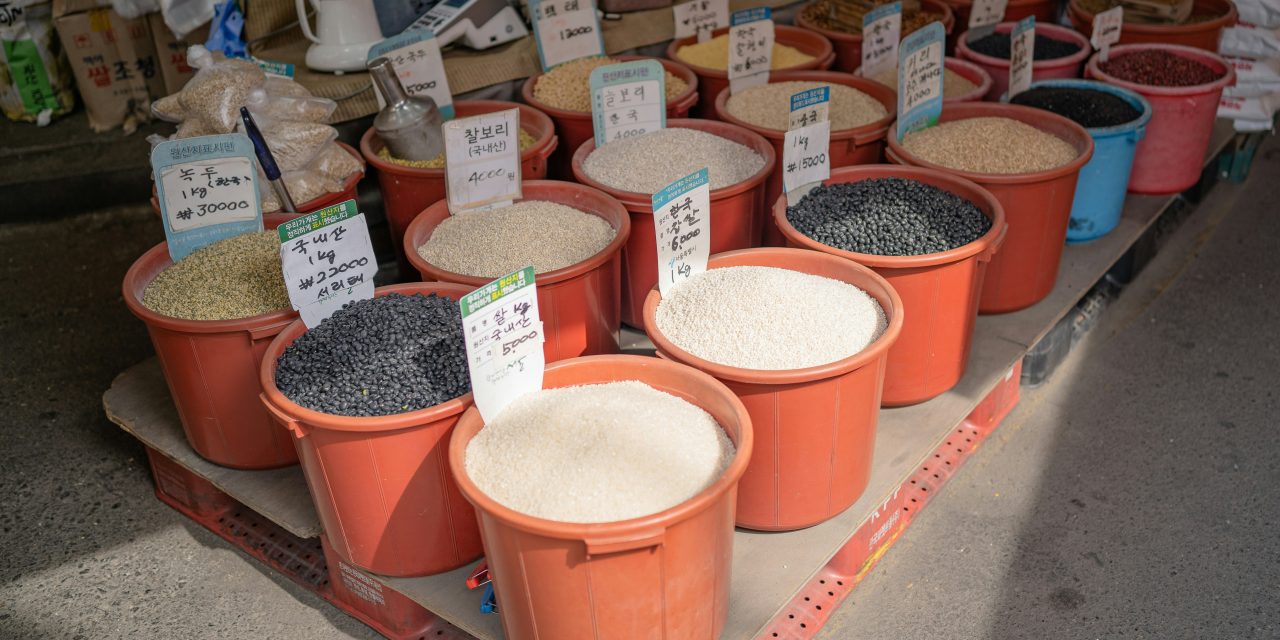
Rice flour, a staple ingredient in various culinary traditions, is derived from finely milled rice grains. It serves as a gluten-free alternative to wheat flour, making it particularly popular among individuals with celiac disease or gluten intolerance. Understanding the shelf life of rice flour is crucial for both home cooks and professional chefs, as it directly impacts the quality and safety of culinary creations. The longevity of rice flour can vary significantly based on several factors, including the type of rice used, storage conditions, and whether the package has been opened. This article delves into the intricacies of rice flour shelf life, providing insights into its preservation and optimal usage.
The importance of knowing how long rice flour lasts cannot be overstated. Using expired flour can lead to compromised flavor and texture in recipes, while also posing potential health risks. By familiarizing oneself with the various types of rice flour and their respective shelf lives, one can make informed decisions that enhance both culinary outcomes and food safety. This comprehensive guide aims to equip readers with the knowledge necessary to maximize the freshness and quality of rice flour.
When considering the shelf life of rice flour, it’s important to understand how proper storage can significantly extend its usability. For those interested in culinary techniques that can complement the use of rice flour, you might find this article on how to sear steak in a cast iron skillet particularly useful. It provides insights into cooking methods that can enhance your meals, making the most of your ingredients. For more details, check out the article here: How to Sear Steak in a Cast Iron Skillet.
Types of Rice Flour and Their Impact on Longevity
Rice flour comes in several varieties, each with unique properties that influence its shelf life. The most common types include white rice flour, brown rice flour, and glutinous rice flour. White rice flour is made from polished white rice, which has had its bran and germ removed. This process not only gives it a finer texture but also extends its shelf life due to the absence of oils found in the bran. Typically, white rice flour can last up to 1-2 years when stored properly.
In contrast, brown rice flour retains the bran and germ, making it more nutritious but also more perishable. The oils present in the bran can lead to rancidity over time, reducing its shelf life to approximately 6 months to 1 year under optimal conditions. Glutinous rice flour, often used in Asian desserts and dumplings, has a similar shelf life to white rice flour but may vary based on moisture content and storage practices.
Understanding these distinctions is essential for consumers who wish to select the appropriate type of rice flour for their needs while also considering how long they can expect it to remain fresh.
Factors Affecting Rice Flour Shelf Life

Several factors play a pivotal role in determining the shelf life of rice flour. One of the primary considerations is moisture content. Flour that is exposed to humidity can absorb moisture from the air, leading to clumping and spoilage. Additionally, exposure to light and heat can degrade the quality of rice flour over time. Therefore, maintaining a cool, dark environment is crucial for preserving its integrity.
Another significant factor is the presence of additives or preservatives. Some commercially produced rice flours may contain stabilizers or anti-caking agents that can extend shelf life. Conversely, organic or minimally processed varieties may lack these additives, resulting in a shorter lifespan. Packaging also influences longevity; vacuum-sealed or airtight containers can significantly prolong freshness compared to loose packaging.
Lastly, the initial quality of the rice used to produce the flour can impact its longevity. High-quality grains typically yield flour with better storage characteristics than lower-quality alternatives.
Typical Shelf Life of Unopened Rice Flour

Unopened packages of rice flour generally have a longer shelf life compared to opened ones. For white rice flour, manufacturers often indicate a shelf life of 1-2 years when stored in a cool, dry place away from direct sunlight. This extended duration is attributed to the absence of oils that could lead to rancidity.
Brown rice flour, however, has a shorter shelf life due to its higher oil content. Typically, unopened brown rice flour can last between 6 months to 1 year under optimal storage conditions. It is essential for consumers to check expiration dates on packaging and adhere to recommended storage practices to ensure maximum freshness.
Glutinous rice flour falls somewhere in between; unopened packages can last about 1 year if kept in appropriate conditions. Understanding these timelines allows consumers to plan their purchases effectively and minimize waste.
Understanding the shelf life of rice flour is essential for anyone who enjoys cooking or baking with this versatile ingredient. For those interested in learning more about proper storage techniques and how to extend the freshness of rice flour, a related article can provide valuable insights. You can find helpful tips in this resource that discusses various aspects of ingredient preservation, ensuring that your rice flour remains usable for as long as possible.
Shelf Life of Opened Rice Flour
Once a package of rice flour has been opened, its shelf life diminishes significantly due to exposure to air, moisture, and contaminants. White rice flour typically remains usable for about 6 months after opening if stored correctly in an airtight container. However, it is advisable to use it within this timeframe for optimal flavor and performance in recipes.
Brown rice flour has an even shorter lifespan once opened; it should ideally be consumed within 3-6 months after being unsealed. The oils present in brown rice can quickly become rancid when exposed to air, leading to off-flavors that can adversely affect culinary applications.
Glutinous rice flour also experiences a reduction in shelf life after opening but may last up to 6 months if stored properly. To ensure quality and safety, consumers should regularly check their opened packages for signs of spoilage and adhere to best storage practices.
Signs That Rice Flour Has Gone Bad
Identifying spoilage in rice flour is crucial for maintaining food safety and quality. Several indicators can signal that rice flour has gone bad:
1. **Odor**: Fresh rice flour has a neutral scent; however, if it emits a rancid or off-putting odor, it is likely spoiled.
2. **Color**: Discoloration or darkening of the flour may indicate degradation or contamination.
3. **Texture**: Clumping or excessive moisture can suggest that the flour has absorbed humidity or developed mold.
4. **Taste**: If unsure about freshness, a small taste test can reveal off-flavors indicative of spoilage.
If any of these signs are present, it is advisable to discard the flour rather than risk using it in cooking or baking.
Proper Storage Conditions for Rice Flour
To maximize the shelf life of rice flour, proper storage conditions are paramount. Ideally, it should be kept in a cool, dry place away from direct sunlight and heat sources. A pantry or cupboard that maintains a stable temperature is suitable for this purpose.
Humidity control is also essential; using desiccants or moisture-absorbing packets within storage containers can help mitigate moisture absorption. Additionally, sealing opened packages tightly or transferring them into airtight containers will protect against air exposure and contaminants.
For those who purchase larger quantities or wish to extend shelf life further, refrigeration or freezing can be effective options. When freezing rice flour, ensure it is placed in a freezer-safe container or vacuum-sealed bag to prevent freezer burn.
Best Containers for Storing Rice Flour
Selecting appropriate containers for storing rice flour can significantly impact its longevity and quality. Airtight containers made from glass or high-quality plastic are ideal choices as they prevent air and moisture infiltration while allowing easy access for scooping.
Glass jars with tight-fitting lids are particularly effective because they do not retain odors and are easy to clean. Alternatively, food-grade plastic containers with secure seals can also provide adequate protection against environmental factors.
For those who prefer bulk storage options, vacuum-sealed bags are excellent for minimizing air exposure and extending shelf life significantly. Regardless of the container chosen, labeling with purchase dates can help track freshness over time.
How to Extend the Shelf Life of Rice Flour
Extending the shelf life of rice flour involves implementing several best practices:
1. **Store Properly**: Keep unopened packages in a cool, dry place away from light.
2. **Use Airtight Containers**: Transfer opened flour into airtight containers to minimize exposure to air and moisture.
3. **Control Temperature**: Consider refrigeration or freezing for longer-term storage.
4. **Avoid Cross-Contamination**: Use clean utensils when scooping out flour to prevent introducing contaminants.
5. **Monitor Freshness**: Regularly check for signs of spoilage and adhere to expiration dates.
By following these guidelines, consumers can significantly prolong the usability of their rice flour while maintaining its quality for culinary applications.
Using Expired Rice Flour: Risks and Considerations
While some may consider using expired rice flour if no signs of spoilage are evident, this practice carries inherent risks. The primary concern is that expired flour may not perform well in recipes due to potential loss of flavor and texture. Additionally, there is a risk of consuming rancid oils present in brown rice flour that could lead to gastrointestinal discomfort or foodborne illness.
If one chooses to use expired rice flour, it is crucial to conduct thorough checks for any signs of spoilage before proceeding with culinary applications. Ultimately, prioritizing food safety should guide decisions regarding expired ingredients.
Maximizing Freshness and Quality of Rice Flour
In conclusion, understanding the shelf life of rice flour is essential for anyone who incorporates this versatile ingredient into their cooking repertoire. By recognizing the different types of rice flour and their respective longevity, as well as implementing proper storage techniques and monitoring for signs of spoilage, consumers can maximize freshness and quality.
By adhering to best practices for storage and being mindful of expiration dates, individuals can enjoy the benefits of this gluten-free alternative while minimizing waste and ensuring food safety in their culinary endeavors.
FAQs
What is the shelf life of rice flour?
The shelf life of rice flour typically ranges from 6 months to 1 year when stored in a cool, dry place. However, if kept in the refrigerator or freezer, it can last up to 2 years or more.
How should rice flour be stored to maximize its shelf life?
To maximize the shelf life of rice flour, it should be stored in an airtight container in a cool, dry place away from direct sunlight. For longer storage, refrigeration or freezing is recommended.
Does the type of rice flour affect its shelf life?
Yes, the type of rice flour can affect its shelf life. For example, white rice flour generally has a longer shelf life compared to brown rice flour due to the higher oil content in brown rice, which can lead to rancidity.
How can you tell if rice flour has gone bad?
Rice flour that has gone bad may have an off smell, a change in color, or the presence of mold or insects. If it has a rancid odor or unusual texture, it is best to discard it.
Can rice flour be used after its expiration date?
While rice flour may still be safe to use after its expiration date if it has been stored properly and shows no signs of spoilage, it is advisable to check for any off smells or changes in texture before use.