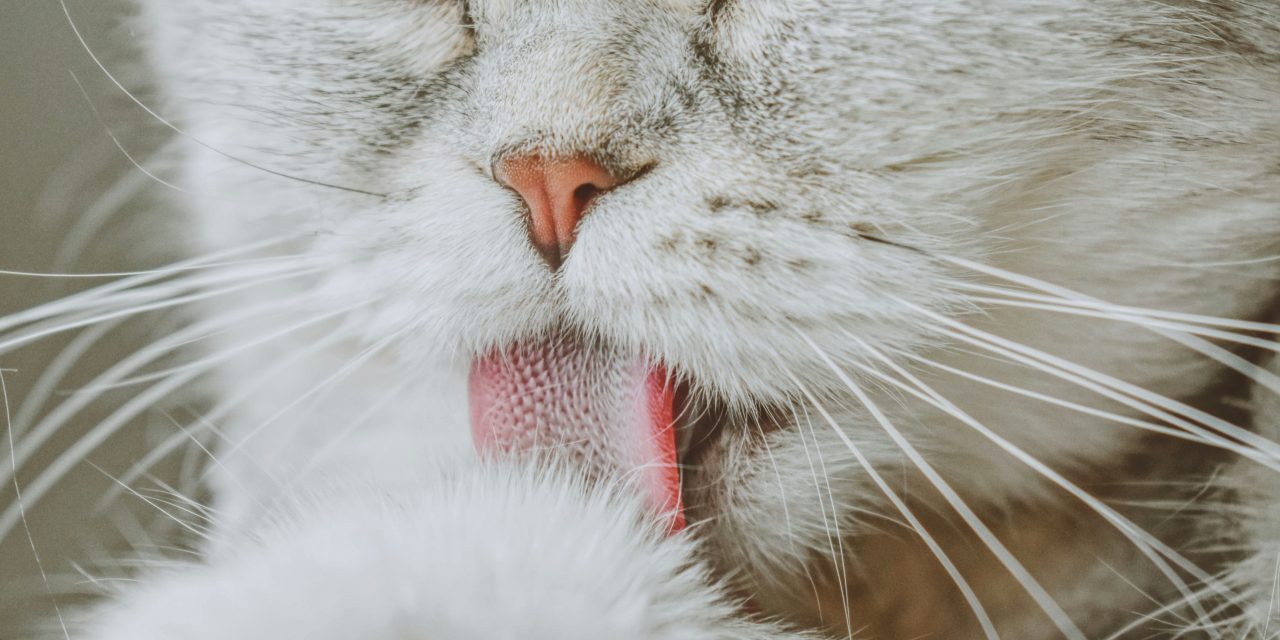
Long-haired cats, such as Persians, Maine Coons, and Ragdolls, possess stunning coats that require diligent care to maintain their beauty and health. Gentle grooming is not merely a cosmetic endeavor; it plays a crucial role in the overall well-being of these felines. Regular grooming sessions help to remove loose hair, dirt, and debris, which can otherwise lead to skin irritations or infections. Moreover, it promotes healthy blood circulation and strengthens the bond between the cat and its owner.
In addition to aesthetic benefits, grooming serves as a preventive measure against matting and tangling. Long-haired breeds are particularly susceptible to these issues due to their dense fur. Mats can trap moisture and heat against the skin, creating an environment conducive to bacterial growth and skin diseases. By incorporating gentle grooming into your routine, you can significantly reduce the risk of these complications while ensuring your cat remains comfortable and happy.
Choosing the Right Grooming Tools for Sensitive Fur
Selecting appropriate grooming tools is paramount when caring for long-haired cats. The right equipment can make a significant difference in the grooming experience for both the cat and the owner. Essential tools include a wide-toothed comb, slicker brush, and de-shedding tool. Each of these implements serves a specific purpose and should be chosen based on the cat’s coat type and sensitivity.
A wide-toothed comb is ideal for detangling and removing loose hair without causing discomfort. Slicker brushes are effective for removing mats and tangles while distributing natural oils throughout the coat. De-shedding tools can help minimize shedding by targeting undercoat fur. When selecting these tools, consider ergonomic designs that provide comfort during use, as well as materials that are gentle on sensitive skin.
Preparing Your Cat for a Calm Grooming Session

Preparation is key to ensuring a successful grooming session with your long-haired cat. Creating a calm environment is essential; choose a quiet space free from distractions where your cat feels secure. Before beginning, allow your feline companion to acclimate to the grooming tools by letting them sniff and explore the items. This familiarity can reduce anxiety and make the process smoother.
Additionally, consider scheduling grooming sessions during times when your cat is naturally more relaxed, such as after a meal or playtime. Using positive reinforcement techniques, such as treats or gentle praise, can also help create a positive association with grooming. Gradually introducing grooming sessions in short intervals can further ease your cat into the routine, making it less daunting for both parties involved.
How to Detangle Long Fur Without Causing Pain

Detangling long fur requires patience and a gentle touch to avoid causing pain or distress to your cat. Begin by assessing the coat for any knots or mats, focusing on small sections at a time. Using your fingers, gently separate the fur around the tangled area to minimize pulling on the skin. This technique allows you to identify the best approach for each specific tangle.
When using a comb or brush, start at the tips of the fur and work your way up towards the roots. This method prevents unnecessary tugging and reduces discomfort. If you encounter a particularly stubborn mat, consider using a detangling spray formulated specifically for cats. These products can help loosen knots without causing pain, making it easier to comb through the fur.
Step-by-Step Brushing Techniques to Avoid Fur Pulling
Brushing long-haired cats requires specific techniques to ensure comfort and effectiveness. Begin by selecting an appropriate brush based on your cat’s coat type. For instance, a slicker brush is ideal for removing loose hair and debris, while a wide-toothed comb is better suited for detangling.
1. **Start Slowly**: Begin brushing in small sections, allowing your cat to become accustomed to the sensation.
2. **Use Gentle Strokes**: Apply light pressure while brushing to avoid pulling on the fur or irritating the skin.
3. **Follow the Fur Growth Direction**: Always brush in the direction of hair growth to minimize discomfort.
4. **Frequent Breaks**: Allow your cat breaks during brushing sessions to prevent fatigue or stress.
5. **Monitor Reactions**: Pay attention to your cat’s body language; if they show signs of discomfort, pause and offer reassurance.
By following these techniques, you can create a more enjoyable grooming experience for your long-haired feline.
Managing Mats and Knots Safely
Mats and knots can pose significant challenges when grooming long-haired cats. If left untreated, they can lead to skin irritation or even infections. To manage these issues safely, it is essential to approach them with care and precision.
1. **Identify Problem Areas**: Regularly inspect your cat’s coat for mats or knots, particularly in areas prone to tangling such as behind the ears or under the legs.
2. **Use Appropriate Tools**: A dematting tool or comb can be effective for gently breaking apart mats without causing pain.
3. **Work from the Outside In**: Start at the edges of the mat and gradually work towards the center, using your fingers to separate strands of fur.
4. **Consider Professional Help**: If mats are severe or extensive, seeking assistance from a professional groomer may be necessary to avoid injury.
By employing these strategies, you can effectively manage mats while ensuring your cat remains comfortable throughout the process.
Tips for Handling Stubborn or Anxious Cats During Grooming
Grooming can be particularly challenging with stubborn or anxious cats who may resist handling or become agitated during sessions. To address these behaviors effectively, consider implementing several strategies:
1. **Create a Safe Space**: Designate a quiet area where your cat feels secure during grooming sessions.
2. **Use Calming Aids**: Consider using pheromone sprays or calming collars designed specifically for cats to reduce anxiety levels.
3. **Short Sessions**: Keep grooming sessions brief initially, gradually increasing duration as your cat becomes more comfortable.
4. **Positive Reinforcement**: Reward your cat with treats or praise after each successful grooming session to create positive associations.
5. **Gentle Restraint**: If necessary, use gentle restraint techniques such as wrapping your cat in a towel to prevent sudden movements while ensuring their comfort.
By employing these techniques, you can help alleviate anxiety and resistance during grooming sessions.
When and How to Trim Fur to Prevent Future Tangling
Regular trimming is an essential aspect of maintaining a long-haired cat’s coat and preventing future tangling issues. It is advisable to trim fur every few months or as needed based on individual coat growth rates and matting tendencies.
1. **Identify Areas for Trimming**: Focus on areas prone to tangling, such as underarms, behind ears, and around the tail.
2. **Use Sharp Scissors**: Invest in high-quality grooming scissors designed specifically for pets; these should have rounded tips for safety.
3. **Work Slowly**: Trim small sections at a time while ensuring you do not cut too close to the skin.
4. **Consider Professional Grooming**: If you are unsure about trimming techniques or lack confidence in your skills, consult a professional groomer for assistance.
By incorporating regular trims into your grooming routine, you can significantly reduce tangling issues while promoting overall coat health.
Bathing Long-Haired Cats: Best Practices to Protect Their Coat
Bathing long-haired cats can be a daunting task; however, it is sometimes necessary for maintaining coat cleanliness and health. When bathing your feline companion, follow these best practices:
1. **Choose Cat-Specific Shampoo**: Select a gentle shampoo formulated specifically for cats; avoid human shampoos that may irritate their skin.
2. **Prepare Your Space**: Use a non-slip surface in a bathtub or sink to prevent slipping during bathing.
3. **Use Lukewarm Water**: Ensure water temperature is comfortable; too hot or cold water can cause distress.
4. **Rinse Thoroughly**: Ensure all shampoo is rinsed out completely to prevent residue buildup that could irritate the skin.
5. **Dry Carefully**: Use a soft towel to gently dry your cat after bathing; avoid using hair dryers as they may frighten them.
By adhering to these practices, you can ensure that bathing is a safe and effective process for maintaining your long-haired cat’s coat.
Maintaining a Regular Grooming Schedule for Healthy Fur
Establishing a consistent grooming schedule is vital for maintaining healthy fur in long-haired cats. Regular grooming not only prevents matting but also promotes overall skin health by distributing natural oils throughout the coat.
1. **Frequency of Grooming**: Aim for at least two to three grooming sessions per week; however, daily brushing may be necessary during shedding seasons.
2. **Monitor Coat Condition**: Regularly assess your cat’s coat condition; adjust grooming frequency based on changes in shedding or matting tendencies.
3. **Incorporate Playtime**: Combine grooming with playtime activities to create positive associations with handling.
4. **Stay Consistent**: Consistency is key; establish a routine that works for both you and your cat.
By maintaining a regular grooming schedule, you can ensure that your long-haired feline remains healthy and comfortable.
Knowing When to Seek Professional Grooming Help
While many owners can manage basic grooming tasks at home, there are instances when seeking professional help becomes necessary. Recognizing when to consult a professional groomer is essential for ensuring your cat’s well-being.
1. **Severe Matting**: If mats are extensive or difficult to manage at home, professional groomers have specialized tools and expertise to address these issues safely.
2. **Behavioral Challenges**: If your cat exhibits extreme anxiety or aggression during grooming sessions that cannot be managed at home, professional groomers are trained to handle such situations effectively.
3. **Health Concerns**: If you notice skin irritations or other health issues during grooming sessions, consulting a veterinarian or professional groomer may be warranted.
By understanding when professional assistance is needed, you can ensure that your long-haired cat receives the best possible care.
In summary, gentle grooming is essential for maintaining the health and beauty of long-haired cats. By choosing appropriate tools, preparing effectively, employing proper techniques, managing mats safely, addressing behavioral challenges, trimming fur regularly, bathing correctly, maintaining schedules, and knowing when to seek professional help, owners can ensure their feline companions remain comfortable and healthy throughout their lives.
FAQs
What tools are recommended for grooming a long-haired cat?
For grooming a long-haired cat, it is recommended to use a wide-toothed comb, a slicker brush, and a de-shedding tool. These tools help to detangle knots, remove loose fur, and prevent matting without pulling the cat’s fur.
How often should I groom my long-haired cat?
Long-haired cats should ideally be groomed at least 2-3 times a week to prevent matting and reduce shedding. During shedding seasons, more frequent grooming may be necessary to keep their coat healthy and manageable.
What techniques can I use to avoid pulling my cat’s fur while grooming?
To avoid pulling your cat’s fur, start by using a wide-toothed comb to gently detangle any knots. Work from the tips of the fur towards the roots, and use a slicker brush in short, gentle strokes. Always be mindful of sensitive areas and take breaks if your cat seems uncomfortable.
How can I make grooming a positive experience for my cat?
To make grooming a positive experience, start by introducing your cat to the grooming tools gradually. Use treats and praise to reward your cat during and after grooming sessions. Keep the sessions short and enjoyable, gradually increasing the duration as your cat becomes more comfortable.
What should I do if my cat has mats in its fur?
If your cat has mats in its fur, try to gently work them out with your fingers or a wide-toothed comb. If the mats are severe, it may be best to use a de-matting tool or seek professional grooming assistance to avoid hurting your cat.