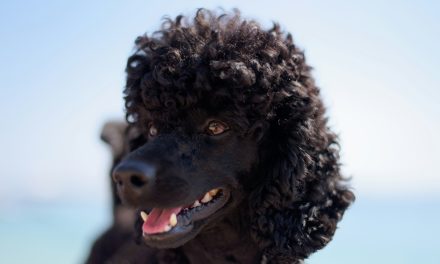
Labradoodles, a hybrid breed resulting from the crossbreeding of Labrador Retrievers and Poodles, exhibit a variety of coat types that can significantly influence grooming needs. The three primary coat types are the wool coat, fleece coat, and hair coat. The wool coat is dense, curly, and often hypoallergenic, making it a popular choice for allergy sufferers. This type requires regular grooming to prevent matting and tangling. The fleece coat, characterized by its soft, wavy texture, is also low-shedding but may require less frequent grooming than the wool coat. Lastly, the hair coat resembles that of a Labrador, featuring a straight or slightly wavy texture that sheds more and requires less intensive grooming.
Understanding these coat types is crucial for effective grooming and maintenance. Each coat type has unique characteristics that dictate the frequency of grooming sessions and the tools required. For instance, the wool coat necessitates more frequent brushing to avoid matting, while the hair coat may only need occasional brushing to manage shedding. Recognizing these differences allows owners to tailor their grooming routines to meet their Labradoodle’s specific needs, ensuring a healthy and well-maintained coat.
Essential Grooming Tools You’ll Need
To effectively groom your Labradoodle, having the right tools is essential. A high-quality slicker brush is indispensable for removing loose hair and preventing mats in curly or wavy coats. Additionally, a wide-toothed comb is beneficial for detangling and smoothing out any knots that may form. For those with particularly thick or matted fur, a dematting tool can be invaluable in safely removing stubborn tangles without causing discomfort to your pet.
Other essential tools include nail clippers or a nail grinder for maintaining paw care, as well as ear cleaning solution and cotton balls for proper ear hygiene. A good pair of scissors is also necessary for trimming around sensitive areas such as the eyes and ears. Investing in these grooming tools not only simplifies the grooming process but also enhances your Labradoodle’s overall health and appearance.
Establishing a Regular Brushing Routine

Creating a consistent brushing routine is vital for maintaining your Labradoodle’s coat health. Ideally, brushing should occur at least two to three times per week for wool and fleece coats, while hair coats may require less frequent attention. Establishing this routine helps to remove loose hair, dirt, and debris while preventing matting and tangling. Regular brushing also promotes healthy skin by distributing natural oils throughout the coat.
To make brushing a positive experience for your Labradoodle, consider incorporating it into your daily activities. Choose a quiet space where your dog feels comfortable and relaxed. Start with short sessions to acclimate your pet to the process, gradually increasing the duration as they become more accustomed to being groomed. Positive reinforcement through treats or praise can further enhance their experience, making grooming a bonding activity rather than a chore.
How to Detangle and Remove Mats Safely

Detangling mats in your Labradoodle’s coat requires patience and the right technique to avoid causing pain or discomfort. Begin by using your fingers to gently separate the mat from the surrounding fur. This initial step helps to loosen the mat without pulling on the skin. Once you have created some space, utilize a slicker brush or dematting tool to carefully work through the mat from the outer edges inward.
If you encounter particularly stubborn mats, consider applying a detangling spray specifically formulated for dogs. This can help to soften the fur and make it easier to work through tangles. Always be cautious when working near sensitive areas such as the ears or underbelly, as pulling too hard can cause discomfort. If you find yourself struggling with severe matting, it may be best to consult a professional groomer who can safely address the issue without causing harm.
Bathing Your Labradoodle: Frequency and Techniques
Bathing frequency for Labradoodles largely depends on their activity level and coat type. Generally, it is recommended to bathe them every four to six weeks; however, more active dogs may require more frequent baths due to dirt accumulation. When bathing your Labradoodle, always use a high-quality dog shampoo that is gentle on their skin and free from harsh chemicals.
Before bathing, ensure you have all necessary supplies within reach: shampoo, conditioner (if applicable), towels, and a non-slip mat for safety. Begin by thoroughly wetting your dog’s coat with lukewarm water, avoiding their eyes and ears. Apply shampoo evenly throughout their coat, massaging it into the fur while being mindful of sensitive areas. Rinse thoroughly to remove all shampoo residue, as leftover product can irritate the skin.
Drying Your Labradoodle After a Bath
Proper drying techniques are crucial after bathing your Labradoodle to prevent skin issues such as fungal infections or hot spots. After rinsing out all shampoo, gently towel-dry your dog by patting rather than rubbing their coat vigorously. This method helps absorb excess moisture without causing tangles or mats.
For those with thicker coats or during colder months, using a pet-safe blow dryer on a low heat setting can expedite the drying process. Keep the dryer at least six inches away from your dog’s skin to avoid burns and ensure that you continuously move it around to prevent overheating any one area. Always monitor your Labradoodle’s comfort level during this process; if they appear anxious or uncomfortable, consider switching back to towel drying.
Trimming Around the Eyes and Ears
Trimming around sensitive areas such as the eyes and ears is an essential aspect of grooming that requires careful attention. For eye maintenance, use blunt-tipped scissors to trim any excess fur that may obstruct your dog’s vision or cause irritation. Be cautious not to get too close to the eye itself; instead, focus on removing fur that hangs down over the eyelids.
Ear trimming is equally important for maintaining hygiene and preventing infections. Long fur in the ears can trap moisture and debris, leading to potential ear problems. Use scissors designed for pet grooming to carefully trim excess hair around the ear canal while ensuring you do not cut too close to the skin. Regularly checking these areas during grooming sessions can help prevent issues before they arise.
Maintaining Paw and Nail Care Between Visits
Paw care is an often-overlooked aspect of grooming that plays a significant role in your Labradoodle’s overall health. Regularly inspecting your dog’s paws for debris such as dirt or small stones is essential; these can cause discomfort or injury if left unattended. Additionally, keeping the fur between their paw pads trimmed helps prevent slipping on smooth surfaces and reduces the risk of matting.
Nail care is equally important; overgrown nails can lead to pain and mobility issues for your Labradoodle. Aim to trim their nails every three to four weeks or as needed based on growth rates. If you’re unsure about how much to trim, consult with a veterinarian or professional groomer for guidance on proper nail care techniques.
Cleaning Your Labradoodle’s Ears Properly
Ear hygiene is critical for Labradoodles due to their floppy ears that can trap moisture and debris, creating an environment conducive to infections. Cleaning should be performed every few weeks or as needed based on your dog’s activity level and ear condition. Begin by inspecting your dog’s ears for any signs of redness, swelling, or discharge; if any abnormalities are present, consult a veterinarian before proceeding.
To clean your Labradoodle’s ears safely, use a veterinarian-recommended ear cleaning solution and cotton balls or gauze pads. Apply a few drops of the solution into the ear canal while gently massaging the base of the ear to help loosen debris. Allow your dog to shake their head afterward; this action will help dislodge any remaining dirt or wax. Finally, use a cotton ball or gauze pad to wipe away any visible debris from the outer ear canal.
Tips for Keeping Your Labradoodle Comfortable During Grooming
Grooming can be an overwhelming experience for some dogs; therefore, creating a comfortable environment is essential for success. Start by choosing a quiet space free from distractions where your Labradoodle feels secure. Consider using non-slip mats or blankets to provide stability during grooming sessions.
Incorporating positive reinforcement techniques can significantly enhance your dog’s comfort level during grooming. Offer treats or praise throughout the process to create positive associations with grooming activities. Additionally, consider playing calming music or using pheromone sprays designed for dogs to help reduce anxiety levels during grooming sessions.
When to Schedule the Next Professional Grooming Session
Determining when to schedule professional grooming sessions depends on several factors including coat type, activity level, and individual needs of your Labradoodle. Generally speaking, dogs with wool or fleece coats benefit from professional grooming every six to eight weeks due to their propensity for matting and tangling.
For those with hair coats or less active lifestyles, professional grooming may be needed less frequently—approximately every eight to twelve weeks may suffice in these cases. Regularly assessing your dog’s coat condition between appointments will help you gauge when it’s time for professional intervention; if you notice excessive matting or difficulty maintaining their coat at home, it may be time for a visit to a groomer.
In summary, understanding your Labradoodle’s unique grooming needs is essential for maintaining their health and appearance. By utilizing appropriate tools and techniques while establishing a consistent routine, you can ensure that your furry friend remains comfortable and well-groomed throughout their life. Regular professional grooming sessions complement at-home care efforts and contribute significantly to overall well-being.
FAQs
What tools do I need for grooming a Labradoodle at home?
To groom a Labradoodle at home, you will need a slicker brush, a comb, dog clippers with adjustable blades, scissors, and a grooming table or a non-slip surface. Additionally, having dog shampoo and conditioner, as well as towels for drying, will be helpful.
How often should I groom my Labradoodle between professional haircuts?
It is recommended to groom your Labradoodle every 4 to 6 weeks between professional haircuts. Regular grooming helps prevent matting and keeps their coat healthy and clean.
What are the key steps in grooming a Labradoodle?
The key steps in grooming a Labradoodle include brushing the coat thoroughly to remove tangles and mats, bathing with dog shampoo, drying the coat completely, trimming the hair around the face, paws, and ears, and finally, checking and cleaning the ears and trimming the nails.
How can I prevent matting in my Labradoodle’s coat?
To prevent matting in your Labradoodle’s coat, brush them regularly, ideally every few days. Use a slicker brush to reach the undercoat and ensure you are brushing in the direction of hair growth. Additionally, keeping their coat trimmed and avoiding wet environments can help reduce matting.
Is it safe to use human grooming products on my Labradoodle?
No, it is not safe to use human grooming products on your Labradoodle. Human shampoos and conditioners can disrupt the pH balance of a dog’s skin and may cause irritation. Always use products specifically formulated for dogs to ensure their safety and comfort.