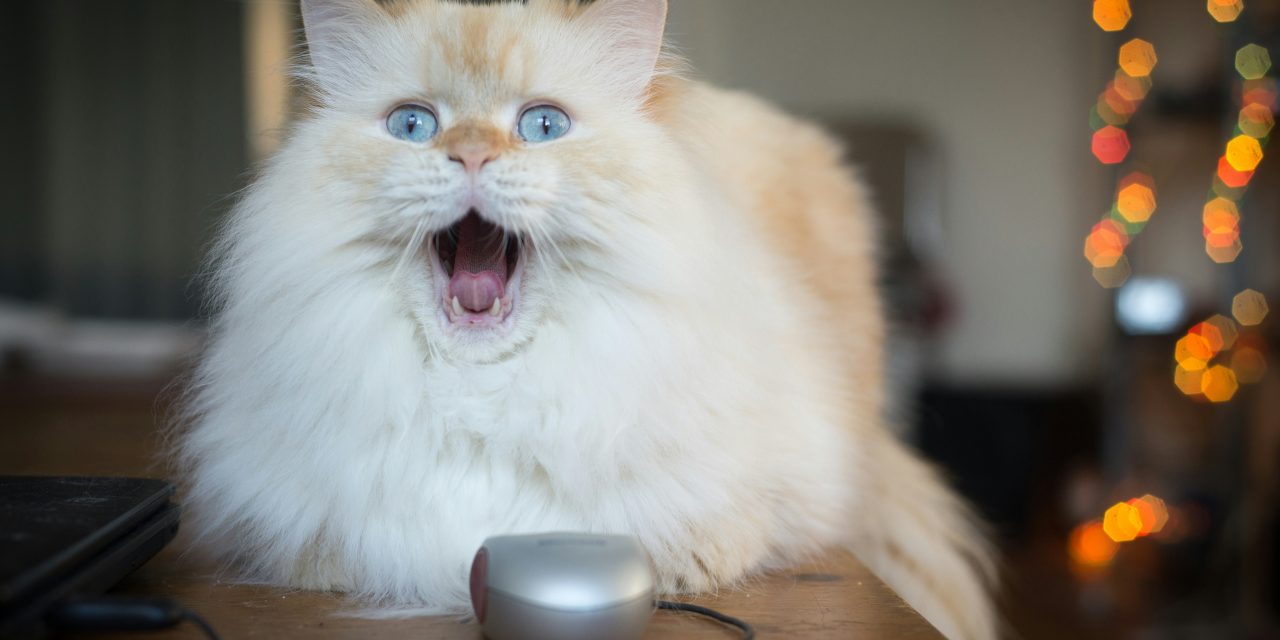
Yowling is a vocalization that many cat owners encounter, particularly during the night. This sound, often characterized by its prolonged and drawn-out nature, can be perplexing and concerning for pet owners. Unlike typical meowing, yowling serves various communicative purposes, ranging from expressing discomfort to signaling a desire for attention. Understanding the nuances of this vocalization is crucial for interpreting your feline companion’s needs and emotions.
Cats utilize yowling as a means of communication, both with humans and other felines. The pitch, duration, and frequency of the yowl can convey different messages. For instance, a high-pitched yowl may indicate distress or discomfort, while a lower tone might suggest a more relaxed state. Additionally, yowling can be a form of territorial assertion or an invitation to mate, particularly in unspayed or unneutered cats. Recognizing these variations can help owners respond appropriately to their pets’ needs.
Common Causes of Nighttime Yowling in Cats
Nighttime yowling can stem from various factors, each requiring careful consideration. One prevalent cause is the cat’s instinctual behavior. Cats are naturally crepuscular creatures, meaning they are most active during dawn and dusk. This innate tendency can lead to increased vocalization during nighttime hours as they engage in hunting behaviors or seek attention from their owners.
Another common reason for nighttime yowling is loneliness or boredom. Cats are social animals that thrive on interaction and stimulation. If left alone for extended periods, they may express their dissatisfaction through vocalizations. Providing enrichment through toys, scratching posts, and interactive play can mitigate this issue and reduce nighttime disturbances.
Medical Issues That May Trigger Yowling

While many instances of yowling are benign, certain medical conditions can lead to increased vocalization in cats. Hyperthyroidism is one such condition, characterized by an overproduction of thyroid hormones. This disorder often affects older cats and can result in symptoms such as weight loss, increased appetite, and excessive vocalization. If your cat exhibits sudden changes in behavior or vocalization patterns, a veterinary evaluation is essential.
Another medical issue that may trigger yowling is pain or discomfort due to conditions like arthritis or dental disease. Cats are adept at hiding their pain, but vocalization can be a telltale sign of underlying discomfort. Regular veterinary check-ups are crucial for early detection and management of these conditions, ensuring your cat remains healthy and comfortable.
Behavioral Reasons Behind Nighttime Vocalization

Behavioral factors play a significant role in nighttime yowling among cats. One common behavioral cause is the desire for attention from their owners. Cats may learn that vocalizing at night garners a response, whether it be food, playtime, or affection. This learned behavior can become habitual if not addressed promptly.
Additionally, anxiety or stress can lead to increased vocalization during nighttime hours. Changes in the household environment, such as moving to a new home or the introduction of new pets, can trigger feelings of insecurity in cats. Providing a stable environment and addressing any potential stressors can help alleviate nighttime yowling associated with behavioral issues.
The Role of Age: Why Senior Cats Yowl More at Night
Age plays a significant role in the frequency and nature of yowling among cats. Senior cats often experience cognitive decline, similar to dementia in humans, which can lead to confusion and disorientation during nighttime hours. This condition, known as feline cognitive dysfunction syndrome (CDS), may manifest as increased vocalization as the cat struggles to navigate its surroundings.
Moreover, older cats are more susceptible to various medical conditions that can contribute to yowling. Arthritis, dental issues, and sensory decline can all affect an older cat’s comfort level and behavior. Understanding the unique needs of senior cats is essential for providing appropriate care and minimizing nighttime disturbances.
Environmental Factors Influencing Nighttime Yowling
The environment in which a cat resides significantly influences its behavior and vocalizations. Factors such as noise levels, lighting conditions, and the presence of other animals can all contribute to nighttime yowling. For instance, loud noises from outside sources or other pets in the household may cause anxiety or agitation in cats, prompting them to vocalize more frequently.
Creating a serene environment can help mitigate these influences. Ensuring that your cat has access to quiet spaces away from disturbances can promote relaxation during nighttime hours. Additionally, using calming products such as pheromone diffusers or soft music may help create a soothing atmosphere conducive to restful sleep.
How Stress and Anxiety Affect Your Cat’s Nighttime Behavior
Stress and anxiety are significant contributors to nighttime yowling in cats. Various factors can induce stress in felines, including changes in routine, unfamiliar environments, or conflicts with other pets. When stressed, cats may resort to vocalizations as a means of expressing their discomfort or seeking reassurance from their owners.
To address stress-related yowling, it is essential to identify potential triggers and implement strategies to alleviate anxiety. Providing safe spaces where your cat can retreat when feeling overwhelmed is crucial. Additionally, engaging in regular playtime and interactive activities can help reduce stress levels and promote a sense of security.
When Is Yowling a Sign of a Medical Emergency?
While yowling is often benign, certain situations warrant immediate veterinary attention. If your cat’s vocalizations are accompanied by other concerning symptoms such as lethargy, loss of appetite, vomiting, or difficulty breathing, it may indicate a medical emergency. Conditions such as urinary tract infections or gastrointestinal blockages can lead to severe discomfort and require prompt intervention.
Additionally, if your cat suddenly begins yowling excessively without any apparent cause or if there are significant changes in its behavior or health status, seeking veterinary advice is crucial. Early intervention can prevent complications and ensure your cat receives the necessary care.
Practical Solutions to Reduce Nighttime Yowling
Implementing practical solutions can significantly reduce nighttime yowling in cats. Establishing a consistent routine that includes regular feeding times and play sessions can help regulate your cat’s behavior. Engaging in interactive play before bedtime can expend excess energy and promote relaxation.
Providing environmental enrichment is also essential for minimizing boredom-related vocalizations. Puzzle toys, scratching posts, and climbing structures can keep your cat mentally stimulated and engaged during the night. Additionally, consider using calming products such as pheromone sprays or supplements designed to reduce anxiety.
Creating a Calm and Comfortable Nighttime Environment
Creating an optimal nighttime environment for your cat is vital for promoting restful sleep and reducing vocalizations. Ensure that your cat has access to a comfortable sleeping area away from disturbances. Soft bedding and cozy hiding spots can provide a sense of security.
Consider using blackout curtains to minimize external light sources that may disrupt your cat’s sleep cycle. Additionally, maintaining a quiet atmosphere by minimizing loud noises during nighttime hours can help create a peaceful environment conducive to relaxation.
When to Consult a Veterinarian or Animal Behaviorist
If nighttime yowling persists despite implementing behavioral modifications and environmental adjustments, consulting a veterinarian or animal behaviorist may be necessary. A veterinarian can conduct a thorough examination to rule out any underlying medical conditions contributing to the vocalizations.
An animal behaviorist specializes in understanding feline behavior and can provide tailored strategies for addressing specific issues related to nighttime yowling. Collaborating with professionals ensures that you receive comprehensive guidance on managing your cat’s behavior effectively.
In summary, understanding the reasons behind nighttime yowling in cats involves considering various factors ranging from instinctual behaviors to medical conditions and environmental influences. By recognizing the signs of distress or discomfort in your feline companion and implementing practical solutions, you can create a harmonious living environment that minimizes nighttime disturbances while ensuring your cat’s well-being remains a priority.
FAQs
Why does my cat yowl at night?
Cats may yowl at night for several reasons, including seeking attention, expressing discomfort, or communicating their needs. Nocturnal behavior is natural for cats, and they may be more active during the night, leading to increased vocalization.
Is yowling a sign of distress in cats?
Yes, yowling can indicate distress or discomfort in cats. If your cat is yowling excessively, it may be experiencing pain, anxiety, or other health issues. It’s important to observe their behavior and consult a veterinarian if you suspect a medical problem.
How can I reduce my cat’s nighttime yowling?
To reduce nighttime yowling, ensure your cat has plenty of playtime and stimulation during the day. Providing interactive toys, engaging in play sessions, and establishing a consistent routine can help tire them out before bedtime. Additionally, consider creating a comfortable sleeping environment for your cat.
Could my cat be yowling due to loneliness?
Yes, cats can yowl at night due to loneliness, especially if they are left alone for extended periods. If your cat is social and enjoys companionship, consider adopting another pet or spending more quality time with them to alleviate feelings of isolation.
When should I be concerned about my cat’s yowling?
You should be concerned about your cat’s yowling if it becomes excessive, is accompanied by other unusual behaviors, or if your cat shows signs of distress or illness. If the yowling persists despite attempts to address it, consult a veterinarian for further evaluation.