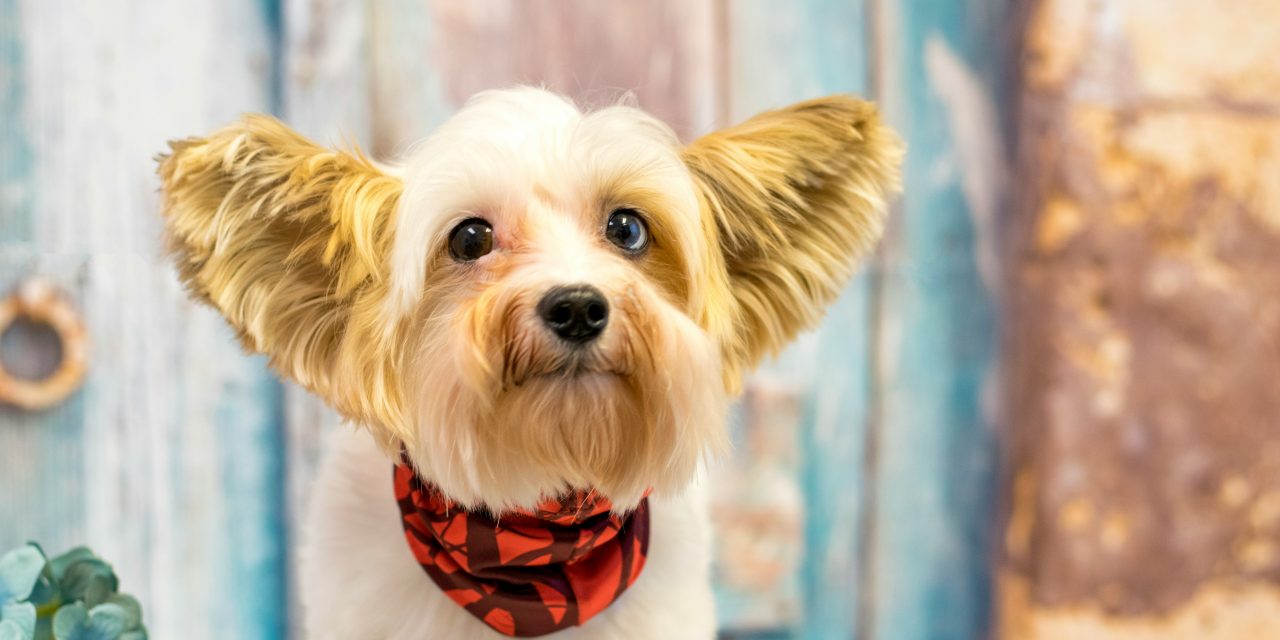
Maintaining optimal ear hygiene in long-haired dog breeds is crucial for their overall health and well-being. Long-haired dogs, such as Shih Tzus, Cocker Spaniels, and Maltese, are particularly susceptible to ear-related issues due to their dense fur, which can trap moisture and debris. This environment creates a breeding ground for bacteria and yeast, leading to infections that can cause discomfort and pain. Regular ear cleaning not only prevents these infections but also promotes better hearing and reduces the risk of more severe health complications.
Moreover, proper ear hygiene contributes to the overall grooming routine of long-haired breeds. Owners often focus on coat maintenance, neglecting the ears, which can lead to a host of problems. By prioritizing ear care, pet owners can ensure their furry companions remain comfortable and healthy. Regular inspections and cleanings can help identify potential issues early, allowing for timely intervention and treatment.
Common Ear Problems in Long-Haired Breeds
Long-haired dog breeds are prone to various ear problems, primarily due to their unique anatomical features and grooming needs. One of the most prevalent issues is otitis externa, an inflammation of the outer ear canal that can result from allergies, moisture retention, or foreign bodies. Symptoms include redness, swelling, and a foul odor emanating from the ear. If left untreated, otitis externa can progress to more severe conditions, such as otitis media or interna, which affect deeper structures of the ear.
Another common issue is ear mites, microscopic parasites that thrive in the warm, dark environment of a dog’s ear canal. Infestations can lead to intense itching, inflammation, and secondary bacterial infections. Additionally, long-haired breeds may experience excessive wax buildup due to their floppy ears, which can obstruct airflow and trap moisture. This wax accumulation can lead to discomfort and potential infections if not addressed promptly.
Essential Tools for Cleaning Long-Haired Dog Ears

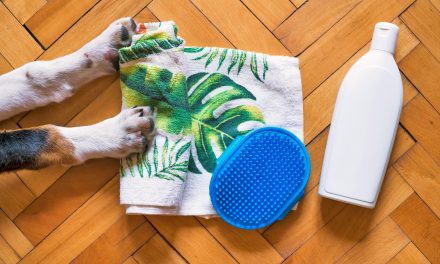
To effectively clean the ears of long-haired dogs, pet owners should equip themselves with essential tools designed for this purpose. A high-quality ear cleaner specifically formulated for dogs is paramount; these solutions help dissolve wax buildup and eliminate bacteria without causing irritation. Look for products containing soothing ingredients like aloe vera or witch hazel.
Cotton balls or gauze pads are also necessary for the cleaning process. These materials are gentle on the delicate skin of the ear canal and allow for effective removal of debris without causing trauma. Additionally, a pair of tweezers may be useful for plucking excess hair from the ear canal, which can obstruct airflow and contribute to moisture retention. Lastly, having treats on hand can help reward your dog during the cleaning process, making it a more positive experience.
Preparing Your Dog for Ear Cleaning

Before embarking on the ear cleaning process, it is essential to prepare both your dog and yourself for a successful experience. Start by creating a calm environment free from distractions. Choose a quiet space where your dog feels comfortable and secure. It may be beneficial to have another person assist you in holding your dog still during the procedure.
Additionally, familiarize your dog with the tools you will be using. Allow them to sniff the ear cleaner and cotton balls before starting the cleaning process. This exposure can help reduce anxiety and make your dog more receptive to the procedure. If your dog exhibits signs of stress or discomfort, consider using calming techniques such as gentle petting or soothing words to reassure them.
Step-by-Step Guide to Cleaning Long-Haired Dog Ears
Cleaning your long-haired dog’s ears requires a systematic approach to ensure thoroughness while minimizing discomfort. Begin by gently lifting your dog’s ear flap to expose the ear canal. Apply a few drops of the ear cleaner into the canal, ensuring not to insert the applicator too deeply. Massage the base of the ear for about 20-30 seconds to help distribute the cleaner and loosen any debris.
Next, use a cotton ball or gauze pad to wipe away any visible dirt or wax from the outer ear canal. Be cautious not to push debris further into the canal; instead, focus on cleaning only what is accessible. If you encounter excessive wax or debris that cannot be removed easily, refrain from using force and consult your veterinarian for further assistance.
Techniques to Keep Dog Ears Dry After Cleaning
After cleaning your dog’s ears, it is vital to keep them dry to prevent moisture-related issues such as infections or irritations. One effective technique is to use a clean cotton ball or gauze pad to gently absorb any excess moisture from the ear canal after cleaning. Avoid inserting anything deep into the canal; instead, focus on wiping the outer areas.
Additionally, consider using a drying solution specifically designed for canine ears after cleaning. These products help evaporate moisture while providing antibacterial properties that further protect against infections. Always ensure that your dog’s ears are completely dry before allowing them access to water activities such as swimming or bathing.
How to Prevent Ear Infections in Long-Haired Dogs
Preventing ear infections in long-haired dogs involves a combination of regular cleaning and proactive measures. First and foremost, establish a routine for inspecting and cleaning your dog’s ears at least once every two weeks or more frequently if they are prone to infections. This routine helps catch any early signs of trouble before they escalate into more severe issues.
Additionally, keep your dog’s ears dry by avoiding exposure to excessive moisture during baths or swimming sessions. If your dog enjoys water activities, consider using ear plugs designed for dogs or applying a protective barrier around their ears before swimming. Furthermore, maintaining a healthy diet rich in omega fatty acids can support skin health and reduce allergic reactions that may contribute to ear problems.
Grooming Tips to Manage Ear Hair and Reduce Dirt Build-Up
Managing ear hair is essential for long-haired breeds as it plays a significant role in preventing dirt buildup and moisture retention. Regular grooming sessions should include plucking excess hair from the ear canal using tweezers or specialized grooming tools designed for this purpose. This practice allows for better airflow within the ear canal and reduces the likelihood of infections.
In addition to plucking hair, regular brushing of your dog’s coat can help minimize dirt accumulation around the ears. Use a slicker brush or comb designed for long-haired breeds to remove tangles and debris effectively. Keeping the fur around the ears trimmed can also aid in reducing moisture retention while enhancing overall hygiene.
When to Seek Veterinary Care for Ear Issues
Recognizing when to seek veterinary care for ear issues is crucial for ensuring your dog’s health remains uncompromised. If you notice persistent scratching at the ears, shaking of the head, or an unpleasant odor emanating from the ears, it may indicate an underlying problem that requires professional attention. Additionally, if you observe any discharge that appears abnormal—such as yellow or brown fluid—prompt veterinary consultation is warranted.
Other signs that necessitate immediate veterinary care include swelling or redness in the ear canal, excessive wax buildup that cannot be managed at home, or if your dog exhibits signs of pain when touching their ears. Early intervention can prevent complications and ensure appropriate treatment is administered.
Natural Remedies and Products Safe for Dog Ear Care
For pet owners seeking natural alternatives for ear care, several remedies can be effective in promoting ear health without harsh chemicals. Apple cider vinegar diluted with equal parts water serves as a natural cleanser due to its antibacterial properties; however, it should only be used if there are no open wounds or irritations present in the ear canal.
Coconut oil is another excellent option due to its antifungal properties; applying a small amount can help soothe irritated skin while providing moisture without clogging pores. Always consult with your veterinarian before introducing new products into your dog’s care routine to ensure safety and efficacy.
Establishing a Regular Ear Care Routine for Long-Haired Dogs
Creating a consistent ear care routine is essential for maintaining optimal hygiene in long-haired dogs. Begin by scheduling regular inspections every two weeks; during these checks, look for signs of redness, swelling, or unusual odors that may indicate potential problems.
Incorporate cleaning sessions into your grooming routine by using appropriate tools and techniques discussed earlier in this article. Additionally, keep track of any changes in your dog’s behavior related to their ears; this information will be invaluable during veterinary visits if issues arise.
In summary, maintaining proper ear hygiene in long-haired dogs is vital for preventing infections and promoting overall health. Regular inspections and cleanings using appropriate tools can significantly reduce the risk of common ear problems associated with these breeds. By establishing a consistent routine and employing preventive measures, pet owners can ensure their furry companions remain comfortable and healthy throughout their lives.
FAQs
Why is it important to keep long-haired dog ears clean and dry?
Keeping long-haired dog ears clean and dry is crucial to prevent ear infections, wax buildup, and discomfort. Long hair can trap moisture and debris, creating an environment conducive to bacteria and yeast growth, which can lead to health issues.
How often should I clean my long-haired dog’s ears?
It is generally recommended to clean your long-haired dog’s ears at least once a month. However, if your dog is prone to ear infections or has particularly hairy ears, you may need to clean them more frequently, such as every two weeks.
What supplies do I need to clean my dog’s ears?
To clean your dog’s ears, you will need a vet-approved ear cleaner, cotton balls or pads, and possibly scissors to trim excess hair around the ear canal. Avoid using cotton swabs, as they can push debris further into the ear canal.
How do I properly clean my dog’s ears?
To clean your dog’s ears, apply the ear cleaner according to the product instructions, gently massage the base of the ear to distribute the cleaner, and then use a cotton ball to wipe away any debris. Be careful not to insert anything deep into the ear canal.
Can I prevent ear problems in long-haired dogs?
Yes, you can help prevent ear problems by regularly cleaning your dog’s ears, keeping the hair around the ears trimmed, ensuring they are dry after baths or swimming, and monitoring for any signs of irritation or infection, such as redness or odor.