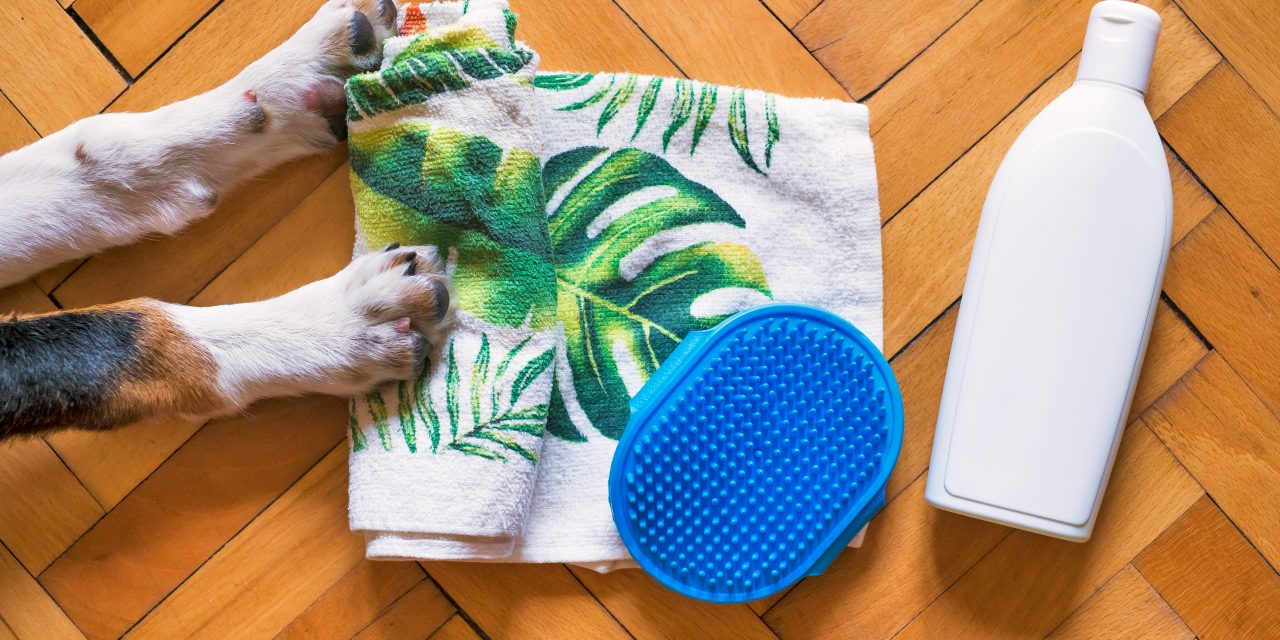
Selecting the appropriate shampoo for your canine companion is a critical aspect of pet care that often goes overlooked. Many pet owners may not realize that dogs have unique skin characteristics that necessitate specialized grooming products. The skin of a dog serves as a protective barrier against environmental factors, allergens, and pathogens. Therefore, using the right shampoo is essential not only for maintaining cleanliness but also for ensuring the overall health and well-being of your pet.
The significance of choosing the right shampoo extends beyond mere aesthetics. A dog’s skin has a different structure and pH level compared to human skin, which can lead to adverse reactions if inappropriate products are used. Understanding these differences can help pet owners make informed decisions that promote their dog’s skin health and comfort. This article will delve into the various aspects of dog shampoo, including its formulation, potential risks associated with human shampoos, and how to choose the best product for your furry friend.
The pH Difference: Why Dog Skin Needs Special Care
The pH level of a dog’s skin typically ranges from 6.2 to 7.4, which is slightly more alkaline than human skin, which has a pH of around 5.5. This difference is crucial because it affects the skin’s barrier function and its ability to retain moisture. A dog’s skin is designed to protect against external irritants and pathogens, and maintaining an optimal pH balance is essential for this protective function.
When human shampoos are used on dogs, they can disrupt this delicate pH balance, leading to dryness, irritation, and increased susceptibility to infections. The alkaline nature of human shampoos can strip away natural oils, resulting in compromised skin integrity. Therefore, it is imperative to select shampoos specifically formulated for canine use, as they are designed to maintain the appropriate pH levels while providing effective cleansing.
Ingredients in Human Shampoo That Can Harm Dogs

Human shampoos often contain a variety of ingredients that can be detrimental to a dog’s skin and overall health. Common components such as sulfates, parabens, fragrances, and artificial colors can cause allergic reactions or irritate sensitive canine skin. Sulfates, for instance, are harsh detergents that can strip away essential oils, leading to dryness and discomfort.
Additionally, many human shampoos contain synthetic fragrances that may be pleasant for humans but can trigger allergic reactions in dogs. These reactions can manifest as itching, redness, or even more severe dermatological issues. Parabens, which are used as preservatives in many cosmetic products, have been linked to hormonal disruptions in both humans and animals. Consequently, it is crucial for pet owners to scrutinize ingredient labels carefully and avoid products that contain harmful substances.
How Dog Shampoo Formulations Cater to Canine Skin

Dog shampoos are meticulously formulated to cater specifically to the unique needs of canine skin. These products often contain natural ingredients such as oatmeal, aloe vera, and coconut oil, which provide soothing properties and hydration. Oatmeal is particularly beneficial for dogs with sensitive skin or allergies, as it helps alleviate itching and inflammation.
Moreover, dog shampoos are designed to maintain the appropriate pH balance while effectively removing dirt and debris without stripping essential oils. Many formulations also include antibacterial or antifungal agents that help prevent skin infections and promote overall skin health. By utilizing ingredients that are gentle yet effective, dog shampoos ensure that your pet’s coat remains clean and healthy without compromising their skin’s integrity.
The Risks of Using Human Shampoo on Dogs
Using human shampoo on dogs poses several risks that can lead to significant health issues. One of the most immediate concerns is skin irritation, which can manifest as redness, itching, or flaking. Prolonged exposure to inappropriate products can exacerbate these symptoms and lead to chronic dermatological conditions.
In addition to irritation, using human shampoo can disrupt the natural microbiome of a dog’s skin. This disruption can result in an overgrowth of harmful bacteria or fungi, leading to infections such as pyoderma or yeast dermatitis. Furthermore, if a dog has pre-existing skin conditions such as allergies or sensitivities, using human shampoo can worsen these issues and complicate treatment efforts.
Benefits of Using Dog-Specific Shampoo
Opting for dog-specific shampoo offers numerous benefits that contribute to your pet’s overall health and well-being. Firstly, these products are formulated with ingredients that are safe and effective for canine use, minimizing the risk of adverse reactions. Many dog shampoos also contain moisturizing agents that help maintain the skin’s natural barrier function.
Additionally, dog shampoos often come in various formulations tailored to specific needs—such as hypoallergenic options for sensitive skin or medicated shampoos for treating specific conditions like dermatitis or seborrhea. This versatility allows pet owners to choose products that best suit their dog’s individual requirements.
Moreover, using dog-specific shampoo can enhance the bond between pet and owner during grooming sessions. The pleasant scents and gentle formulations create a positive experience for both parties, making bath time less stressful for your furry friend.
Several myths persist regarding the use of human shampoo on dogs that can lead to confusion among pet owners. One common misconception is that all shampoos are created equal; however, this is far from the truth. As previously discussed, the pH levels and ingredient compositions differ significantly between human and canine products.
Another myth is that occasional use of human shampoo will not harm dogs; however, even infrequent exposure can lead to skin irritation or other complications over time. Additionally, some pet owners believe that natural or organic human shampoos are safe for dogs; while these products may be gentler than conventional options, they still may not meet the specific needs of canine skin.
Signs Your Dog’s Skin Is Reacting to the Wrong Shampoo
Recognizing signs of an adverse reaction to shampoo is crucial for maintaining your dog’s skin health. Common indicators include excessive scratching or licking, redness or inflammation of the skin, dry or flaky patches, and an unpleasant odor emanating from the coat. In severe cases, you may notice hair loss or the development of sores.
If you observe any of these symptoms after using a new shampoo on your dog, it is essential to discontinue use immediately and consult with a veterinarian. They can provide guidance on appropriate treatment options and recommend suitable alternatives tailored to your dog’s specific needs.
Choosing the Right Dog Shampoo for Your Pet’s Needs
Selecting the right dog shampoo involves considering several factors related to your pet’s individual requirements. Begin by assessing your dog’s coat type—whether it is short-haired or long-haired—as well as any specific skin conditions they may have. For instance, dogs with dry or sensitive skin may benefit from moisturizing formulas containing oatmeal or aloe vera.
Additionally, consider any allergies your dog may have when choosing a shampoo. Hypoallergenic options are available for pets prone to allergic reactions or sensitivities. If your dog has a medical condition such as dermatitis or flea infestations, consult with your veterinarian for recommendations on medicated shampoos designed to address these issues effectively.
Lastly, always read ingredient labels carefully before making a purchase. Look for natural ingredients free from sulfates, parabens, and artificial fragrances to ensure you are selecting a safe product for your furry friend.
Homemade Dog Shampoo: Pros and Cons
Homemade dog shampoo has gained popularity among pet owners seeking natural alternatives to commercial products. One significant advantage of homemade formulations is the ability to control ingredients and avoid harmful chemicals commonly found in commercial shampoos. Simple recipes often include ingredients like oatmeal, baking soda, and apple cider vinegar—each offering unique benefits for canine skin.
However, there are also drawbacks to consider when opting for homemade solutions. One concern is ensuring that the pH balance remains appropriate for canine skin; improper formulations could lead to irritation or other complications. Additionally, homemade shampoos may lack certain beneficial additives found in commercial products—such as antibacterial agents or conditioners—that promote overall coat health.
Ultimately, if you choose to create homemade dog shampoo, it is essential to research recipes thoroughly and consult with a veterinarian if you have any concerns about safety or efficacy.
Prioritizing Your Dog’s Skin Health with Proper Shampoo Choices
In conclusion, selecting the right shampoo for your dog is paramount in promoting their skin health and overall well-being. Understanding the differences between canine and human skin care products allows pet owners to make informed decisions that minimize risks associated with inappropriate formulations. By choosing dog-specific shampoos tailored to your pet’s unique needs—whether they require moisturizing properties or treatment for specific conditions—you can ensure their coat remains clean and healthy.
Moreover, dispelling common myths surrounding dog grooming products empowers pet owners to prioritize their furry friends’ health effectively. By recognizing signs of adverse reactions and consulting with veterinarians when necessary, you can take proactive steps toward maintaining optimal skin health for your beloved companion.
Ultimately, investing time in understanding your dog’s grooming needs will yield long-term benefits—both in terms of their physical comfort and the bond you share during grooming sessions. Prioritize your dog’s skin health by making informed choices about their shampoo today!
FAQs
What are the main differences between dog shampoo and human shampoo?
Dog shampoo is specifically formulated to meet the pH balance of a dog’s skin, which is typically more alkaline than human skin. Human shampoos often contain ingredients that can be harsh on a dog’s skin, such as sulfates and fragrances, which can lead to irritation or allergic reactions. Additionally, dog shampoos may include ingredients that target specific canine issues, such as fleas or dry skin.
Can I use human shampoo on my dog in an emergency?
While it may be tempting to use human shampoo on your dog in an emergency, it is not recommended. Human shampoos can disrupt the natural oils in a dog’s skin, leading to dryness, irritation, or allergic reactions. If you must use human shampoo, choose a mild, unscented formula and rinse thoroughly, but it is best to use a product specifically designed for dogs whenever possible.
What ingredients should I look for in dog shampoo?
When selecting a dog shampoo, look for natural ingredients that are gentle on the skin, such as oatmeal, aloe vera, or coconut oil. Avoid shampoos with harsh chemicals, artificial fragrances, or dyes. If your dog has specific skin conditions, consider shampoos with medicated ingredients like chlorhexidine or hydrocortisone, but consult your veterinarian first.
How often should I bathe my dog with dog shampoo?
The frequency of bathing your dog depends on their breed, coat type, and lifestyle. Generally, dogs should be bathed every 4 to 6 weeks, but active dogs or those with skin issues may require more frequent baths. Always monitor your dog’s skin condition and consult your veterinarian for personalized recommendations.
Are there any benefits to using dog shampoo over human shampoo?
Yes, using dog shampoo offers several benefits, including maintaining the proper pH balance of your dog’s skin, preventing irritation and allergic reactions, and addressing specific canine skin issues. Dog shampoos are formulated to clean effectively without stripping essential oils, helping to keep your dog’s coat healthy and shiny.