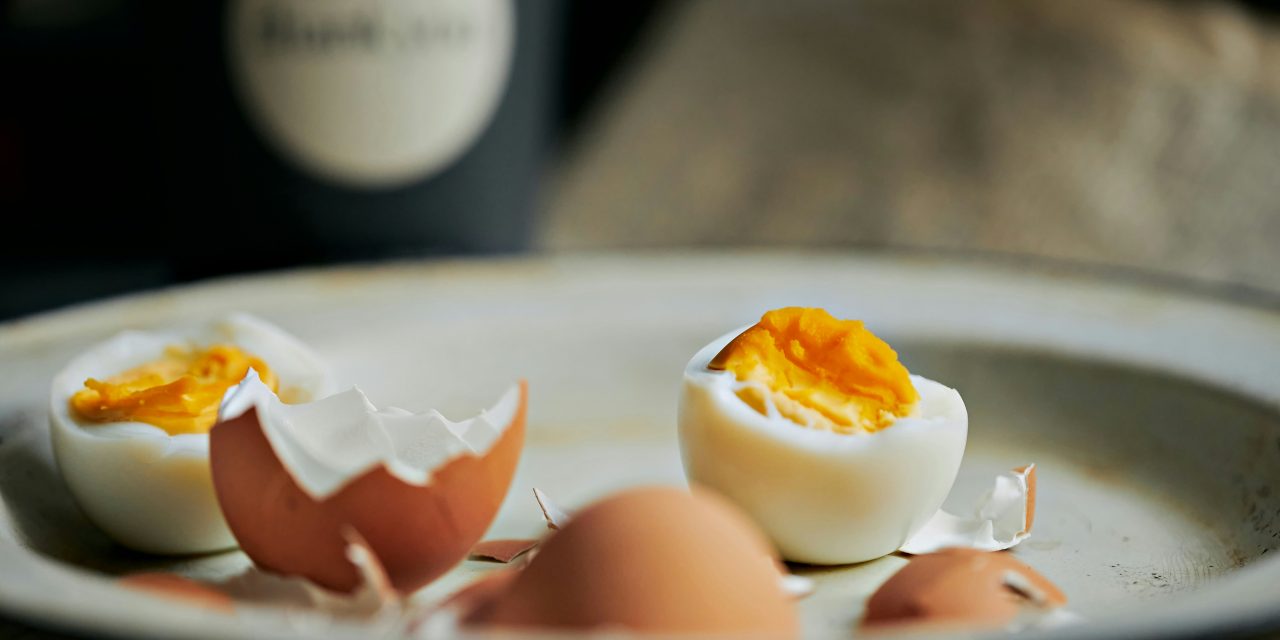
Boiling eggs is a culinary technique that, while seemingly simple, involves intricate scientific principles. The primary component of an egg is its protein structure, which undergoes denaturation when exposed to heat. This process transforms the liquid egg white and yolk into a solid state, resulting in the familiar texture of a boiled egg. The temperature at which this transformation occurs is crucial; egg whites begin to coagulate at approximately 140°F (60°C), while yolks solidify at around 150°F (65°C). Understanding these temperatures is essential for achieving the desired doneness, whether soft-boiled or hard-boiled.
Moreover, the pH level of the egg white plays a significant role in the boiling process. Fresh eggs have a lower pH, making them more acidic, which can cause the proteins to bond tightly to the shell membrane. As eggs age, their pH increases, leading to a more alkaline environment that allows for easier peeling post-boiling. This chemical reaction is fundamental to mastering the art of boiling eggs and achieving optimal results.
If you’re looking for the perfect way to boil eggs, you might find it helpful to check out this article that offers some great tips and techniques. Boiling eggs can be tricky, but with the right guidance, you can achieve the perfect hard-boiled or soft-boiled egg every time. For additional insights on caring for your pets while you cook, you can also explore this related article on cat boarding options: Top 10 Cat Boarding Near Me: Safe & Cozy Stays for Your Feline Friend.
Choosing the Right Eggs for Boiling
Selecting the appropriate eggs is paramount for successful boiling. Freshness is often touted as a virtue in culinary practices; however, when it comes to boiling, slightly older eggs are preferable. Fresh eggs tend to adhere more firmly to their shells, making peeling a challenge after cooking. Ideally, eggs that are one to two weeks old strike a balance between freshness and ease of peeling.
When purchasing eggs, consider their grade and size. Grade AA eggs are typically fresher and have firmer whites, while Grade A and B eggs may be more suitable for boiling due to their slightly older age. Additionally, large eggs are often recommended for boiling as they provide a more substantial yolk-to-white ratio, enhancing flavor and texture. Always check for cracks or imperfections in the shell, as these can compromise the integrity of the egg during boiling.
Preparation techniques vary significantly between fresh and older eggs. For fresh eggs, it is advisable to allow them to reach room temperature before boiling. This practice minimizes the risk of cracking due to thermal shock when transitioning from a cold environment to boiling water. To achieve this, simply remove the eggs from the refrigerator about 30 minutes prior to cooking.
Conversely, older eggs require minimal preparation. Their higher pH levels naturally facilitate easier peeling post-boiling. However, if you wish to enhance this effect further, consider using a pin to poke a small hole in the rounded end of each egg before boiling. This technique allows steam to escape during cooking, reducing pressure buildup and minimizing the likelihood of cracks.
The Ideal Water Temperature and Boiling Method

The water temperature and boiling method significantly influence the outcome of boiled eggs. Start by placing the eggs in a single layer at the bottom of a pot and covering them with cold water—approximately an inch above the eggs. Gradually heating the water allows for even cooking and reduces the risk of cracking.
Once the water reaches a rolling boil, there are two primary methods for boiling: the traditional method and the steam method. The traditional method involves maintaining a gentle boil for the desired cooking time, while the steam method entails placing a steamer basket over simmering water and allowing steam to cook the eggs. The steam method is often preferred for its ability to produce evenly cooked eggs with less risk of cracking.
Timing is Everything: How Long to Boil for Perfect Doneness

Timing is critical when boiling eggs, as it directly correlates with doneness. For soft-boiled eggs with a runny yolk, aim for 4-6 minutes of boiling time. For medium-boiled eggs with a slightly firmer yolk, 7-9 minutes is ideal. Hard-boiled eggs require 10-12 minutes of boiling time for a fully set yolk.
To ensure accuracy, consider using a timer and adjusting based on your stove’s heat output and altitude, as these factors can affect cooking times. After reaching your desired doneness, promptly transfer the eggs to an ice bath to halt the cooking process and preserve their texture.
If you’re looking to perfect your egg boiling technique, you might find it helpful to explore some related culinary tips. For instance, a great article on quick meal preparation can be found here, where you can discover various easy no-cook freezer meals that can complement your boiled eggs perfectly. This resource offers practical advice that can enhance your cooking skills and streamline your meal planning.
Cooling Techniques: The Key to Easy Peeling
Cooling techniques play an essential role in facilitating easy peeling after boiling. An ice bath—composed of equal parts ice and water—provides rapid cooling that contracts the egg’s interior away from the shell, making peeling simpler. Submerge the boiled eggs in this ice bath for at least five minutes after cooking.
Alternatively, if an ice bath is unavailable, running cold water over the boiled eggs can also be effective. However, this method may not cool the eggs as rapidly as an ice bath, potentially leading to more stubborn shells during peeling.
If you’re looking for the perfect way to boil eggs, you might find it helpful to explore some additional cooking tips that can enhance your culinary skills. For instance, understanding the nuances of timing and temperature can make a significant difference in achieving the ideal texture. You can read more about related kitchen techniques in this informative article. To learn more about various cooking methods, check out this helpful resource that provides insights into effective cooking practices.
Cracking and Peeling: Tips to Avoid Shell Fragments
Cracking and peeling boiled eggs can be frustrating experiences that detract from their presentation. To minimize shell fragments during peeling, start by gently tapping the egg on a hard surface to create small cracks all over its shell. This technique allows for easier removal of larger pieces without compromising the egg’s integrity.
Additionally, peeling under running water can help wash away any stubborn shell fragments that cling to the egg white. This method not only aids in removing bits of shell but also keeps your hands clean during the process.
Using Baking Soda or Vinegar for Easier Peeling
Incorporating baking soda or vinegar into your boiling process can significantly enhance peeling ease. Adding one teaspoon of baking soda to the boiling water raises the pH level of the egg whites, further loosening their bond with the shell membrane. This simple addition can yield remarkable results in terms of peelability.
Alternatively, vinegar can be used as well; adding a tablespoon of vinegar to the boiling water can help soften the shell’s outer layer due to its acidic properties. Both methods are effective in reducing frustration during peeling and ensuring a smooth experience.
Storing Boiled Eggs Properly for Maximum Freshness
Proper storage of boiled eggs is crucial for maintaining their freshness and quality. Once cooled, store boiled eggs in their shells in an airtight container in the refrigerator. This practice helps prevent moisture loss and protects them from absorbing odors from other foods.
Boiled eggs can typically be stored in the refrigerator for up to one week. If you plan on using them later, consider labeling them with the date they were boiled to ensure optimal freshness when consumed.
Troubleshooting Common Boiling and Peeling Problems
Despite careful preparation and execution, issues may arise during boiling or peeling that require troubleshooting. Common problems include cracked shells during boiling or difficulty peeling after cooking. To address cracked shells, ensure that your water temperature gradually increases rather than starting with cold water; this minimizes thermal shock.
If peeling proves challenging despite following recommended techniques, consider revisiting your choice of egg freshness or employing baking soda or vinegar methods during boiling next time. Experimenting with different techniques can lead to improved outcomes over time.
Creative Uses for Perfectly Boiled Eggs Beyond Breakfast
Perfectly boiled eggs are versatile ingredients that extend far beyond breakfast dishes. They can be incorporated into salads such as classic Niçoise or potato salad, adding protein and richness to these meals. Additionally, deviled eggs offer an opportunity for creativity; experiment with various fillings such as avocado or spicy sriracha for unique flavor profiles.
Furthermore, boiled eggs can serve as garnishes for ramen or grain bowls, enhancing both nutrition and visual appeal. Their adaptability makes them an excellent choice for meal prep or quick snacks throughout the week.
In summary, mastering the art of boiling eggs involves understanding scientific principles related to protein denaturation and pH levels while selecting appropriate ingredients and employing effective techniques throughout preparation and cooking processes. By following these guidelines—from choosing slightly older eggs to utilizing cooling techniques—you can achieve perfectly boiled eggs every time while avoiding common pitfalls associated with cracking and peeling. With proper storage methods in place, you can enjoy these culinary delights well beyond breakfast hours by incorporating them into various dishes that showcase their versatility and nutritional benefits.
FAQs
What is the best method to boil eggs?
The best method to boil eggs involves placing them in a pot and covering them with cold water, ensuring the water level is about an inch above the eggs. Bring the water to a boil, then cover the pot and remove it from heat. Let the eggs sit for 9-12 minutes depending on your desired doneness, then transfer them to an ice bath to stop the cooking process.
How long should I boil eggs for hard-boiled versus soft-boiled?
<pFor hard-boiled eggs, you should let them sit in hot water for about 9-12 minutes. For soft-boiled eggs, aim for 4-6 minutes. The exact time can vary based on the size of the eggs and your altitude, so you may need to adjust accordingly.
Should I add salt or vinegar to the water when boiling eggs?
Adding salt or vinegar to the water is not necessary, but some people do it to help prevent cracking and make peeling easier. Salt can help firm up the egg whites if a crack occurs, while vinegar can help coagulate the egg whites quickly if they leak out.
How can I tell if an egg is fresh before boiling it?
A simple test to check the freshness of an egg is to place it in a bowl of water. Fresh eggs will sink and lay flat on the bottom, while older eggs will stand upright or float. Floating eggs should be discarded as they are likely spoiled.
What is the best way to peel boiled eggs?
The best way to peel boiled eggs is to tap them gently on a hard surface to crack the shell, then roll them to loosen the shell. Start peeling from the wider end, where there is usually an air pocket, which makes it easier to remove the shell. Peeling under running water can also help remove stubborn bits of shell.