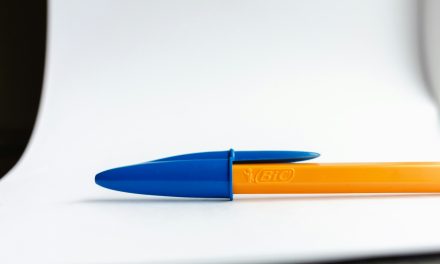
Permanent markers are widely used for their vibrant colors and durability, making them a popular choice for labeling and crafting. However, their ink is designed to adhere strongly to surfaces, including plastic, which can lead to unsightly stains that seem impossible to remove. The ink in permanent markers contains pigments, solvents, and resins that bond with the plastic, creating a long-lasting mark that can be challenging to eliminate. Understanding the chemical composition of these markers is crucial for selecting the appropriate removal method.
When permanent marker ink comes into contact with plastic, it can penetrate the surface, especially if the plastic is porous or textured. This penetration makes it difficult to simply wipe away the stain. Additionally, different types of plastics may react differently to various cleaning agents, which can either exacerbate the stain or damage the surface. Therefore, it is essential to approach the removal process with caution and knowledge of the materials involved.
If you’re looking for effective methods to remove permanent marker from plastic surfaces, you might find this article helpful: Top 10 Must-Have Dog Training Equipment for Every Pet Owner. While the primary focus of the article is on essential dog training tools, it also includes tips on maintaining a clean environment, which can be beneficial when dealing with stubborn stains like permanent marker.
Preparing Your Workspace and Materials
Before embarking on the task of removing permanent marker stains from plastic, it is vital to prepare your workspace effectively. Choose a well-ventilated area to minimize inhalation of fumes from cleaning agents. Gather all necessary materials to ensure a smooth cleaning process. Essential items include:
– Rubbing alcohol (isopropyl alcohol)
– Baking soda
– Water
– Hand sanitizer
– Nail polish remover (acetone-based)
– Magic eraser sponges
– Toothpaste (non-gel)
– WD-40
– Soft cloths or paper towels
– Gloves for skin protection
Having these materials on hand will streamline your efforts and reduce the likelihood of interruptions. Additionally, wearing gloves can protect your skin from harsh chemicals and prevent any potential irritation. It is also advisable to test any cleaning solution on a small, inconspicuous area of the plastic item before applying it to the stained area to avoid damage.
Using Rubbing Alcohol to Erase Marker Marks

Rubbing alcohol is one of the most effective solvents for removing permanent marker stains from plastic surfaces. Its high alcohol content helps dissolve the ink’s pigments and resins, making it easier to lift the stain. To use rubbing alcohol, follow these steps:
1. Dampen a soft cloth or cotton ball with rubbing alcohol.
2. Gently rub the stained area in a circular motion, applying light pressure.
3. Continue until the marker begins to lift away from the plastic.
4. Wipe the area with a clean cloth dampened with water to remove any residue.
This method is particularly effective for fresh stains, as older marks may require additional treatments. If necessary, repeat the process until the stain is completely removed. Rubbing alcohol is generally safe for most plastics; however, always conduct a patch test first.
Applying Baking Soda and Water Paste for Stubborn Stains

For more stubborn permanent marker stains that resist removal with rubbing alcohol, a baking soda and water paste can be an excellent alternative. Baking soda acts as a mild abrasive that can help lift stains without scratching the plastic surface. To create this paste:
1. Mix three parts baking soda with one part water in a small bowl until it forms a thick paste.
2. Apply the paste directly onto the stained area using your fingers or a soft cloth.
3. Allow it to sit for approximately 10-15 minutes to penetrate the stain.
4. Gently scrub the area with a soft cloth or sponge in circular motions.
5. Rinse thoroughly with water and dry with a clean cloth.
This method not only helps remove stubborn stains but also leaves the plastic surface looking refreshed and clean. Baking soda is non-toxic and environmentally friendly, making it an ideal choice for households with children or pets.
If you’re struggling with stubborn permanent marker stains on plastic surfaces, you might find it helpful to explore various removal techniques that can save your items. One effective method involves using rubbing alcohol or hand sanitizer, which can break down the ink and make it easier to wipe away. For more tips on maintaining your plants, you can also check out this informative article on why your snake plant leaves are turning yellow and how to fix it. Just click here to learn more about plant care.
Utilizing Hand Sanitizer as a Quick Fix
Hand sanitizer, particularly those containing high concentrations of alcohol, can serve as an effective quick fix for removing permanent marker stains from plastic surfaces. The alcohol content in hand sanitizer works similarly to rubbing alcohol but is often more accessible in everyday settings. To use hand sanitizer:
1. Apply a small amount of hand sanitizer directly onto the stained area.
2. Allow it to sit for a minute to penetrate the ink.
3. Use a soft cloth or paper towel to gently rub the stain away.
4. Wipe the area clean with a damp cloth to remove any residue.
This method is particularly useful for on-the-go situations where other cleaning supplies may not be readily available. However, it is essential to ensure that the hand sanitizer does not contain added dyes or fragrances that could potentially stain the plastic further.
Employing Nail Polish Remover Safely on Plastic
Nail polish remover, especially acetone-based formulas, can be highly effective in dissolving permanent marker ink from plastic surfaces. However, caution is necessary as acetone can also damage certain types of plastic, leading to discoloration or warping. To safely use nail polish remover:
1. Test a small amount of nail polish remover on an inconspicuous area of the plastic item.
2. If no adverse reaction occurs, apply a small amount of remover onto a cotton ball or soft cloth.
3. Gently dab the stained area without saturating it.
4. Wipe away the dissolved ink with a clean cloth.
5. Rinse thoroughly with water and dry.
This method should be used sparingly and only when other options have failed due to its potential for damaging delicate plastics.
Trying Magic Eraser Sponges for Effective Cleaning
Magic eraser sponges are renowned for their ability to tackle tough stains and marks on various surfaces, including plastic. These sponges contain melamine foam, which acts as a micro-abrasive cleaner that can lift stains without harsh chemicals. To utilize magic erasers effectively:
1. Wet the magic eraser sponge under running water and wring out excess moisture.
2. Gently rub the stained area in circular motions until the marker begins to lift.
3. Rinse the sponge frequently to avoid spreading ink back onto the surface.
4. Wipe down the area with a clean cloth after removing the stain.
Magic erasers are particularly effective for textured plastics where traditional cleaning methods may struggle. However, they should be used cautiously on glossy finishes as they may dull the surface over time.
Using Toothpaste for Gentle Marker Removal
Toothpaste, particularly non-gel varieties containing baking soda or whitening agents, can serve as an effective and gentle solution for removing permanent marker stains from plastic surfaces. The mild abrasives in toothpaste help lift stains without causing damage. To apply this method:
1. Squeeze a small amount of toothpaste onto a soft cloth or directly onto the stained area.
2. Gently rub in circular motions for about 1-2 minutes.
3. Wipe away excess toothpaste with a damp cloth.
4. Rinse thoroughly with water and dry.
This method is safe for most plastics and leaves behind a pleasant minty scent, making it an appealing option for household cleaning.
Leveraging WD-40 to Lift Permanent Marker Ink
WD-40 is not just a lubricant; it also serves as an effective solvent for removing stubborn stains like permanent marker ink from plastic surfaces. Its unique formulation helps dissolve inks while providing lubrication that prevents scratching during removal. To use WD-40:
1. Spray a small amount of WD-40 directly onto the stained area.
2. Allow it to sit for about 5 minutes to penetrate the ink.
3. Use a soft cloth or sponge to gently rub away the stain.
4. Wipe down with soap and water afterward to remove any oily residue.
While WD-40 is effective, it is essential to ensure proper ventilation during use due to its strong odor and chemical composition.
Preventing Future Stains on Plastic Surfaces
Preventing future permanent marker stains on plastic surfaces requires proactive measures and awareness of potential risks. Here are several strategies:
1. **Use Non-Permanent Markers**: Whenever possible, opt for non-permanent markers or dry-erase markers that can be easily wiped away without leaving residue.
2. **Protective Coatings**: Consider applying a clear protective coating or sealant on plastic items that are frequently used for labeling or crafting.
3. **Designated Areas**: Establish specific areas for using markers where spills are less likely to occur, such as on cutting boards or mats that are easy to clean.
4. **Educate Users**: If children are involved in activities using markers, educate them about proper usage and storage to minimize accidental marks on unintended surfaces.
By implementing these preventive measures, you can significantly reduce the likelihood of encountering permanent marker stains on your plastic items.
Tips for Maintaining Clean Plastic Items After Marker Removal
Once you have successfully removed permanent marker stains from plastic surfaces, maintaining their cleanliness requires ongoing care and attention. Here are some tips:
1. **Regular Cleaning**: Establish a routine cleaning schedule using mild soap and water to keep plastic items free from dirt and grime that may attract stains.
2. **Avoid Harsh Chemicals**: Steer clear of abrasive cleaners or harsh chemicals that could damage plastic surfaces over time.
3. **Store Properly**: Store plastic items in designated areas away from potential staining agents like markers or inks.
4. **Use Protective Covers**: For frequently used items, consider using protective covers or wraps that can shield against accidental marks.
By following these maintenance tips, you can prolong the life of your plastic items while keeping them looking pristine.
In summary, removing permanent marker stains from plastic surfaces requires an understanding of both the materials involved and effective cleaning methods tailored to specific situations. From using rubbing alcohol and baking soda paste to leveraging household items like toothpaste and WD-40, various solutions exist for tackling these stubborn stains effectively while minimizing damage to plastics. Preventive measures play an essential role in avoiding future stains, while regular maintenance ensures that your plastic items remain clean and functional over time.
FAQs
What are some common household items that can remove permanent marker from plastic?
Common household items that can effectively remove permanent marker from plastic include rubbing alcohol, hand sanitizer, nail polish remover (acetone), vinegar, and toothpaste. These substances can break down the ink and make it easier to wipe away.
Is it safe to use rubbing alcohol on all types of plastic?
While rubbing alcohol is generally safe for most plastics, it is advisable to test it on a small, inconspicuous area first. Some plastics may react negatively to alcohol, leading to discoloration or damage.
How can I use toothpaste to remove permanent marker from plastic?
To use toothpaste, apply a small amount directly onto the marker stain and rub it gently with a soft cloth or sponge. The mild abrasives in the toothpaste help lift the ink. Rinse the area with water afterward to remove any residue.
Can I use a commercial cleaner to remove permanent marker from plastic?
Yes, many commercial cleaners are designed to remove ink stains, including permanent markers. Look for products labeled as ink or stain removers, and follow the manufacturer’s instructions for best results.
What should I avoid when trying to remove permanent marker from plastic?
Avoid using abrasive materials like steel wool or harsh chemicals that can scratch or damage the plastic surface. Additionally, do not use bleach, as it can discolor the plastic and may not effectively remove the marker.