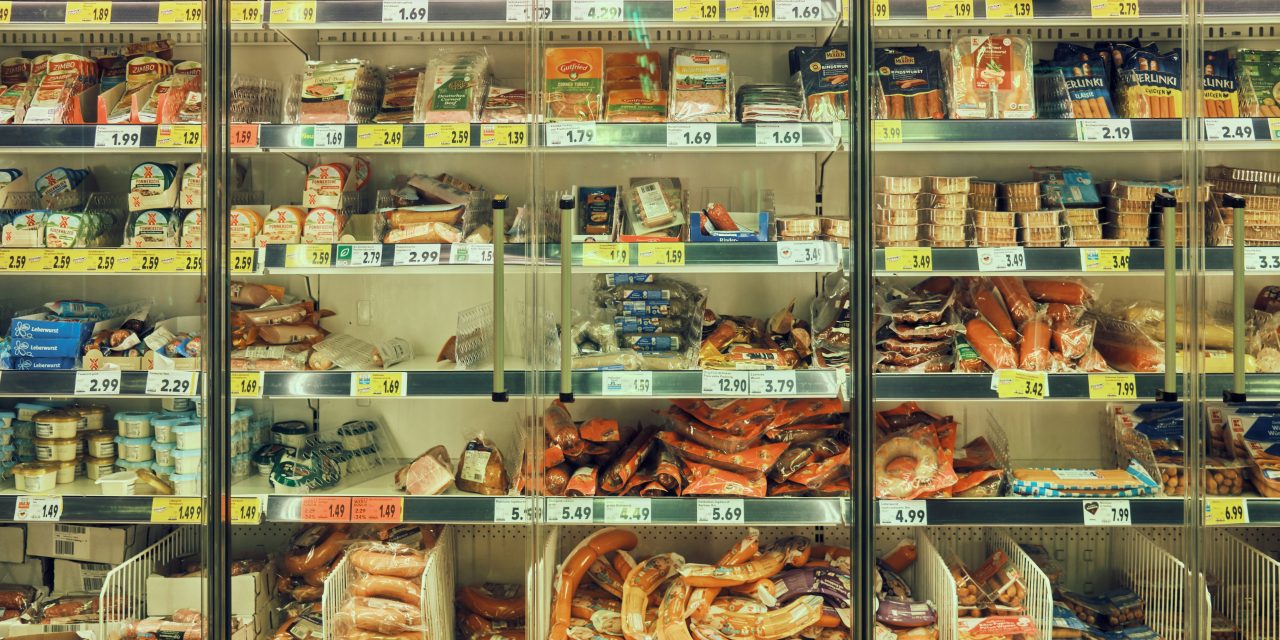
Sausages are a popular culinary delight enjoyed worldwide, ranging from fresh varieties to cured and smoked options. Understanding the shelf life of sausages is crucial for both food safety and quality. The shelf life of sausages can vary significantly based on several factors, including the type of sausage, its ingredients, and how it is stored. Fresh sausages, which contain raw meat, typically have a shorter shelf life compared to cured or smoked sausages that undergo preservation processes.
Generally, fresh sausages can last in the refrigerator for about one to two days, while cured sausages may last several weeks or even months if unopened. It is essential to recognize that these timeframes are influenced by storage conditions and the presence of preservatives. For optimal safety and quality, consumers should familiarize themselves with the specific type of sausage they are handling and adhere to recommended storage practices.
When considering the shelf life of sausages, it is important to understand various factors that can affect food preservation. A related article that delves into the science of food storage and the impact of environmental conditions is available at Understanding Efflorescence. This article explores how moisture and temperature can influence not only the longevity of food items but also the overall quality and safety of stored products.
Proper Storage Temperature for Sausages
Temperature plays a pivotal role in maintaining the quality and safety of sausages. The USDA recommends that sausages be stored at temperatures below 40°F (4°C) to inhibit bacterial growth. When sausages are kept at higher temperatures, the risk of spoilage increases significantly, leading to potential foodborne illnesses.
For fresh sausages, it is advisable to store them in the coldest part of the refrigerator, typically at the back, where temperatures remain more stable. Cured or smoked sausages can be stored in the pantry if they are vacuum-sealed and unopened; however, once opened, they should be refrigerated to maintain their integrity. Utilizing a thermometer can help ensure that your refrigerator maintains the appropriate temperature for safe sausage storage.
The Importance of Vacuum Sealing

Vacuum sealing is an effective method for extending the shelf life of sausages by removing air from the packaging. This process significantly reduces the presence of oxygen, which is a catalyst for spoilage and oxidation. By vacuum sealing sausages, you can prevent freezer burn and maintain flavor and texture over time.
Moreover, vacuum-sealed sausages can last up to three times longer than those stored in traditional packaging. For instance, fresh sausages can last up to six months in the freezer when vacuum-sealed compared to only two to three months in standard packaging. This method not only preserves quality but also enhances convenience for meal planning and reduces food waste.
Using Airtight Containers to Preserve Freshness

Airtight containers serve as another excellent option for preserving sausage freshness. These containers create a barrier against air and moisture, which can lead to spoilage. When storing opened packages of sausage, transferring them into airtight containers can help maintain their flavor and texture for a longer duration.
It is essential to choose containers made from food-grade materials that are free from harmful chemicals. Glass or BPA-free plastic containers are ideal choices. Additionally, labeling containers with dates can help track freshness and ensure that sausages are consumed within their optimal timeframe.
When considering the shelf life of sausages, it’s essential to understand how proper storage can significantly impact their longevity and safety. For those interested in maintaining a clean environment while handling food, you might find it helpful to read about effective cleaning methods, such as in this article on removing dog urine from carpets. This knowledge can be particularly useful if accidents happen in the kitchen, ensuring that your space remains hygienic while you enjoy your favorite sausages.
Freezing Sausages: Best Practices
Freezing is one of the most effective methods for extending the shelf life of sausages. To freeze sausages properly, it is crucial to wrap them tightly in plastic wrap or aluminum foil before placing them in a freezer-safe bag or container. This double-layer protection helps prevent freezer burn and maintains quality.
When freezing sausages, it is advisable to portion them into meal-sized servings to facilitate easier thawing and cooking later on. Additionally, labeling each package with the date of freezing ensures that you can monitor how long they have been stored. Ideally, sausages should be consumed within six months of freezing for optimal taste and texture.
When considering the shelf life of sausage, it’s important to understand how various factors can influence its freshness and safety for consumption. For a deeper insight into food preservation techniques and best practices, you might find this article on food storage methods particularly useful. It provides valuable information that can help you extend the shelf life of various meats, including sausage. You can read more about it in this related article.
Avoiding Cross-Contamination in the Refrigerator
Cross-contamination is a significant concern when storing sausages alongside other foods in the refrigerator. Raw meats can harbor harmful bacteria that may transfer to other items if not stored correctly. To mitigate this risk, it is essential to keep sausages separate from ready-to-eat foods such as fruits and vegetables.
Using separate shelves or bins for raw meats can help prevent cross-contamination. Additionally, employing proper hygiene practices such as using separate cutting boards and utensils for raw sausage preparation can further reduce the risk of bacterial spread. Regularly cleaning your refrigerator also contributes to a safer food storage environment.
Monitoring Expiration Dates and Packaging Labels
Expiration dates and packaging labels provide critical information regarding the safety and quality of sausages. It is essential to check these dates before purchasing or consuming any sausage product. Manufacturers typically indicate “sell by,” “use by,” or “best before” dates on packaging, which guide consumers on when to consume or discard products.
Understanding these labels can help prevent foodborne illnesses associated with spoiled sausages. If you notice any discrepancies between the date on the package and your intended use, it is best to err on the side of caution and discard the product. Always prioritize safety over wastefulness when it comes to perishable items.
Utilizing Natural Preservatives and Marinades
Natural preservatives can enhance the shelf life of sausages while also adding flavor. Ingredients such as salt, vinegar, and certain spices possess antimicrobial properties that inhibit bacterial growth. Incorporating these natural preservatives into homemade sausage recipes can significantly extend their freshness.
Marinades containing acidic components like citrus juice or vinegar not only enhance flavor but also act as preservatives due to their low pH levels. When marinating sausages before cooking or freezing, ensure that they are stored in airtight containers to maximize their effectiveness.
Handling Sausages with Clean Hands and Utensils
Proper hygiene practices are paramount when handling sausages to prevent contamination. Always wash your hands thoroughly with soap and water before and after handling raw meat products. Additionally, using clean utensils and cutting boards specifically designated for raw meats can help minimize the risk of cross-contamination.
It is advisable to avoid touching other surfaces or foods after handling raw sausages until you have washed your hands again. Implementing these hygiene practices not only protects your health but also ensures that your culinary creations remain safe for consumption.
Thawing Frozen Sausages Safely
Thawing frozen sausages requires careful attention to prevent bacterial growth. The safest method for thawing is to transfer them from the freezer to the refrigerator, allowing them to thaw gradually over several hours or overnight. This method maintains a safe temperature throughout the thawing process.
Alternatively, if you need to thaw sausages quickly, you can use the microwave’s defrost setting or submerge them in cold water while still sealed in their packaging. However, it is crucial to cook them immediately after thawing using these methods to ensure safety.
Signs Your Sausage Has Gone Bad and When to Discard
Recognizing signs of spoilage is essential for ensuring food safety when consuming sausages. Common indicators that sausage has gone bad include an off-putting odor, discoloration, slimy texture, or excessive dryness. If any of these signs are present, it is best to discard the sausage immediately.
Additionally, if you notice any changes in packaging integrity—such as tears or punctures—it may compromise the product’s safety. Always trust your senses; if something seems off about the sausage, it is better to err on the side of caution.
In summary, understanding sausage shelf life involves recognizing proper storage techniques, monitoring expiration dates, and employing safe handling practices. By utilizing methods such as vacuum sealing and freezing while avoiding cross-contamination, consumers can enjoy their favorite sausage varieties safely and deliciously for extended periods.
FAQs
What is the typical shelf life of fresh sausage?
Fresh sausage typically has a shelf life of 1 to 2 days when stored in the refrigerator. If frozen, it can last for up to 1 to 2 months while maintaining its best quality.
How long can cooked sausage be stored in the refrigerator?
Cooked sausage can be safely stored in the refrigerator for about 3 to 4 days. It should be kept in an airtight container to maintain freshness.
What factors affect the shelf life of sausage?
The shelf life of sausage can be affected by several factors, including the type of sausage (fresh, cooked, or cured), storage conditions (temperature and humidity), and whether it has been opened or vacuum-sealed.
Can you tell if sausage has gone bad?
Signs that sausage has gone bad include a sour or off smell, a slimy texture, discoloration, or the presence of mold. If any of these signs are present, it is best to discard the sausage.
Is it safe to eat sausage past its expiration date?
While some sausages may still be safe to eat shortly after their expiration date if stored properly, it is important to check for any signs of spoilage. When in doubt, it is safer to discard the sausage to avoid foodborne illness.