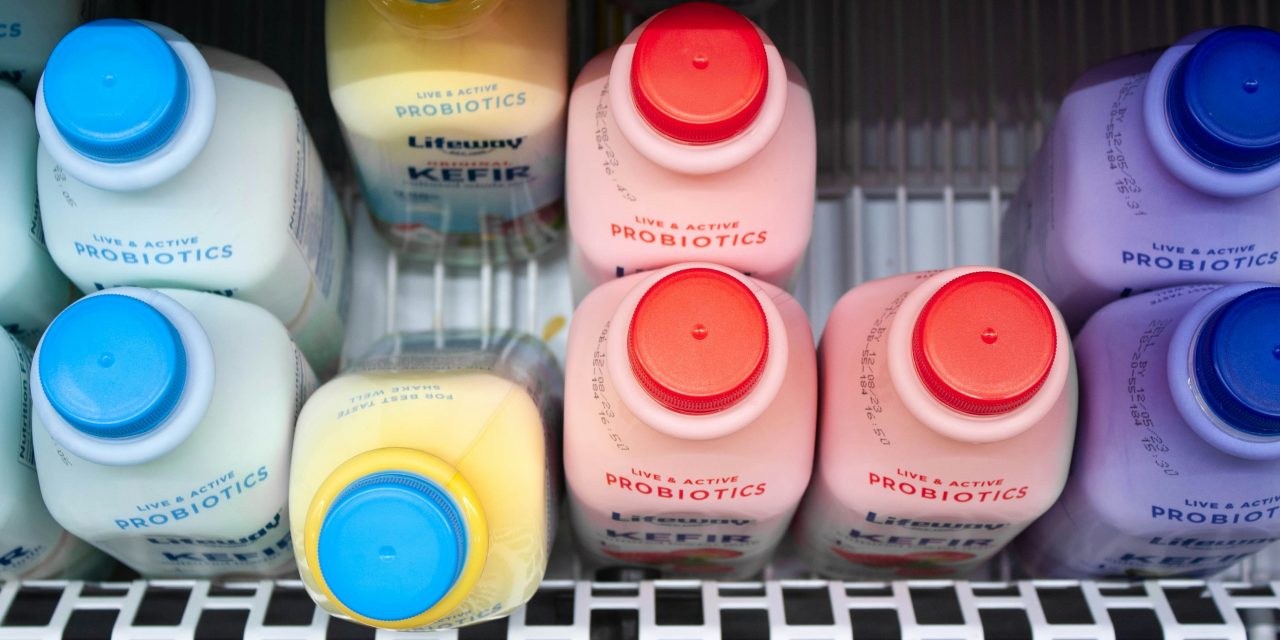
Oat milk has surged in popularity over the past few years, becoming a staple for those seeking dairy alternatives. This plant-based beverage is not only lactose-free but also rich in vitamins, minerals, and dietary fiber, making it an appealing choice for health-conscious consumers. However, understanding the shelf life of oat milk is crucial for ensuring its freshness and safety. The longevity of oat milk can vary significantly based on several factors, including packaging, storage conditions, and whether it has been opened or remains sealed. This article delves into the intricacies of oat milk shelf life, providing insights into how to maximize its freshness and safety.
The demand for oat milk has prompted manufacturers to innovate packaging solutions that enhance its longevity. With a variety of options available on the market, consumers must be informed about the best practices for storing this nutritious beverage. By understanding the factors that influence oat milk’s shelf life, individuals can make informed decisions about purchasing and consuming this popular dairy alternative.
Understanding the Packaging of Oat Milk
The packaging of oat milk plays a pivotal role in determining its shelf life. Most oat milk products are available in two primary types of packaging: shelf-stable cartons and refrigerated containers. Shelf-stable oat milk is typically packaged in aseptic cartons that protect the contents from light and air, allowing it to remain unrefrigerated until opened. This type of packaging is designed to extend the product’s shelf life significantly, often lasting several months or even up to a year when unopened.
Conversely, refrigerated oat milk is usually found in plastic or glass containers that require consistent refrigeration to maintain freshness. This type of packaging is often used for organic or minimally processed oat milk varieties, which may contain fewer preservatives. Understanding these packaging differences is essential for consumers who wish to maximize the shelf life of their oat milk while ensuring they are consuming a safe product.
Unopened Oat Milk: How Long Does It Last?

Unopened oat milk can last significantly longer than many consumers might expect. Shelf-stable oat milk typically has a shelf life ranging from 6 to 12 months when stored in a cool, dry place away from direct sunlight. The expiration date printed on the carton serves as a guideline for optimal quality; however, many products can remain safe for consumption beyond this date if stored correctly.
In contrast, refrigerated oat milk generally has a shorter shelf life, usually lasting between 7 to 10 days past its “sell by” or “use by” date when kept at a consistent temperature below 40°F (4°C). It is essential to check the packaging for specific expiration dates and storage recommendations to ensure that the product remains safe and enjoyable to consume.
Opened Oat Milk: Recommended Storage Duration

Once opened, oat milk’s shelf life diminishes considerably. For both shelf-stable and refrigerated varieties, it is generally recommended to consume opened oat milk within 7 to 10 days for optimal freshness and flavor. After this period, the risk of spoilage increases due to exposure to air and potential bacterial contamination.
To ensure that opened oat milk remains fresh for as long as possible, it is crucial to reseal the container tightly after each use. Additionally, storing the product in the refrigerator at a consistent temperature will help maintain its quality. Consumers should also be mindful of any changes in taste or texture, as these can indicate that the product is no longer suitable for consumption.
Factors Affecting the Freshness of Oat Milk
Several factors can influence the freshness and longevity of oat milk. One significant factor is temperature; fluctuations in temperature can lead to spoilage and degradation of quality. For instance, if oat milk is left out at room temperature for an extended period, it may spoil more quickly than if it had been consistently refrigerated.
Another critical factor is exposure to light and air. Packaging that is not airtight or that allows light penetration can accelerate the degradation process. Additionally, contamination from utensils or other food items can introduce bacteria that compromise the safety of the product. Therefore, maintaining proper hygiene during handling and storage is essential for preserving oat milk’s freshness.
Signs That Oat Milk Has Gone Bad
Identifying signs of spoilage in oat milk is crucial for ensuring safety and quality. Common indicators that oat milk has gone bad include changes in smell, taste, and texture. If the product emits an off-putting odor or develops a sour taste, it is advisable to discard it immediately.
Visual cues are also important; if you notice any separation or curdling in the liquid, this may indicate spoilage. Additionally, if there are any unusual colors or floating particles present, these could be signs of bacterial growth or contamination. Always err on the side of caution when assessing the quality of oat milk; if there are any doubts about its safety, it is best to dispose of it.
Proper Storage Tips for Maximizing Oat Milk Freshness
To maximize the freshness and longevity of oat milk, several storage tips should be followed. First and foremost, always store unopened cartons in a cool, dry place away from direct sunlight. Once opened, refrigerate the product immediately and ensure that it is tightly sealed after each use.
It is also advisable to keep oat milk away from strong-smelling foods in the refrigerator, as it can absorb odors easily. Using clean utensils when pouring out portions can help prevent contamination and prolong freshness. Lastly, consider labeling opened cartons with the date they were opened to keep track of their freshness and ensure timely consumption.
When comparing shelf life between refrigerated and shelf-stable oat milk, significant differences emerge. Shelf-stable oat milk boasts a longer shelf life due to its aseptic packaging, allowing it to remain safe for consumption without refrigeration until opened. This makes it an excellent option for those who may not consume oat milk frequently or who prefer to stock up on non-perishable items.
On the other hand, refrigerated oat milk typically offers a fresher taste due to its minimal processing but requires consistent refrigeration to maintain its quality. While it may have a shorter shelf life once opened, many consumers appreciate its flavor profile and nutritional benefits. Ultimately, the choice between these two types depends on individual preferences regarding taste, convenience, and storage capabilities.
How Temperature Fluctuations Impact Oat Milk Longevity
Temperature fluctuations can have a detrimental impact on the longevity of oat milk. When exposed to higher temperatures or inconsistent refrigeration, the risk of spoilage increases significantly. Bacteria thrive in warmer environments, leading to faster degradation of quality and safety.
To mitigate these risks, it is essential to store oat milk at a consistent temperature below 40°F (4°C) once opened. Avoid leaving oat milk out at room temperature for extended periods; even brief exposure can compromise its freshness. Additionally, consider using thermometers in refrigerators to monitor temperatures accurately and ensure optimal storage conditions.
Can You Freeze Oat Milk to Extend Its Life?
Freezing oat milk is an option that some consumers consider to extend its shelf life; however, it comes with caveats. While freezing can halt spoilage processes and prolong usability for several months, it may alter the texture and consistency upon thawing. The emulsion may break down during freezing, leading to separation or graininess when defrosted.
If you choose to freeze oat milk, pour it into airtight containers or freezer-safe bags while leaving some space for expansion during freezing. When ready to use, thaw it slowly in the refrigerator rather than at room temperature to minimize texture changes. After thawing, shake or stir well before consumption to recombine any separated components.
Best Practices for Storing Oat Milk Safely
In conclusion, understanding how to store oat milk properly is essential for maximizing its freshness and safety. By recognizing the differences between unopened and opened products, as well as considering factors such as temperature fluctuations and packaging types, consumers can make informed choices about their oat milk consumption.
To ensure optimal quality, always store unopened cartons in a cool place away from light and heat sources while refrigerating opened containers immediately after use. Be vigilant about signs of spoilage and adhere to recommended storage durations for both shelf-stable and refrigerated varieties. By following these best practices, individuals can enjoy their oat milk safely while reaping its numerous health benefits.
In summary, proper storage techniques are vital for maintaining the quality of oat milk over time. By adhering to guidelines regarding packaging types and storage conditions while being mindful of spoilage signs, consumers can enjoy this nutritious beverage without compromising safety or flavor.
FAQs
How long does opened oat milk last in the fridge?
Opened oat milk typically lasts about 7 to 10 days in the fridge. It’s important to check the expiration date on the packaging and to store it properly in a sealed container to maximize its freshness.
Can unopened oat milk go bad?
Unopened oat milk can last for several months past its expiration date if stored in a cool, dry place. However, once opened, it should be refrigerated and consumed within a week or so for the best quality.
What are the signs that oat milk has gone bad?
Signs that oat milk has gone bad include an off smell, changes in color, separation that doesn’t mix back together, and a sour taste. If you notice any of these signs, it’s best to discard the oat milk.
Does homemade oat milk last longer than store-bought?
Homemade oat milk generally has a shorter shelf life than store-bought varieties, lasting about 3 to 5 days in the fridge. This is due to the absence of preservatives found in many commercial oat milk products.
Can you freeze oat milk to extend its shelf life?
Yes, you can freeze oat milk to extend its shelf life. However, it may change in texture once thawed, becoming grainy or separated. It’s best to use frozen oat milk in cooking or baking rather than for drinking.