Green onions, also known as scallions or spring onions, are a popular ingredient in various culinary traditions due to their mild flavor and versatility. However, they are prone to wilting, which can significantly diminish their quality and usability. The primary reason for wilting is moisture loss. Green onions have a high water content, and when exposed to air, they can quickly dehydrate. This dehydration leads to a loss of crispness and flavor, making them less appealing for consumption.
Another contributing factor to wilting is improper storage conditions. Exposure to ethylene gas, which is emitted by certain fruits and vegetables, can accelerate the aging process of green onions. Additionally, fluctuations in temperature can cause stress to the plant cells, leading to wilting. Understanding these factors is crucial for maintaining the freshness of green onions and ensuring they remain a staple in your kitchen.
Choosing Fresh Green Onions for Longer Storage
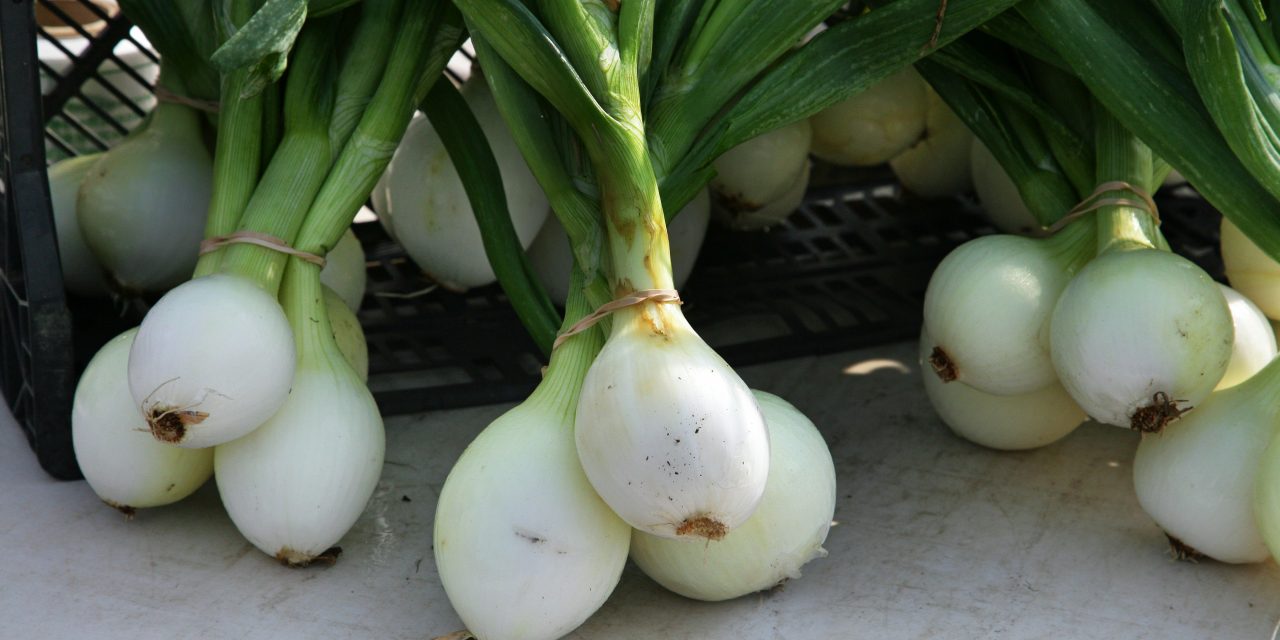
Selecting the right green onions at the grocery store or farmer’s market is essential for maximizing their shelf life. When choosing fresh green onions, look for vibrant green tops that are firm and upright. The bulbs should be white and free from any signs of browning or mushiness. Avoid any bunches that exhibit yellowing leaves or slimy textures, as these are indicators of age and potential spoilage.
Additionally, consider the size of the green onions. Thicker stalks tend to have a longer shelf life compared to thinner ones. This is because thicker stalks generally contain more moisture and nutrients, making them less susceptible to wilting. By selecting high-quality green onions, you can significantly extend their usability in your culinary endeavors.
Preparing Green Onions Before Storage

Proper preparation of green onions before storage is vital for maintaining their freshness. Begin by rinsing the green onions under cold running water to remove any dirt or debris. After washing, gently pat them dry with a clean kitchen towel or paper towel. Excess moisture can lead to mold growth during storage, so it’s crucial to ensure they are adequately dried.
Once cleaned, trim the root ends of the green onions using a sharp knife. This not only removes any decayed parts but also encourages the plant to absorb moisture more effectively during storage. If you plan to use only a portion of the green onions, consider cutting them into smaller sections before storing them. This allows for easier access and reduces the need for repeated handling, which can lead to further moisture loss.
Storing Green Onions in the Refrigerator

Refrigeration is one of the most effective methods for prolonging the freshness of green onions. To store them in the refrigerator, place the prepared green onions in a breathable container such as a mesh bag or a perforated plastic bag. This allows for air circulation while preventing excess moisture buildup, which can lead to spoilage.
It is advisable to store green onions in the crisper drawer of your refrigerator, where humidity levels are typically higher. This environment helps maintain moisture levels while keeping the temperature consistent. Avoid placing green onions near ethylene-producing fruits like apples and bananas, as this can hasten their deterioration.
Using a Jar with Water to Keep Green Onions Fresh
An innovative method for keeping green onions fresh involves using a jar with water. Begin by trimming the root ends of the green onions and placing them upright in a jar filled with about an inch of water. Ensure that only the roots are submerged while the green tops remain above water. Covering the jar loosely with a plastic bag can create a mini-greenhouse effect, retaining humidity without suffocating the plants.
This method not only keeps green onions hydrated but also allows them to continue growing if placed in a sunny spot. Change the water every few days to prevent bacterial growth and ensure optimal freshness. This technique is particularly useful for those who frequently use green onions in their cooking, as it provides easy access while maintaining quality.
Wrapping Green Onions in a Damp Paper Towel
Another effective storage technique involves wrapping green onions in a damp paper towel before placing them in a plastic bag or container. Start by lightly moistening a paper towel with water—ensure it is damp but not soaking wet. Lay the green onions flat on the towel and roll it up gently, ensuring that they are covered without being crushed.
Once wrapped, place the damp paper towel with the green onions inside a resealable plastic bag or an airtight container. This method helps maintain moisture levels while preventing excess condensation that could lead to spoilage. Store this package in the refrigerator’s crisper drawer for optimal results.
Utilizing Plastic Bags and Containers Effectively
Plastic bags and containers can be highly effective for storing green onions when used correctly. When opting for plastic bags, choose those that are perforated or designed for produce storage to allow airflow while retaining moisture. Avoid tightly sealing regular plastic bags, as this can trap moisture and promote decay.
For containers, select ones that are airtight but allow some ventilation. Glass containers with lids that have small vents work well for this purpose. Ensure that any container used is clean and dry before placing green onions inside to prevent contamination from bacteria or mold spores.
Freezing Green Onions for Extended Shelf Life
Freezing is an excellent option for extending the shelf life of green onions beyond their typical refrigeration period. To freeze green onions effectively, start by washing and chopping them into desired sizes—either finely diced or in larger pieces depending on your intended use.
Blanching is recommended before freezing; immerse chopped green onions in boiling water for about 30 seconds, then transfer them immediately into an ice bath to halt cooking. Drain thoroughly and spread them out on a baking sheet lined with parchment paper before placing them in the freezer until solid. Once frozen, transfer them into airtight freezer bags or containers labeled with the date for easy identification later.
Avoiding Common Storage Mistakes
Several common mistakes can lead to premature wilting or spoilage of green onions. One major error is neglecting to remove excess moisture before storage; this can create an environment conducive to mold growth. Additionally, storing green onions alongside ethylene-producing fruits can accelerate their deterioration.
Another mistake is failing to check on stored green onions regularly. It’s essential to inspect them periodically for any signs of spoilage or wilting so that you can take corrective measures promptly. Lastly, avoid cutting green onions too far in advance of use; doing so increases their exposure to air and accelerates moisture loss.
Signs of Wilted or Spoiled Green Onions
Recognizing signs of wilting or spoilage in green onions is crucial for maintaining food safety and quality. Wilted green onions will exhibit limp tops that lack firmness and vibrancy; they may also appear discolored or have brown tips on the leaves. If you notice any slimy textures on the bulbs or roots, this indicates decay and should prompt immediate disposal.
Additionally, an off-putting odor may accompany spoiled green onions; fresh scallions should have a mild onion scent rather than a pungent or sour smell. If any part of the onion appears mushy or has developed mold, it is best to discard the entire bunch to avoid potential health risks.
Tips for Reviving Slightly Wilted Green Onions
If you find yourself with slightly wilted green onions, there are several methods you can employ to revive them effectively. One simple technique involves placing the wilted scallions in a glass of cold water for about 30 minutes; this allows them to rehydrate and regain some crispness.
Another method is to wrap them in a damp paper towel and place them inside a plastic bag in the refrigerator for several hours. The moisture from the towel will help restore their firmness without causing excess condensation that could lead to spoilage. These revival techniques can extend the usability of your green onions and reduce food waste.
In summary, understanding how to properly store and maintain green onions is essential for maximizing their freshness and usability in culinary applications. By selecting high-quality produce, preparing them correctly, and employing effective storage techniques such as refrigeration, water jars, damp towels, or freezing methods, you can significantly prolong their shelf life while avoiding common pitfalls associated with wilting and spoilage. Regularly inspecting your stored scallions will ensure you catch any signs of deterioration early on, allowing you to enjoy this versatile ingredient at its best.
FAQs
How should I store green onions in the refrigerator?
To store green onions in the refrigerator, place them in a jar or glass with enough water to cover the roots. Cover the tops loosely with a plastic bag to maintain humidity, and store them upright in the fridge. Change the water every few days to keep them fresh.
Can I store green onions in a plastic bag?
Yes, you can store green onions in a plastic bag. Wrap them in a damp paper towel and place them inside a perforated plastic bag. This method helps retain moisture while allowing for air circulation, preventing wilting.
Is it better to store green onions in water or dry?
Storing green onions in water is generally better for keeping them fresh longer. The water helps maintain moisture levels, preventing the green onions from wilting. However, if you prefer a dry method, ensure they are wrapped properly to avoid dehydration.
How long can green onions last when stored properly?
When stored properly in water or a damp environment, green onions can last up to two weeks in the refrigerator. If stored dry in a plastic bag, they may last about one week before starting to wilt.
Can I freeze green onions for long-term storage?
Yes, you can freeze green onions for long-term storage. Chop them into desired sizes, spread them on a baking sheet to freeze individually, and then transfer them to an airtight container or freezer bag. They can last up to six months in the freezer.