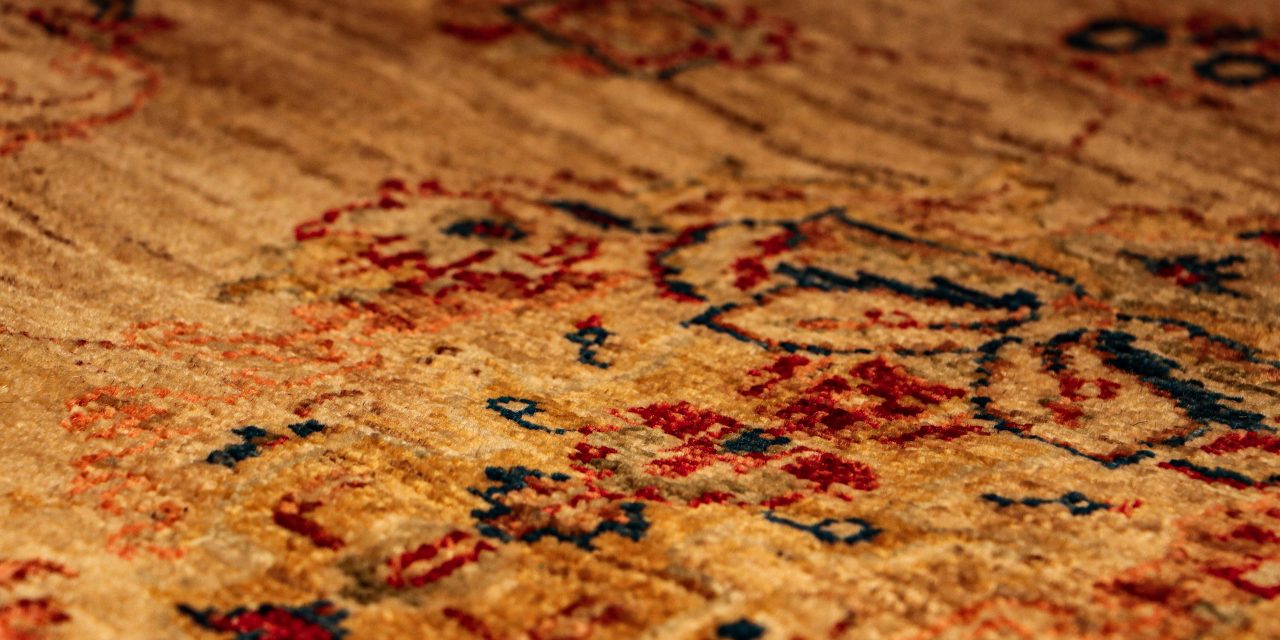
Carpet stains can be categorized into various types based on their origin and composition. The most common categories include organic stains, such as food and beverages, and inorganic stains, which may arise from substances like ink or paint. Organic stains often contain proteins, sugars, or acids that can react with carpet fibers, leading to discoloration or permanent damage if not treated promptly. In contrast, inorganic stains typically require specialized cleaning agents due to their chemical nature.
Another classification involves the age of the stain. Fresh stains are generally easier to remove than older ones, which may have set into the fibers over time. For instance, a recent coffee spill can often be blotted away with minimal effort, while a stain that has been allowed to dry may necessitate more aggressive cleaning methods. Understanding these distinctions is crucial for effective stain removal and maintaining the integrity of your carpet.
If you’re struggling with stubborn stains on your carpet, you might find it helpful to explore professional cleaning options. A related article discusses the top reasons for hiring a professional for home repairs, which can include carpet cleaning services. You can read more about it here: Top Reasons for Hiring a Professional for Home Repairs. This resource can provide valuable insights into why enlisting expert help can be beneficial for maintaining your home, including effective stain removal techniques for your carpets.
Immediate Actions: What to Do Right After a Spill
When a spill occurs, immediate action is paramount to prevent permanent staining. The first step is to act quickly; the longer a stain sits, the more difficult it becomes to remove. Begin by gently blotting the area with a clean, dry cloth or paper towel. Avoid rubbing, as this can push the stain deeper into the fibers and exacerbate the problem. Instead, apply light pressure to absorb as much liquid as possible.
After blotting, assess the type of stain you are dealing with. For example, if it’s a liquid like wine or juice, continue blotting until no more liquid is being absorbed. If the stain is solid or semi-solid, such as food particles, carefully scrape away any excess material with a dull knife or spoon before proceeding with further cleaning methods. This initial response can significantly influence the outcome of your cleaning efforts.
Choosing the Right Cleaning Products for Your Carpet

Selecting appropriate cleaning products is essential for effective stain removal without damaging your carpet. Look for cleaners specifically formulated for carpets, as they are designed to target various types of stains while being gentle on fibers. Always check for pH balance; products that are too acidic or alkaline can harm carpet materials.
Additionally, consider eco-friendly options that utilize natural ingredients. These products are often less harsh on both carpets and the environment. When choosing a cleaner, read labels carefully to ensure it is suitable for your specific carpet type—whether it be wool, nylon, or polyester—as different materials may react differently to certain chemicals. Testing any new product on an inconspicuous area before full application is also advisable to prevent discoloration or damage.
How to Use Vinegar and Baking Soda for Stain Removal

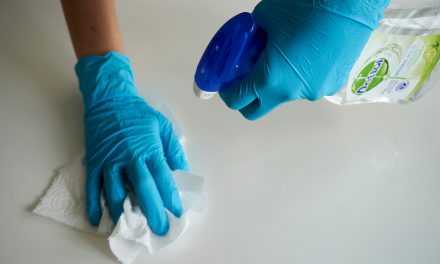
Vinegar and baking soda are two household staples that can be remarkably effective in combating carpet stains. Vinegar acts as a natural disinfectant and deodorizer due to its acetic acid content, while baking soda serves as an abrasive agent that can lift stains and neutralize odors. To create a powerful cleaning solution, mix equal parts of white vinegar and water in a spray bottle.
To apply this mixture, spray it directly onto the stained area and allow it to sit for approximately 5-10 minutes. This dwell time enables the solution to penetrate the fibers and break down the stain’s composition. Afterward, blot the area with a clean cloth until the stain begins to lift. For stubborn stains, sprinkle baking soda over the damp area after applying vinegar; this will create a fizzing reaction that further aids in lifting the stain from the carpet fibers.
If you’re looking to tackle tough stains on your carpet, you might find it helpful to explore some effective techniques. One resource that offers valuable insights is an article on essential knife skills for home cooks, which can be surprisingly relevant when it comes to preparing your cleaning tools and ingredients. You can read more about it here. Mastering these skills can enhance your overall cleaning experience, making it easier to handle various cleaning tasks around the house.
The Power of Club Soda in Removing Fresh Stains
Club soda is another effective remedy for fresh carpet stains due to its carbonation and mineral content. The bubbles in club soda help lift stains from carpet fibers while also providing a mild cleaning effect. To utilize club soda for stain removal, pour a small amount directly onto the affected area and let it sit for a few minutes.
After allowing the club soda to work its magic, blot the area with a clean cloth or paper towel. The carbonation will help dislodge the stain from the fibers, making it easier to absorb. This method is particularly effective for spills involving beverages like wine or soda, where immediate action can prevent lasting damage.
Using Dish Soap Effectively on Carpet Spots
Dish soap is not just for washing dishes; it can also be an effective tool for tackling carpet stains. Its surfactant properties allow it to break down grease and grime effectively. To use dish soap for spot cleaning, mix a few drops of mild dish soap with warm water in a bowl.
Using a clean cloth or sponge, dip it into the soapy solution and gently dab at the stained area. Avoid saturating the carpet; instead, focus on applying just enough solution to penetrate the stain without over-soaking the fibers. After treating the spot, rinse with plain water using another cloth to remove any soap residue, which can attract dirt if left behind.
Tackling Tough Stains: Wine, Coffee, and Pet Accidents
Certain stains pose more significant challenges than others, particularly those from wine, coffee, or pet accidents. Wine stains contain tannins that can bond with carpet fibers if not addressed quickly. For red wine spills, immediately blot with a clean cloth and then apply a mixture of white wine and club soda to neutralize the color.
Coffee stains can be equally stubborn due to their dark pigmentation and acidity. Blotting is crucial here as well; follow up with a solution of vinegar and water or dish soap mixed with warm water for effective removal.
Pet accidents require specialized attention due to both staining and odor concerns. Clean up solid waste promptly and blot any liquid with paper towels before applying an enzymatic cleaner designed specifically for pet stains. These cleaners break down organic matter and eliminate odors at their source.
The Role of Professional Carpet Cleaners and When to Call Them
While many stains can be managed with DIY methods, there are instances when professional intervention is necessary. If you encounter persistent stains that resist home remedies or if your carpet has not been cleaned in years, hiring a professional carpet cleaner may be your best option. These experts utilize advanced equipment and specialized cleaning solutions that can penetrate deep into carpet fibers.
Additionally, professional cleaners can address issues such as mold growth or allergens trapped within carpets that regular cleaning cannot resolve. It’s advisable to schedule professional cleanings every 12-18 months to maintain your carpet’s appearance and longevity.
Preventive Measures to Keep Your Carpet Stain-Free
Preventing stains before they occur is far more effective than attempting removal afterward. One of the most effective strategies is using area rugs in high-traffic zones or under dining tables where spills are likely to happen. Regular vacuuming also plays a crucial role in preventing dirt buildup that can lead to staining.
Applying a carpet protector can provide an additional layer of defense against spills and dirt penetration. These protectors create a barrier that repels liquids and makes cleaning easier if spills do occur. Regularly treating your carpets with these protective solutions can significantly extend their lifespan.
DIY Carpet Cleaning Solutions You Can Make at Home
Creating your own carpet cleaning solutions at home can be both cost-effective and environmentally friendly. A simple recipe involves mixing one cup of white vinegar with two cups of water and adding a tablespoon of dish soap for enhanced cleaning power. This solution can tackle various stains while being safe for most carpet types.
Another effective DIY solution includes combining hydrogen peroxide with baking soda to create a paste that can be applied directly to stubborn stains like ink or grease. Allow it to sit for several minutes before blotting away with a damp cloth.
Tips for Maintaining a Spotless Carpet Long-Term
Maintaining a spotless carpet requires consistent care and attention. Regular vacuuming should be performed at least once a week; however, high-traffic areas may require more frequent cleaning to prevent dirt accumulation. Additionally, consider using vacuum cleaners equipped with HEPA filters to trap allergens effectively.
Promptly addressing spills is crucial; always keep cleaning supplies readily available for immediate action when accidents occur. Furthermore, rotating furniture periodically can help prevent uneven wear on carpets and maintain their appearance over time.
In summary, understanding different types of carpet stains and employing immediate actions can significantly enhance your ability to maintain clean carpets. Choosing appropriate cleaning products tailored to your carpet type is essential for effective stain removal without causing damage. Utilizing household items like vinegar, baking soda, club soda, and dish soap provides accessible solutions for various stains while knowing when to call professionals ensures thorough care when needed. Preventive measures such as using area rugs and applying protectors contribute significantly to long-term maintenance strategies that keep carpets looking pristine for years to come.
FAQs
What are the most common types of stains on carpets?
The most common types of stains on carpets include food and beverage spills (like wine, coffee, and juice), pet accidents, ink, grease, and mud. Each type of stain may require a different cleaning approach for effective removal.
How can I remove a red wine stain from my carpet?
To remove a red wine stain, blot the area with a clean cloth to absorb excess wine. Then, sprinkle salt on the stain to absorb the liquid. After a few minutes, vacuum the salt and apply a mixture of dish soap, white vinegar, and water to the stain. Blot again and rinse with cold water.
Are there any household items that can help with stain removal?
Yes, several household items can assist with stain removal, including white vinegar, baking soda, dish soap, and hydrogen peroxide. These ingredients can be mixed in various combinations to create effective cleaning solutions for different types of stains.
Is it safe to use bleach on carpet stains?
Using bleach on carpet stains is generally not recommended, as it can discolor or damage the carpet fibers. Instead, opt for color-safe stain removers or natural cleaning solutions that are less harsh on carpets.
When should I consider professional carpet cleaning for stains?
You should consider professional carpet cleaning for stains that are large, deeply embedded, or resistant to home cleaning methods. Additionally, if the stain has been present for an extended period or if the carpet is delicate, professional services can ensure thorough and safe cleaning.