Food safety is a critical aspect of public health that often goes overlooked in daily life. Recognizing spoiled food is essential not only for preventing foodborne illnesses but also for ensuring optimal nutrition and taste. Spoiled food can harbor harmful pathogens, including bacteria, viruses, and parasites, which can lead to gastrointestinal distress and other serious health complications. According to the Centers for Disease Control and Prevention (CDC), approximately 48 million people in the United States experience foodborne illnesses each year, resulting in 128,000 hospitalizations and 3,000 deaths. Understanding how to identify spoiled food can significantly reduce these risks and promote a healthier lifestyle.
The ability to discern between fresh and spoiled food is a skill that can be developed through education and experience. This article aims to provide a comprehensive overview of the signs of food spoilage, the limitations of relying solely on smell, and practical tips for proper food storage. By combining sensory observations with scientific knowledge, individuals can make informed decisions about their food consumption, ultimately safeguarding their health and well-being.
Common Signs That Food Has Gone Bad
Identifying spoiled food involves recognizing various indicators that signal its deterioration. One of the most common signs is the presence of an off-putting odor. Fresh food typically has a pleasant aroma, while spoiled items may emit sour, rancid, or otherwise unpleasant smells. However, relying solely on smell can be misleading, as some harmful bacteria do not produce noticeable odors until significant spoilage has occurred.
Another prevalent sign of spoilage is the appearance of discoloration. Fruits and vegetables may develop dark spots or a dull appearance, indicating that they are no longer fresh. Meat may exhibit a change in color from bright red to a brownish hue, suggesting oxidation and potential spoilage. Additionally, the presence of slime or excessive moisture on the surface of food items can indicate bacterial growth and spoilage.
The Limitations of Relying on Smell Alone

While smell is a valuable tool in assessing food freshness, it has its limitations. Certain pathogens, such as Listeria monocytogenes and Salmonella spp., can proliferate without producing any discernible odors. This means that food may appear and smell acceptable while still harboring dangerous bacteria that can lead to severe illness. Furthermore, some individuals may have diminished olfactory senses due to age or medical conditions, making them less capable of detecting spoilage through smell alone.
Additionally, certain foods may mask spoilage odors with strong fragrances. For example, spices or marinades can overpower the natural scent of meat or fish, making it difficult to detect spoilage. Therefore, it is crucial to employ a multi-faceted approach when assessing food safety rather than relying solely on olfactory cues.
Visual Indicators of Food Spoilage

Visual inspection is an essential component of evaluating food freshness. Various visual indicators can signal spoilage, including changes in color, texture, and overall appearance. For instance, fruits such as apples may develop brown spots or wrinkled skin as they age, while leafy greens may wilt or turn yellow. In the case of dairy products, curdling or separation is a clear sign that the product has gone bad.
Meat products also exhibit distinct visual changes when spoiled. Fresh meat should have a vibrant color and a firm texture; however, spoiled meat may appear dull or discolored and feel sticky or slimy to the touch. Fish should have clear eyes and shiny skin; any cloudiness or dullness can indicate spoilage. By conducting thorough visual inspections before consumption, individuals can significantly reduce their risk of ingesting spoiled food.
Texture Changes: What to Look For
Texture changes are another critical indicator of food spoilage that should not be overlooked. Fresh produce typically has a crisp texture; however, as fruits and vegetables begin to spoil, they may become mushy or overly soft. For example, ripe tomatoes should yield slightly to pressure but remain firm; if they feel excessively squishy or have developed a slimy coating, they are likely past their prime.
In terms of meat products, texture changes can be particularly telling. Fresh meat should feel firm and moist but not sticky or tacky. If the surface feels excessively slippery or if there is an unusual film present, it is advisable to discard the product. Similarly, dairy products like yogurt should maintain a smooth consistency; any clumping or separation indicates spoilage.
The Role of Expiration and Use-By Dates
Expiration dates and use-by dates serve as important guidelines for determining food safety. These dates are established based on scientific research regarding the shelf life of various products and indicate when food is likely to be at its best quality. However, it is essential to understand that these dates are not absolute indicators of safety; many foods remain safe for consumption beyond their labeled dates if stored correctly.
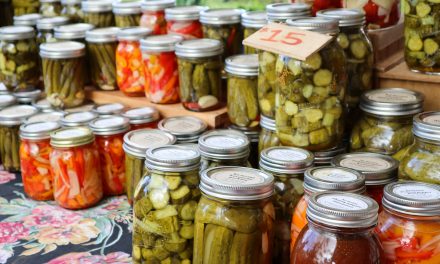
For instance, canned goods often retain their safety for years past their expiration dates if the cans remain intact and stored in a cool, dry place. Similarly, frozen foods can last indefinitely if kept at consistent freezing temperatures. It is crucial for consumers to use their judgment in conjunction with these dates by assessing visual and sensory indicators before deciding whether to consume a product.
Understanding Bacterial Growth Beyond Odor
Bacterial growth is a significant factor contributing to food spoilage and poses serious health risks if consumed. Pathogenic bacteria thrive in specific conditions—primarily in environments that are moist and warm. The “danger zone” for bacterial growth is between 40°F (4°C) and 140°F (60°C), where bacteria can multiply rapidly.
Understanding the growth patterns of bacteria can help individuals make informed decisions about food safety. For example, cooked foods should not be left at room temperature for more than two hours; after this time frame, bacterial growth can reach dangerous levels. Additionally, cross-contamination between raw and cooked foods can introduce harmful bacteria into otherwise safe items. Regularly cleaning surfaces and utensils used in food preparation is essential for minimizing these risks.
When Mold Is Visible: What It Means for Safety
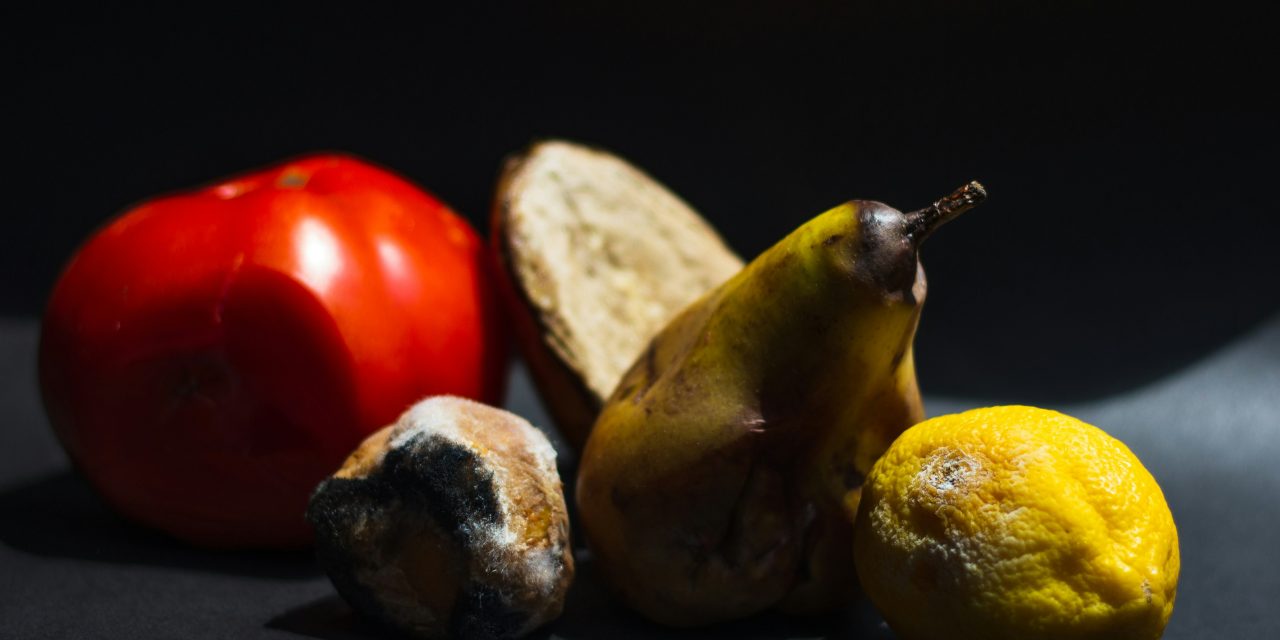
The presence of mold on food is often an alarming sight that raises questions about safety. Mold can appear as fuzzy patches in various colors—green, black, white, or blue—depending on the type of fungus present. While some molds are harmless and used in food production (such as in certain cheeses), others can produce mycotoxins that pose serious health risks.
When mold is visible on soft foods like bread or fruit, it is generally advisable to discard the entire item rather than attempting to cut away the affected portion. This is because mold roots can penetrate deeper into soft foods than what is visible on the surface. In contrast, hard cheeses may be salvageable by cutting away the moldy section with a generous margin around it; however, caution should still be exercised.
The Risks of Consuming Spoiled Food Despite Mild Smell
Even when spoiled food emits only mild odors or appears visually acceptable, consuming it can still pose significant health risks. Many pathogens responsible for foodborne illnesses do not produce strong odors until they have reached dangerous levels of growth. As such, individuals may mistakenly believe that mildly odorous food is safe to eat when it could harbor harmful bacteria.
Moreover, certain individuals—such as pregnant women, young children, the elderly, and those with compromised immune systems—are particularly vulnerable to the effects of consuming spoiled food. Symptoms of foodborne illness can range from mild gastrointestinal discomfort to severe complications requiring hospitalization. Therefore, erring on the side of caution when assessing food safety is always advisable.
Tips for Proper Food Storage to Prevent Spoilage
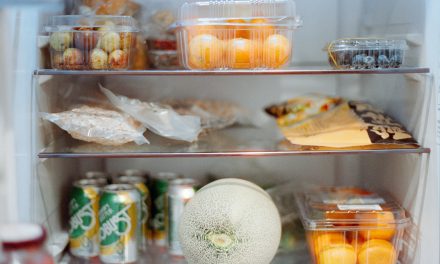
Preventing food spoilage begins with proper storage techniques that extend shelf life while maintaining safety. Here are several effective strategies:
1. **Temperature Control**: Keep perishable items refrigerated at temperatures below 40°F (4°C) and ensure freezers maintain temperatures at 0°F (-18°C) or lower.
2. **Sealing**: Use airtight containers or vacuum-sealed bags to minimize exposure to air and moisture that promote spoilage.
3. **Organization**: Practice FIFO (First In First Out) by placing older items at the front of your pantry or refrigerator to ensure they are used before newer purchases.
4. **Labeling**: Clearly label containers with purchase dates or expiration dates to keep track of freshness.
5. **Regular Inspections**: Routinely check your pantry and refrigerator for expired items or signs of spoilage to prevent cross-contamination.
By implementing these strategies consistently, individuals can significantly reduce the likelihood of encountering spoiled food.
Combining Senses and Knowledge for Food Safety
In conclusion, recognizing spoiled food requires a multifaceted approach that combines sensory observations with scientific understanding. While smell plays an important role in assessing freshness, it should not be relied upon exclusively due to its limitations in detecting certain pathogens. Visual indicators such as discoloration and texture changes provide valuable insights into food safety as well.
Understanding expiration dates and bacterial growth patterns further enhances our ability to make informed decisions about food consumption. By employing proper storage techniques and regularly inspecting our food supplies, we can minimize the risk of spoilage and safeguard our health.
Ultimately, combining our senses with knowledge empowers us to navigate the complexities of food safety effectively—ensuring that we enjoy nutritious meals without compromising our well-being.
### FAQ Section
1. **How long can I keep leftovers in the refrigerator?**
– Leftovers should generally be consumed within 3-4 days when stored properly in airtight containers.
2. **Is it safe to eat canned goods past their expiration date?**
– Yes, canned goods can often remain safe for years past their expiration date if stored correctly without damage.
3. **What should I do if I find mold on hard cheese?**
– You can cut away the moldy section with at least one inch around it; however, inspect for any unusual odors before consuming.
4. **How can I tell if meat has gone bad?**
– Look for discoloration (brownish hue), an off odor (sour or rancid), and a sticky texture as indicators of spoilage.
5. **What are some common symptoms of foodborne illness?**
– Symptoms may include nausea, vomiting, diarrhea, abdominal cramps, fever, and muscle aches.
6. **Can I wash off mold from fruits and vegetables?**
– Hard-skinned fruits and vegetables may be rinsed thoroughly; however, soft fruits should be discarded if mold is present.
7. **What temperature should my refrigerator be set at?**
– Your refrigerator should be maintained at or below 40°F (4°C) for optimal food safety.
8. **How do I prevent cross-contamination in my kitchen?**
– Use separate cutting boards for raw meats and other foods; regularly sanitize surfaces and utensils after use.
9. **Is it safe to eat eggs past their sell-by date?**
– Eggs can often remain safe for several weeks past their sell-by date if stored properly; perform a float test to check freshness.
10. **What are some signs that frozen food has gone bad?**
– Signs include freezer burn (white patches), off odors upon thawing, or changes in texture after cooking.
By understanding these aspects of food safety and spoilage detection methods thoroughly, individuals can take proactive steps toward maintaining their health while enjoying safe culinary experiences.
FAQs
What are some common signs that food has gone bad?
Common signs that food has gone bad include changes in color, texture, and appearance, such as mold growth, sliminess, or discoloration. Additionally, if the food has an off or sour smell, it may indicate spoilage. Expiration dates and sell-by dates can also provide guidance on food safety.
Why is smell not a reliable indicator of food spoilage?
Smell is not a reliable indicator of food spoilage because some harmful bacteria and pathogens do not produce any noticeable odors. Additionally, certain foods may emit strong smells even when they are still safe to eat, while others may smell fine but still harbor dangerous microorganisms. Therefore, relying solely on smell can lead to foodborne illnesses.
How can I properly store food to prevent spoilage?
To prevent spoilage, store food in airtight containers, keep perishable items in the refrigerator at or below 40°F (4°C), and freeze items that won’t be consumed soon. It’s also important to keep raw meats separate from other foods to avoid cross-contamination and to regularly check expiration dates and rotate food items.
What is the importance of checking expiration dates?
Checking expiration dates is important because they indicate the period during which the food is expected to remain safe and at its best quality. Consuming food past its expiration date can increase the risk of foodborne illnesses, as the safety and quality of the food may deteriorate over time.
Are there specific foods that spoil faster than others?
Yes, certain foods spoil faster than others. Perishable items such as dairy products, meats, and seafood have shorter shelf lives and require careful storage. Fruits and vegetables can also spoil quickly, especially if they are not stored properly. Processed foods and canned goods typically have longer shelf lives but should still be monitored for signs of spoilage.