Salsa, a vibrant and flavorful condiment, has its roots deeply embedded in Latin American cuisine, particularly Mexican. This versatile sauce is primarily composed of tomatoes, onions, chilies, and various spices, creating a delightful blend that enhances the taste of numerous dishes. The types of salsa vary widely, each offering a unique flavor profile and texture. Common varieties include salsa roja (red salsa), salsa verde (green salsa), pico de gallo (fresh salsa), and fruit-based salsas, such as mango or pineapple salsa. Each type showcases different ingredients and preparation methods, catering to diverse palates.
The primary ingredients in salsa are tomatoes, which serve as the base for many recipes. Fresh tomatoes provide a juicy texture and natural sweetness, while canned tomatoes offer convenience and longer shelf life. Onions add a sharp bite, while chilies contribute heat and complexity. Additional ingredients such as cilantro, lime juice, garlic, and spices can be incorporated to enhance flavor. The balance of these components is crucial in achieving the desired taste and consistency. For instance, a well-crafted salsa roja typically features roasted tomatoes blended with garlic and jalapeños, resulting in a smoky and spicy condiment that pairs beautifully with tortilla chips or grilled meats.
Factors Affecting Salsa Shelf Life
The shelf life of salsa is influenced by several factors, including its ingredients, preparation method, and storage conditions. Freshness of ingredients plays a significant role; for example, salsas made with fresh produce tend to have a shorter shelf life compared to those made with canned or preserved ingredients. Additionally, the acidity level in salsa can impact its longevity. Higher acidity levels, often achieved through the addition of vinegar or citrus juice, can inhibit bacterial growth and extend shelf life.
Storage conditions are equally important in determining how long salsa remains safe to consume. Salsa should be stored in airtight containers to minimize exposure to air and moisture, which can lead to spoilage. Temperature also plays a critical role; salsa should be kept refrigerated at temperatures below 40°F (4°C) to slow down the growth of microorganisms. Furthermore, the presence of preservatives in commercially produced salsas can significantly enhance their shelf life compared to homemade versions.
Typical Shelf Life of Opened Salsa in the Fridge

Once opened, the shelf life of salsa can vary based on its composition and storage practices. Generally, opened salsa can last between 5 to 7 days when stored properly in the refrigerator. However, this timeframe can be influenced by factors such as the type of salsa and its ingredients. For instance, salsas containing high levels of vinegar or citrus juice may last longer due to their acidic nature.
It is essential to note that while salsa may still be safe to consume within this timeframe, its quality may deteriorate over time. Changes in flavor, texture, and aroma can indicate that the salsa is past its prime. Therefore, it is advisable to consume opened salsa within a week for optimal taste and safety.
Signs Your Salsa Has Gone Bad

Identifying spoiled salsa is crucial for food safety. Several indicators can signal that your salsa has gone bad. One of the most apparent signs is an off-putting odor; if the salsa emits a sour or rancid smell, it is best to discard it immediately. Additionally, changes in color can indicate spoilage; for example, if the vibrant red or green hues have dulled or developed brownish tones, it may no longer be safe to eat.
Texture changes are also significant; if you notice excessive separation of liquid or the presence of mold on the surface, these are clear signs that the salsa has spoiled. Furthermore, tasting a small amount can help determine freshness; if the flavor is significantly altered or unpleasant, it is advisable to err on the side of caution and dispose of the product.
How to Properly Store Opened Salsa
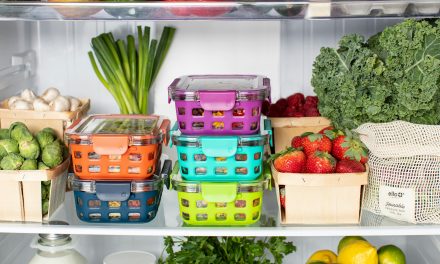
Proper storage techniques are essential for maximizing the shelf life of opened salsa. After opening, it is crucial to transfer the salsa into an airtight container if it is not already packaged in one. Glass jars or plastic containers with tight-fitting lids are ideal for preventing air exposure and moisture infiltration. It is also advisable to use clean utensils when scooping out salsa to avoid introducing bacteria into the container.
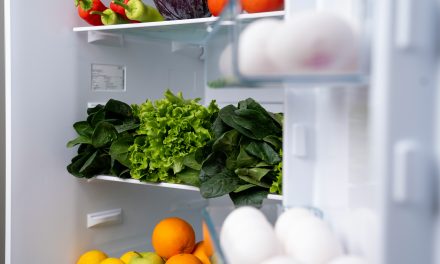
Refrigeration is vital for preserving salsa’s freshness; ensure that your refrigerator maintains a temperature below 40°F (4°C). Avoid leaving opened salsa at room temperature for extended periods, as this can promote bacterial growth. If you anticipate not consuming the salsa within a week, consider freezing it for longer storage.
The Role of Preservatives in Salsa Longevity
Preservatives play a significant role in extending the shelf life of commercially produced salsas. Common preservatives include sodium benzoate and potassium sorbate, which inhibit microbial growth and prevent spoilage. These additives allow manufacturers to offer products with longer shelf lives without compromising safety.
While preservatives can enhance longevity, some consumers prefer to avoid them due to health concerns or dietary restrictions. In such cases, homemade salsas made with fresh ingredients can be tailored to individual preferences but will typically have a shorter shelf life. Understanding the role of preservatives can help consumers make informed choices about their salsa options.
When comparing homemade and store-bought salsas, significant differences in shelf life become apparent. Store-bought salsas often contain preservatives that extend their longevity beyond that of homemade versions. Typically, commercially produced salsas can last several months unopened and up to a week once opened when stored correctly.
Conversely, homemade salsas lack these preservatives and are best consumed within a few days after preparation. The freshness of ingredients used in homemade salsas contributes to their superior flavor but also limits their shelf life. For those who prioritize taste over longevity, homemade salsas offer an unparalleled experience but require careful consumption within a short timeframe.
Can You Freeze Opened Salsa?
Freezing opened salsa is an effective method for extending its shelf life beyond refrigeration limits. When properly frozen, salsa can maintain its quality for up to 6 months. To freeze opened salsa, transfer it into freezer-safe containers or resealable plastic bags, leaving some space for expansion as the liquid freezes.
It is important to note that freezing may alter the texture of salsa upon thawing; ingredients such as tomatoes may become mushy due to ice crystal formation. However, the flavor will generally remain intact. To thaw frozen salsa, place it in the refrigerator overnight or use a microwave on low power settings.
Health Risks of Consuming Spoiled Salsa
Consuming spoiled salsa poses several health risks due to potential bacterial contamination. Pathogens such as Salmonella, E.coli, and Listeria can proliferate in improperly stored or expired salsa, leading to foodborne illnesses characterized by symptoms such as nausea, vomiting, diarrhea, and abdominal cramps.
Individuals with weakened immune systems, pregnant women, young children, and older adults are particularly vulnerable to severe complications from foodborne illnesses. Therefore, it is crucial to adhere to proper storage guidelines and discard any salsa that shows signs of spoilage.
Tips to Extend the Freshness of Salsa
To maximize the freshness of your salsa and prolong its shelf life, consider implementing several practical tips:
1. **Use Clean Utensils**: Always use clean spoons when serving salsa to prevent contamination.
2. **Store in Airtight Containers**: Transfer opened salsa into airtight containers immediately after use.
3. **Keep Refrigerated**: Ensure your refrigerator maintains a temperature below 40°F (4°C).
4. **Limit Exposure**: Minimize exposure to air by keeping containers tightly sealed.
5. **Freeze Excess**: If you have leftover salsa that you cannot consume within a week, freeze it for later use.
6. **Monitor Freshness**: Regularly check for signs of spoilage before consuming.
When in Doubt: When to Discard Opened Salsa
When faced with uncertainty regarding the freshness of opened salsa, it is always better to err on the side of caution. If you notice any signs of spoilage—such as off odors, discoloration, mold growth, or an unusual texture—discard the product immediately. Additionally, if you cannot recall when you opened the salsa or if it has been stored for longer than recommended timeframes (typically 5-7 days), it is prudent to dispose of it.
In conclusion, understanding the various aspects of salsa—from types and ingredients to storage practices—can significantly enhance your culinary experience while ensuring food safety. By adhering to proper storage guidelines and being vigilant about signs of spoilage, you can enjoy this flavorful condiment without compromising your health. Whether you prefer homemade or store-bought options, knowing how to extend freshness will allow you to savor every bite while minimizing waste.
In summary:
– Salsa comes in various types with distinct ingredients.
– Shelf life depends on factors like acidity and storage conditions.
– Opened salsa typically lasts 5-7 days in the fridge.
– Signs of spoilage include off odors and discoloration.
– Proper storage techniques are essential for maintaining freshness.
– Preservatives enhance longevity but may not be suitable for everyone.
– Freezing is an option for extending shelf life.
– Health risks associated with spoiled salsa necessitate caution.
– Implementing tips can help prolong freshness.
– When in doubt about freshness or safety, discard opened salsa immediately.
FAQs
How long does opened salsa last in the fridge?
Opened salsa typically lasts about 1 to 2 weeks in the refrigerator when stored properly in an airtight container. Always check for signs of spoilage before consuming.
What are the signs that opened salsa has gone bad?
Signs that opened salsa has gone bad include an off smell, discoloration, mold growth, or a change in texture. If you notice any of these signs, it’s best to discard the salsa.
Can I freeze opened salsa to extend its shelf life?
Yes, you can freeze opened salsa to extend its shelf life. When properly stored in a freezer-safe container, it can last for up to 6 months. However, the texture may change upon thawing.
Does the type of salsa affect how long it lasts in the fridge?
Yes, the type of salsa can affect its shelf life. Fresh salsa, which contains fewer preservatives, may spoil faster than jarred or commercially prepared salsa that often contains preservatives to extend its shelf life.
Should I store opened salsa in the original jar?
It is recommended to transfer opened salsa to an airtight container if the original jar is not resealable. This helps prevent contamination and keeps the salsa fresh for a longer period.