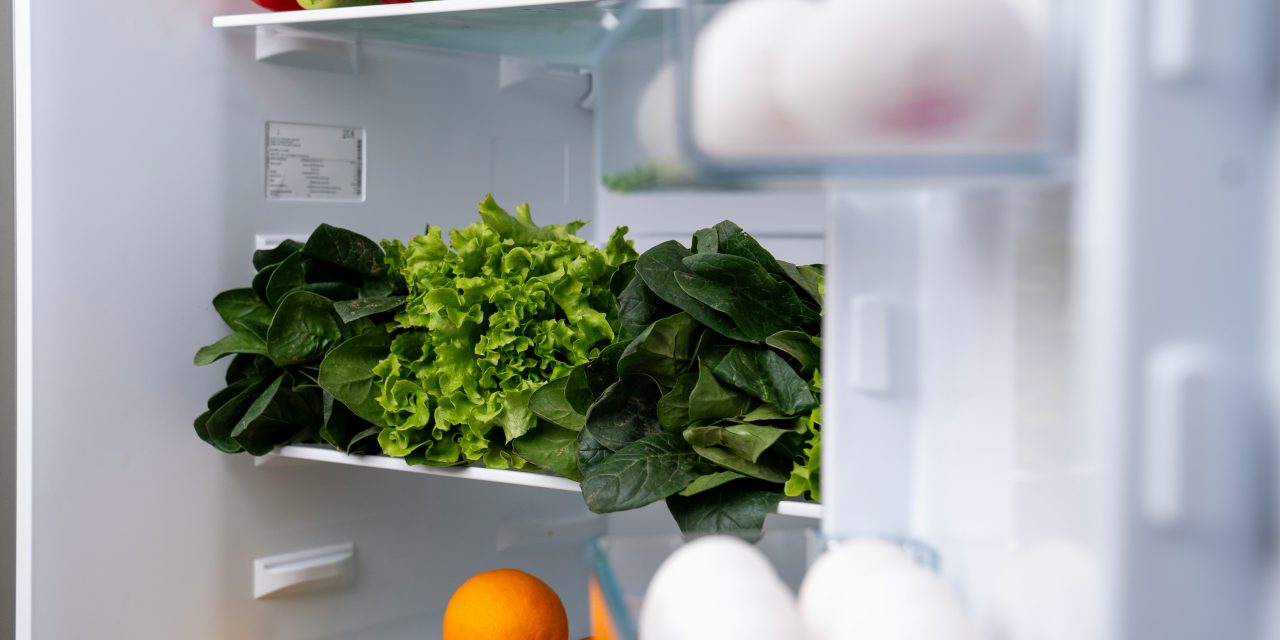
Maintaining appropriate temperatures in your refrigerator and freezer is crucial for food safety and quality. The right temperature not only preserves the freshness of your food but also inhibits the growth of harmful bacteria that can lead to foodborne illnesses. According to the Centers for Disease Control and Prevention (CDC), improper storage temperatures are a leading cause of food spoilage and contamination. Understanding the significance of these temperature settings can help you make informed decisions about food storage, ultimately protecting your health and that of your family.
Moreover, proper temperature regulation extends the shelf life of perishable items, ensuring that fruits, vegetables, dairy products, and meats remain safe for consumption. The USDA recommends that consumers regularly check their appliances to ensure they are operating within the recommended temperature ranges. By doing so, you can minimize waste, save money, and enjoy high-quality meals without the risk of foodborne pathogens.
Recommended Temperature Range for Your Refrigerator
The ideal temperature range for a refrigerator is between 32°F (0°C) and 40°F (4°C). Keeping your fridge at or below 40°F is essential for slowing down bacterial growth. The USDA emphasizes that temperatures above this threshold can lead to rapid spoilage of food items, particularly those that are highly perishable, such as dairy products and meats.
To ensure optimal performance, it is advisable to set your refrigerator at 37°F (3°C). This temperature strikes a balance between preserving food quality and minimizing energy consumption. Regularly monitoring your fridge’s temperature can help you identify any fluctuations that may compromise food safety.
Ideal Temperature Settings for Your Freezer

For freezers, the recommended temperature is 0°F (-18°C) or lower. At this temperature, food can be stored indefinitely without significant loss of quality. However, while food may remain safe indefinitely, its taste and texture may deteriorate over time due to freezer burn or dehydration.
To maintain the integrity of frozen foods, it is advisable to keep your freezer at a consistent 0°F. This ensures that ice crystals do not form on food items, which can lead to textural changes and loss of flavor. Regularly checking the temperature of your freezer can help prevent these issues and ensure that your frozen goods remain palatable.
How Temperature Affects Food Safety and Quality

Temperature plays a pivotal role in determining both the safety and quality of food products. When food is stored at temperatures above 40°F (4°C), bacteria such as Salmonella, E. coli, and Listeria can proliferate rapidly, increasing the risk of foodborne illnesses. The CDC estimates that approximately 48 million Americans suffer from foodborne illnesses each year, highlighting the importance of proper temperature management.
In addition to safety concerns, temperature also affects the sensory attributes of food. For instance, fruits and vegetables stored at higher temperatures may lose their crispness and flavor over time. Dairy products can sour or curdle if not kept at appropriate temperatures, while meats may develop off-flavors or spoilage if exposed to fluctuating conditions. Understanding these dynamics can help consumers make better choices regarding food storage.
Signs Your Fridge or Freezer Is Too Warm or Too Cold
Recognizing the signs of improper temperatures in your fridge or freezer is essential for maintaining food safety. If your refrigerator is too warm, you may notice condensation forming on the interior surfaces or a noticeable odor emanating from spoiled food items. Additionally, perishable items such as milk may spoil more quickly than expected.
Conversely, if your freezer is too cold, you may observe excessive frost buildup or ice crystals forming on frozen foods. Items may become overly hard or develop a dry texture due to freezer burn. If you experience any of these symptoms, it is crucial to investigate further and adjust your appliance settings accordingly.
How to Accurately Measure Your Appliance’s Temperature
To accurately measure the temperature of your refrigerator and freezer, it is advisable to use an appliance thermometer. These devices are specifically designed to provide precise readings and can be placed in various locations within your appliances for optimal accuracy. For refrigerators, place the thermometer on a middle shelf away from walls or doors to avoid temperature fluctuations caused by frequent opening.
For freezers, position the thermometer in the center of the unit for an accurate reading. Allow the thermometer to stabilize for several hours before checking the temperature. Regularly monitoring these readings will help ensure that your appliances are functioning correctly and maintaining safe temperatures.
Tips for Adjusting Your Fridge and Freezer Temperature Settings
Adjusting the temperature settings on your refrigerator and freezer can be straightforward if you follow a few key tips. First, consult your appliance’s user manual for specific instructions on how to adjust settings accurately. Most modern refrigerators have digital displays that allow for easy adjustments.
When making changes, allow sufficient time for the appliance to stabilize before checking the new temperature. It may take several hours for the internal environment to adjust fully after altering settings. Additionally, avoid overloading your fridge or freezer, as this can impede airflow and lead to uneven temperatures throughout the unit.
Common Causes of Temperature Fluctuations
Temperature fluctuations in refrigerators and freezers can arise from various factors. One common cause is frequent door openings, which allow warm air to enter the appliance and disrupt internal temperatures. Additionally, placing hot or warm foods directly into the fridge can raise overall temperatures temporarily.
Another factor contributing to temperature instability is inadequate ventilation around the appliance. Ensure that there is sufficient space around your refrigerator and freezer for proper airflow. Dust buildup on condenser coils can also hinder performance; regular cleaning can mitigate this issue.
Energy Efficiency and Temperature Settings: What You Should Know
Maintaining optimal temperature settings not only ensures food safety but also enhances energy efficiency. Refrigerators and freezers operate most efficiently when set within recommended ranges. Setting temperatures too low can lead to unnecessary energy consumption and increased utility bills.
To maximize energy efficiency while maintaining safe temperatures, consider using energy-efficient appliances with high Energy Star ratings. These models are designed to consume less energy while providing optimal performance. Additionally, regularly defrosting freezers and ensuring door seals are intact can further enhance energy efficiency.
Seasonal Temperature Adjustments for Optimal Performance
Seasonal changes can significantly impact the performance of your refrigerator and freezer. During warmer months, ambient temperatures rise, which may necessitate adjusting your appliance settings slightly lower to compensate for increased heat exposure. Conversely, during colder months, you may be able to raise temperatures slightly without compromising food safety.
Monitoring external temperatures and adjusting settings accordingly can help maintain optimal performance year-round. Additionally, consider using thermometers to track internal temperatures during seasonal transitions to ensure consistent operation.
When to Call a Professional for Temperature Issues
If you encounter persistent temperature issues despite making adjustments and monitoring settings, it may be time to consult a professional technician. Signs that warrant professional assistance include unusual noises from the appliance, persistent frost buildup in freezers despite proper settings, or failure of the compressor unit.
A qualified technician can diagnose underlying issues such as refrigerant leaks or malfunctioning thermostats that may require repair or replacement. Addressing these problems promptly can prevent further complications and ensure that your appliances operate efficiently.
In summary, maintaining proper fridge and freezer temperatures is essential for ensuring food safety and quality while maximizing energy efficiency. By adhering to recommended temperature ranges—37°F (3°C) for refrigerators and 0°F (-18°C) for freezers—you can significantly reduce the risk of foodborne illnesses while preserving the freshness of your food items. Regular monitoring with thermometers, understanding common causes of fluctuations, and making seasonal adjustments will further enhance appliance performance. If issues persist despite these measures, seeking professional assistance is advisable to address any underlying problems effectively.
FAQs
What is the ideal temperature for a refrigerator?
The ideal temperature for a refrigerator is typically between 35°F and 38°F (1.6°C to 3.3°C). This range helps to keep food fresh while minimizing the growth of harmful bacteria.
What is the recommended temperature for a freezer?
The recommended temperature for a freezer is 0°F (-18°C) or lower. This temperature ensures that food remains frozen solid and helps to preserve its quality and safety over time.
How can I check the temperature of my fridge and freezer?
You can check the temperature of your fridge and freezer using an appliance thermometer. Place the thermometer in the center of the fridge or freezer for a few hours to get an accurate reading.
What are the consequences of having the wrong temperature in my fridge?
If your fridge is too warm, food can spoil quickly, leading to foodborne illnesses. Conversely, if it’s too cold, it can freeze items that shouldn’t be frozen, affecting their texture and taste.
How often should I check the temperature of my fridge and freezer?
It’s a good practice to check the temperature of your fridge and freezer at least once a month. Regular checks can help ensure that your appliances are functioning correctly and that your food is stored safely.