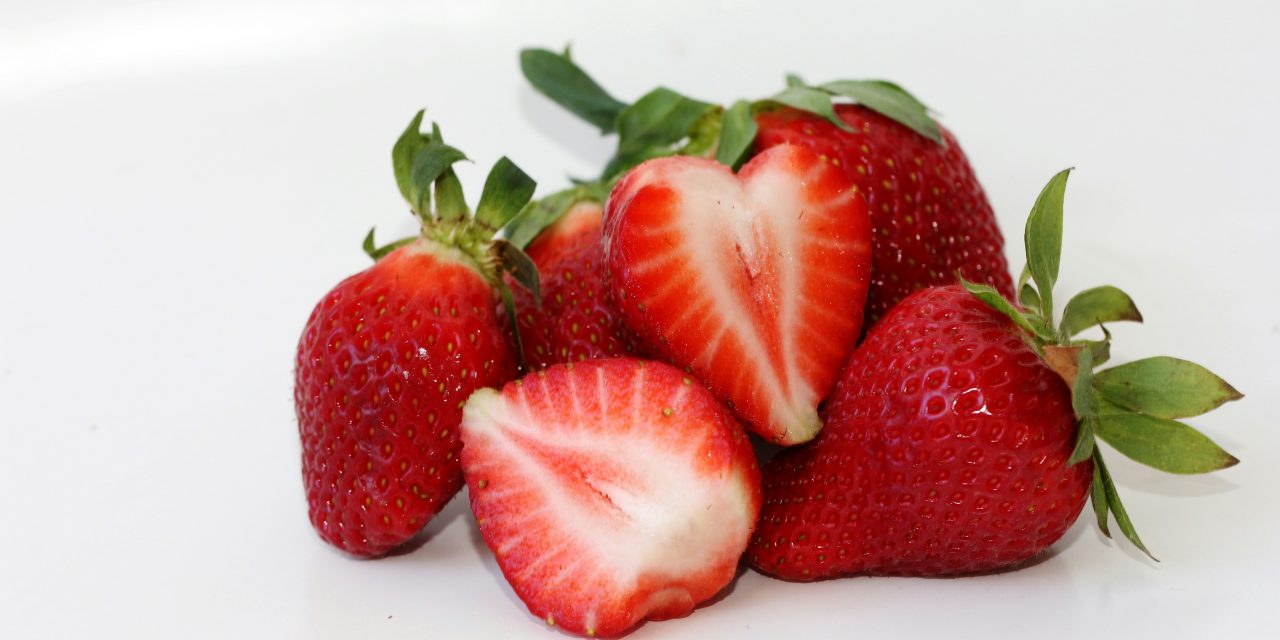
Selecting the finest strawberries is crucial for ensuring optimal flavor and longevity. When shopping, look for berries that exhibit a vibrant red hue, indicating ripeness. The ideal strawberry should have a glossy exterior, free from blemishes or soft spots. Pay attention to the green caps; they should be fresh and leafy, not wilted or brown. A good rule of thumb is to choose strawberries that are uniform in size, as this often correlates with consistent ripeness.
Additionally, consider the aroma of the strawberries. Fresh strawberries emit a sweet, fragrant scent that signals their quality. Avoid any containers that appear damp or have signs of mold, as these can indicate spoilage. When possible, opt for organic strawberries, which are less likely to be treated with pesticides and chemicals. By selecting high-quality strawberries, you set the stage for a delightful culinary experience.
Inspecting Strawberries for Damage Before Storage
Once you have purchased your strawberries, it is essential to inspect them thoroughly before storage. Begin by examining each berry for any signs of damage, such as bruises or cuts. These imperfections can lead to accelerated spoilage and may compromise the quality of the entire batch. Discard any berries that show signs of decay, as they can release ethylene gas, which hastens the ripening process of neighboring fruits.
Moreover, check for mold growth, which can appear as fuzzy white or gray patches on the surface of the strawberries. Mold can spread quickly, so it is vital to remove affected berries immediately. By conducting a meticulous inspection, you can ensure that only the freshest and healthiest strawberries are stored, prolonging their shelf life and maintaining their delicious flavor.
Properly Washing Strawberries Before Refrigeration

Before refrigerating strawberries, it is imperative to wash them correctly to remove dirt, pesticides, and potential contaminants. Begin by rinsing the berries under cool running water. Avoid soaking them in water, as this can lead to water absorption and dilute their flavor. Instead, gently rub each berry with your fingers to dislodge any dirt particles.
For an added layer of cleanliness, consider using a vinegar solution—mix one part white vinegar with three parts water. Soak the strawberries in this mixture for about five minutes before rinsing them thoroughly under cool water. This method not only cleanses the berries but also helps eliminate bacteria and mold spores. After washing, ensure that the strawberries are completely dry before proceeding to storage.
Drying Strawberries Thoroughly to Prevent Mold

Proper drying of strawberries post-wash is crucial in preventing mold growth during storage. Excess moisture can create an environment conducive to mold proliferation, leading to spoilage. After rinsing the berries, gently pat them dry with a clean kitchen towel or paper towels. Ensure that each berry is adequately dried without bruising or damaging its delicate skin.
For optimal results, consider air-drying the strawberries on a clean dish rack for about 30 minutes after patting them down. This additional drying step allows any remaining moisture to evaporate naturally. By taking these precautions, you significantly reduce the risk of mold development and extend the freshness of your strawberries.
Using Paper Towels to Absorb Moisture in Storage
When storing strawberries, incorporating paper towels into your storage method can be highly beneficial in absorbing excess moisture. Place a layer of paper towels at the bottom of your storage container before adding the washed and dried strawberries. The paper towels will absorb any residual moisture that may accumulate over time, helping to maintain an optimal environment for the berries.
Additionally, consider placing another layer of paper towels on top of the strawberries before sealing the container. This dual-layer approach ensures that moisture is effectively managed from both above and below, further reducing the likelihood of mold growth. By utilizing this simple yet effective technique, you can significantly prolong the freshness of your strawberries.
Storing Strawberries in a Breathable Container
Choosing the right container for strawberry storage is essential for maintaining their quality. Opt for a breathable container such as a colander or a perforated plastic container that allows air circulation while keeping dust and contaminants at bay. This airflow helps prevent moisture buildup and reduces the risk of mold formation.
Avoid using airtight containers, as they trap moisture and create an environment conducive to spoilage. If you must use a non-breathable container, ensure that you include paper towels to absorb excess moisture effectively. By selecting an appropriate storage vessel, you can help preserve the freshness and flavor of your strawberries for an extended period.
Avoiding Airtight Containers for Fresh Strawberries
Airtight containers may seem like a practical choice for storing fresh produce; however, they are detrimental to strawberries’ longevity. These containers trap moisture and create a humid environment that encourages mold growth and spoilage. Instead of preserving freshness, airtight containers can lead to rapid deterioration of your strawberries.
To maintain optimal freshness, always opt for containers that allow for airflow. If you find yourself without a breathable container, consider using a bowl covered loosely with plastic wrap or a clean kitchen towel. This method provides some protection while still allowing air circulation around the berries.
Keeping Strawberries Away from Ethylene-Producing Fruits
Ethylene gas is a natural plant hormone released by certain fruits as they ripen. This gas can accelerate the ripening process of nearby fruits and vegetables, leading to premature spoilage. To prolong the freshness of your strawberries, it is crucial to store them away from ethylene-producing fruits such as bananas, apples, and avocados.
When organizing your refrigerator or fruit bowl, keep strawberries in a separate compartment or container away from these ethylene emitters. By minimizing exposure to ethylene gas, you can significantly extend the shelf life of your strawberries while preserving their flavor and texture.
Maintaining the Ideal Fridge Temperature for Berries
The temperature at which strawberries are stored plays a vital role in their preservation. Ideally, strawberries should be kept at a temperature between 32°F (0°C) and 36°F (2°C). This range helps slow down spoilage processes while maintaining optimal flavor and texture.
To achieve this ideal temperature range, ensure that your refrigerator is functioning correctly and calibrated accurately. Regularly check the temperature settings and adjust them if necessary. Additionally, avoid placing strawberries in areas of the fridge that are prone to temperature fluctuations, such as near the door or in warm spots.
Checking and Removing Spoiled Strawberries Regularly
Regularly inspecting your stored strawberries is essential for maintaining their quality over time. Make it a habit to check your container every few days for any signs of spoilage or decay. Remove any spoiled berries immediately to prevent them from affecting their healthy counterparts.
Spoiled strawberries can release moisture and ethylene gas, accelerating spoilage in nearby fruits. By promptly removing damaged berries from your storage container, you help preserve the freshness of the remaining strawberries and extend their shelf life.
Freezing Strawberries for Long-Term Preservation
If you find yourself with an abundance of fresh strawberries that you cannot consume in time, freezing them is an excellent option for long-term preservation. Begin by washing and drying the berries thoroughly as previously described. Next, remove any stems or leaves before arranging them in a single layer on a baking sheet lined with parchment paper.
Place the baking sheet in the freezer until the strawberries are completely frozen—this usually takes about two hours. Once frozen solid, transfer them into airtight freezer bags or containers labeled with the date for easy identification later on. Frozen strawberries can last up to six months while retaining their flavor and nutritional value.
In conclusion, proper handling and storage techniques are essential for maximizing the freshness and longevity of strawberries. From selecting high-quality berries at the store to employing effective storage methods such as using breathable containers and managing moisture levels with paper towels, each step plays a critical role in preserving these delicious fruits. By following these guidelines diligently, you can enjoy fresh strawberries for longer periods while minimizing waste.
### FAQ Section
1. **How long do fresh strawberries last in the refrigerator?**
Fresh strawberries typically last about 3-7 days when stored properly in the refrigerator.
2. **Can I wash strawberries before storing them?**
Yes, but it’s best to wash them just before consumption rather than before storage to prevent excess moisture buildup.
3. **What should I do if I find mold on my strawberries?**
Discard any affected berries immediately to prevent mold from spreading to others.
4. **Is it safe to eat slightly spoiled strawberries?**
It’s advisable to avoid consuming spoiled berries as they may harbor harmful bacteria.
5. **Can I freeze whole strawberries?**
Yes, whole strawberries can be frozen after washing and drying them thoroughly.
6. **What’s the best way to thaw frozen strawberries?**
Thaw frozen strawberries by placing them in the refrigerator overnight or using cold water for quicker results.
7. **How can I tell if my strawberries are ripe?**
Ripe strawberries should be bright red with no green patches and should have a sweet aroma.
8. **Should I remove stems before freezing?**
Yes, it’s best to remove stems before freezing for easier use later on.
9. **Can I store strawberries with other fruits?**
It’s best to store them separately from ethylene-producing fruits like bananas and apples.
10. **What’s the ideal humidity level for storing strawberries?**
Strawberries thrive best in low humidity environments; hence proper ventilation is crucial during storage.
By adhering to these guidelines and addressing common concerns through our FAQ section, you can ensure that your strawberry experience remains delightful from purchase through consumption!
FAQs
How should strawberries be stored in the fridge to keep them fresh?
Strawberries should be stored in the refrigerator in their original container or a breathable container. It’s best to avoid washing them until you’re ready to eat, as moisture can promote mold growth. Placing a paper towel in the container can help absorb excess moisture.
What temperature is ideal for storing strawberries in the fridge?
The ideal temperature for storing strawberries in the fridge is between 32°F and 36°F (0°C to 2°C). This temperature range helps slow down the ripening process and keeps the strawberries fresh for a longer period.
How long can strawberries last in the fridge?
When stored properly in the fridge, strawberries can last anywhere from 3 to 7 days. However, their freshness may vary depending on their ripeness at the time of purchase and how well they are stored.
Should I remove any damaged strawberries before storing them?
Yes, it is important to remove any damaged or moldy strawberries before storing them. One bad strawberry can cause the others to spoil more quickly due to the release of ethylene gas and the spread of mold.
Can I freeze strawberries to extend their shelf life?
Yes, you can freeze strawberries to extend their shelf life. To do this, wash and dry them thoroughly, remove the stems, and place them in a single layer on a baking sheet to freeze. Once frozen, transfer them to an airtight container or freezer bag for long-term storage.