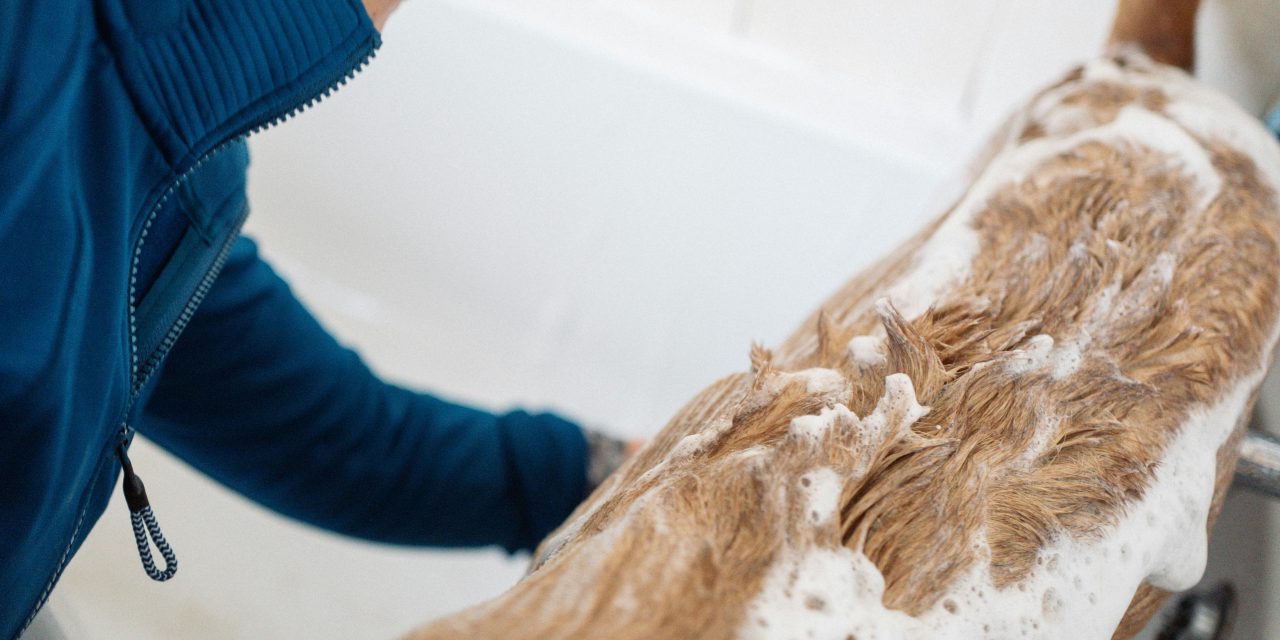
Brushing short-haired cats is an essential aspect of feline care that offers numerous benefits for both the pet and the owner. Regular grooming not only enhances the cat’s appearance but also contributes significantly to its overall health. One of the primary advantages of brushing is the removal of loose fur, which helps to minimize shedding. This is particularly beneficial for households where allergies may be a concern, as it reduces the amount of dander and hair circulating in the environment.
Moreover, brushing stimulates the skin and promotes healthy blood circulation. This increased blood flow can lead to a shinier coat and healthier skin. Additionally, grooming sessions provide an excellent opportunity for pet owners to inspect their cats for any signs of skin issues, parasites, or abnormalities that may require veterinary attention. By establishing a routine grooming practice, owners can foster a stronger bond with their feline companions while ensuring their well-being.
Choosing the Right Brush for Your Cat’s Coat
Selecting the appropriate brush for your short-haired cat is crucial for effective grooming. Various types of brushes are available, each designed to cater to specific coat types and grooming needs. For short-haired cats, a rubber grooming mitt or a bristle brush is often ideal. These tools effectively remove loose hair while being gentle on the skin, preventing irritation.
Another excellent option is a fine-toothed comb, which can help in detangling any minor knots and removing debris from the coat. When choosing a brush, consider your cat’s comfort and preferences; some cats may prefer softer bristles, while others may enjoy the sensation of rubber. It’s essential to test different brushes to determine which one your cat responds to best, ensuring a more enjoyable grooming experience.
Preparing Your Cat for a Brushing Session

Preparation is key to a successful brushing session with your short-haired cat. Begin by creating a calm environment free from distractions. Choose a quiet space where your cat feels secure, as this will help reduce anxiety during grooming. It may be beneficial to have treats on hand to reward your cat for its cooperation, reinforcing positive behavior.
Before starting the brushing process, allow your cat to acclimate to your presence and the grooming tools. Gently pet your cat and let it sniff the brush or mitt. This familiarization can help alleviate any apprehension your cat may have about being groomed. If your cat shows signs of stress or discomfort, take a step back and try again later, ensuring that the experience remains positive.
How Often Should You Brush a Short-Haired Cat?

The frequency of brushing short-haired cats can vary based on several factors, including the individual cat’s shedding patterns and lifestyle. Generally, it is recommended to brush your short-haired cat at least once a week. This routine helps to manage shedding effectively and keeps the coat looking healthy and clean.
During seasonal changes, such as spring and fall, cats may shed more than usual due to changes in temperature and daylight hours. In these periods, increasing the frequency of brushing to two or three times a week can be beneficial in controlling excess fur and preventing hairballs. Monitoring your cat’s coat condition will help you determine if adjustments are necessary in your grooming schedule.
Step-by-Step Guide to Brushing Your Short-Haired Cat
To ensure an effective brushing session, follow these steps:
1. **Gather Supplies**: Have your chosen brush or grooming tool ready along with treats for positive reinforcement.
2. **Create a Comfortable Space**: Choose a quiet area where your cat feels safe and relaxed.
3. **Introduce the Brush**: Allow your cat to sniff and explore the brush before starting.
4. **Start Gently**: Begin brushing in the direction of hair growth using gentle strokes. Focus on areas where loose fur tends to accumulate, such as around the neck and back.
5. **Monitor Your Cat’s Reaction**: Pay attention to your cat’s body language; if it seems uncomfortable or agitated, pause and offer reassurance.
6. **Reward Your Cat**: After brushing, provide treats or affection to reinforce positive behavior.
7. **Check for Skin Issues**: While brushing, keep an eye out for any signs of skin irritation or parasites that may require veterinary attention.
By following these steps, you can create a positive grooming experience that benefits both you and your feline friend.
Techniques to Gently Remove Loose Fur
When it comes to effectively removing loose fur from short-haired cats, employing gentle techniques is essential to avoid causing discomfort or stress. One effective method is to use a rubber grooming mitt, which allows you to stroke your cat while simultaneously collecting loose hair. The rubber material provides a soothing sensation that many cats enjoy.
Another technique involves using a soft-bristle brush in short, sweeping motions along the coat’s natural direction. This method not only removes loose fur but also helps distribute natural oils throughout the coat, enhancing its shine and health. For areas with more stubborn fur or debris, consider using a fine-toothed comb gently to detangle any knots without pulling on the skin.
Managing Shedding During Seasonal Changes
Seasonal shedding is a natural process for cats as they adapt their coats to changing temperatures. During spring and fall, many cats experience increased shedding due to hormonal changes triggered by daylight variations. To manage this shedding effectively, it is crucial to adjust your grooming routine accordingly.
Increasing the frequency of brushing during these transitional periods can significantly reduce the amount of fur shed around your home. Aim for at least two to three brushing sessions per week during peak shedding seasons. Additionally, maintaining a balanced diet rich in omega fatty acids can promote healthy skin and coat, further minimizing excessive shedding.
Tips for Keeping Your Cat Calm and Comfortable
Creating a calm environment during grooming sessions is vital for ensuring your cat remains comfortable throughout the process. Start by choosing a quiet space free from loud noises or distractions that could startle your pet. Soft background music or white noise can help create a soothing atmosphere.
Additionally, consider using calming pheromone sprays or diffusers designed specifically for cats. These products can help reduce anxiety and promote relaxation during grooming sessions. Always approach your cat gently and speak softly throughout the process, providing reassurance and comfort as needed.
Using Grooming Tools to Supplement Brushing
In addition to regular brushing, various grooming tools can enhance your short-haired cat’s grooming routine. Deshedding tools are particularly effective in removing loose fur from undercoats without causing discomfort. These tools often feature fine blades designed to catch loose hair while being gentle on the skin.
Another useful tool is an electric pet grooming vacuum, which simultaneously brushes and collects loose fur in one motion. This innovative device can significantly reduce mess during grooming sessions while ensuring thorough removal of shedding fur. Incorporating these supplementary tools into your routine can streamline the grooming process and improve overall effectiveness.
Addressing Common Skin and Coat Issues
Despite regular grooming practices, short-haired cats may still encounter various skin and coat issues that require attention. Common problems include dry skin, excessive oiliness, or allergic reactions leading to itching and discomfort. If you notice any unusual changes in your cat’s coat or skin condition, consult with a veterinarian for proper diagnosis and treatment options.
In some cases, dietary adjustments may be necessary to address skin issues effectively. Incorporating high-quality cat food rich in essential fatty acids can promote healthy skin and coat while reducing irritation caused by allergies or sensitivities. Regular veterinary check-ups are also crucial for identifying underlying health concerns that may manifest as skin or coat problems.
Maintaining a Clean Home: Reducing Fur Around the House
Managing shedding not only benefits your cat but also contributes to maintaining a clean living environment for you and your family. Regular brushing significantly reduces loose fur around the house; however, additional measures can further minimize fur accumulation. Vacuuming frequently with a pet-specific vacuum cleaner designed to capture pet hair effectively can help keep surfaces clean.
Consider using lint rollers or sticky tape on furniture and clothing to quickly remove stray hairs before they become embedded in fabrics. Additionally, investing in washable pet blankets or covers for furniture can protect surfaces from fur buildup while making cleaning easier.
In conclusion, brushing short-haired cats is an essential practice that promotes their health and well-being while enhancing their appearance. By understanding the benefits of grooming, selecting appropriate tools, preparing effectively for sessions, and employing gentle techniques, pet owners can create positive experiences for their feline companions. Regular brushing not only manages shedding but also fosters stronger bonds between pets and their owners while maintaining a clean home environment free from excess fur.
FAQs
What tools are recommended for brushing a short-haired cat?
For brushing a short-haired cat, it is recommended to use a rubber grooming brush, a fine-toothed comb, or a slicker brush. These tools help remove loose fur and reduce shedding effectively while being gentle on the cat’s skin.
How often should I brush my short-haired cat?
It is generally advisable to brush your short-haired cat at least once a week. However, during shedding seasons, such as spring and fall, you may want to brush them more frequently, even daily, to manage loose fur.
What is the best technique for brushing a short-haired cat?
When brushing a short-haired cat, start at the head and work your way down the body, following the direction of hair growth. Use gentle strokes and avoid pulling on the fur. Pay special attention to areas where mats may form, such as behind the ears and under the legs.
Can brushing help reduce allergies in humans?
Yes, regular brushing can help reduce allergens in the home by minimizing the amount of loose fur and dander that is shed. This can be particularly beneficial for individuals with allergies to cats, as it helps keep the environment cleaner.
What should I do if my cat resists brushing?
If your cat resists brushing, try to make the experience more enjoyable by using treats or engaging in play before and after brushing. Start with short sessions and gradually increase the duration as your cat becomes more comfortable with the process.