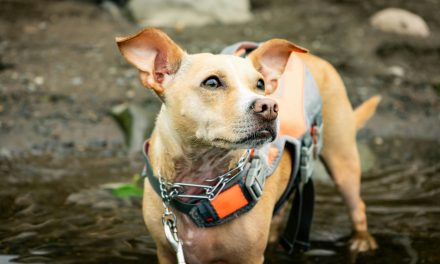
Grooming is an essential aspect of pet care that goes beyond mere aesthetics; it plays a crucial role in maintaining your pet’s overall health and well-being. Each breed has unique grooming requirements influenced by factors such as coat type, skin sensitivity, and lifestyle. For instance, long-haired breeds like the Afghan Hound require more frequent grooming to prevent matting and tangles, while short-haired breeds like the Beagle may need less intensive care. Understanding these specific needs is vital for ensuring your pet remains comfortable and healthy.
Moreover, grooming serves as an opportunity to inspect your pet for any abnormalities, such as skin irritations, lumps, or parasites. Regular grooming sessions can help you identify potential health issues early on, allowing for timely veterinary intervention. Additionally, grooming can enhance the bond between you and your pet, as it provides a chance for quality time together. By recognizing your pet’s grooming needs, you can create a tailored grooming routine that promotes both hygiene and companionship.
Choosing the Right Grooming Tools
Selecting appropriate grooming tools is paramount for effective grooming. The right tools not only make the process easier but also ensure your pet’s comfort during grooming sessions. Essential tools include brushes, combs, clippers, and nail trimmers, each designed for specific tasks and fur types. For example, slicker brushes are ideal for detangling long fur, while bristle brushes work well for short-haired breeds.
When choosing grooming tools, consider your pet’s size and coat type. For instance, a heavy-duty clipper may be necessary for larger breeds with thick coats, while smaller clippers suffice for toy breeds. Additionally, investing in high-quality tools can make a significant difference in the grooming experience. Look for ergonomic designs that provide comfort during use and materials that are durable and easy to clean. By equipping yourself with the right tools, you can ensure a more efficient and enjoyable grooming process.
Establishing a Regular Grooming Schedule
Creating a consistent grooming schedule is essential for maintaining your pet’s coat and overall hygiene. The frequency of grooming sessions depends on various factors, including your pet’s breed, coat type, and lifestyle. For instance, dogs with long or curly coats may require grooming every four to six weeks, while short-haired breeds may only need grooming every few months. Establishing a routine helps your pet become accustomed to the process, reducing anxiety and stress during grooming sessions.
In addition to regular brushing and bathing, consider incorporating other grooming tasks into your schedule, such as nail trimming and ear cleaning. Keeping a calendar or setting reminders can help you stay organized and ensure that no aspect of your pet’s grooming needs is overlooked. By adhering to a regular grooming schedule, you can promote a healthy coat and skin while fostering a positive relationship with your furry companion.
Bathing Tips for a Clean and Healthy Coat
Bathing is an integral part of your pet’s grooming routine that helps maintain cleanliness and skin health. However, it is essential to use the right products and techniques to avoid skin irritation or discomfort. Choose a high-quality pet shampoo formulated specifically for your animal’s skin type; avoid using human shampoos as they can disrupt the natural pH balance of your pet’s skin.
Before bathing, brush your pet’s coat to remove loose hair and tangles. This step not only makes bathing easier but also helps prevent matting. When bathing your pet, ensure that the water temperature is lukewarm to avoid discomfort. Rinse thoroughly to remove all shampoo residue, as leftover product can lead to skin irritation. After bathing, dry your pet with a towel or a pet-safe blow dryer set on low heat. Regular bathing contributes to a clean coat and helps prevent skin infections caused by dirt and debris.
Proper Brushing Techniques for Different Fur Types
Brushing is a fundamental aspect of grooming that varies significantly based on fur type. For pets with long hair, such as Shih Tzus or Yorkshire Terriers, it is crucial to use a wide-toothed comb or slicker brush to detangle knots gently. Start from the tips of the fur and work your way up to the roots to minimize discomfort and breakage.
Short-haired breeds like Boxers or Dachshunds benefit from bristle brushes that help distribute natural oils throughout their coat while removing loose hair. For curly-coated breeds like Poodles, using a pin brush followed by a comb can help maintain their unique texture while preventing matting. Regardless of fur type, always brush in the direction of hair growth to avoid causing pain or discomfort. By employing proper brushing techniques tailored to your pet’s coat type, you can enhance their appearance while promoting healthy skin.
Nail Trimming: How to Keep Your Pet Comfortable
Nail trimming is an often-overlooked aspect of grooming that is essential for your pet’s comfort and health. Overgrown nails can lead to pain, difficulty walking, and even joint issues over time. To ensure a positive experience during nail trimming sessions, it is crucial to approach the task with patience and care.
Begin by familiarizing your pet with the clippers or grinder before attempting to trim their nails. Gradually introduce the tool by allowing them to sniff it and rewarding them with treats for calm behavior. When trimming nails, be cautious not to cut into the quick—the sensitive area containing blood vessels and nerves— as this can cause pain and bleeding. If you’re unsure where the quick is located, trim small amounts at a time until you reach the desired length. Regular nail trimming not only keeps your pet comfortable but also prevents potential injuries caused by snagged nails.
Ear Cleaning Essentials to Prevent Infections
Ear cleaning is an often-neglected aspect of grooming that is vital for preventing infections in pets prone to ear issues. Certain breeds with floppy ears or excessive ear wax production are particularly susceptible to ear infections if not cleaned regularly. To maintain ear health, it is essential to establish a routine ear cleaning schedule.
Use a veterinarian-recommended ear cleaner specifically designed for pets; avoid using cotton swabs as they can push debris further into the ear canal. Gently apply the cleaner into the ear canal while massaging the base of the ear to help dislodge dirt and wax buildup. Allow your pet to shake their head to remove excess cleaner and debris before wiping away any remaining residue with a soft cloth or cotton ball. Regular ear cleaning not only prevents infections but also promotes overall ear health.
Dental Care Tips for a Healthy Smile
Dental care is an often-overlooked aspect of pet grooming that plays a crucial role in maintaining overall health. Poor dental hygiene can lead to periodontal disease, which affects not only oral health but can also impact vital organs such as the heart and kidneys over time. Establishing a dental care routine early on can help prevent these issues.
Brushing your pet’s teeth regularly is one of the most effective ways to maintain oral hygiene. Use toothpaste formulated specifically for pets; human toothpaste contains ingredients that can be harmful to animals. Introduce brushing gradually by allowing your pet to taste the toothpaste before using a soft-bristled toothbrush designed for pets. Aim for brushing at least two to three times per week; however, daily brushing is ideal for optimal dental health.
In addition to brushing, consider incorporating dental chews or toys into your pet’s routine to help reduce plaque buildup naturally. Regular veterinary dental check-ups are also essential for monitoring oral health and addressing any concerns promptly.
Handling Grooming Anxiety and Stress
Many pets experience anxiety during grooming sessions due to unfamiliar sounds or sensations associated with the process. Recognizing signs of stress—such as panting, whining, or attempting to escape—is crucial for addressing these issues effectively. To alleviate anxiety during grooming sessions, create a calm environment by using soothing music or pheromone diffusers designed for pets.
Gradual desensitization can also be beneficial; introduce grooming tools slowly while rewarding your pet with treats for calm behavior. Start with short sessions focused on one aspect of grooming at a time—such as brushing or nail trimming—and gradually increase duration as your pet becomes more comfortable with the process.
Additionally, consider consulting with a professional groomer or veterinarian if anxiety persists despite your efforts. They may recommend behavioral training techniques or calming supplements that can help ease your pet’s stress during grooming sessions.
Recognizing When Professional Grooming is Needed
While many aspects of grooming can be performed at home, there are instances when professional assistance is necessary. If you find yourself overwhelmed by your pet’s grooming needs or if they have specific requirements due to their breed—such as intricate haircuts or specialized treatments—consider seeking professional grooming services.
Professional groomers possess expertise in handling various breeds and coat types while ensuring safety during the process. They are equipped with specialized tools and techniques that may not be available at home, allowing them to address complex grooming tasks effectively. Additionally, if you notice any signs of skin irritation or other health concerns during home grooming sessions, consulting with a veterinarian or professional groomer can provide valuable insights into appropriate care options.
Seasonal Grooming Advice from Bark & Purr Experts
Seasonal changes significantly impact your pet’s grooming needs due to variations in temperature and humidity levels throughout the year. During warmer months, pets may shed more frequently; therefore, increasing brushing frequency can help manage loose hair while keeping their coat healthy.
In colder months, consider adjusting bathing frequency as excessive washing can strip natural oils from their skin and coat. Instead, focus on regular brushing to remove dirt and debris while maintaining moisture levels in their fur.
Additionally, keep an eye out for seasonal pests such as fleas and ticks during warmer months; regular grooming sessions provide an opportunity to check for infestations early on. By adapting your grooming routine according to seasonal changes, you can ensure your pet remains comfortable and healthy year-round.
In summary, understanding your pet’s unique grooming needs is essential for maintaining their overall health and well-being. By choosing appropriate tools, establishing a regular schedule, employing proper techniques for bathing and brushing different fur types, addressing nail trimming and ear cleaning essentials, prioritizing dental care, managing anxiety during grooming sessions, recognizing when professional help is needed, and adapting routines seasonally—pet owners can foster healthier relationships with their furry companions while promoting optimal hygiene practices throughout their lives.
FAQs
What services does Bark & Purr Pet Grooming offer?
Bark & Purr Pet Grooming offers a variety of grooming services including bathing, brushing, nail trimming, ear cleaning, and full grooming packages for both dogs and cats. They also provide specialized services such as de-shedding treatments and flea baths.
Are the groomers at Bark & Purr Pet Grooming certified?
Yes, the groomers at Bark & Purr Pet Grooming are certified professionals with extensive training in pet grooming techniques and animal handling. They are committed to ensuring the safety and comfort of your pets during the grooming process.
How can I schedule an appointment at Bark & Purr Pet Grooming?
You can schedule an appointment at Bark & Purr Pet Grooming by calling their office directly or by visiting their website, where you can find an online booking option. It is recommended to book in advance, especially during peak grooming seasons.
What are the operating hours of Bark & Purr Pet Grooming?
Bark & Purr Pet Grooming typically operates Monday through Saturday from 9 AM to 5 PM. They may have extended hours on certain days, so it’s best to check their website or contact them for the most accurate information.
Does Bark & Purr Pet Grooming offer any discounts or loyalty programs?
Yes, Bark & Purr Pet Grooming often provides discounts for first-time customers and may have loyalty programs for regular clients. It’s advisable to inquire about any current promotions when scheduling your appointment.