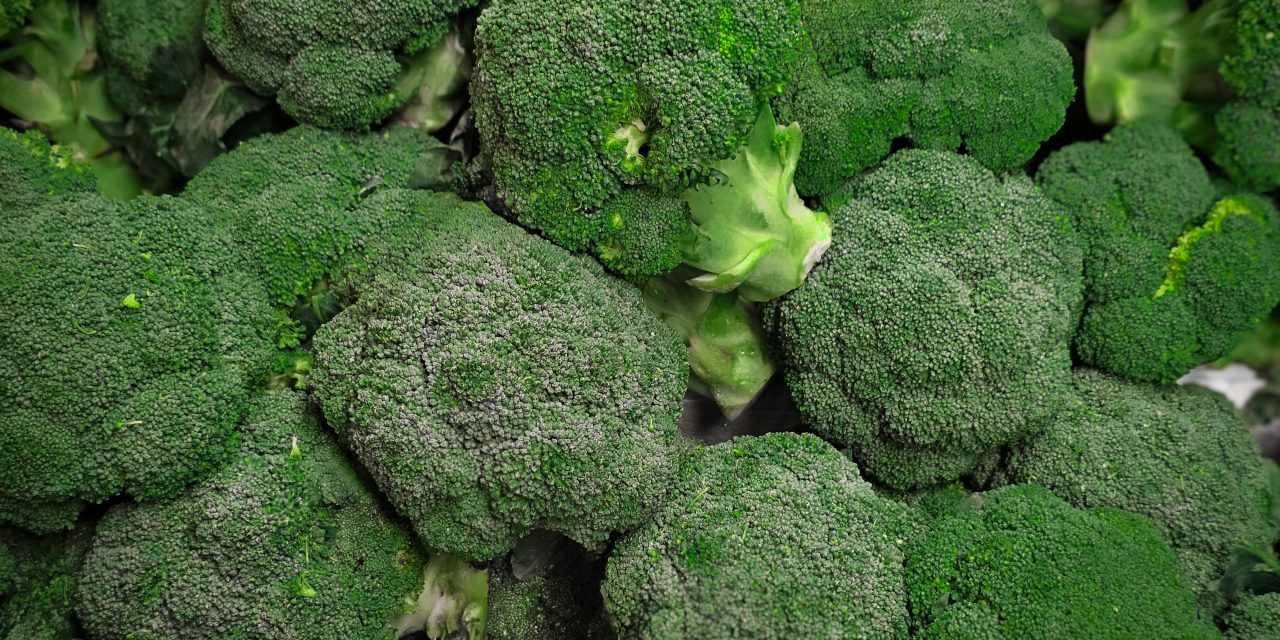
Broccoli (Brassica oleracea var. italica) is a cruciferous vegetable renowned for its nutritional profile, which includes high levels of vitamins C and K, fiber, and various antioxidants. Freshness is paramount when it comes to maximizing the health benefits of broccoli. Fresh broccoli not only retains its vibrant green color but also possesses a firm texture and a slightly sweet flavor. The freshness of this vegetable is influenced by several factors, including the time elapsed since harvest, storage conditions, and handling practices.
When broccoli is harvested, it begins to lose its nutritional value and flavor due to enzymatic activity and respiration. The ideal consumption window for fresh broccoli is typically within a week of purchase. Beyond this period, the vegetable may begin to develop off-flavors and a less appealing texture. Understanding these dynamics is crucial for consumers who wish to enjoy broccoli at its peak quality.
Choosing the Right Broccoli at the Store
Selecting high-quality broccoli at the grocery store is essential for ensuring optimal freshness and flavor. When evaluating broccoli, look for heads that are tightly packed with florets, which should be a deep green color. Avoid any specimens that exhibit yellowing or browning, as these are indicators of age and declining quality. The stalks should be firm and crisp, not limp or woody, which can suggest that the vegetable has been stored for too long.
Additionally, consider the size of the broccoli head; smaller heads tend to be more tender and flavorful compared to larger ones. Inspect the leaves attached to the stalk; they should be vibrant and fresh-looking rather than wilted or discolored. By paying attention to these details, consumers can select broccoli that will provide the best taste and nutritional benefits.
Preparing Broccoli Before Storing

Proper preparation of broccoli before storage can significantly extend its shelf life. Begin by rinsing the vegetable under cold running water to remove any dirt or pesticide residues. After washing, gently pat the broccoli dry with a clean kitchen towel or paper towel to eliminate excess moisture, which can promote spoilage.
Once cleaned, it is advisable to trim the stalks slightly to remove any woody ends. This not only enhances the appearance but also allows for better absorption of moisture during storage. If you plan to store broccoli for an extended period, consider cutting it into florets; this can facilitate quicker cooling and make it easier to incorporate into meals later on.
Optimal Temperature Settings for Your Fridge

The refrigerator plays a crucial role in maintaining the freshness of broccoli. The optimal temperature for storing most vegetables, including broccoli, is between 32°F (0°C) and 36°F (2°C). At these temperatures, enzymatic activity slows down significantly, thereby prolonging freshness and nutrient retention.
It is important to avoid placing broccoli in areas of the refrigerator that are prone to temperature fluctuations, such as the door. Instead, store it in the crisper drawer, which is designed to maintain a stable environment for fruits and vegetables. Regularly monitoring your refrigerator’s temperature settings can help ensure that your broccoli remains fresh for as long as possible.
Using Proper Storage Containers
The choice of storage containers can greatly influence the longevity of broccoli. Airtight containers are ideal for preserving freshness as they limit exposure to air, which can lead to oxidation and spoilage. Glass containers with tight-fitting lids are particularly effective because they do not retain odors and are easy to clean.
Alternatively, perforated plastic bags can also be used for short-term storage. These bags allow for some air circulation while still providing a protective barrier against moisture loss. Whichever container you choose, ensure that it is clean and dry before placing the broccoli inside to prevent any contamination that could accelerate spoilage.
Wrapping Techniques to Maintain Freshness
Wrapping broccoli correctly can further enhance its shelf life by minimizing moisture loss and protecting it from ethylene gas emitted by other fruits and vegetables. One effective method is to wrap the broccoli loosely in a damp paper towel before placing it in an airtight container or perforated bag. The damp towel helps maintain humidity levels around the vegetable without creating an overly moist environment that could lead to mold growth.
Another option is to use reusable silicone food storage bags, which provide an eco-friendly alternative while still allowing for breathability. Regardless of the wrapping technique employed, ensure that the broccoli is not tightly packed, as this can lead to bruising and accelerated deterioration.
Avoiding Moisture Build-Up
Moisture control is critical when storing broccoli, as excess humidity can lead to mold growth and spoilage. To prevent moisture build-up, avoid washing broccoli until just before consumption unless you are preparing it for freezing. If you notice condensation forming inside your storage container or bag, remove the broccoli and dry it gently with a paper towel before resealing.
Additionally, consider placing a paper towel inside the storage container or bag to absorb any excess moisture that may accumulate over time. This simple step can significantly extend the freshness of your broccoli by creating an optimal storage environment.
Storing Broccoli with Other Vegetables
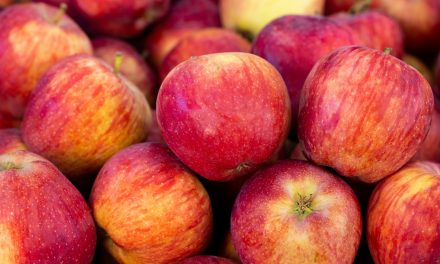
When storing broccoli alongside other vegetables, it is essential to be mindful of ethylene gas production. Certain fruits and vegetables emit ethylene gas, which can accelerate ripening and spoilage in nearby produce. For instance, apples, bananas, and tomatoes are known ethylene producers and should be kept separate from broccoli.
Instead, store broccoli with non-ethylene-producing vegetables such as carrots or bell peppers. This practice not only helps maintain the freshness of your broccoli but also ensures that other vegetables remain in optimal condition for longer periods.
Signs Your Broccoli Is No Longer Fresh
Recognizing signs of spoilage in broccoli is crucial for maintaining food safety and quality. Fresh broccoli should have a vibrant green color with tightly packed florets. As it begins to age, you may notice yellowing florets or wilting leaves; these are clear indicators that the vegetable is past its prime.
Other signs of spoilage include a slimy texture on the stalks or florets and an unpleasant odor emanating from the vegetable. If you encounter any of these symptoms, it is advisable to discard the broccoli to avoid potential foodborne illnesses.
Tips for Reviving Slightly Wilted Broccoli
If you find yourself with slightly wilted broccoli, there are several methods you can employ to revive its crispness. One effective technique involves soaking the vegetable in ice water for about 30 minutes; this can help rehydrate the florets and restore their firmness.
Another option is to steam the broccoli briefly before serving it in salads or stir-fries; this not only enhances its texture but also brings back some vibrancy in color. However, be cautious not to overcook it, as this can lead to nutrient loss.
Long-Term Storage: Freezing Broccoli Properly
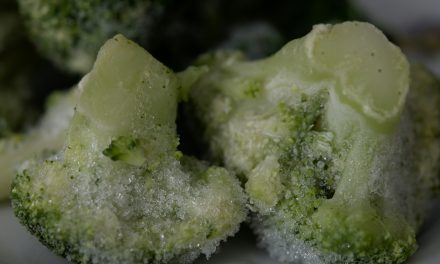
For those looking to preserve broccoli for extended periods, freezing is an excellent option that retains both flavor and nutritional value. Before freezing, it is essential to blanch the broccoli by immersing it in boiling water for 2-3 minutes followed by an immediate transfer to an ice bath. This process halts enzymatic activity that can lead to deterioration during freezing.
Once blanched and cooled, drain the broccoli thoroughly and spread it out on a baking sheet in a single layer before placing it in the freezer until solid. Afterward, transfer the frozen florets into airtight freezer bags or containers labeled with the date of freezing. Properly frozen broccoli can last up to 12 months while maintaining its quality.
In summary, understanding how to select, prepare, store, and revive broccoli can significantly enhance your culinary experience while maximizing its health benefits. By following best practices in storage techniques and recognizing signs of spoilage, consumers can enjoy fresh broccoli longer while minimizing waste. Whether consumed raw or cooked, this nutrient-dense vegetable remains a staple in healthy diets worldwide.
FAQs
How should I store broccoli in the fridge to keep it fresh?
To keep broccoli fresh in the fridge, store it unwashed in a perforated plastic bag or wrap it loosely in a damp paper towel. This helps maintain moisture while allowing for air circulation, preventing spoilage.
What is the ideal temperature for storing broccoli in the fridge?
The ideal temperature for storing broccoli is between 32°F and 40°F (0°C to 4°C). Keeping your refrigerator at this temperature range helps slow down the deterioration process and keeps the broccoli crisp.
How long can broccoli stay fresh in the fridge?
Fresh broccoli can typically stay fresh in the fridge for about 3 to 5 days. However, for the best quality and flavor, it is recommended to consume it within the first few days after purchase.
Should I wash broccoli before storing it in the fridge?
No, it is best not to wash broccoli before storing it in the fridge. Washing can introduce moisture that promotes mold growth and spoilage. Instead, wash it just before you are ready to use it.
Can I freeze broccoli to extend its shelf life?
Yes, you can freeze broccoli to extend its shelf life. Blanch the broccoli in boiling water for 2-3 minutes, then cool it in ice water, drain, and store it in airtight containers or freezer bags. Frozen broccoli can last for up to 10-12 months in the freezer.