Eggs are a staple in many households, revered for their versatility and nutritional value. However, understanding the freshness of eggs is crucial for both culinary success and food safety. Fresh eggs not only enhance the flavor of dishes but also contribute to the overall health benefits associated with protein, vitamins, and minerals. The freshness of an egg can significantly impact its taste, texture, and even the safety of consumption. This article delves into the intricacies of egg freshness, exploring how long eggs last, the science behind their shelf life, and best practices for storage.
The importance of recognizing egg freshness cannot be overstated. Consuming spoiled eggs can lead to foodborne illnesses, primarily caused by bacteria such as Salmonella. Therefore, it is essential to understand the factors that influence egg longevity and how to properly store them to maintain their quality. By gaining insight into these aspects, consumers can make informed decisions that enhance their culinary experiences while ensuring safety.
How Long Do Eggs Last in the Fridge?
The longevity of eggs in the refrigerator is a topic of considerable interest among consumers. Generally, fresh eggs can last for about three to five weeks beyond the purchase date when stored correctly in the refrigerator. However, this timeframe can vary based on several factors, including the initial quality of the eggs and how they are handled post-purchase.
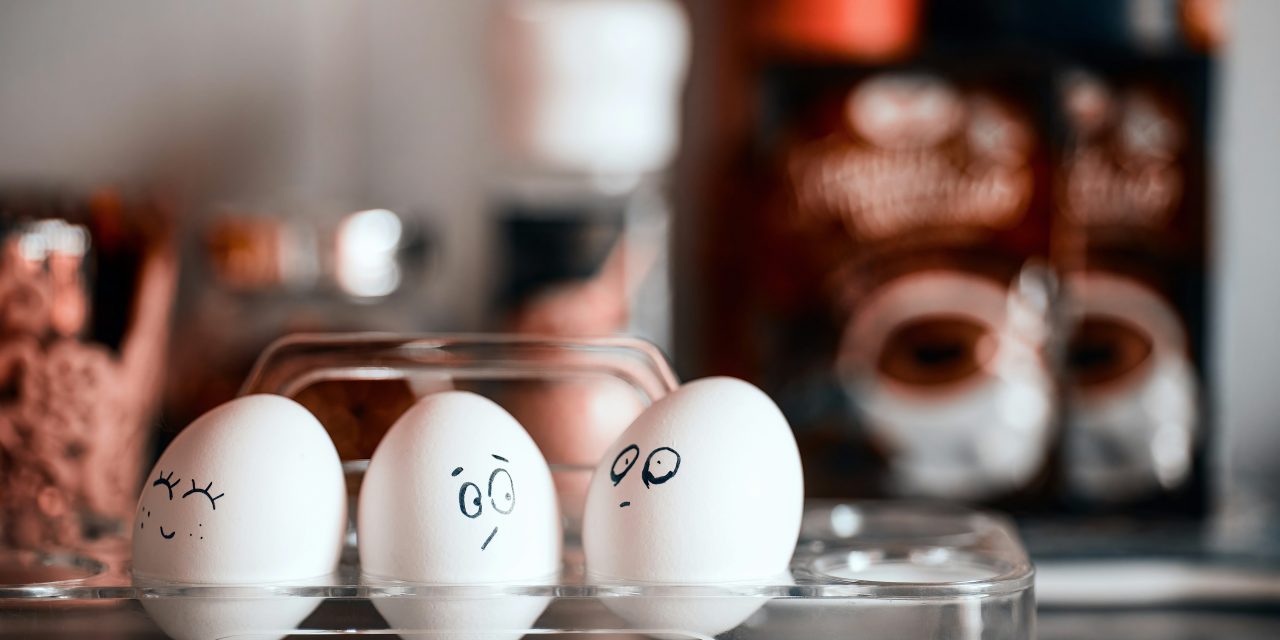
To maximize their shelf life, it is advisable to keep eggs in their original carton rather than transferring them to a different container. The carton helps protect the eggs from absorbing strong odors and flavors from other foods in the fridge while also minimizing moisture loss. Additionally, eggs should be stored in the coldest part of the refrigerator, typically towards the back, rather than in the door where temperatures fluctuate more frequently.
The Science Behind Egg Shelf Life

The shelf life of eggs is influenced by various scientific factors that govern their freshness. One primary factor is the egg’s protective coating, known as the cuticle or bloom, which naturally seals the pores of the eggshell. This coating helps prevent bacteria from entering and moisture from escaping, thereby extending the egg’s viability.
As time progresses, however, the quality of an egg diminishes due to changes in its internal composition. The egg white becomes thinner as proteins break down, and air cells within the egg expand as moisture evaporates. These changes can affect both the texture and flavor of cooked eggs. Understanding these scientific principles allows consumers to better assess egg quality and make informed decisions regarding their use.
Factors That Affect Egg Longevity

Several factors play a pivotal role in determining how long eggs remain fresh. One significant factor is temperature; eggs should be stored at a consistent temperature below 40°F (4°C) to inhibit bacterial growth. Fluctuations in temperature can accelerate spoilage and compromise safety.
Another critical aspect is humidity levels within the refrigerator. High humidity can promote mold growth on eggshells, while low humidity can lead to excessive moisture loss. Additionally, the age of the egg at the time of purchase is crucial; fresher eggs will naturally have a longer shelf life than older ones. Lastly, handling practices during transportation and storage can also impact longevity; rough handling can cause micro-cracks in the shell that allow bacteria to enter.
Best Practices for Storing Eggs in the Refrigerator
To ensure optimal freshness and safety, adhering to best practices for egg storage is essential. First and foremost, always store eggs in their original carton to protect them from external contaminants and odors. The carton also provides a barrier against light exposure, which can degrade quality over time.
It is advisable to place eggs in a designated shelf within the refrigerator rather than in the door compartments. The door experiences temperature fluctuations due to frequent opening and closing, which can compromise egg quality. Additionally, keeping eggs away from strong-smelling foods helps maintain their flavor integrity. Regularly checking for any signs of spoilage or damage before use is also recommended.
How to Tell If an Egg Has Gone Bad
Determining whether an egg has gone bad involves several sensory evaluations. One common method is the float test; fresh eggs will sink in water while older eggs will float due to increased air cell size as moisture evaporates. If an egg floats, it is best to discard it.
Another indicator is visual inspection; cracked or slimy shells may suggest bacterial contamination. When cracking an egg open, pay attention to its appearance and smell; fresh eggs have a firm white and a bright yolk, while spoiled eggs may exhibit a foul odor or discolored whites and yolks. If any doubts arise regarding an egg’s freshness, it is prudent to err on the side of caution and dispose of it.
The Role of the Eggshell in Preservation
The eggshell plays a crucial role in preserving the quality of an egg. Composed primarily of calcium carbonate, it serves as a protective barrier against physical damage and microbial invasion. The porous nature of the shell allows for gas exchange while simultaneously preventing excessive moisture loss.
Moreover, the presence of natural antimicrobial properties within the shell helps inhibit bacterial growth on its surface. However, once an egg is washed or its cuticle is compromised, its protective capabilities diminish significantly. Understanding this role emphasizes the importance of handling eggs with care and avoiding unnecessary washing before storage.
Differences Between Raw and Hard-Boiled Egg Storage
Storage methods differ significantly between raw and hard-boiled eggs due to their varying compositions and susceptibility to spoilage. Raw eggs should be stored in their original carton within the refrigerator at temperatures below 40°F (4°C). This environment helps maintain their freshness for several weeks.
Conversely, hard-boiled eggs have a shorter shelf life once cooked; they should be refrigerated within two hours of cooking and consumed within one week for optimal safety and quality. It is advisable to keep hard-boiled eggs in a covered container to prevent them from absorbing odors from other foods in the fridge.
Can You Freeze Eggs? What You Need to Know
Freezing eggs is a viable option for extending their shelf life beyond refrigeration limits. However, it is essential to note that whole raw eggs should not be frozen in their shells due to expansion during freezing that can cause cracking. Instead, it is recommended to beat whole eggs together before pouring them into airtight containers or ice cube trays for freezing.
Egg whites can be frozen separately without any preparation, while yolks require a small amount of sugar or salt added to prevent them from becoming gelatinous upon thawing. Frozen eggs can last up to one year when stored properly but should be thawed in the refrigerator before use for best results.
Common Myths About Egg Expiration Dates
Misconceptions surrounding egg expiration dates abound, often leading consumers to discard perfectly good eggs prematurely. One prevalent myth is that “sell by” dates indicate when an egg becomes unsafe for consumption; however, these dates primarily serve as guidelines for retailers rather than definitive indicators of freshness.
Another common belief is that brown eggs are inherently fresher than white ones; in reality, shell color has no bearing on quality or taste but rather reflects the breed of hen that laid them. Educating oneself about these myths can help consumers make more informed choices regarding egg usage and reduce unnecessary waste.
Tips to Maximize Egg Freshness and Reduce Waste
To maximize egg freshness while minimizing waste, several practical tips can be implemented. First, always purchase eggs from reputable sources that prioritize proper handling and storage practices. Checking for any visible cracks or damage before purchasing can also help ensure quality.
Additionally, maintaining a consistent refrigerator temperature below 40°F (4°C) is crucial for prolonging shelf life. Utilizing a rotation system—using older eggs first—can help prevent spoilage while ensuring that fresher ones are consumed later on. Lastly, consider incorporating leftover or nearing-expiration eggs into recipes such as omelets or baked goods to minimize waste effectively.
In summary, understanding egg freshness involves recognizing various factors that influence shelf life and employing best practices for storage and handling. By being aware of how long eggs last in refrigeration, utilizing sensory evaluations for freshness checks, and debunking common myths surrounding expiration dates, consumers can enhance their culinary experiences while ensuring food safety. Implementing practical tips for maximizing freshness not only contributes to better meal preparation but also promotes sustainability by reducing waste associated with discarded food items.
FAQs
How long can eggs be stored in the fridge?
Eggs can typically be stored in the fridge for about 3 to 5 weeks after the purchase date. It’s best to check the sell-by or expiration date on the carton for guidance.
What is the best way to store eggs in the fridge?
Eggs should be stored in their original carton in the coldest part of the fridge, usually near the back. This helps to maintain their freshness and prevents them from absorbing strong odors from other foods.
Can you eat eggs after the expiration date?
Yes, eggs can often be safe to eat after the expiration date if they have been stored properly. A freshness test, such as the float test, can help determine if they are still good to eat.
How can you tell if an egg has gone bad?
To check if an egg has gone bad, you can perform a sniff test after cracking it open. If it has a foul odor, it should be discarded. Additionally, if the egg white is unusually runny or the yolk is discolored, it may also be spoiled.
Do eggs need to be washed before storing them in the fridge?
No, eggs should not be washed before storing them in the fridge. Washing can remove the protective coating on the eggshell, making them more susceptible to bacteria. It’s best to clean them just before use.