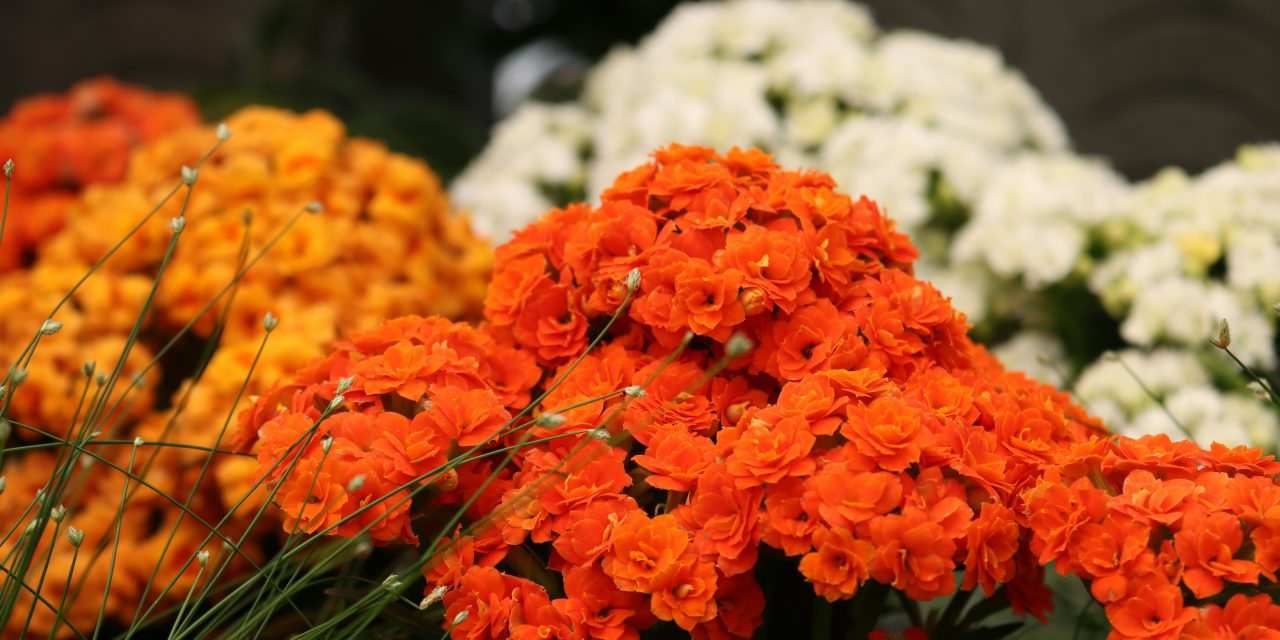
Flowering Kalanchoe, a member of the Crassulaceae family, is renowned for its vibrant blooms and hardy nature, making it a popular choice among indoor plant enthusiasts. These succulent plants are native to Madagascar and have gained immense popularity worldwide due to their ability to thrive in various conditions while providing a stunning display of color. With their fleshy leaves and clusters of small, tubular flowers, Kalanchoes can brighten any space, adding a touch of nature’s beauty to homes and offices alike.
The allure of Kalanchoe lies not only in its aesthetic appeal but also in its relatively low maintenance requirements. These plants are drought-resistant, making them ideal for individuals who may not have a green thumb. With proper care, Kalanchoes can bloom multiple times a year, offering a continuous show of color. This article will delve into various species of Kalanchoe, highlighting their unique characteristics and care requirements, ensuring that you can choose the perfect variety for your home.
Kalanchoe Blossfeldiana: The Classic Beauty
Kalanchoe Blossfeldiana is perhaps the most recognized species within the Kalanchoe genus. Known for its compact growth habit and profusion of flowers, this plant typically reaches heights of 12 to 18 inches. The blossoms come in an array of colors, including red, pink, yellow, and white, often blooming in clusters that create a striking visual impact. The glossy green leaves serve as an attractive backdrop to the vibrant flowers, enhancing their beauty.
This species thrives in bright, indirect sunlight and prefers well-draining soil to prevent root rot. Watering should be done sparingly; allowing the soil to dry out between waterings is crucial for maintaining plant health. Fertilizing every few weeks during the growing season can promote abundant flowering. Kalanchoe Blossfeldiana is often used in decorative arrangements or as a standalone centerpiece due to its eye-catching appearance.
Kalanchoe Tomentosa: Fuzzy Leaves with Delicate Flowers

Kalanchoe Tomentosa, commonly known as the “Panda Plant,” is distinguished by its fuzzy, velvety leaves adorned with reddish-brown edges. This unique foliage adds texture and interest to any collection of houseplants. The plant typically grows to about 12 inches tall and produces delicate yellow or orange flowers that emerge on tall stalks during the blooming season.
This species thrives in bright light but can tolerate some direct sunlight. It prefers well-draining soil and should be watered only when the top inch of soil feels dry. Overwatering can lead to root rot, which is detrimental to this succulent. Kalanchoe Tomentosa is an excellent choice for those looking to add a touch of whimsy to their indoor garden while enjoying the benefits of a low-maintenance plant.
Kalanchoe Manginii: Vibrant and Compact

Kalanchoe Manginii is a compact variety that typically grows to about 12 inches in height. This species is characterized by its vibrant clusters of tubular flowers that bloom in shades of red, orange, or yellow. The foliage is thick and succulent, providing an attractive contrast to the colorful blooms. Kalanchoe Manginii is particularly popular for its ability to produce flowers throughout the year under optimal conditions.
This plant thrives in bright, indirect light and requires well-draining soil to prevent waterlogging. Regular watering should be practiced, allowing the soil to dry out between sessions. Fertilizing during the growing season can enhance flowering potential. Kalanchoe Manginii is an excellent choice for those seeking a compact yet colorful addition to their indoor plant collection.
Kalanchoe Fedtschenkoi: Unique Leaf Patterns and Blooms
Kalanchoe Fedtschenkoi stands out due to its distinctive leaf patterns and beautiful blooms. The leaves are elongated and feature a striking silvery-green hue with serrated edges, creating an eye-catching display even when not in bloom. This species produces clusters of small, tubular flowers that are typically pink or orange, adding a splash of color to its unique foliage.
This variety prefers bright light but can tolerate some shade. It thrives in well-draining soil and should be watered sparingly, allowing the soil to dry out completely between waterings. Fertilizing during the growing season can promote healthy growth and flowering. Kalanchoe Fedtschenkoi is perfect for those looking for a visually interesting plant that offers both foliage and floral beauty.
Kalanchoe Pinnata: Exotic and Hardy
Kalanchoe Pinnata, also known as “Air Plant” or “Life Plant,” is recognized for its exotic appearance and hardiness. This species can grow up to 3 feet tall in optimal conditions and features thick, fleshy leaves that are often serrated along the edges. The plant produces clusters of tubular flowers that are typically pink or purple, adding a vibrant touch to its lush foliage.
This species thrives in bright light but can adapt to lower light conditions as well. It prefers well-draining soil and should be watered only when the top inch of soil feels dry. Kalanchoe Pinnata is known for its resilience and ability to withstand neglect, making it an excellent choice for beginners or those with busy lifestyles.
Kalanchoe Beharensis: Striking Foliage with Bright Flowers
Kalanchoe Beharensis is notable for its striking foliage and vibrant blooms. This species features large, paddle-shaped leaves that are often covered in a fine layer of fuzz, giving them a unique texture. The plant typically grows up to 2 feet tall and produces clusters of bright yellow or orange flowers that add a cheerful touch to any indoor space.
This variety thrives in bright light but can tolerate some shade. It prefers well-draining soil and should be watered sparingly, allowing the soil to dry out completely between waterings. Fertilizing during the growing season can enhance flowering potential. Kalanchoe Beharensis is an excellent choice for those looking for a visually stunning plant that offers both foliage and floral beauty.
Kalanchoe Daigremontiana: The Mother of Thousands with Colorful Blooms
Kalanchoe Daigremontiana, commonly referred to as “Mother of Thousands,” is known for its unique propagation method and colorful blooms. This species can grow up to 3 feet tall and features thick, fleshy leaves that produce small plantlets along their edges, allowing it to propagate easily. The plant produces clusters of tubular flowers that are typically pink or purple, adding a vibrant touch to its lush foliage.
This variety thrives in bright light but can adapt to lower light conditions as well. It prefers well-draining soil and should be watered only when the top inch of soil feels dry. Kalanchoe Daigremontiana is known for its resilience and ability to withstand neglect, making it an excellent choice for beginners or those with busy lifestyles.
Kalanchoe Laciniata: Intricate Leaves and Stunning Flowers
Kalanchoe Laciniata is distinguished by its intricate leaf structure and stunning blooms. The leaves are deeply lobed and have a unique texture that adds visual interest to any indoor garden. This species typically grows up to 2 feet tall and produces clusters of tubular flowers that are usually red or orange, creating a striking contrast against its lush foliage.
This variety thrives in bright light but can tolerate some shade. It prefers well-draining soil and should be watered sparingly, allowing the soil to dry out completely between waterings. Fertilizing during the growing season can enhance flowering potential. Kalanchoe Laciniata is perfect for those looking for a visually interesting plant that offers both foliage and floral beauty.
Kalanchoe Sexangularis: Elegant and Easy to Care For
Kalanchoe Sexangularis is an elegant variety characterized by its slender stems and delicate leaves. This species typically grows up to 18 inches tall and produces clusters of small flowers that are usually pink or white, adding a soft touch to any indoor space. Its graceful appearance makes it an attractive addition to any collection.
This variety thrives in bright light but can adapt to lower light conditions as well. It prefers well-draining soil and should be watered only when the top inch of soil feels dry. Kalanchoe Sexangularis is known for its resilience and ability to withstand neglect, making it an excellent choice for beginners or those with busy lifestyles.
Kalanchoe Blossfeldiana Variegata: A Colorful Twist on a Favorite
Kalanchoe Blossfeldiana Variegata offers a colorful twist on the classic variety with its variegated leaves featuring shades of green and cream or yellow. This species retains all the charm of its counterpart while adding an extra layer of visual interest with its unique foliage patterns. The flowers bloom in various colors, including red, pink, yellow, and white.
This variety thrives in bright light but can tolerate some shade. It prefers well-draining soil and should be watered sparingly, allowing the soil to dry out completely between waterings. Fertilizing during the growing season can enhance flowering potential. Kalanchoe Blossfeldiana Variegata is perfect for those looking for a visually stunning plant that offers both foliage and floral beauty.
Care Tips to Keep Your Flowering Kalanchoes Thriving
To ensure your flowering Kalanchoes thrive, consider the following care tips:
1. **Light Requirements**: Most Kalanchoes prefer bright, indirect sunlight but can tolerate some direct sunlight.
2. **Soil Type**: Use well-draining soil specifically formulated for succulents or cacti.
3. **Watering**: Allow the top inch of soil to dry out before watering again; overwatering can lead to root rot.
4. **Fertilization**: Feed your plants with a balanced fertilizer every few weeks during the growing season.
5. **Temperature**: Maintain indoor temperatures between 60°F (15°C) and 75°F (24°C) for optimal growth.
6. **Pruning**: Remove spent flowers and any dead or damaged leaves regularly to encourage new growth.
7. **Pest Management**: Keep an eye out for common pests such as aphids or mealybugs; treat infestations promptly with insecticidal soap or neem oil.
By following these care tips, you can enjoy the beauty of flowering Kalanchoes year-round while ensuring their health and vitality.
In summary, flowering Kalanchoes offer an array of stunning varieties that bring color and life into any indoor space. From the classic beauty of Kalanchoe Blossfeldiana to the unique characteristics of Kalanchoe Daigremontiana, each species has something special to offer. With proper care—including adequate light, well-draining soil, appropriate watering practices, and regular fertilization—these resilient plants can thrive beautifully in your home environment.
FAQs
What is flowering kalanchoe?
Flowering kalanchoe, scientifically known as Kalanchoe blossfeldiana, is a succulent plant belonging to the Crassulaceae family. It is popular for its vibrant, colorful flowers and thick, fleshy leaves. This plant is often grown as a houseplant and is known for its ability to bloom multiple times a year under the right conditions.
How do you care for flowering kalanchoe?
Caring for flowering kalanchoe involves providing it with bright, indirect sunlight, well-draining soil, and moderate watering. It is important to allow the soil to dry out between waterings to prevent root rot. Additionally, fertilizing the plant every few weeks during the growing season can promote healthy blooms.
When does flowering kalanchoe bloom?
Flowering kalanchoe typically blooms in the late winter to early spring, although with proper care, it can produce flowers at other times of the year as well. The blooming period can last for several weeks, and the plant may rebloom if it is given the right conditions and care.
Can flowering kalanchoe be propagated?
Yes, flowering kalanchoe can be propagated through leaf or stem cuttings. To propagate, simply cut a healthy leaf or stem, allow it to callous over for a few days, and then place it in well-draining soil. Keep the soil slightly moist until new roots develop, which can take a few weeks.
Are there any common pests or diseases that affect flowering kalanchoe?
Flowering kalanchoe can be susceptible to pests such as aphids, mealybugs, and spider mites. Additionally, overwatering can lead to root rot and fungal diseases. Regularly inspecting the plant and maintaining proper watering practices can help prevent these issues.