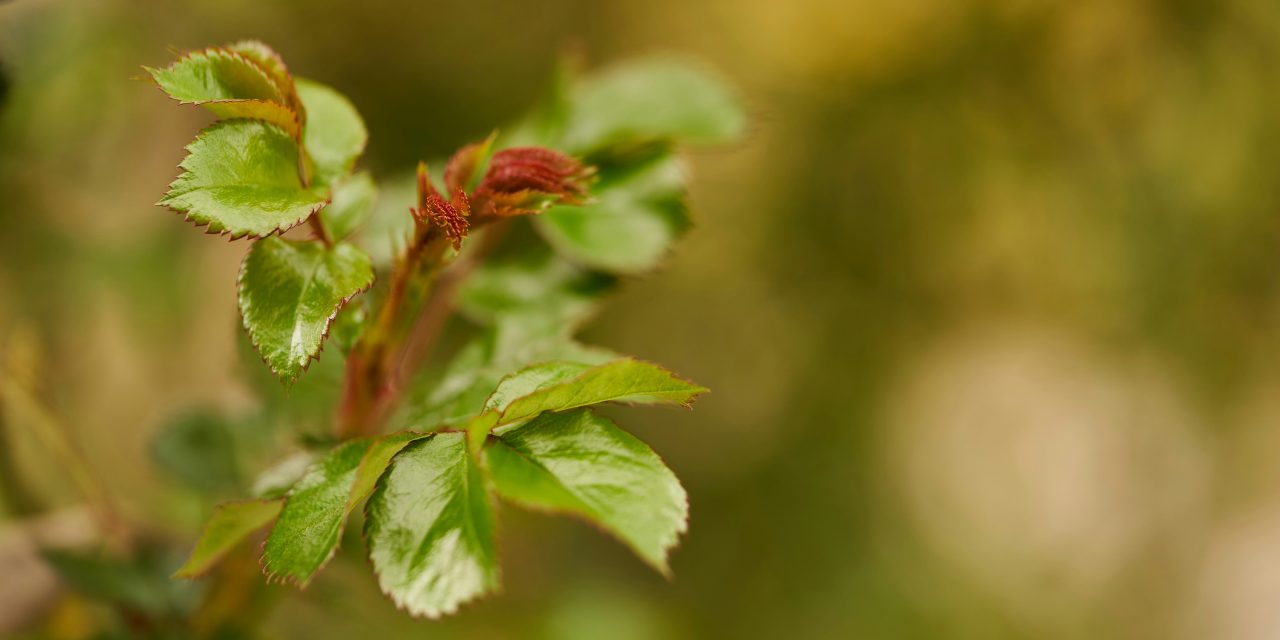
Early spring pruning is a critical horticultural practice that significantly influences the health and productivity of rose bushes. This process not only enhances the aesthetic appeal of the plants but also promotes vigorous growth and abundant flowering. By removing dead, diseased, or damaged canes, gardeners can redirect the plant’s energy towards new growth, ensuring a robust blooming season. Furthermore, pruning helps to improve air circulation within the bush, reducing the risk of fungal infections and other diseases that thrive in dense foliage.
The timing of this practice is paramount; early spring is ideal as it coincides with the plant’s natural growth cycle. As temperatures begin to rise and buds start to swell, pruning at this stage encourages the development of new shoots that will bear flowers. Additionally, early spring pruning allows gardeners to assess the overall health of their roses, making it easier to identify any underlying issues that may require attention. In essence, this practice is not merely about aesthetics; it is a fundamental aspect of rose care that fosters long-term vitality and resilience.
Gathering the Right Tools for Pruning Roses
Equipping oneself with the appropriate tools is essential for effective rose pruning. The primary instruments include bypass pruners, loppers, and pruning saws. Bypass pruners are ideal for making clean cuts on smaller stems and branches, while loppers are suited for thicker canes that require more leverage. For particularly large or woody stems, a pruning saw may be necessary to ensure a clean and precise cut. Each tool serves a specific purpose, and having them readily available can streamline the pruning process.
In addition to cutting tools, protective gear should not be overlooked. Gloves are crucial for safeguarding hands from thorns and sharp edges, while safety goggles can protect the eyes from debris during cutting. A sturdy kneeling pad can also enhance comfort during prolonged periods of work. By assembling a comprehensive toolkit, gardeners can approach the pruning process with confidence and efficiency, ultimately leading to healthier rose bushes.
Identifying Dead, Diseased, and Damaged Canes

A critical aspect of early spring pruning involves accurately identifying which canes require removal. Dead canes typically appear brown or gray and lack any signs of life, such as green tissue or budding. Diseased canes may exhibit discoloration, lesions, or unusual growths indicative of infections like black spot or powdery mildew. Damaged canes often show signs of physical injury, such as splits or breaks caused by harsh winter conditions or pest activity.
To effectively assess the health of each cane, gardeners should employ a technique known as “scratch test.” This involves gently scraping the surface of a cane with a fingernail or knife to reveal the underlying tissue. Healthy wood will display a vibrant green color beneath the bark, while dead wood will remain brown or gray. By systematically evaluating each cane in this manner, gardeners can make informed decisions about which parts of the plant to prune, thereby enhancing overall plant health.
Choosing the Best Time for Pruning in Early Spring

Timing is crucial when it comes to pruning roses in early spring. The optimal window for this activity typically falls between late February and early April, depending on regional climate conditions. Gardeners should aim to prune just before new growth begins, which is often indicated by swelling buds on the canes. Pruning too early may expose plants to frost damage, while delaying the process can hinder blooming potential.
Monitoring local weather patterns is essential for determining the right moment to prune. A sudden drop in temperature or late frosts can jeopardize newly cut canes. Therefore, it is advisable to wait until after the last frost date in your area before proceeding with pruning activities. By aligning pruning efforts with seasonal changes, gardeners can maximize their roses’ potential for healthy growth and vibrant blooms.
Preparing Your Rose Bushes Before Pruning
Before embarking on the pruning process, it is vital to prepare rose bushes adequately. This preparation begins with a thorough inspection of the plant’s overall health and structure. Gardeners should remove any debris or fallen leaves around the base of the bush to minimize pest habitats and disease vectors. Additionally, ensuring that the surrounding soil is well-drained and free from excess moisture will promote healthy root systems.
Another preparatory step involves assessing the bush’s shape and size. Understanding how much growth has occurred since the last pruning session will help determine how much material can be safely removed without compromising the plant’s integrity. Taking note of any structural imbalances will also guide pruning decisions, allowing for a more aesthetically pleasing and functional shape post-pruning.
Step-by-Step Guide to Making Clean Cuts
Making clean cuts during pruning is essential for promoting healthy regrowth and minimizing stress on the plant. The first step involves selecting an appropriate cutting angle; cuts should be made at a 45-degree angle approximately 1/4 inch above a bud facing outward from the center of the bush. This angle encourages water runoff and reduces the risk of rot.
When using bypass pruners or loppers, it is crucial to apply even pressure to avoid crushing the cane. For larger branches requiring a saw, ensure that cuts are made in a single motion to maintain cleanliness. After cutting, it is advisable to seal larger wounds with a pruning sealant to prevent disease entry. Following these steps will ensure that each cut promotes healthy regrowth while minimizing potential complications.
How to Shape Your Rose Bush for Optimal Growth
Shaping rose bushes during pruning is vital for encouraging optimal growth patterns and maximizing blooming potential. The goal is to create an open center that allows sunlight and air circulation to penetrate throughout the bush. This can be achieved by selectively removing inward-facing branches and those that cross over one another.
Additionally, maintaining an overall balanced shape will enhance both aesthetics and functionality. Gardeners should aim for a rounded silhouette that promotes even growth across all sides of the bush. Regularly stepping back to assess the overall shape during pruning will help ensure that no areas are neglected or over-pruned.
Removing Old Wood to Encourage New Blooms
Removing old wood is an essential practice in rose care that stimulates new growth and enhances flowering potential. Old wood typically refers to canes that are more than three years old; these canes often produce fewer blooms compared to younger growth. By selectively removing older canes at their base, gardeners can encourage new shoots to emerge from the crown of the plant.
When removing old wood, it is important to make clean cuts at ground level or just above a healthy bud. This practice not only promotes new growth but also helps rejuvenate the plant by redirecting energy towards younger canes that are more likely to produce vibrant blooms. Regularly assessing and removing old wood will contribute significantly to maintaining a healthy and productive rose bush.
Tips for Handling Different Types of Roses
Different varieties of roses may require tailored approaches when it comes to pruning techniques. For instance, hybrid tea roses benefit from more aggressive pruning compared to shrub roses, which may require gentler shaping methods. Understanding each variety’s specific needs will enhance overall care strategies.
Climbing roses often necessitate unique considerations; these should be pruned after flowering to avoid cutting off potential blooms for the upcoming season. Conversely, floribunda roses thrive with moderate pruning in early spring to encourage bushier growth and increased flowering potential. Familiarizing oneself with individual rose types will enable gardeners to implement effective pruning strategies tailored to each variety’s characteristics.
Aftercare: Feeding and Mulching Post-Pruning
Post-pruning care is crucial for ensuring that rose bushes recover effectively and thrive throughout the growing season. After completing pruning activities, applying a balanced fertilizer specifically formulated for roses will provide essential nutrients needed for vigorous growth. Fertilizers rich in nitrogen promote leafy growth, while those containing phosphorus support blooming.
Mulching around the base of rose bushes serves multiple purposes; it helps retain soil moisture, suppresses weeds, and regulates soil temperature. Organic mulches such as shredded bark or straw are excellent choices as they decompose over time, enriching soil quality. Applying mulch after fertilization will create an optimal environment for root development and overall plant health.
Common Mistakes to Avoid When Pruning Roses in Early Spring
Several common pitfalls can undermine effective rose pruning practices if not addressed properly. One frequent mistake is failing to sterilize tools between cuts; this can lead to disease transmission between healthy and infected plants. Gardeners should always clean their tools with rubbing alcohol or a bleach solution before starting work.
Another common error involves over-pruning; removing too much foliage can stress plants and hinder their ability to produce blooms effectively. It is essential to strike a balance between removing dead or diseased wood while retaining enough healthy growth for photosynthesis and energy production. Additionally, neglecting proper timing can result in frost damage or delayed blooming; thus, monitoring local weather conditions is vital.
In summary, early spring pruning plays an integral role in maintaining healthy rose bushes by promoting vigorous growth and abundant flowering. By gathering appropriate tools, identifying problematic canes, choosing optimal timing, preparing plants adequately, making clean cuts, shaping bushes effectively, removing old wood strategically, handling different varieties appropriately, providing aftercare through feeding and mulching, and avoiding common mistakes, gardeners can ensure their roses thrive throughout the growing season. With careful attention and proper techniques, anyone can cultivate stunning rose gardens that flourish year after year.
FAQs
When is the best time to prune roses in early spring?
The best time to prune roses in early spring is typically when the buds begin to swell but before they open. This usually occurs after the last frost date in your area, which can vary depending on your climate zone. Observing local weather patterns can help determine the optimal timing.
What tools do I need for pruning roses?
Essential tools for pruning roses include sharp bypass pruners for cutting stems, loppers for thicker branches, and a pruning saw for larger canes. Additionally, gloves are recommended to protect your hands from thorns, and disinfectant is useful for cleaning tools between cuts to prevent disease spread.
How much should I prune my roses?
Generally, you should aim to remove about one-third to one-half of the plant’s height during pruning. Focus on cutting back dead or diseased wood, as well as any crossing branches that may rub against each other. The goal is to create an open center for better air circulation and sunlight exposure.
Should I prune all types of roses the same way?
No, different types of roses require different pruning techniques. For example, hybrid tea roses are typically pruned more severely than shrub roses. It’s important to research the specific variety of rose you have to understand the best pruning practices for that type.
What should I do with the pruned rose clippings?
After pruning, you can compost the healthy clippings, but it’s best to dispose of any diseased or pest-infested material to prevent spreading issues. If you have a large amount of clippings, consider using them as mulch around the base of the roses, ensuring they are free from disease.