Plant terrariums have surged in popularity as a captivating way to bring nature indoors. These miniature ecosystems encapsulate the beauty of flora within transparent containers, allowing for a unique blend of artistry and horticulture. Terrariums can serve as stunning focal points in any room, enhancing aesthetic appeal while promoting a sense of tranquility. The versatility of these glass gardens makes them suitable for various environments, from homes to offices, providing a refreshing green touch that can uplift spirits and purify the air.
The concept of terrariums dates back to the 19th century, when botanist Nathaniel Ward discovered that plants could thrive in sealed glass containers. This innovative idea has evolved into a popular hobby and decorative trend, with enthusiasts creating diverse ecosystems that reflect personal style and creativity. Whether you are an experienced gardener or a novice looking to explore the world of indoor gardening, terrariums offer an accessible and rewarding way to cultivate greenery in your living space.
Choosing the Right Container: Glass Bowls, Jars, and More
Selecting the appropriate container is crucial for the success of your terrarium. Glass bowls, jars, and other transparent vessels come in various shapes and sizes, each offering unique advantages. For instance, wide-mouthed jars provide ample space for plant growth and easy access for maintenance, while tall, narrow containers can create dramatic vertical displays. When choosing a container, consider factors such as the type of plants you wish to include, the available light in your space, and your personal aesthetic preferences.
In addition to traditional glass options, there are also innovative alternatives like acrylic terrariums that offer durability and lightweight convenience. These materials can be molded into various shapes, allowing for creative designs that may not be possible with glass. Regardless of the material chosen, ensure that the container has adequate drainage capabilities to prevent water accumulation, which can lead to root rot and other detrimental conditions for your plants.
Classic Moss and Fern Terrarium: A Lush Miniature Forest

A classic moss and fern terrarium embodies the essence of a lush forest ecosystem. Mosses are particularly well-suited for terrarium environments due to their ability to thrive in humid conditions while requiring minimal maintenance. Ferns, with their delicate fronds and vibrant green hues, complement moss beautifully, creating a harmonious display reminiscent of woodland landscapes.
To create this type of terrarium, begin by layering materials such as activated charcoal for filtration, followed by a layer of potting soil suitable for ferns and mosses. Select a variety of mosses—such as sheet moss or cushion moss—and ferns like the Boston fern or maidenhair fern to introduce texture and depth. The result is a verdant oasis that not only enhances your decor but also contributes to improved air quality through natural filtration processes.
Succulent and Cactus Terrarium: Low-Maintenance Charm

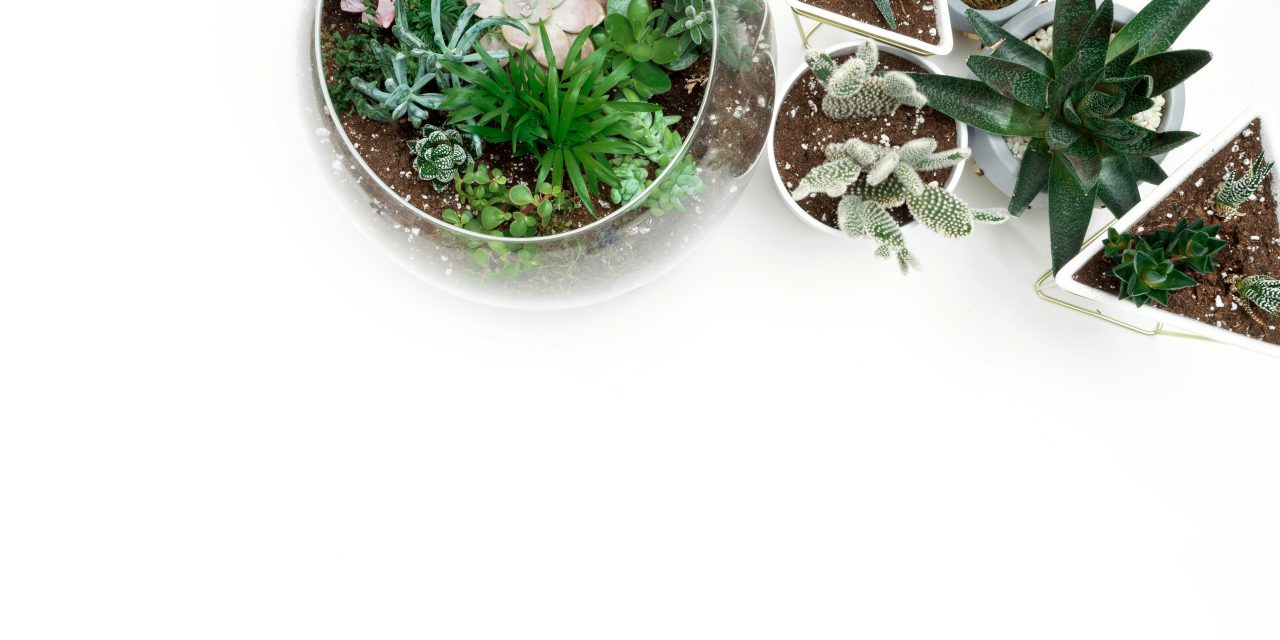
For those seeking a low-maintenance option, succulent and cactus terrariums are ideal choices. These drought-tolerant plants thrive in arid conditions and require minimal watering, making them perfect for busy individuals or those new to gardening. Succulents come in an array of shapes, sizes, and colors, allowing for creative arrangements that can be tailored to fit any aesthetic.
When assembling a succulent and cactus terrarium, it is essential to use a well-draining soil mix specifically designed for cacti and succulents. Begin with a layer of gravel or small stones at the bottom of the container to facilitate drainage. Arrange your chosen plants in an aesthetically pleasing manner, ensuring they have enough space to grow without overcrowding. This type of terrarium not only adds visual interest but also serves as a conversation starter in any room.
Air Plant Terrarium: Unique and Versatile Displays
Air plants (Tillandsia) have gained popularity due to their unique growing habits and minimal care requirements. Unlike traditional plants, air plants do not require soil; instead, they absorb moisture and nutrients through their leaves from the air. This characteristic allows for creative displays in various containers, from hanging glass orbs to driftwood arrangements.
To create an air plant terrarium, select a container that allows for good air circulation while showcasing the beauty of the plants. Incorporate decorative elements such as stones or sand to enhance visual appeal while providing stability for the air plants. Regular misting or soaking in water every couple of weeks will keep these fascinating plants healthy and vibrant. The versatility of air plant terrariums makes them suitable for any decor style, from modern minimalist to bohemian chic.
Tropical Rainforest Terrarium: Exotic Plants and Humidity
A tropical rainforest terrarium transports you to an exotic paradise filled with lush greenery and vibrant colors. This type of terrarium typically features humidity-loving plants such as orchids, bromeliads, and various tropical ferns that thrive in warm environments. Creating a rainforest ecosystem requires careful attention to humidity levels and temperature control.
To establish this environment, begin with a layer of activated charcoal followed by a moisture-retaining soil mix. Incorporate decorative elements like rocks or driftwood to mimic natural habitats while providing support for climbing plants. Regular misting is essential to maintain humidity levels conducive to tropical plant growth. The result is a stunning display that not only beautifies your space but also creates a serene atmosphere reminiscent of a rainforest retreat.
Desert Landscape Terrarium: Sand, Stones, and Drought-Tolerant Plants
The desert landscape terrarium offers a striking contrast to lush rainforest designs by showcasing drought-tolerant plants in arid conditions. This type of terrarium typically features succulents and cacti arranged amidst sand and stones, creating an aesthetically pleasing representation of desert ecosystems.
To create this unique display, start with a layer of coarse sand or gravel at the bottom of your container for drainage. Follow this with a specialized soil mix designed for cacti and succulents. Arrange your chosen plants—such as Echeveria or Haworthia—among decorative stones or pebbles to enhance the desert theme. This low-maintenance option is perfect for those who appreciate minimalist designs while enjoying the beauty of nature indoors.
Fairy Garden Terrarium: Whimsical Decor with Miniature Accessories
Fairy garden terrariums combine horticulture with whimsy by incorporating miniature accessories that evoke a sense of enchantment. These delightful displays often feature small figurines, tiny furniture pieces, or decorative stones arranged among vibrant plants like mosses or small flowering species.
To create a fairy garden terrarium, select a container that allows for creativity in design while providing adequate drainage. Begin with layers of activated charcoal and potting soil before arranging your chosen plants and accessories. The addition of whimsical elements such as fairy houses or miniature bridges transforms your terrarium into a magical landscape that sparks imagination and joy.
Edible Herb Terrarium: Fresh Flavors at Your Fingertips
An edible herb terrarium offers both aesthetic appeal and culinary benefits by allowing you to grow fresh herbs indoors. Popular choices include basil, mint, thyme, and rosemary—each contributing unique flavors to your culinary creations while enhancing your living space with greenery.
To create an edible herb terrarium, choose a container that provides sufficient depth for root growth while ensuring proper drainage. Use high-quality potting soil enriched with organic matter to support healthy herb growth. Regular watering is essential; however, be cautious not to overwater as herbs prefer slightly drier conditions compared to other plants. This functional terrarium not only beautifies your kitchen but also provides fresh ingredients at your fingertips.
Zen Garden Terrarium: Creating Calm with Stones and Greenery
A Zen garden terrarium embodies tranquility through minimalistic design elements that promote relaxation and mindfulness. This type of terrarium typically features smooth stones, sand or gravel, and carefully selected plants that evoke serenity—such as succulents or small ferns.
To create a Zen garden terrarium, begin with a layer of sand or gravel at the bottom of your container to represent calm waters or sandy landscapes. Arrange smooth stones artistically throughout the display while incorporating small plants that require minimal maintenance. The simplicity of this design encourages contemplation and mindfulness, making it an ideal addition to meditation spaces or areas dedicated to relaxation.
Tips for Terrarium Care: Lighting, Watering, and Maintenance Essentials
Proper care is essential for maintaining the health and vibrancy of your terrarium ecosystem. Lighting plays a crucial role; most plants thrive in bright but indirect sunlight. Position your terrarium near windows where it can receive filtered light without direct exposure that may scorch delicate leaves.
Watering practices vary depending on plant types; however, it is generally advisable to err on the side of caution by allowing soil to dry out slightly between waterings. Overwatering can lead to root rot—a common issue in closed environments like terrariums—so monitoring moisture levels is vital.
Regular maintenance includes pruning dead leaves or overgrown plants to promote healthy growth while preventing overcrowding within the container. Additionally, cleaning the glass surfaces will enhance visibility while showcasing the beauty of your miniature ecosystem.
In summary, plant terrariums offer an enchanting way to incorporate greenery into indoor spaces while providing opportunities for creativity and personal expression. From classic moss arrangements to whimsical fairy gardens or functional herb displays, there is a terrarium style suited for every individual’s taste and lifestyle needs. By understanding container selection, plant choices, care requirements, and maintenance essentials, anyone can successfully cultivate their own miniature ecosystem at home—bringing nature’s beauty indoors in an accessible and rewarding manner.
FAQs
What is a plant terrarium?
A plant terrarium is a miniature garden enclosed in a transparent container, typically made of glass or plastic. It creates a self-sustaining ecosystem where plants can thrive in a controlled environment, often featuring soil, decorative elements, and sometimes small figurines.
What types of plants are suitable for a terrarium?
Common plants suitable for terrariums include ferns, mosses, succulents, and small tropical plants like fittonia and peperomia. It’s important to choose plants that have similar light and moisture requirements to ensure they thrive together in the enclosed space.
How do you care for a plant terrarium?
Caring for a plant terrarium involves providing the right amount of light, moisture, and ventilation. Most terrariums thrive in indirect sunlight and should be watered sparingly, as the enclosed environment retains moisture. It’s also essential to occasionally remove any dead leaves or debris to prevent mold growth.
Can you create a closed terrarium?
Yes, closed terrariums are possible and can be beneficial for certain plants. They create a humid environment that can help retain moisture and reduce the need for frequent watering. However, it’s important to monitor the conditions inside to prevent excessive condensation or mold growth.
What materials do you need to create a plant terrarium?
To create a plant terrarium, you will need a clear container (like a glass jar or bowl), potting soil, small plants, decorative stones or gravel for drainage, activated charcoal to prevent odors, and optional decorative elements like figurines or stones. Tools like a spoon or tweezers can also be helpful for arranging the plants and materials.