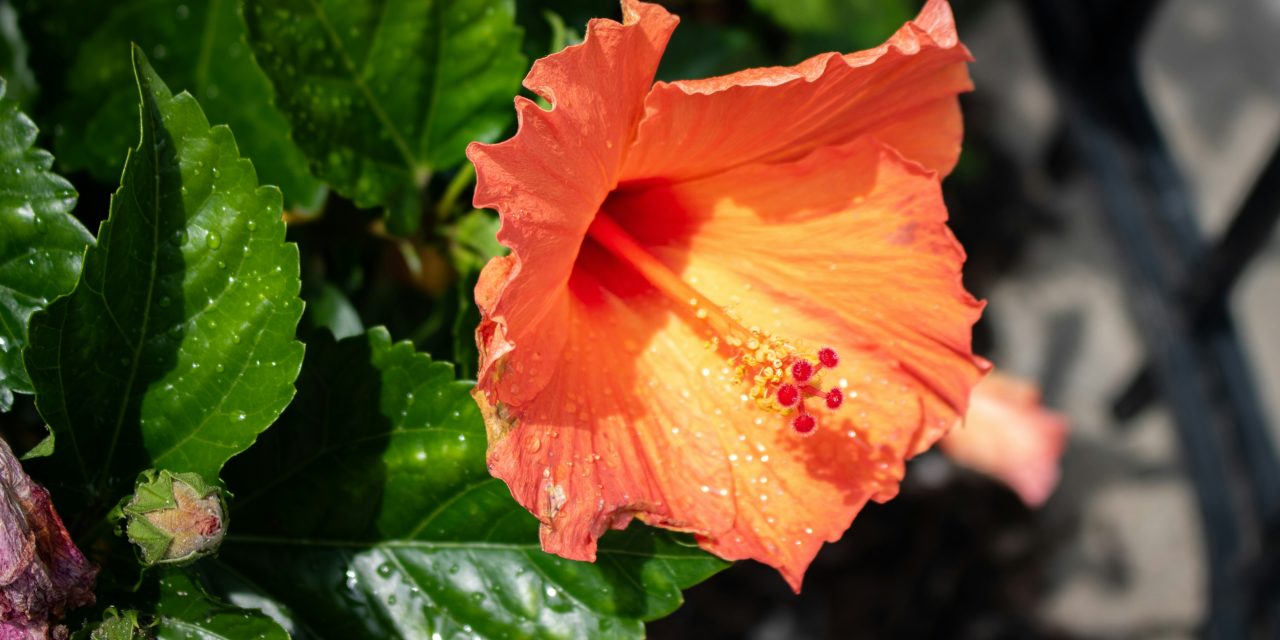
Perennial flowers are a cornerstone of sustainable gardening, particularly in full sun environments where they thrive and flourish. These plants, which return year after year, offer a vibrant palette of colors and textures that can transform any garden into a stunning visual spectacle. Unlike annuals, which require replanting each season, perennials establish deep root systems that allow them to endure varying weather conditions, making them an ideal choice for gardeners seeking longevity and resilience in their landscapes.
In full sun gardens, the selection of perennial flowers is crucial. These plants not only need to withstand intense sunlight but also require minimal water once established. The right perennials can create a dynamic ecosystem that attracts pollinators, such as bees and butterflies, while providing a habitat for beneficial insects. This article will delve into the benefits of choosing perennials for sunny spots, criteria for selecting the best varieties, and detailed profiles of ten exceptional perennial flowers that thrive in full sun conditions.
Benefits of Choosing Perennials for Sunny Spots
Choosing perennial flowers for sunny gardens offers numerous advantages that extend beyond mere aesthetics. One of the primary benefits is their ability to adapt to various soil types and conditions. Many perennials are drought-resistant once established, which means they require less frequent watering compared to annuals. This characteristic not only conserves water but also reduces maintenance efforts, allowing gardeners to enjoy their landscapes without the constant need for irrigation.
Additionally, perennials contribute to soil health through their extensive root systems. These roots help prevent soil erosion and improve soil structure by enhancing aeration and water infiltration. Furthermore, many perennial species are known for their ability to attract beneficial wildlife, including pollinators and predatory insects that help control pest populations. By incorporating perennials into sunny gardens, gardeners can create a self-sustaining ecosystem that promotes biodiversity while minimizing the need for chemical interventions.
Criteria for Selecting the Best Perennial Flowers

When selecting perennial flowers for full sun gardens, several criteria should be considered to ensure optimal growth and visual appeal. First and foremost, it is essential to evaluate the plant’s hardiness zone. Understanding the local climate and selecting plants that are well-suited to the specific temperature ranges will significantly enhance their chances of survival and flourishing.
Another critical factor is the plant’s water requirements. While many perennials are drought-tolerant, some may still require regular watering during their establishment phase or in particularly dry spells. Additionally, assessing the soil type and drainage capabilities is vital; some perennials thrive in sandy soils, while others prefer clay or loamy conditions. Finally, consider the mature size and growth habit of the plants to ensure they fit well within the intended garden space without overcrowding or competing for resources.
Black-eyed Susan (Rudbeckia hirta)

Black-eyed Susan is a quintessential perennial flower known for its striking yellow petals and dark brown centers. This hardy plant thrives in full sun and is adaptable to various soil types, making it an excellent choice for gardeners seeking low-maintenance options. Typically blooming from mid-summer to early fall, Black-eyed Susans provide a burst of color when many other flowers begin to fade.
In addition to their aesthetic appeal, Black-eyed Susans are highly attractive to pollinators such as bees and butterflies. They can grow up to 3 feet tall and spread about 1-2 feet wide, making them suitable for borders or mass plantings. To promote healthy growth, it is advisable to deadhead spent blooms regularly, which encourages further flowering and prevents self-seeding.
Coneflower (Echinacea purpurea)
Coneflower, or Echinacea purpurea, is another standout perennial that thrives in sunny gardens. Renowned for its daisy-like appearance with vibrant pink or purple petals surrounding a prominent cone-shaped center, this flower blooms from late spring through early fall. Coneflowers are not only visually appealing but also possess medicinal properties; they have been traditionally used to boost the immune system.
These resilient plants can tolerate drought conditions once established and are known for attracting a variety of pollinators. Coneflowers typically reach heights of 2-4 feet and can spread 1-2 feet wide. To maintain their vigor, it is recommended to divide them every few years and remove any dead foliage in early spring.
Daylily (Hemerocallis)
Daylilies are celebrated for their versatility and resilience in full sun gardens. With thousands of cultivars available, these perennials offer an extensive range of colors and forms, ensuring that there is a daylily suitable for every garden aesthetic. Each bloom lasts only one day; however, the plants produce numerous buds over an extended blooming period from late spring to early summer.
Daylilies thrive in well-drained soil and can tolerate drought conditions once established. They typically grow between 1-4 feet tall and can spread up to 3 feet wide, making them ideal for borders or as focal points in garden beds. Regular division every few years helps maintain their vigor and encourages more prolific blooming.
Lavender (Lavandula)
Lavender is a beloved perennial known for its aromatic foliage and stunning purple flowers that bloom in summer. This Mediterranean native thrives in full sun and well-drained soil, making it an excellent choice for sunny gardens with good air circulation. Lavender not only adds beauty but also serves practical purposes; its essential oils are widely used in aromatherapy and culinary applications.
In terms of maintenance, lavender requires minimal watering once established but benefits from occasional pruning to promote bushier growth and prevent woody stems. Typically growing between 1-3 feet tall with a similar spread, lavender can be used as a border plant or in herb gardens. Its ability to attract pollinators while repelling certain pests makes it a valuable addition to any garden ecosystem.
Russian Sage (Perovskia atriplicifolia)
Russian Sage is a striking perennial characterized by its silvery foliage and tall spikes of lavender-blue flowers that bloom from mid-summer to fall. This drought-tolerant plant thrives in full sun and well-drained soils, making it an excellent choice for xeriscaping or low-maintenance gardens. Russian Sage can grow up to 3-5 feet tall with a spread of 2-4 feet, creating an impressive vertical element in garden designs.
Beyond its visual appeal, Russian Sage is known for attracting pollinators while being resistant to deer and rabbits. To maintain its shape and encourage new growth, it is advisable to cut back the plant in early spring before new growth emerges.
Blanket Flower (Gaillardia)
Blanket Flower, or Gaillardia, is a vibrant perennial that produces daisy-like blooms in shades of red, orange, and yellow throughout the summer months. This hardy plant thrives in full sun and well-drained soils, making it an excellent choice for sunny borders or wildflower gardens. Blanket Flowers are known for their ability to tolerate drought conditions once established.
Typically growing between 1-2 feet tall with a spread of 1-2 feet wide, Blanket Flowers can be easily integrated into various garden styles. Regular deadheading encourages continuous blooming throughout the season while preventing self-seeding.
Salvia (Salvia nemorosa)
Salvia nemorosa is a perennial known for its spikes of purple or blue flowers that bloom from late spring through summer. This drought-tolerant plant thrives in full sun and well-drained soils, making it an excellent choice for sunny borders or cottage gardens. Salvia attracts pollinators such as bees and butterflies while being resistant to deer.
Growing between 1-3 feet tall with a similar spread, Salvia can be used as a focal point or mass planted for dramatic effect. To promote healthy growth and prolong blooming, it is advisable to deadhead spent flowers regularly.
Sedum (Stonecrop)
Sedum is a diverse genus of succulents that thrive in sunny gardens with poor soil conditions. Known for their fleshy leaves and star-shaped flowers that bloom in late summer to fall, Sedums are incredibly drought-tolerant once established. They come in various forms, from ground covers to upright varieties that can reach heights of 1-2 feet.
Sedum’s ability to thrive in challenging conditions makes it an excellent choice for rock gardens or xeriscaping projects. Regular pruning helps maintain their shape and encourages bushier growth while preventing overcrowding.
Coreopsis (Tickseed)
Coreopsis is a cheerful perennial known for its bright yellow flowers that bloom from early summer until fall. This hardy plant thrives in full sun and well-drained soils while attracting pollinators such as bees and butterflies. Coreopsis typically grows between 1-3 feet tall with a spread of 1-2 feet wide.
To encourage continuous blooming throughout the season, regular deadheading is recommended. Coreopsis is also known for its ability to tolerate drought conditions once established, making it an excellent choice for low-maintenance gardens.
Yarrow (Achillea millefolium)
Yarrow is a versatile perennial known for its feathery foliage and clusters of small flowers that bloom in various colors throughout the summer months. This hardy plant thrives in full sun and well-drained soils while attracting beneficial insects such as ladybugs and lacewings.
Typically growing between 2-3 feet tall with a spread of 1-2 feet wide, Yarrow can be used as a border plant or mass planted for dramatic effect. Regular deadheading encourages continuous blooming while preventing self-seeding.
Tips for Planting and Caring for Full Sun Perennials
When planting full sun perennials, timing is crucial; spring or early fall is generally the best time to establish these plants before extreme temperatures set in. Ensure that the planting site receives at least six hours of direct sunlight daily while preparing the soil by incorporating organic matter to improve drainage and fertility.
Water newly planted perennials thoroughly until they establish deep root systems; thereafter, reduce watering frequency as they become more drought-tolerant. Mulching around the base of plants helps retain moisture while suppressing weeds that compete for nutrients.
Regular maintenance practices such as deadheading spent blooms, dividing overcrowded plants every few years, and applying organic fertilizers during the growing season will promote healthy growth and vibrant blooms throughout the years.
In summary, perennial flowers offer numerous benefits when planted in full sun gardens due to their resilience, adaptability, and ability to attract beneficial wildlife while requiring minimal maintenance once established. By carefully selecting varieties suited to local conditions and following best practices for planting and care, gardeners can create stunning landscapes filled with color year after year.
FAQs
What are perennial flowers?
Perennial flowers are plants that live for more than two years, returning each spring from their root systems. Unlike annuals, which complete their life cycle in one growing season, perennials can bloom year after year, making them a popular choice for gardens.
Which perennial flowers thrive in full sun?
Some of the best perennial flowers for full sun include Coneflowers (Echinacea), Black-eyed Susans (Rudbeckia), Daylilies (Hemerocallis), Lavender (Lavandula), and Sedum. These plants are well-adapted to sunny conditions and can tolerate heat and drought.
How much sunlight do perennial flowers need?
Perennial flowers that thrive in full sun typically require at least 6 to 8 hours of direct sunlight each day. This exposure helps them grow robustly and produce vibrant blooms throughout the growing season.
When is the best time to plant perennial flowers?
The best time to plant perennial flowers is in the spring or fall. Spring planting allows the plants to establish roots before the heat of summer, while fall planting gives them a head start in the cooler months, allowing them to bloom earlier in the following spring.
How do I care for perennial flowers in full sun?
Caring for perennial flowers in full sun involves ensuring they receive adequate water, especially during dry spells. It’s also important to provide well-draining soil, apply mulch to retain moisture, and deadhead spent blooms to encourage further flowering. Regular fertilization can also promote healthy growth.