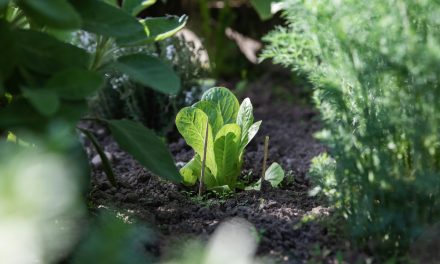
Raised garden beds have gained immense popularity among gardening enthusiasts and novices alike, serving as an innovative solution to various gardening challenges. These elevated structures, typically constructed from wood, stone, or composite materials, offer a plethora of advantages that enhance the gardening experience. One of the primary benefits is improved soil drainage. By elevating the planting area, excess water can easily escape, preventing root rot and other moisture-related issues. Additionally, raised beds allow for better soil quality management. Gardeners can customize the soil mix to suit specific plant needs, ensuring optimal nutrient availability.
Another significant advantage of raised garden beds is their accessibility. The elevated height reduces the need for bending or kneeling, making gardening more comfortable for individuals with mobility issues or those who simply prefer a more ergonomic approach. Furthermore, these structures can be designed to fit any available space, whether it be a small balcony or a sprawling backyard. This adaptability allows urban dwellers to cultivate their own vegetables and herbs, promoting sustainability and self-sufficiency. Moreover, raised beds can deter pests and weeds, as the defined boundaries make it easier to manage these common gardening nuisances.
Criteria for Choosing Veggies and Herbs for Raised Beds
Selecting the right vegetables and herbs for raised garden beds involves several critical considerations that can significantly impact yield and overall success. First and foremost, understanding the climate and growing conditions of your region is essential. Different plants thrive in varying temperatures, humidity levels, and sunlight exposure. For instance, warm-season crops like tomatoes require full sun and warmer temperatures, while cool-season crops such as lettuce prefer cooler conditions.
Another important criterion is the growth habit of the plants. Some vegetables and herbs grow vertically, while others spread horizontally. Vertical growers like peas and cucumbers can maximize space in raised beds by utilizing trellises or supports, allowing for more efficient use of limited areas. Conversely, sprawling plants may require more room to flourish. Additionally, considering companion planting can enhance growth and deter pests. Certain plants, when grown together, can improve flavor profiles or provide mutual benefits in terms of pest control.
Tomatoes: A Raised Bed Favorite

Tomatoes are often regarded as the quintessential raised bed vegetable due to their adaptability and high yield potential. These sun-loving plants thrive in well-drained soil enriched with organic matter. When planting tomatoes in raised beds, it is crucial to select disease-resistant varieties to minimize the risk of common ailments such as blight or blossom end rot. Indeterminate varieties, which continue to grow and produce fruit throughout the season, are particularly well-suited for raised beds as they can be staked or caged for vertical growth.
To ensure optimal growth, tomatoes require consistent watering and regular fertilization. A balanced fertilizer rich in phosphorus will promote healthy root development and fruit production. Additionally, mulching around the base of the plants can help retain moisture and suppress weeds. With proper care, a single tomato plant can yield anywhere from 10 to 30 pounds of fruit in a growing season, making them a rewarding choice for any gardener.
Basil: The Perfect Companion Herb

Basil is often hailed as one of the best companion herbs for raised garden beds, particularly when paired with tomatoes. This aromatic herb not only enhances the flavor of dishes but also serves as a natural pest deterrent. Basil’s strong scent can repel harmful insects such as aphids and whiteflies, creating a more favorable environment for neighboring plants. When cultivating basil in raised beds, it thrives in warm temperatures and well-drained soil enriched with organic matter.
Regular harvesting encourages bushier growth and prevents flowering, which can lead to a decline in flavor quality. Basil requires consistent moisture but should not be overwatered; allowing the soil to dry slightly between watering sessions promotes robust growth. With proper care, basil can produce an abundance of fragrant leaves throughout the growing season, making it an invaluable addition to any culinary garden.
Lettuce: Quick Growing and Space Efficient
Lettuce is an excellent choice for raised garden beds due to its rapid growth cycle and minimal space requirements. This leafy green thrives in cooler temperatures and can be sown directly into the soil or started indoors for an earlier harvest. Varieties such as butterhead or romaine are particularly well-suited for raised beds, as they can be spaced closely together without compromising air circulation.
To maximize yield, consider implementing succession planting techniques by sowing new seeds every few weeks. This method ensures a continuous supply of fresh lettuce throughout the growing season. Lettuce prefers well-drained soil rich in organic matter and benefits from regular watering to maintain consistent moisture levels. With proper care, gardeners can enjoy multiple harvests of crisp lettuce leaves within just a few weeks of planting.
Carrots: Ideal for Deep Raised Beds
Carrots are another fantastic option for raised garden beds, particularly those with deeper soil profiles. These root vegetables require ample space to develop properly; therefore, a raised bed with a depth of at least 12 inches is ideal for cultivating long, straight carrots. When selecting carrot varieties, consider options such as Nantes or Imperator types that are known for their sweet flavor and crisp texture.
Soil preparation is crucial for successful carrot cultivation; it should be loose and free from rocks or debris that could impede root growth. Carrots thrive in well-drained soil enriched with organic matter but should not be over-fertilized, as excessive nitrogen can lead to forked roots. Regular watering is essential during germination to ensure even moisture levels; once established, carrots require less frequent watering but should not be allowed to dry out completely.
Spinach: Nutrient-Rich and Easy to Grow
Spinach is a nutrient-dense leafy green that thrives in raised garden beds, making it an ideal choice for health-conscious gardeners. This cool-season crop grows rapidly and can be harvested multiple times throughout its growing cycle by practicing cut-and-come-again techniques. Spinach prefers well-drained soil rich in organic matter and benefits from partial shade during warmer months to prevent bolting.
When planting spinach in raised beds, consider sowing seeds directly into the soil or starting seedlings indoors for an earlier harvest. Regular watering is essential to maintain consistent moisture levels; however, care should be taken not to overwater as this can lead to root rot. With proper care and attention, spinach can provide an abundant harvest of tender leaves within just a few weeks of planting.
Parsley: Versatile and Hardy Herb
Parsley is a versatile herb that thrives in raised garden beds and complements a wide variety of dishes. This hardy biennial plant prefers well-drained soil enriched with organic matter and benefits from full sun exposure or partial shade during hotter months. Parsley can be grown from seeds or transplants; however, starting seeds indoors may yield quicker results.
Regular harvesting encourages bushier growth and prevents flowering, which can diminish flavor quality. Parsley requires consistent moisture but should not be overwatered; allowing the soil to dry slightly between watering sessions promotes robust growth. With proper care, parsley can provide fresh leaves throughout the growing season, making it an invaluable addition to any culinary garden.
Peppers: Thriving in Warm Raised Beds
Peppers are another popular choice for raised garden beds due to their preference for warm temperatures and well-drained soil. Varieties such as bell peppers or jalapeños thrive in full sun exposure and benefit from consistent watering during dry spells. When planting peppers in raised beds, consider spacing them adequately to allow for air circulation and prevent fungal diseases.
Regular fertilization with a balanced fertilizer rich in potassium will promote healthy fruit development and enhance flavor profiles. Peppers are relatively low-maintenance but may require staking or support as they mature to prevent breakage from heavy fruit loads. With proper care, gardeners can enjoy a bountiful harvest of colorful peppers throughout the growing season.
Cilantro: Fast Growing and Flavorful
Cilantro is a fast-growing herb that thrives in raised garden beds and adds vibrant flavor to various dishes. This annual herb prefers cooler temperatures and well-drained soil enriched with organic matter. Cilantro can be sown directly into the soil or started indoors for an earlier harvest; however, it tends to bolt quickly in hot weather.
Regular harvesting encourages bushier growth and prevents flowering, which can lead to a decline in flavor quality. Cilantro requires consistent moisture but should not be overwatered; allowing the soil to dry slightly between watering sessions promotes robust growth. With proper care, cilantro can provide fresh leaves throughout the growing season, making it an essential herb for culinary enthusiasts.
Radishes: Perfect for Succession Planting
Radishes are an excellent choice for raised garden beds due to their rapid growth cycle and minimal space requirements. These root vegetables thrive in cool temperatures and can be sown directly into the soil or started indoors for an earlier harvest. Varieties such as Cherry Belle or French Breakfast are particularly well-suited for raised beds due to their quick maturation time.
To maximize yield, consider implementing succession planting techniques by sowing new seeds every few weeks. This method ensures a continuous supply of fresh radishes throughout the growing season. Radishes prefer well-drained soil rich in organic matter and benefit from regular watering to maintain consistent moisture levels. With proper care, gardeners can enjoy multiple harvests of crisp radishes within just a few weeks of planting.
Thyme: Low Maintenance and Aromatic
Thyme is a low-maintenance herb that thrives in raised garden beds and adds aromatic flavor to various dishes. This perennial herb prefers well-drained soil enriched with organic matter and benefits from full sun exposure or partial shade during hotter months. Thyme can be grown from seeds or transplants; however, starting seeds indoors may yield quicker results.
Regular harvesting encourages bushier growth and prevents flowering, which can diminish flavor quality. Thyme requires minimal watering once established; allowing the soil to dry slightly between watering sessions promotes robust growth without risking root rot. With proper care, thyme can provide fresh leaves throughout the growing season, making it an invaluable addition to any culinary garden.
Maximizing Yield with the Right Choices
In conclusion, raised garden beds offer numerous advantages that enhance the gardening experience while maximizing yield potential through careful selection of vegetables and herbs. By considering factors such as climate conditions, growth habits, companion planting strategies, and soil requirements, gardeners can create thriving ecosystems that produce bountiful harvests throughout the growing season.
From tomatoes and basil to radishes and thyme, each plant brings unique flavors and benefits that contribute to a diverse culinary garden. By implementing best practices for planting, watering, fertilization, and harvesting techniques tailored to each species’ needs, gardeners can enjoy abundant yields while cultivating their passion for gardening in raised beds.
In summary, choosing the right vegetables and herbs for raised garden beds not only enhances productivity but also fosters a deeper connection with nature while promoting sustainability through homegrown produce.
FAQs
What vegetables are best suited for raised garden beds?
Some of the best vegetables for raised garden beds include tomatoes, peppers, lettuce, spinach, carrots, and radishes. These plants thrive in the well-drained soil and can benefit from the warmer temperatures that raised beds provide.
Can I plant flowers in a raised garden bed?
Yes, raised garden beds are excellent for planting flowers. Popular choices include marigolds, zinnias, and petunias. These flowers not only add beauty but can also attract beneficial pollinators to your garden.
How deep should a raised garden bed be for planting?
A raised garden bed should ideally be at least 12 to 18 inches deep to accommodate the root systems of most vegetables and flowers. This depth allows for proper drainage and soil aeration, promoting healthy plant growth.
What soil mix should I use for my raised garden bed?
A good soil mix for raised garden beds typically consists of a combination of topsoil, compost, and other organic materials. A common ratio is 1/3 topsoil, 1/3 compost, and 1/3 peat moss or coconut coir to ensure good drainage and nutrient retention.
When is the best time to plant in a raised garden bed?
The best time to plant in a raised garden bed depends on the type of plants you are growing. Generally, spring is ideal for most vegetables, while some can be planted in late summer for a fall harvest. It’s important to consider your local climate and frost dates when planning your planting schedule.