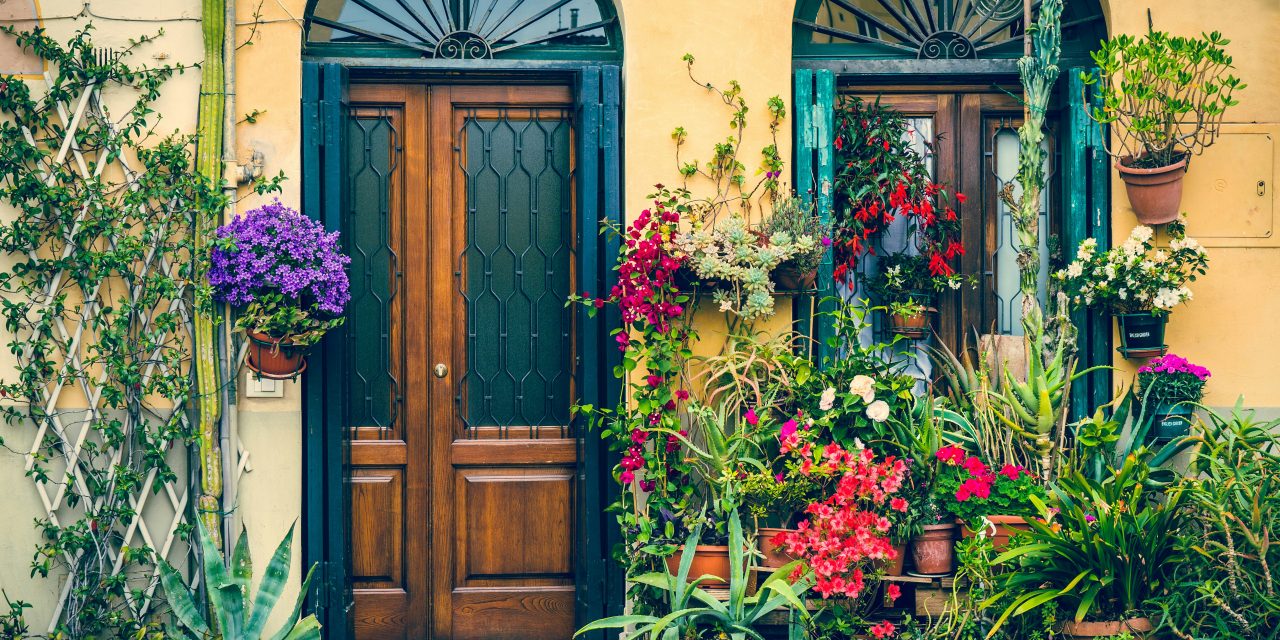
Outdoor container gardening has emerged as a popular and practical solution for individuals seeking to cultivate plants in limited spaces. This method allows for the flexibility of gardening in various environments, from balconies and patios to small yards. Container gardening not only enhances the aesthetic appeal of outdoor spaces but also provides an opportunity for urban dwellers to engage with nature. The versatility of containers enables gardeners to select from a wide array of plants, accommodating different climates and personal preferences.
The concept of container gardening is rooted in the idea of utilizing pots, boxes, or other vessels to grow plants. This approach offers numerous advantages, including improved soil control, mobility, and the ability to create microclimates that can benefit specific plant species. Furthermore, container gardening can be an excellent way to introduce children and novice gardeners to the joys of horticulture, as it requires less commitment than traditional gardening methods. With the right selection of plants and proper care, outdoor container gardens can flourish and provide a vibrant display throughout the growing season.
Benefits of Choosing the Right Plants for Containers
Selecting the appropriate plants for container gardening is crucial for achieving a thriving garden. The right plant choices can significantly enhance the visual appeal of outdoor spaces while ensuring that the plants thrive in their confined environments. One of the primary benefits of choosing suitable plants is that it allows for optimal growth conditions. Different plants have varying requirements for sunlight, water, and nutrients; thus, understanding these needs is essential for successful container gardening.
Moreover, selecting plants that complement each other can create a harmonious and visually striking arrangement. For instance, combining plants with varying heights, colors, and textures can lead to a dynamic display that captures attention. Additionally, choosing plants that are well-suited for container life can reduce maintenance efforts and increase the likelihood of a successful harvest or bloom. By considering factors such as growth habits, seasonal interest, and compatibility with other plants, gardeners can create stunning outdoor displays that thrive in containers.
Petunias: Vibrant Colors and Easy Care

Petunias are a quintessential choice for outdoor container gardening due to their vibrant colors and ease of care. These annual flowering plants come in a wide range of hues, including pinks, purples, whites, and reds, making them ideal for creating eye-catching arrangements. Petunias thrive in full sun and prefer well-drained soil, which makes them perfect candidates for containers. Their sprawling growth habit allows them to cascade beautifully over the edges of pots, adding depth and dimension to any garden.
In terms of maintenance, petunias are relatively low-maintenance plants. Regular deadheading—removing spent flowers—encourages continuous blooming throughout the growing season. Additionally, petunias benefit from consistent watering and occasional fertilization to promote healthy growth. With their resilience and ability to adapt to various conditions, petunias are an excellent choice for both novice and experienced gardeners looking to add a splash of color to their outdoor spaces.
Geraniums: Classic and Hardy Choices

Geraniums are another classic choice for container gardening, known for their hardiness and versatility. These perennial plants are available in a variety of colors and forms, including zonal geraniums with their distinctive leaf patterns and ivy geraniums that feature trailing growth habits. Geraniums thrive in sunny locations but can also tolerate partial shade, making them suitable for diverse outdoor settings.
One of the key advantages of geraniums is their ability to withstand varying weather conditions. They are drought-tolerant once established, requiring minimal watering compared to other flowering plants. Geraniums also benefit from regular deadheading to encourage new blooms and maintain a tidy appearance. With their long-lasting flowers and robust nature, geraniums are an excellent choice for gardeners seeking reliable and attractive container plants.
Lavender: Fragrant and Drought-Tolerant
Lavender is a beloved herb known not only for its stunning purple flowers but also for its delightful fragrance. This perennial plant thrives in sunny locations with well-drained soil, making it an ideal candidate for outdoor containers. Lavender’s drought-tolerant nature means it requires less frequent watering once established, making it a low-maintenance option for busy gardeners.
In addition to its aesthetic appeal, lavender offers numerous benefits beyond its beauty. The essential oils extracted from lavender have been used for centuries in aromatherapy and natural remedies due to their calming properties. Furthermore, lavender attracts pollinators such as bees and butterflies, contributing to a healthy ecosystem in your garden. By incorporating lavender into your container garden, you can enjoy its fragrant blooms while reaping the benefits of its ecological contributions.
Succulents: Low Maintenance and Stylish
Succulents have gained immense popularity in recent years due to their unique shapes, vibrant colors, and low maintenance requirements. These drought-resistant plants store water in their leaves, allowing them to thrive in arid conditions. Succulents come in various forms, from rosettes to trailing varieties, making them versatile options for container arrangements.
One of the primary advantages of succulents is their ability to adapt to different environments. They prefer bright light but can tolerate some shade, making them suitable for both sunny patios and partially shaded areas. Additionally, succulents require minimal watering—typically only when the soil has completely dried out—making them perfect for busy individuals or those new to gardening. With their striking appearance and ease of care, succulents can add a modern touch to any outdoor container garden.
Marigolds: Pest-Repelling Beauties
Marigolds are not only visually appealing but also serve a practical purpose in outdoor container gardening by repelling pests. These annual flowers produce compounds that deter nematodes and other harmful insects, making them an excellent companion plant for vegetables and herbs. Marigolds come in various colors, including vibrant yellows and oranges, adding warmth and brightness to any garden space.
In terms of care, marigolds are relatively easy to grow. They thrive in full sun and prefer well-drained soil. Regular deadheading encourages continuous blooming throughout the season. Additionally, marigolds are known for their resilience against drought conditions once established. By incorporating marigolds into your container garden, you can enjoy their beauty while benefiting from their pest-repelling properties.
Begonias: Shade-Loving and Colorful
Begonias are an excellent choice for gardeners looking to brighten up shady spots with colorful blooms. These versatile plants come in various forms, including tuberous begonias with large flowers and fibrous-rooted varieties that produce smaller blooms. Begonias thrive in partial to full shade, making them ideal for containers placed under trees or on covered patios.
One of the key benefits of begonias is their ability to provide continuous color throughout the growing season. They require regular watering but should not be allowed to sit in soggy soil; well-drained potting mix is essential for their success. Additionally, begonias benefit from occasional fertilization to promote healthy growth and vibrant blooms. With their lush foliage and stunning flowers, begonias can transform shaded areas into vibrant focal points in any outdoor space.
Herbs: Practical and Aromatic Additions
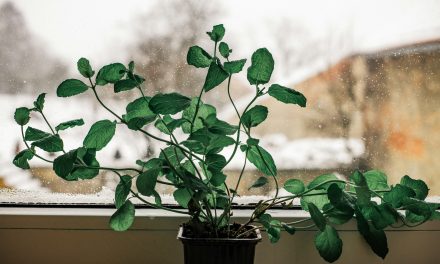
Herbs are not only practical additions to outdoor container gardens but also provide aromatic benefits that enhance culinary experiences. Popular herbs such as basil, rosemary, thyme, and mint thrive in containers and can be easily accessed for cooking purposes. Growing herbs in pots allows gardeners to enjoy fresh flavors while adding greenery to their outdoor spaces.
Herbs generally prefer well-drained soil and require consistent watering without becoming waterlogged. Many herbs benefit from regular pruning or harvesting, which encourages bushier growth and prevents flowering that can diminish flavor quality. By incorporating herbs into your container garden, you can create a functional space that combines beauty with practicality—perfect for culinary enthusiasts looking to elevate their dishes with fresh ingredients.
Impatiens: Perfect for Shady Spots
Impatiens are renowned for their ability to thrive in shady areas where many other flowering plants struggle. These annuals produce an abundance of colorful blooms throughout the growing season, making them ideal for brightening up dimly lit patios or gardens under trees. Impatiens come in various colors, including pinks, reds, whites, and purples, allowing gardeners to create stunning arrangements.
Caring for impatiens is relatively straightforward; they prefer consistently moist soil but should not be overwatered. Regular deadheading encourages continuous blooming while maintaining a tidy appearance. Impatiens are also known for their resilience against pests and diseases when grown in suitable conditions. By incorporating impatiens into your container garden design, you can enjoy vibrant colors even in shaded areas.
Ornamental Grasses: Texture and Movement
Ornamental grasses add texture and movement to outdoor container gardens while providing visual interest throughout the seasons. These grasses come in various heights and forms—from tall fountain grasses swaying gently in the breeze to low-growing varieties that create lush ground cover. Ornamental grasses thrive in full sun or partial shade depending on the species chosen.
One of the primary benefits of incorporating ornamental grasses into container arrangements is their ability to provide contrast against flowering plants or foliage. Their graceful movement adds dynamism to static displays while enhancing overall aesthetics. Additionally, many ornamental grasses are drought-tolerant once established, requiring minimal maintenance compared to traditional flowering plants. By integrating ornamental grasses into your container garden design, you can create visually captivating arrangements that stand out throughout the year.
Fuchsias: Elegant Hanging Container Plants
Fuchsias are elegant flowering plants known for their unique drooping blossoms that resemble delicate lanterns. These perennial favorites thrive in hanging baskets or containers where they can cascade gracefully over the edges. Fuchsias prefer partial shade but can tolerate some sun exposure; however, too much direct sunlight may scorch their leaves.
Caring for fuchsias involves providing consistent moisture without allowing the soil to become waterlogged; well-draining potting mix is essential for their success. Regular fertilization during the growing season promotes healthy growth and abundant blooms. Fuchsias attract hummingbirds due to their tubular flowers, adding an enchanting element to any outdoor space. By incorporating fuchsias into your container garden design, you can enjoy their stunning beauty while attracting beneficial wildlife.
In summary, outdoor container gardening offers a versatile approach to cultivating plants in limited spaces while enhancing aesthetic appeal through careful plant selection. From vibrant petunias and hardy geraniums to fragrant lavender and low-maintenance succulents—there is an abundance of options available for creating stunning arrangements tailored to individual preferences and environmental conditions. By understanding each plant’s unique characteristics and care requirements, gardeners can successfully design beautiful outdoor spaces that flourish throughout the growing season while enjoying the many benefits these plants provide.
FAQs
What are the best plants for container gardening outdoors?
The best plants for container gardening outdoors include herbs like basil and rosemary, vegetables such as tomatoes and peppers, and ornamental plants like petunias and geraniums. These plants thrive in pots and can adapt well to various outdoor conditions.
How much sunlight do container plants need?
Most container plants require at least 6 hours of direct sunlight each day. However, some shade-tolerant plants, like ferns and impatiens, can thrive in partial shade. It’s essential to choose plants based on the sunlight availability in your outdoor space.
What type of soil is best for container gardening?
A high-quality potting mix is ideal for container gardening. This mix typically contains a blend of peat moss, vermiculite, and perlite, providing good drainage and aeration while retaining moisture. Avoid using garden soil, as it can compact and hinder root growth.
How often should I water container plants?
Container plants generally need to be watered more frequently than garden plants due to the limited soil volume. It’s best to check the moisture level daily, especially during hot weather, and water when the top inch of soil feels dry. Ensure that pots have drainage holes to prevent waterlogging.
Can I grow vegetables in containers?
Yes, many vegetables can be successfully grown in containers. Popular choices include lettuce, radishes, and dwarf varieties of squash and beans. Ensure that the containers are large enough to accommodate the root systems and provide adequate drainage for healthy growth.