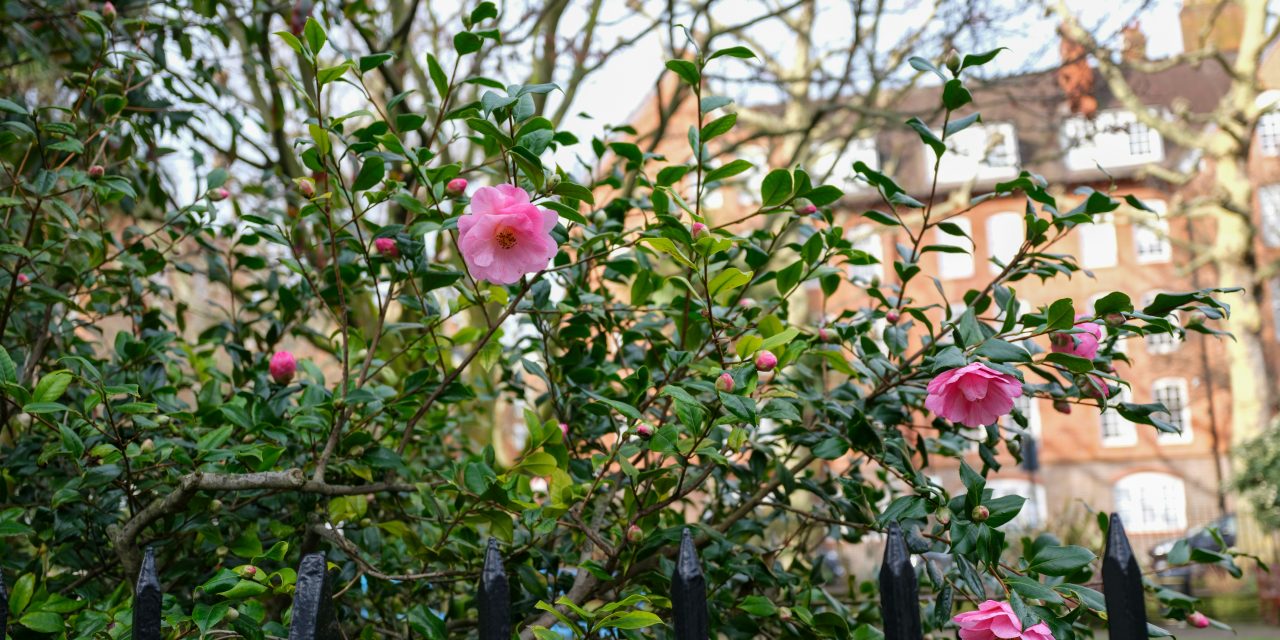
Pruning camellias is an essential horticultural practice that promotes healthy growth and enhances the aesthetic appeal of these beautiful flowering shrubs. By removing dead or diseased branches, gardeners can prevent the spread of pathogens and pests, ensuring that the plant remains vigorous and resilient. Additionally, pruning encourages new growth, which can lead to a more abundant flowering display. This process also allows for better air circulation and sunlight penetration, both of which are crucial for the overall health of the plant.
Moreover, trimming camellias can help maintain their shape and size, preventing them from becoming overgrown and unruly. A well-pruned camellia not only looks more attractive but also fits better into the landscape design. Regular maintenance through pruning can significantly extend the lifespan of these plants, allowing them to thrive for decades. Understanding the importance of this practice is the first step toward cultivating a stunning camellia garden.
Trimming camellias is an essential part of maintaining their health and beauty, ensuring they bloom beautifully each season. For those interested in gardening and plant care, understanding how to manage pests that may affect your plants is equally important. You can learn more about common household pests and effective ways to eliminate them in this informative article: Top 10 Common Household Pests and How to Get Rid of Them Fast. This resource will help you protect your camellias and other plants from potential threats.
Best Time of Year to Prune Camellias
Timing is critical when it comes to pruning camellias. The optimal period for trimming these plants is typically late winter to early spring, just after the blooming season has concluded. This timing allows gardeners to remove spent flowers and any dead or damaged wood without interfering with the plant’s natural growth cycle. Pruning during this window ensures that the plant can recover quickly and produce new growth in preparation for the next blooming season.
In regions with milder climates, some gardeners may choose to prune camellias in late summer or early fall. However, caution is advised during these months, as pruning too late in the season can expose the plant to frost damage before it has had a chance to harden off. Understanding your local climate and the specific variety of camellia you are cultivating will help determine the best time for pruning.
Essential Tools You’ll Need for Trimming

Equipping yourself with the right tools is paramount for effective camellia pruning. Essential instruments include sharp bypass pruners, loppers for thicker branches, and a pruning saw for larger limbs. Bypass pruners are ideal for making clean cuts on smaller branches, while loppers provide leverage for reaching higher areas without straining your back. A pruning saw is necessary for tackling branches that exceed one inch in diameter.
In addition to cutting tools, having a pair of gloves is advisable to protect your hands from thorns or sharp edges. A sturdy ladder may also be required if your camellia has grown tall over the years. Finally, consider using disinfectant wipes or a solution of bleach and water to sterilize your tools before and after use. This practice helps prevent the transmission of diseases between plants.
Preparing Your Camellia for Pruning

Before embarking on the pruning process, it is crucial to prepare both yourself and the camellia. Begin by assessing the overall health of the plant and identifying areas that require attention. Take note of any dead or diseased branches, as well as areas where growth appears overly dense. This preliminary evaluation will guide your pruning decisions.
Next, ensure that you have all necessary tools at hand and that they are clean and sharp. Wearing protective gloves will safeguard against potential injuries during the process. It is also beneficial to have a tarp or container nearby to collect cuttings, making cleanup easier and preventing debris from cluttering your garden space. By preparing adequately, you set yourself up for a successful pruning session.
Trimming camellias is an essential part of maintaining their health and beauty, and for those looking to enhance their gardening skills, it’s helpful to explore related topics. For instance, understanding the reasons behind unexpected behaviors in home maintenance can provide valuable insights into overall home care. You might find it interesting to read about why your garage door might open and then close again, as it highlights the importance of regular maintenance in both gardening and home systems. You can check out the article for more information here.
Identifying Dead, Diseased, and Damaged Branches
A critical aspect of pruning camellias involves recognizing which branches need to be removed. Dead branches often appear brittle and lack foliage, while diseased branches may exhibit discoloration or unusual growth patterns. Look for signs of pests such as aphids or scale insects, which can compromise the health of your camellia.
Damaged branches may result from environmental factors such as strong winds or heavy snowfall. These branches often show signs of breakage or splitting. When identifying these problematic areas, it is essential to assess the entire plant systematically, ensuring that no affected areas are overlooked. Removing these branches not only improves the plant’s appearance but also enhances its overall vitality.
If you’re looking to enhance the beauty of your garden, trimming camellias is an essential task that can promote healthy growth and vibrant blooms. For more tips on maintaining a clean and healthy environment for your pets, you might find this article on cleaning and sanitizing dog food and water bowls particularly useful. Just as regular maintenance is key for your camellias, ensuring your pets’ feeding areas are hygienic is crucial for their well-being.
How to Shape Your Camellia for Optimal Growth
Shaping your camellia is an art that requires both knowledge and skill. The goal is to create an open structure that allows light and air to penetrate while maintaining a balanced form. Begin by removing any inward-growing branches that may crowd the center of the plant. This practice encourages outward growth and prevents fungal diseases caused by poor air circulation.
When shaping your camellia, aim for a natural silhouette rather than a rigid geometric form. Gradually tapering cuts can help achieve this effect while promoting healthy branching patterns. Additionally, consider the height of your camellia in relation to its surroundings; trimming back excessively tall branches can help maintain proportion within your landscape design.
Step-by-Step Guide to Making Clean Cuts
Making clean cuts is vital for minimizing stress on your camellia and promoting rapid healing. Start by positioning your pruners at a 45-degree angle just above a leaf node or bud; this encourages new growth in the desired direction. Avoid cutting too close to the node, as this can damage it and hinder future growth.
For larger branches, utilize a three-cut method: first, make an undercut about one-third of the way through the branch’s diameter; then, make a top cut further out from the trunk until the branch breaks free; finally, remove any remaining stub by cutting just outside the branch collar. This technique minimizes tearing and promotes faster healing by allowing the plant to seal off wounds effectively.
Tips for Encouraging More Blooms Through Pruning
Pruning camellias not only maintains their shape but also encourages prolific blooming. To maximize flower production, focus on removing older wood that has already flowered; this stimulates new growth that will yield fresh blooms in subsequent seasons. Additionally, thinning out crowded areas allows more light to reach developing buds.
Consider leaving some healthy lateral branches intact during pruning; these can serve as potential bloom sites in future years. Regularly deadheading spent flowers after blooming can also redirect energy toward new growth rather than seed production, further enhancing flowering potential.
Managing Overgrown Camellias: When and How to Rejuvenate
Overgrown camellias can become unwieldy and detract from your garden’s aesthetic appeal. When faced with this challenge, rejuvenation pruning may be necessary. This process involves significantly reducing the size of the plant while maintaining its overall health.
The best time for rejuvenation pruning is during late winter or early spring when the plant is still dormant. Begin by removing one-third of the oldest stems at ground level; this encourages new shoots to emerge from the base of the plant. Gradually reduce height by trimming back taller branches while ensuring that you maintain a balanced shape. Be cautious not to remove more than one-third of the plant’s total mass in a single season to avoid shocking it.
Aftercare: Watering and Feeding Post-Pruning
After completing your pruning session, proper aftercare is essential for ensuring your camellia’s recovery and continued growth. Begin by watering thoroughly; this helps alleviate any stress caused by cutting and promotes root health. Ensure that the soil remains consistently moist but not waterlogged in the weeks following pruning.
Fertilizing your camellia with a balanced fertilizer formulated for acid-loving plants can also support recovery and encourage new growth. Apply fertilizer according to package instructions, typically in early spring as new growth begins to emerge. Regular monitoring of soil moisture levels will help maintain optimal conditions for your camellia’s health.
Common Mistakes to Avoid When Trimming Camellias
While pruning camellias can be rewarding, several common mistakes can hinder their health and beauty if not avoided. One frequent error is pruning at the wrong time of year; cutting too late in fall or too early in spring can disrupt blooming cycles and expose plants to frost damage.
Another mistake involves making improper cuts; tearing bark or leaving stubs can lead to disease entry points and hinder healing processes. Additionally, over-pruning can shock plants and result in stunted growth or even death in extreme cases. Always prioritize gradual adjustments over drastic changes when shaping your camellia.
In conclusion, understanding how to properly prune camellias is essential for maintaining their health and beauty in any garden setting. By following best practices regarding timing, tools, preparation, and aftercare, gardeners can ensure their camellias thrive year after year while producing stunning blooms that enhance their landscape’s visual appeal.
FAQs
What is the best time to trim camellias?
The best time to trim camellias is after they have finished blooming, typically in late spring or early summer. This timing allows the plant to recover and encourages new growth before the next blooming season.
How much should I trim my camellias?
When trimming camellias, it is advisable to remove no more than one-third of the plant’s total height or volume at a time. This helps maintain the plant’s health and encourages a natural shape without causing excessive stress.
What tools are recommended for trimming camellias?
For trimming camellias, it is recommended to use sharp pruning shears or loppers for clean cuts. Additionally, gloves and safety goggles can protect your hands and eyes from sharp branches and debris.
Can I shape my camellias while trimming?
Yes, you can shape your camellias while trimming. Focus on maintaining a natural form by selectively pruning branches that are crossing, overcrowded, or growing inward. This will enhance air circulation and light penetration.
How do I care for camellias after trimming?
After trimming camellias, it is important to care for them by watering adequately and applying a balanced fertilizer to promote healthy growth. Mulching around the base can also help retain moisture and suppress weeds.