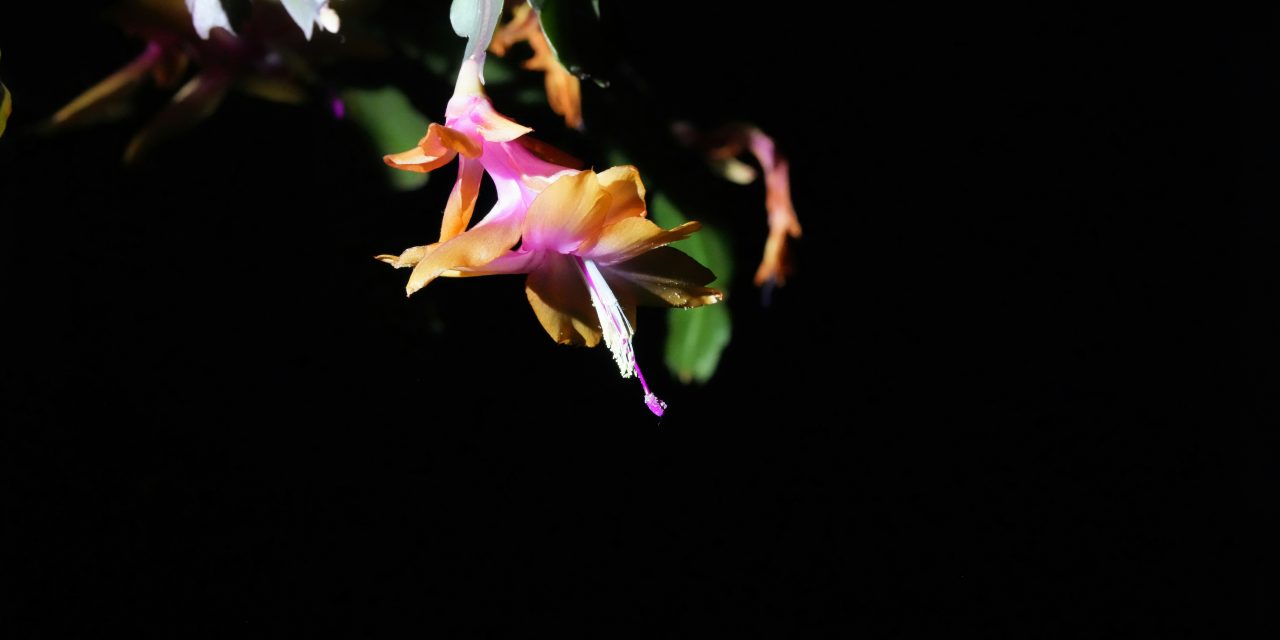
The Christmas cactus, scientifically known as Schlumbergera, is a popular houseplant renowned for its vibrant blooms that typically appear during the holiday season. Unlike traditional cacti, which thrive in arid environments, the Christmas cactus originates from the tropical rainforests of Brazil, where it grows as an epiphyte on trees. This unique adaptation allows it to flourish in conditions that are markedly different from those of its desert-dwelling relatives. The plant features segmented stems that resemble flat leaves, adorned with delicate flowers in shades of pink, red, or white, making it a festive addition to any home during the winter months.
Understanding the biology of the Christmas cactus is crucial for successful cultivation. The plant’s flowering cycle is influenced by environmental factors such as light exposure and temperature fluctuations. Typically, the Christmas cactus requires a period of dormancy before it can produce its stunning blooms. This dormancy phase is essential for triggering the flowering process, as it mimics the natural conditions of its native habitat. By providing the right care and attention, enthusiasts can enjoy a spectacular display of blossoms that can last for several weeks, enhancing the holiday spirit.
Choosing the Right Location for Optimal Light
Selecting an appropriate location for your Christmas cactus is vital for its overall health and blooming potential. Unlike many other cacti that thrive in direct sunlight, the Christmas cactus prefers bright, indirect light. Placing it near a window with filtered sunlight or in a well-lit room can help promote healthy growth without risking sunburn on its delicate leaves. Too much direct sunlight can lead to scorched foliage and hinder flower development.
In addition to light intensity, the duration of light exposure plays a significant role in the plant’s blooming cycle. Ideally, the Christmas cactus should receive around 12 to 14 hours of light daily during its growth phase. As the holiday season approaches, reducing light exposure to about 8 hours per day can help initiate the flowering process. This manipulation of light conditions is crucial for ensuring that your Christmas cactus produces an abundance of vibrant blooms when it matters most.
Maintaining Proper Temperature for Flower Development

Temperature regulation is another critical factor in fostering a healthy Christmas cactus. This plant thrives in moderate temperatures ranging from 60°F to 70°F (15°C to 21°C) during the day and slightly cooler at night. Sudden temperature fluctuations or exposure to drafts can stress the plant and inhibit its ability to bloom effectively. Therefore, it is essential to maintain a stable environment that mimics its natural habitat.
During the flowering period, maintaining a cooler temperature of around 50°F to 60°F (10°C to 15°C) at night can encourage bud formation and enhance bloom quality. Conversely, temperatures exceeding 75°F (24°C) can lead to premature bud drop and reduced flowering potential. By carefully monitoring and adjusting the temperature around your Christmas cactus, you can create an optimal environment that supports robust flower development.
Watering Techniques to Encourage Healthy Growth

Watering practices are paramount in ensuring the health and vitality of your Christmas cactus. Unlike traditional cacti that require infrequent watering, this species prefers a more consistent moisture level. It is essential to allow the top inch of soil to dry out between waterings to prevent root rot while ensuring that the plant does not become overly dry. Overwatering can lead to fungal infections and other complications that may jeopardize its health.
When watering your Christmas cactus, it is advisable to use room-temperature water and apply it thoroughly until it drains from the bottom of the pot. This technique ensures that the entire root system receives adequate moisture while preventing water from pooling at the base. During the active growth phase in spring and summer, watering should be more frequent, while during dormancy in late fall and winter, you should reduce watering significantly to allow the plant to rest.
Using the Right Soil Mix for Christmas Cacti
The choice of soil mix is crucial for supporting the growth and blooming of your Christmas cactus. A well-draining potting mix is essential to prevent water retention that could lead to root rot. A suitable blend typically consists of equal parts potting soil, perlite, and orchid bark or coarse sand. This combination provides adequate aeration while retaining just enough moisture for healthy root development.
When repotting your Christmas cactus, ensure that you choose a container with drainage holes to facilitate excess water escape. Repotting should be done every two to three years or when you notice that the plant has outgrown its current pot. This practice not only refreshes the soil but also allows for better root expansion, ultimately contributing to more vigorous growth and abundant blooms.
Fertilizing Tips to Promote Vibrant Blooms
Fertilization plays a pivotal role in promoting vibrant blooms on your Christmas cactus. During the active growing season from spring through early summer, applying a balanced liquid fertilizer every four to six weeks can provide essential nutrients that support healthy foliage and flower development. A fertilizer with an N-P-K ratio of 20-20-20 or similar can be beneficial for overall growth.
As fall approaches and the plant enters its dormancy phase, it is advisable to cease fertilization altogether until new growth resumes in spring. Over-fertilizing during dormancy can lead to nutrient buildup in the soil, which may harm the plant’s health and inhibit blooming potential. By adhering to a structured fertilization schedule, you can ensure that your Christmas cactus receives the necessary nutrients at critical growth stages.
Pruning Strategies to Stimulate Flowering
Pruning is an essential practice for maintaining the health and aesthetics of your Christmas cactus while stimulating flowering potential. Regularly removing dead or yellowing segments encourages new growth and allows for better air circulation within the plant. Pruning should ideally be done after flowering has concluded in late winter or early spring.
To prune effectively, use clean, sharp scissors or pruning shears to snip off any unhealthy segments at their base. Additionally, you can pinch back healthy segments to encourage branching and fuller growth. This practice not only enhances the plant’s appearance but also promotes more abundant flowering by allowing energy to be redirected toward bud formation rather than sustaining older growth.
Managing Humidity Levels for Best Results
Humidity levels significantly impact the overall health of your Christmas cactus, given its tropical origins. Ideally, this plant thrives in environments with humidity levels ranging from 40% to 60%. Low humidity can lead to dry leaf tips and hinder blooming potential, while excessively high humidity may promote fungal diseases.
To maintain optimal humidity levels, consider placing a humidifier near your Christmas cactus or grouping it with other plants to create a microclimate with increased moisture content. Alternatively, placing a shallow tray filled with water and pebbles beneath the pot can help elevate humidity levels without saturating the roots. Monitoring humidity levels regularly will ensure that your Christmas cactus remains healthy and vibrant throughout its growing season.
Providing the Necessary Darkness Period
The Christmas cactus requires a specific period of darkness to trigger its blooming cycle effectively. This plant typically needs around six weeks of uninterrupted darkness each year before it can produce flowers. To achieve this, consider placing your cactus in a dark room or covering it with a cloth during nighttime hours.
This darkness period should ideally begin in late September or early October when you want your plant to bloom around Christmas time. During this phase, avoid exposing your cactus to artificial light sources such as lamps or streetlights that could disrupt its natural cycle. By adhering to this darkness regimen, you can significantly enhance your chances of enjoying a spectacular floral display during the holiday season.
Protecting Your Christmas Cactus from Pests and Diseases
Despite being relatively resilient, Christmas cacti are susceptible to various pests and diseases that can compromise their health and blooming potential. Common pests include mealybugs, spider mites, and aphids, which can cause damage by feeding on plant sap or introducing diseases through their feeding activities.
Regularly inspecting your plant for signs of infestation is crucial for early detection and management. If pests are identified, consider using insecticidal soap or neem oil as organic treatment options that are effective yet gentle on the plant. Additionally, maintaining proper care practices such as adequate watering and humidity levels can help bolster your cactus’s defenses against pests and diseases.
Repotting Guidelines to Support Seasonal Blooming
Repotting is an essential aspect of caring for your Christmas cactus as it allows for fresh soil and adequate space for root expansion. Ideally, repotting should occur every two to three years or when you notice roots emerging from drainage holes. The best time for repotting is after flowering has concluded in late winter or early spring when the plant is entering its active growth phase.
When repotting, gently remove the plant from its current container and inspect the roots for any signs of rot or damage. Trim away any unhealthy roots before placing it into a new pot filled with fresh soil mix designed for cacti and succulents. Ensure that the new pot has adequate drainage holes to prevent water accumulation at the base. By following these guidelines, you can provide your Christmas cactus with an optimal environment that supports seasonal blooming.
In summary, caring for a Christmas cactus involves understanding its unique needs regarding light exposure, temperature regulation, watering techniques, soil composition, fertilization strategies, pruning practices, humidity management, darkness requirements, pest protection measures, and repotting guidelines. By adhering to these principles, enthusiasts can enjoy vibrant blooms during the holiday season while ensuring their plants remain healthy year-round.
FAQs
What is a Christmas cactus?
A Christmas cactus (Schlumbergera) is a popular houseplant known for its vibrant, tubular flowers that typically bloom around the holiday season. Unlike traditional cacti, it is native to the tropical rainforests of Brazil and thrives in humid environments.
How do I care for a Christmas cactus?
To care for a Christmas cactus, provide it with bright, indirect light and keep the soil consistently moist but not soggy. It prefers temperatures between 60°F and 70°F (15°C to 21°C) and benefits from occasional fertilization during the growing season. Avoid placing it in direct sunlight, as this can scorch its leaves.
When does a Christmas cactus typically bloom?
A Christmas cactus usually blooms in late fall to early winter, often around December, which is why it is named after the holiday season. The blooming period can vary slightly depending on the specific conditions and care it receives.
How can I encourage my Christmas cactus to bloom?
To encourage blooming, ensure your Christmas cactus experiences a period of dormancy by reducing watering and keeping it in a cooler environment (around 50°F to 60°F or 10°C to 15°C) for about six weeks before the expected bloom time. After this period, resume regular watering and move it back to a warmer location with indirect light.
Are Christmas cacti toxic to pets?
No, Christmas cacti are considered non-toxic to pets, including cats and dogs. However, it’s always a good idea to monitor your pets around houseplants, as ingestion of any plant material can sometimes cause mild gastrointestinal upset.