Terrarium gardening has emerged as a captivating hobby that combines the art of gardening with the science of creating self-sustaining ecosystems. This miniature landscape, often encased in glass, allows enthusiasts to cultivate a variety of plants in a controlled environment. The allure of terrariums lies not only in their aesthetic appeal but also in their ability to bring a slice of nature indoors, making them an ideal choice for urban dwellers or those with limited outdoor space. However, the success of a terrarium hinges significantly on the selection of appropriate plant species. Choosing plants wisely is paramount, as each species has unique requirements for light, humidity, and soil composition.
The right plant selection can lead to a thriving ecosystem that requires minimal maintenance while providing visual interest throughout the seasons. Conversely, poor choices can result in a lackluster display or, worse, the demise of the plants involved. Therefore, understanding the specific needs of potential candidates is essential for creating a harmonious and sustainable terrarium environment. This article will delve into various plant options suitable for terrarium gardening, emphasizing their characteristics and care requirements.
Terrariums can be broadly categorized into two types: closed and open environments. Closed terrariums are typically sealed with a glass lid or cover, creating a humid microclimate that mimics tropical conditions. This environment is ideal for moisture-loving plants that thrive in high humidity levels. The closed system allows for condensation to form on the glass walls, which then drips back into the soil, providing a self-sustaining water cycle. However, it is crucial to monitor these ecosystems closely, as excessive moisture can lead to mold growth or root rot.
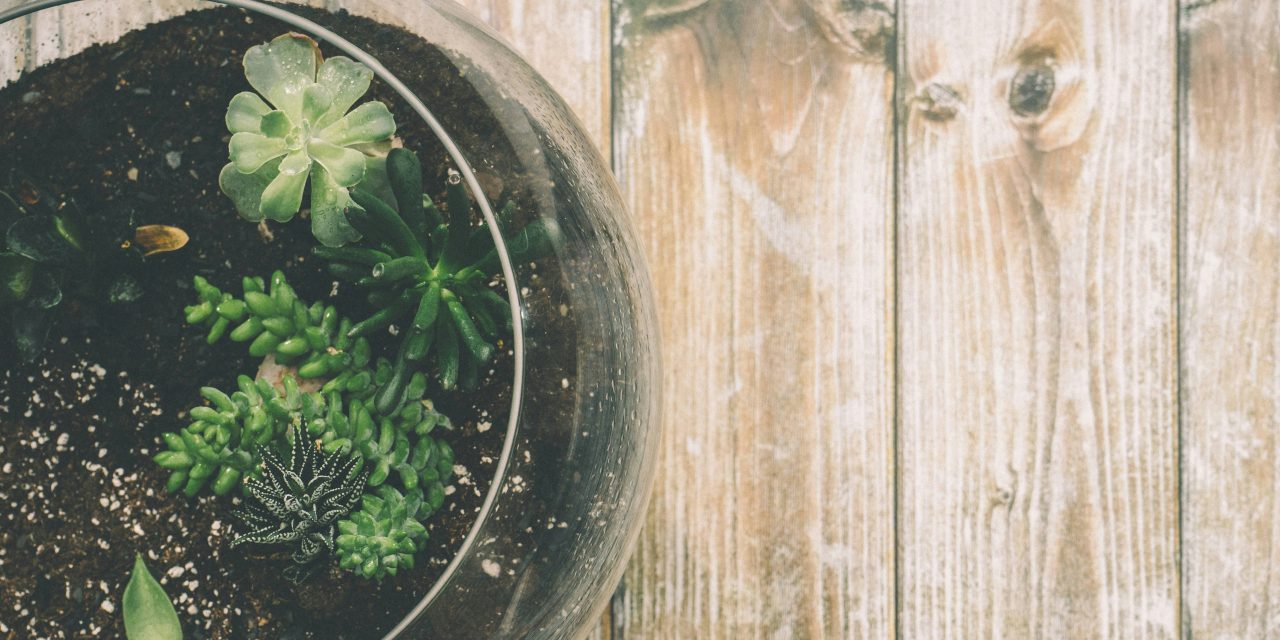
In contrast, open terrariums are exposed to ambient air and are better suited for plants that prefer drier conditions. These setups allow for better air circulation and prevent the buildup of excess moisture, making them ideal for succulents and cacti. Open terrariums require more frequent watering and care, as they do not benefit from the self-regulating moisture levels found in closed systems. Understanding these fundamental differences is essential when selecting plants, as it directly influences their growth and overall health.
If you’re looking to create a beautiful and sustainable terrarium, it’s essential to choose the right plants that thrive in a closed environment. For more insights on eco-friendly living, you might find this article on cleaning products helpful: Top 10 Eco-Friendly Cleaning Products for a Greener Home. It highlights various ways to maintain a clean space while being kind to the environment, complementing your efforts in cultivating a green indoor garden.
Criteria for Selecting Terrarium Plants
When embarking on the journey of terrarium gardening, several criteria should guide the selection of plants. First and foremost is the compatibility of plant species with the chosen terrarium type—closed or open. Additionally, factors such as growth habits, light requirements, and humidity preferences must be considered to ensure a thriving ecosystem.
1. **Growth Habit**: Plants with compact growth habits are ideal for terrariums, as they do not outgrow their confined spaces quickly. Look for species that maintain a small stature or have slow growth rates.
2. **Light Requirements**: Assess the light conditions available in your home or workspace. Some plants thrive in bright indirect light, while others can tolerate low-light conditions. Matching plant light requirements with available light is crucial for their survival.
3. **Humidity Preferences**: Understanding whether a plant prefers high humidity or drier conditions will help in selecting compatible species. Closed terrariums are suitable for humidity-loving plants, while open setups cater to drought-tolerant varieties.
4. **Soil Composition**: Different plants have varying soil needs; some prefer well-draining soil while others thrive in moisture-retentive substrates. Selecting the right soil mix is vital for preventing root rot and ensuring healthy growth.
By carefully considering these criteria, gardeners can create a balanced and visually appealing terrarium that flourishes over time.
Fittonia: The Vibrant Nerve Plant

Fittonia, commonly known as the nerve plant, is a stunning addition to any terrarium due to its vibrant foliage and intricate leaf patterns. This tropical plant features striking veins that contrast beautifully with its green leaves, making it an eye-catching choice for indoor gardens. Fittonia thrives in high humidity environments, making it particularly well-suited for closed terrariums where moisture levels can be maintained.
Caring for Fittonia involves providing bright indirect light and keeping the soil consistently moist but not soggy. Overwatering can lead to root rot, so it is essential to monitor soil moisture levels closely. Additionally, regular misting can help maintain humidity levels around this plant, promoting healthy growth and vibrant coloration. With its compact size and stunning appearance, Fittonia serves as an excellent focal point in any terrarium arrangement.
Pilea Peperomioides: The Charming Chinese Money Plant

Pilea peperomioides, affectionately known as the Chinese money plant or pancake plant, has gained popularity for its unique round leaves and easy-care nature. This charming species is native to China and is often associated with good luck and prosperity. Pilea thrives in bright indirect light but can adapt to lower light conditions, making it versatile for various indoor settings.
When incorporating Pilea into a terrarium, it is essential to provide well-draining soil to prevent waterlogging. This plant prefers to dry out slightly between waterings, so careful attention should be paid to its moisture levels. Pilea’s compact growth habit makes it an excellent choice for smaller terrariums, where its distinctive foliage can shine without overwhelming the space. Additionally, this plant can produce offsets or “pups,” allowing gardeners to propagate new plants easily.
If you’re looking to create a beautiful terrarium, choosing the right plants is essential for ensuring a thriving ecosystem. Many enthusiasts recommend starting with low-maintenance varieties such as ferns, mosses, and succulents, which not only add visual appeal but also require minimal care. For more insights on how to care for your plants, you might find this article on essential cat care tips helpful, as it emphasizes the importance of nurturing living things, whether they are pets or plants.
Selaginella: The Lush Spike Moss
Selaginella is a genus of spikemoss that adds a lush green texture to terrariums with its delicate foliage and unique growth habit. Often mistaken for true mosses, Selaginella species are actually vascular plants that thrive in humid environments. Their ability to tolerate low light makes them ideal candidates for closed terrariums where moisture levels can be maintained.
Caring for Selaginella involves providing consistent moisture without allowing the soil to become waterlogged. These plants prefer indirect light and should be kept away from direct sunlight to prevent leaf scorch. Regular misting can help maintain humidity levels around Selaginella, promoting healthy growth and vibrant coloration. With its intricate leaf structure and lush appearance, Selaginella serves as an excellent ground cover or filler plant in terrarium designs.
Air Plants (Tillandsia): Low Maintenance and Unique
Air plants, belonging to the genus Tillandsia, are unique specimens that do not require soil to thrive. Instead, they absorb moisture and nutrients through their leaves from the air around them. This characteristic makes air plants an excellent choice for terrariums where traditional soil may not be used or desired. Their diverse shapes and sizes add visual interest to any arrangement.
Caring for air plants involves providing bright indirect light and regular misting or soaking in water every one to two weeks. They thrive in high humidity environments but can adapt to lower humidity levels if necessary. Air plants can be creatively displayed within terrariums by attaching them to decorative elements such as driftwood or rocks, allowing them to stand out as focal points within the design.
Baby Tears (Soleirolia Soleirolii): Delicate Ground Cover
Baby tears (Soleirolia soleirolii) are delicate ground cover plants known for their lush green foliage and trailing growth habit. This species thrives in humid environments and is often used as a filler plant in terrariums due to its ability to create a soft carpet-like appearance. Baby tears prefer bright indirect light but can tolerate lower light conditions as well.
To care for baby tears in a terrarium setting, it is essential to keep the soil consistently moist without becoming waterlogged. Regular misting helps maintain humidity levels around this plant, promoting healthy growth and preventing leaf drop. Baby tears can also benefit from occasional pruning to encourage bushier growth and prevent overcrowding within the terrarium.
Moss Varieties: Adding Texture and Moisture Control
Mosses are versatile additions to terrariums that provide texture and help regulate moisture levels within the ecosystem. Various moss species can be utilized in terrarium designs, including sheet moss, cushion moss, and reindeer moss. These plants thrive in humid environments and can help retain moisture while adding visual interest.
Incorporating moss into a terrarium involves selecting species that complement the other plants present while considering their light requirements and growth habits. Mosses generally prefer indirect light and should be kept moist but not overly saturated. Regular misting can help maintain humidity levels around mosses while promoting healthy growth.
Miniature Ferns: Classic Terrarium Favorites
Miniature ferns are classic choices for terrarium gardening due to their lush foliage and adaptability to humid environments. Species such as maidenhair ferns (Adiantum) and button ferns (Pellaea) are popular selections that thrive in closed terrariums where moisture levels can be maintained consistently.
Caring for miniature ferns involves providing bright indirect light and keeping the soil consistently moist without becoming soggy. These plants prefer high humidity levels; therefore, regular misting is beneficial for promoting healthy growth and preventing leaf browning or wilting. With their delicate fronds and graceful appearance, miniature ferns add elegance and charm to any terrarium arrangement.
Peperomia: Compact and Colorful Choices
Peperomia is a diverse genus of small houseplants known for their compact size and colorful foliage. With numerous species available, Peperomia offers a wide range of textures and colors that can enhance any terrarium design. These plants thrive in bright indirect light but can tolerate lower light conditions as well.
Caring for Peperomia involves providing well-draining soil and allowing it to dry out slightly between waterings. Overwatering can lead to root rot; therefore, careful attention should be paid to moisture levels within the terrarium environment. Peperomia’s compact growth habit makes it an excellent choice for smaller arrangements where its vibrant foliage can shine without overwhelming other plants.
Succulents: When to Include Them in Your Terrarium
Succulents are popular choices for open terrariums due to their drought-tolerant nature and unique shapes. These plants store water in their leaves, allowing them to thrive in drier conditions where other species may struggle. However, it is essential to choose succulent varieties that are compatible with open environments since they require good air circulation and well-draining soil.
When incorporating succulents into a terrarium design, ensure they receive bright direct light while avoiding excessive humidity levels that could lead to rot. Watering should be infrequent but thorough; allowing the soil to dry out completely between waterings is crucial for succulent health. With their diverse forms and colors, succulents add visual interest while requiring minimal maintenance.
Creating a Thriving Terrarium Garden with the Right Plants
In conclusion, creating a thriving terrarium garden requires careful consideration of plant selection based on environmental conditions and individual species needs. By understanding the differences between closed and open terrariums and evaluating criteria such as growth habits, light requirements, humidity preferences, and soil composition, gardeners can curate harmonious ecosystems that flourish over time.
From vibrant Fittonia and charming Pilea peperomioides to lush Selaginella and delicate baby tears, each plant offers unique characteristics that contribute to the overall beauty of the arrangement. Incorporating moss varieties, miniature ferns, Peperomia species, air plants, and succulents further enhances visual appeal while catering to diverse care requirements.
Ultimately, successful terrarium gardening lies in choosing plants wisely—ensuring compatibility within the ecosystem while providing optimal care tailored to each species’ needs will result in a captivating indoor garden that thrives year-round.
FAQs
What types of plants are best suited for terrariums?
Some of the best plants for terrariums include ferns, mosses, succulents, and small tropical plants like fittonia and peperomia. These plants thrive in the humid environment of a terrarium and have relatively low light requirements.
Do terrarium plants require special care?
While terrarium plants are generally low-maintenance, they do require specific care. It’s important to monitor humidity levels, avoid overwatering, and provide indirect light. Regularly check for mold or pests to ensure a healthy environment.
Can I use any type of soil for my terrarium plants?
No, not all soils are suitable for terrariums. A well-draining potting mix or a specialized terrarium soil is recommended to prevent waterlogging. Adding a layer of gravel or activated charcoal can also help with drainage and odor control.
How often should I water plants in a terrarium?
The frequency of watering depends on the type of plants and the terrarium’s environment. Generally, you should water every 2-4 weeks, but it’s essential to check the soil moisture before watering to avoid overwatering.
Can I mix different types of plants in a terrarium?
Yes, you can mix different types of plants in a terrarium, but it’s important to choose plants with similar light and moisture requirements. For example, combining tropical plants with succulents may not be ideal due to their differing needs for humidity and water.