The allure of a garden lies not only in its structure but also in the vivid colors that dance across its landscape. A garden adorned with vibrant hues can evoke feelings of joy and tranquility, transforming an ordinary outdoor space into a sanctuary of beauty. Bright yellows, radiant reds, and deep purples create a visual feast that captivates the senses. These colors are not merely aesthetic; they play a crucial role in influencing mood and emotional well-being. Studies have shown that exposure to colorful environments can enhance feelings of happiness and reduce stress levels.
In her garden, the strategic placement of flowering plants such as marigolds, zinnias, and petunias creates a kaleidoscope of colors that beckons visitors. The interplay of these shades not only attracts the eye but also serves to uplift the spirit. Each bloom contributes to a harmonious palette, inviting butterflies and bees while providing a backdrop for relaxation and contemplation. The vibrant colors serve as a reminder of nature’s artistry, encouraging her to spend more time outdoors, nurturing both her plants and her soul.
Long-Lasting Blooms Provide Extended Enjoyment
One of the most rewarding aspects of gardening is the ability to enjoy long-lasting blooms that extend the beauty of the garden throughout the seasons. Perennial flowers such as coneflowers, daylilies, and asters offer a continuous display of color year after year, requiring minimal replanting. These resilient plants not only provide aesthetic pleasure but also contribute to the ecological balance by supporting local pollinators.
The longevity of these blooms is particularly advantageous for gardeners seeking to maximize their enjoyment without excessive maintenance. By selecting varieties that bloom at different times, she can ensure that her garden remains vibrant from spring through fall. This thoughtful planning allows her to savor the beauty of her garden for months on end, creating a dynamic landscape that evolves with each passing season. The satisfaction derived from witnessing the cyclical nature of blooming flowers fosters a deeper connection to the earth and its rhythms.
Attracts Beautiful Butterflies and Pollinators
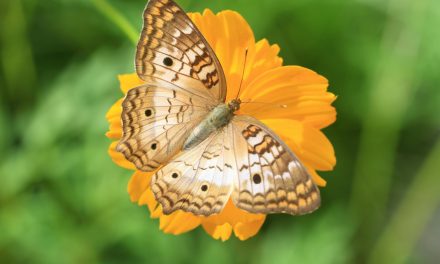
A garden that thrives with life is one that attracts a myriad of butterflies and pollinators, essential components of a healthy ecosystem. By incorporating nectar-rich plants such as milkweed, lavender, and bee balm, she creates an inviting habitat for these delicate creatures. The fluttering wings of butterflies not only add to the visual appeal but also signify a thriving environment where biodiversity flourishes.
Pollinators play a critical role in the reproduction of flowering plants, making their presence invaluable to any garden. The symbiotic relationship between plants and pollinators enhances fruit and seed production, ensuring the sustainability of her garden. By fostering this environment, she contributes to the preservation of local wildlife while enjoying the enchanting sight of butterflies dancing among her blooms. This interaction between flora and fauna enriches her gardening experience, reminding her of the interconnectedness of all living things.
Easy to Grow and Maintain Throughout the Seasons
For many gardeners, ease of maintenance is a paramount consideration when selecting plants for their outdoor spaces. Fortunately, numerous species are known for their resilience and adaptability, making them ideal choices for both novice and experienced gardeners alike. Plants such as succulents, ornamental grasses, and hardy perennials require minimal intervention while providing maximum visual impact.
Her garden thrives on a foundation of low-maintenance plants that flourish with little effort. This allows her to spend more time enjoying her outdoor oasis rather than laboring over it. Additionally, implementing techniques such as mulching and companion planting can further simplify upkeep while enhancing soil health. By choosing plants that align with her climate and soil conditions, she ensures that her garden remains vibrant and healthy throughout the seasons.
Drought-Tolerant Nature Suits Her Climate Perfectly
In regions where water scarcity is a concern, drought-tolerant plants emerge as champions of sustainability. These resilient species have adapted to thrive in arid conditions, requiring minimal irrigation once established. By incorporating varieties such as agave, sedum, and lavender into her garden, she not only conserves water but also cultivates a landscape that flourishes despite challenging environmental conditions.
The drought-tolerant nature of these plants aligns perfectly with her climate, allowing her to maintain a lush garden without excessive resource consumption. This conscious choice reflects her commitment to environmental stewardship while providing an aesthetically pleasing space that requires less maintenance. As she observes her drought-resistant plants thriving under the sun’s rays, she feels a sense of accomplishment in contributing to sustainable gardening practices.
Sweet Fragrance Enhances Outdoor Relaxation
The sensory experience of a garden extends beyond visual beauty; it encompasses the delightful fragrances that waft through the air. Aromatic plants such as jasmine, rosemary, and lilac infuse her outdoor space with enchanting scents that evoke feelings of relaxation and serenity. The olfactory stimulation provided by these fragrant blooms enhances her overall gardening experience, creating an inviting atmosphere for relaxation and contemplation.
The sweet fragrance serves as an invitation to unwind in her garden sanctuary. Whether sipping tea on a sunny afternoon or hosting gatherings with friends, the aromatic ambiance elevates every moment spent outdoors. Furthermore, studies have shown that certain scents can reduce anxiety levels and promote mental clarity, making her garden not just a visual retreat but also a therapeutic haven for rejuvenation.
Versatile Use in Garden Beds and Containers
The versatility of flowering plants allows for creative expression in garden design. Whether nestled in traditional garden beds or showcased in decorative containers, these blooms can adapt to various settings while enhancing visual appeal. Container gardening offers flexibility for those with limited space or those wishing to create focal points on patios or balconies.
Her ability to mix and match different plant varieties in containers allows for dynamic arrangements that can be easily changed with the seasons. This adaptability fosters creativity while ensuring that her outdoor space remains fresh and engaging throughout the year. By utilizing both garden beds and containers, she maximizes her gardening potential while showcasing her unique style.
Supports Local Wildlife and Biodiversity
A thriving garden is one that supports local wildlife and promotes biodiversity within its ecosystem. By selecting native plants that provide food and habitat for birds, insects, and other wildlife, she plays an integral role in preserving local ecosystems. Native species are often better adapted to local conditions, requiring less maintenance while offering essential resources for wildlife.
Her commitment to fostering biodiversity extends beyond aesthetics; it reflects a deeper understanding of ecological balance. By creating habitats for beneficial insects such as ladybugs and lacewings, she contributes to natural pest control while enhancing pollination efforts within her garden. This holistic approach not only enriches her gardening experience but also promotes environmental sustainability.
Adds Texture and Depth to Garden Design
Texture plays a vital role in creating visual interest within any garden design. By incorporating plants with varying leaf shapes, sizes, and colors, she adds depth and dimension to her outdoor space. The juxtaposition of smooth foliage against coarse textures creates an engaging landscape that invites exploration.
Plants such as ferns, ornamental grasses, and succulents contribute unique textures that enhance the overall aesthetic appeal of her garden. This thoughtful layering creates a multi-dimensional experience that captivates visitors while providing opportunities for interaction with nature. As she observes the interplay of textures within her garden, she feels a sense of accomplishment in crafting an inviting environment that encourages exploration.
Symbolizes Warmth and Positivity in Her Home
Gardens often serve as reflections of personal values and aspirations. For her, the vibrant blooms symbolize warmth and positivity—a testament to her nurturing spirit and love for nature. Each flower represents not just beauty but also resilience and growth, mirroring her journey through life’s challenges.
The presence of flowers in her home extends beyond mere decoration; it embodies a philosophy of embracing life’s joys while cultivating positivity within herself and those around her. As she tends to her garden, she finds solace in nurturing these living symbols of hope and renewal—a reminder that beauty can flourish even in adversity.
Brings Personal Joy and Gardening Satisfaction
Ultimately, gardening is an act of love—a pursuit that brings immense personal joy and satisfaction. The process of nurturing plants from seedlings to full bloom fosters a sense of accomplishment that transcends mere aesthetics. Each bloom represents countless hours spent tending to her garden, reflecting dedication and passion.
The therapeutic benefits derived from gardening extend beyond physical activity; they encompass emotional well-being as well. Engaging with nature provides an opportunity for mindfulness—a chance to disconnect from daily stresses while reconnecting with oneself. As she witnesses the fruits of her labor blossom before her eyes, she experiences profound fulfillment—a testament to the transformative power of gardening.
In summary, cultivating a vibrant garden filled with cheerful colors not only enhances aesthetic appeal but also fosters emotional well-being through long-lasting blooms that attract pollinators while supporting local wildlife. The ease of maintenance combined with drought-tolerant varieties ensures sustainability in challenging climates while fragrant flowers create an inviting atmosphere for relaxation. Versatile plant arrangements add texture and depth to design while symbolizing warmth within her home—ultimately bringing personal joy through the satisfaction derived from nurturing life in all its forms.
FAQs
What is Miss Huff Lantana?
Miss Huff Lantana is a popular cultivar of the lantana plant, known for its vibrant, multicolored flowers and ability to attract butterflies and hummingbirds. It is often used in gardens and landscapes for its ornamental value and drought resistance.
What are the growing conditions for Miss Huff Lantana?
Miss Huff Lantana thrives in full sun and well-drained soil. It is tolerant of drought and can withstand heat, making it suitable for warmer climates. Regular watering is recommended during dry spells to promote healthy growth.
How tall does Miss Huff Lantana grow?
This cultivar typically grows to a height of 3 to 4 feet and can spread up to 4 feet wide. Its bushy growth habit makes it an excellent choice for borders or as a foundation plant in landscaping.
Is Miss Huff Lantana deer resistant?
Yes, Miss Huff Lantana is considered deer resistant due to its strong scent and taste, which are unappealing to deer. This makes it a favorable option for gardens in areas where deer are prevalent.
When does Miss Huff Lantana bloom?
Miss Huff Lantana blooms from late spring through the fall, producing clusters of small flowers that change color as they mature. This extended blooming period adds vibrant color to gardens throughout the growing season.