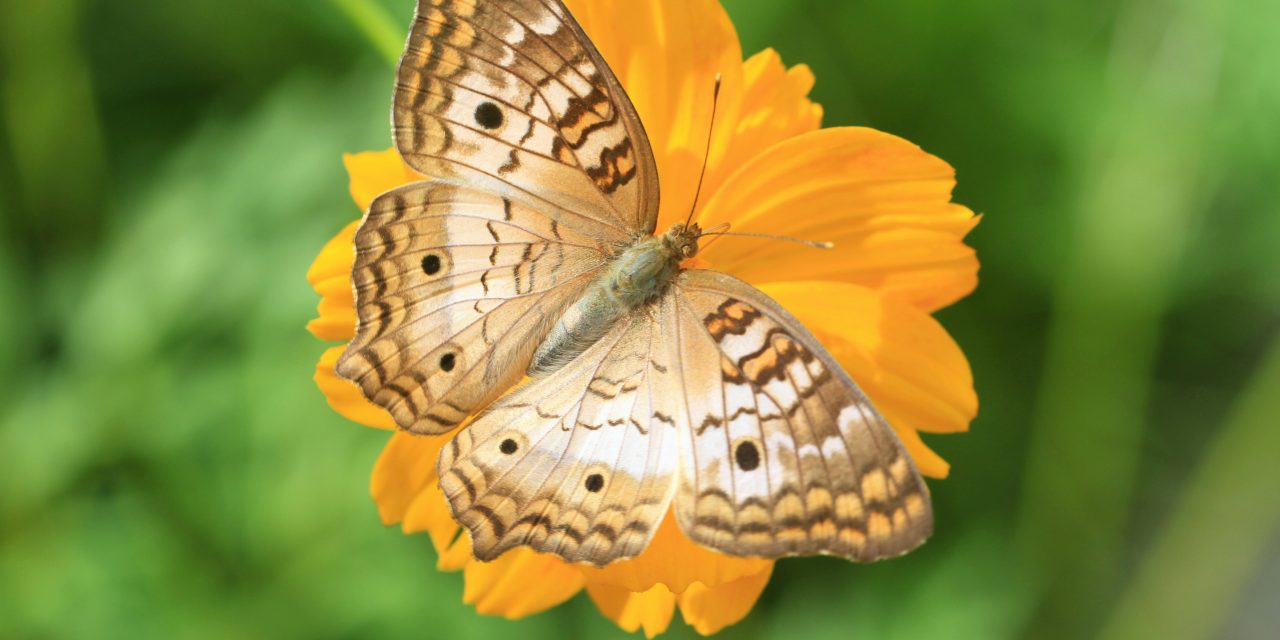
Butterfly weed, scientifically known as Asclepias tuberosa, is a perennial flowering plant belonging to the milkweed family, Asclepiadaceae. This native North American species is renowned for its vibrant orange and yellow blossoms, which not only add aesthetic value to gardens but also serve as a crucial nectar source for pollinators, particularly butterflies. The plant typically reaches heights of 1 to 3 feet and features lance-shaped leaves that are arranged in a whorled pattern. Its deep taproot allows it to thrive in various soil types, making it a resilient choice for gardeners seeking low-maintenance yet visually striking flora.
In addition to its ornamental appeal, butterfly weed possesses significant ecological importance. It plays a vital role in supporting local ecosystems by attracting pollinators such as monarch butterflies, bees, and hummingbirds. Furthermore, the plant has been utilized in traditional medicine for its potential therapeutic properties, including anti-inflammatory and analgesic effects. Understanding the multifaceted benefits of butterfly weed can inspire gardeners to incorporate this remarkable species into their landscapes.
Choosing the Right Seeds for Vibrant Growth
Selecting high-quality seeds is paramount for ensuring the successful growth of butterfly weed. When sourcing seeds, it is advisable to choose reputable suppliers who specialize in native plants. Look for seeds that are fresh, viable, and free from contaminants. The germination rate should ideally be above 80%, indicating that most seeds will sprout under optimal conditions. Additionally, consider purchasing seeds that are locally sourced, as they are more likely to be adapted to your specific climate and soil conditions.
There are various cultivars of butterfly weed available, each exhibiting unique characteristics. For instance, some varieties may produce flowers in shades of orange, yellow, or even red. When selecting seeds, consider the aesthetic goals of your garden and the specific pollinators you wish to attract. By choosing the right seeds, you lay the foundation for a thriving butterfly weed garden that will flourish for years to come.
Preparing the Soil for Optimal Germination

Soil preparation is a critical step in cultivating butterfly weed successfully. This species thrives in well-drained soils with a pH range of 6.0 to 7.0. Begin by conducting a soil test to assess nutrient levels and pH balance. Based on the results, amend the soil with organic matter such as compost or well-rotted manure to enhance fertility and improve drainage. It is essential to ensure that the soil is loose and crumbly, as compacted soil can hinder root development and water absorption.
In addition to improving soil structure, consider incorporating sand or perlite to enhance drainage further. Butterfly weed prefers dry to moderately moist conditions; thus, overly saturated soil can lead to root rot and other detrimental issues. Once the soil is adequately prepared, it is advisable to allow it to rest for a few days before sowing seeds, giving beneficial microorganisms time to establish themselves.
The Importance of Stratification for Butterfly Weed Seeds

Stratification is a crucial process that mimics natural winter conditions, promoting seed germination in butterfly weed. This species requires a period of cold stratification to break dormancy and initiate sprouting. To stratify butterfly weed seeds, place them in a damp paper towel or mix them with moist sand in a sealed plastic bag. Store the mixture in the refrigerator for approximately 30 days. This chilling period allows the seeds to absorb moisture and signals them that it is time to germinate once they are exposed to warmer temperatures.
After completing the stratification process, remove the seeds from refrigeration and allow them to acclimate to room temperature before planting. This gradual transition helps prevent shock and increases the likelihood of successful germination. By understanding and implementing stratification techniques, gardeners can significantly enhance their chances of cultivating healthy butterfly weed plants.
Selecting the Ideal Planting Time
Timing is essential when it comes to planting butterfly weed seeds. The optimal planting window typically falls between late spring and early summer when soil temperatures consistently reach around 65°F (18°C). At this temperature, the conditions are conducive for seed germination and subsequent growth. In regions with milder winters, fall planting can also be effective, allowing seeds to undergo natural stratification over the winter months.
It is crucial to monitor local weather patterns and soil temperatures before planting. If you live in an area with unpredictable weather conditions, consider starting seeds indoors approximately 6-8 weeks before the last frost date. This approach allows for earlier growth while minimizing risks associated with late frosts. By carefully selecting the planting time, gardeners can optimize their chances of establishing robust butterfly weed plants.
Step-by-Step Seed Sowing Instructions
Sowing butterfly weed seeds requires careful attention to detail to ensure successful germination and growth. Begin by preparing seed trays or pots filled with a well-draining seed-starting mix. Moisten the mix lightly before sowing to create an ideal environment for seed germination. Scatter the seeds evenly across the surface of the soil, ensuring they are not overcrowded.
Cover the seeds with a thin layer of soil—approximately 1/8 inch deep—as they require light for germination. Gently press down on the soil surface to ensure good seed-to-soil contact. After sowing, mist the surface lightly with water to avoid displacing the seeds. Place the trays in a warm location with indirect sunlight or under grow lights until germination occurs, which typically takes 10-20 days.
Watering Techniques to Encourage Strong Seedlings
Proper watering techniques are essential for nurturing butterfly weed seedlings as they emerge from the soil. Initially, it is crucial to maintain consistent moisture without over-saturating the soil. Watering should be done gently using a spray bottle or a fine mist setting on a hose attachment to avoid displacing delicate seedlings.
As seedlings grow stronger and develop their first true leaves, gradually reduce watering frequency while allowing the top inch of soil to dry out between waterings. This practice encourages deep root development and helps seedlings acclimate to outdoor conditions when it comes time for transplanting. Monitoring moisture levels closely will ensure that seedlings receive adequate hydration without succumbing to root rot or fungal diseases.
Providing Adequate Sunlight and Temperature Conditions
Butterfly weed thrives in full sun conditions, requiring at least 6-8 hours of direct sunlight daily for optimal growth and flowering. When positioning seedlings or mature plants in your garden, select locations that receive ample sunlight throughout the day while also considering wind protection if necessary.
Temperature plays a significant role in plant health as well; butterfly weed prefers warm conditions with daytime temperatures ranging from 70°F to 85°F (21°C to 29°C). If growing indoors or in greenhouses, ensure proper ventilation and airflow to prevent overheating during hotter months. By providing adequate sunlight and temperature conditions, gardeners can foster an environment conducive to vibrant growth and prolific blooming.
Protecting Young Plants from Pests and Diseases
As butterfly weed seedlings establish themselves, they may become susceptible to various pests and diseases that can hinder their growth and vitality. Common pests include aphids, spider mites, and caterpillars that feed on foliage and flowers. To protect young plants from these threats, regularly inspect them for signs of infestation and take immediate action if necessary.
Implementing integrated pest management (IPM) strategies can be highly effective in controlling pest populations while minimizing chemical interventions. Encourage beneficial insects such as ladybugs and lacewings that prey on harmful pests by planting companion flowers nearby. Additionally, consider using insecticidal soap or neem oil as organic treatments if infestations become severe.
Diseases such as powdery mildew or root rot can also pose risks to young plants. To prevent these issues, ensure proper spacing between plants for adequate airflow and avoid overhead watering that can promote fungal growth. By proactively addressing potential threats through vigilant monitoring and preventive measures, gardeners can safeguard their butterfly weed plants from pests and diseases.
Transplanting Seedlings to Their Permanent Location
Once butterfly weed seedlings have developed several sets of true leaves and are approximately 4-6 inches tall, they are ready for transplanting into their permanent garden location. Choose a sunny spot with well-drained soil that aligns with the plant’s preferences for optimal growth conditions.
Before transplanting, harden off seedlings by gradually exposing them to outdoor conditions over a week or two. Start by placing them outside for a few hours each day in a sheltered area before gradually increasing their exposure time until they can withstand full sun exposure.
When transplanting, dig holes that are slightly larger than the root ball of each seedling and space them approximately 12-18 inches apart to allow for mature growth. Carefully remove seedlings from their containers while minimizing root disturbance and place them into prepared holes at the same depth they were growing previously. Water thoroughly after transplanting to help settle the soil around the roots.
Maintenance Tips for Sustained Vibrancy and Blooming
To ensure sustained vibrancy and blooming of butterfly weed throughout its growing season, regular maintenance practices are essential. Fertilization should be approached cautiously; this species thrives in nutrient-poor soils and excessive fertilization can lead to lush foliage at the expense of blooms. A light application of balanced fertilizer in early spring can support initial growth without compromising flowering potential.
Mulching around plants can help retain moisture while suppressing weeds that compete for nutrients and resources. Organic mulches such as shredded bark or straw also contribute beneficial microorganisms as they decompose over time.
Deadheading spent flowers encourages continuous blooming by preventing seed formation; this practice redirects energy back into producing new flowers rather than sustaining mature seed pods. Additionally, regular monitoring for pests or diseases will help maintain plant health throughout the growing season.
In summary, butterfly weed is an exceptional perennial that offers both ecological benefits and aesthetic appeal in gardens. By understanding its requirements—from seed selection through maintenance—gardeners can cultivate vibrant displays that attract pollinators while contributing positively to local ecosystems. With proper care and attention, butterfly weed can thrive year after year, providing beauty and support for wildlife alike.
**FAQ Section**
1. **What is butterfly weed?**
Butterfly weed (Asclepias tuberosa) is a perennial flowering plant known for its bright orange flowers that attract pollinators like butterflies.
2. **How do I choose butterfly weed seeds?**
Select high-quality seeds from reputable suppliers with a germination rate above 80%. Consider locally sourced seeds for better adaptation.
3. **What type of soil does butterfly weed prefer?**
Butterfly weed thrives in well-drained soils with a pH range of 6.0-7.0; amend compacted soils with organic matter for optimal growth.
4. **Why is stratification important?**
Stratification mimics winter conditions necessary for breaking seed dormancy; it enhances germination rates significantly.
5. **When should I plant butterfly weed seeds?**
The ideal planting time is late spring or early summer when soil temperatures reach around 65°F (18°C). Fall planting is also viable in milder climates.
6. **How do I water butterfly weed seedlings?**
Maintain consistent moisture without over-saturating; water gently until seedlings establish strong roots.
7. **What sunlight conditions do butterfly weeds need?**
They require full sun exposure—at least 6-8 hours daily—for optimal growth and flowering.
8. **How can I protect young plants from pests?**
Regularly inspect plants for pests; use integrated pest management strategies like encouraging beneficial insects or applying organic treatments if necessary.
9. **When should I transplant seedlings?**
Transplant seedlings when they are 4-6 inches tall with several true leaves; harden them off before moving them outdoors.
10. **What maintenance practices should I follow?**
Light fertilization in spring, mulching for moisture retention, deadheading spent flowers, and monitoring for pests will help sustain vibrancy throughout the season.
In conclusion, cultivating butterfly weed requires careful planning and attention but rewards gardeners with stunning blooms while supporting vital pollinator populations within local ecosystems.
FAQs
What is butterfly weed and why is it important for gardens?
Butterfly weed, scientifically known as Asclepias tuberosa, is a perennial plant that is part of the milkweed family. It is important for gardens because it attracts pollinators, particularly butterflies, and serves as a host plant for monarch caterpillars. Additionally, it is drought-resistant and adds vibrant color to landscapes with its bright orange flowers.
When is the best time to plant butterfly weed seeds?
The best time to plant butterfly weed seeds is in the spring after the last frost or in the fall before the first frost. Planting in the fall allows the seeds to undergo natural stratification over winter, which can improve germination rates in the spring.
How should I prepare the soil for planting butterfly weed seeds?
To prepare the soil for butterfly weed seeds, choose a well-draining location with full sun exposure. Amend the soil with organic matter, such as compost, to improve fertility and drainage. The soil pH should ideally be between 6.0 and 7.0. Rake the area to remove debris and create a smooth seedbed.
What is the germination process for butterfly weed seeds?
Butterfly weed seeds require a period of cold stratification to germinate effectively. This can be achieved by placing the seeds in a damp paper towel inside a plastic bag and refrigerating them for 30 days. After stratification, sow the seeds about 1/4 inch deep in prepared soil and keep the soil consistently moist until germination, which typically occurs within 10 to 30 days.
How do I care for butterfly weed after it has germinated?
After butterfly weed has germinated, ensure it receives full sunlight and water it regularly, especially during dry spells. Once established, butterfly weed is drought-tolerant and requires minimal maintenance. Remove any weeds that compete for nutrients and consider applying a light layer of mulch to retain moisture and suppress weeds.