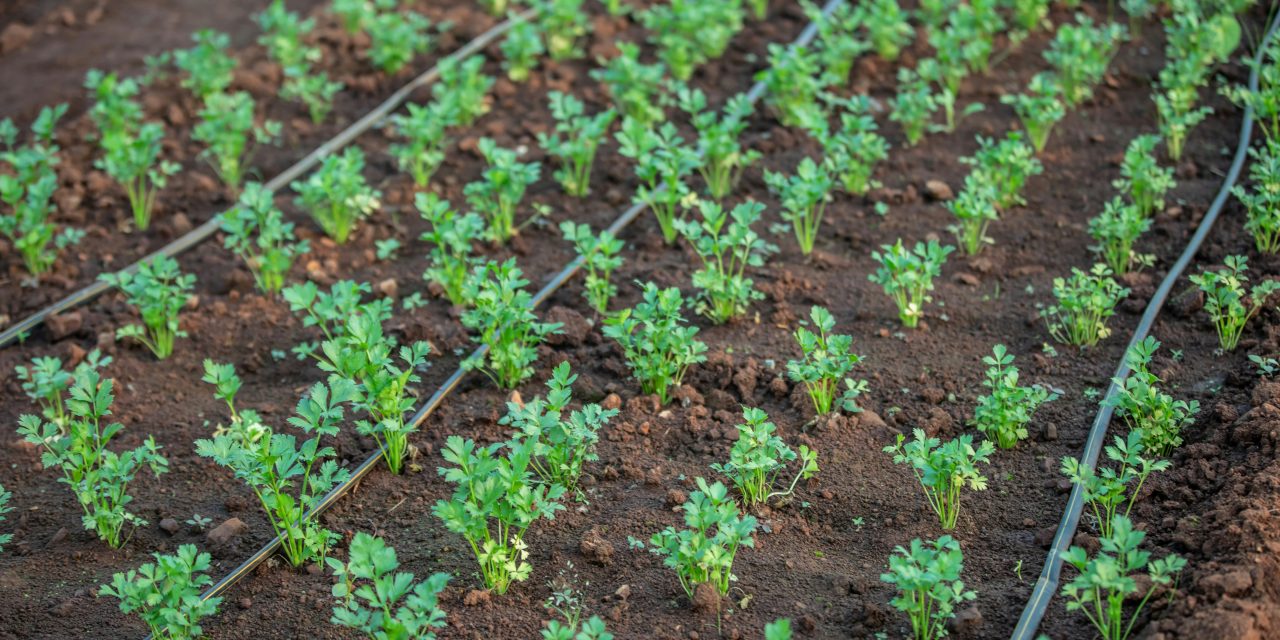
Drip irrigation has emerged as a revolutionary method for watering plants, particularly in raised garden beds. This technique involves delivering water directly to the root zone of plants through a network of tubing and emitters, ensuring that moisture reaches the soil where it is most needed. The precision of drip irrigation minimizes water wastage and promotes healthier plant growth by providing consistent moisture levels. As urban gardening and sustainable practices gain popularity, understanding the intricacies of drip irrigation becomes essential for both novice and experienced gardeners.
Raised garden beds, characterized by their elevated structure, offer numerous advantages such as improved drainage, enhanced soil quality, and easier access for maintenance. However, these benefits can be compromised without an efficient watering system. Traditional methods like overhead sprinklers often lead to uneven moisture distribution and increased evaporation rates. In contrast, drip irrigation systems are designed to optimize water usage while reducing labor and time spent on manual watering. This article delves into the benefits, features, and top systems available for implementing drip irrigation in raised garden beds.
Benefits of Using Drip Irrigation Systems
The advantages of employing drip irrigation systems in raised garden beds are manifold. Firstly, water conservation is a primary benefit; studies indicate that drip irrigation can reduce water usage by up to 50% compared to conventional watering methods. This efficiency is particularly crucial in regions facing water scarcity or during drought conditions. By delivering water directly to the roots, plants receive the hydration they require without excess runoff or evaporation.
Secondly, drip irrigation promotes healthier plant growth. By maintaining consistent soil moisture levels, plants are less susceptible to stress caused by fluctuating water availability. This stability fosters robust root development and enhances nutrient uptake, ultimately leading to higher yields and improved crop quality. Furthermore, the targeted application of water minimizes the risk of fungal diseases that thrive in overly moist environments created by overhead watering.
Key Features to Consider When Choosing a Drip Irrigation System

When selecting a drip irrigation system for raised garden beds, several critical features warrant consideration. Firstly, the system’s flow rate is paramount; it should match the water requirements of the specific plants being cultivated. Different crops have varying hydration needs, and understanding these requirements ensures optimal growth.
Another essential feature is the emitter type and spacing. Emitters can vary in design, including pressure-compensating and non-pressure-compensating options. Pressure-compensating emitters maintain a consistent flow rate regardless of pressure fluctuations in the system, making them ideal for uneven terrain or long runs of tubing. Additionally, emitter spacing should be tailored to the plant types; closer spacing is beneficial for densely planted beds, while wider spacing may suffice for larger crops.
Lastly, ease of installation and maintenance should not be overlooked. A user-friendly system with clear instructions can significantly reduce setup time and potential errors. Moreover, consider systems that allow for easy expansion or modification as gardening needs evolve over time.
Top 7 Drip Irrigation Systems Overview

The market offers a plethora of drip irrigation systems tailored for various gardening needs. Below is an overview of seven top-rated systems that cater to different preferences and requirements:
1. Rain Bird Drip Irrigation Kit
2. Orbit Drip Irrigation Starter Kit
3. Raindrip R560DP Automatic Watering Kit
4. DIG Drip Irrigation Kit
5. Melnor Drip Irrigation System
6. Blumat Automatic Drip Irrigation
7. Gardena Micro-Drip System
Each of these systems boasts unique features that cater to specific gardening scenarios, from beginner-friendly kits to customizable setups for seasoned gardeners.
Rain Bird Drip Irrigation Kit – Best Overall Performance
The Rain Bird Drip Irrigation Kit stands out as a premier choice for gardeners seeking optimal performance. This comprehensive kit includes everything necessary for installation, including tubing, emitters, stakes, and connectors. With a flow rate of 0.5 gallons per hour per emitter, it efficiently delivers water directly to plant roots while minimizing waste.
One of the key advantages of the Rain Bird system is its versatility; it can be adapted for various garden layouts and plant types. The kit also features pressure-compensating emitters that ensure consistent water delivery even in sloped areas. Additionally, Rain Bird’s reputation for durability means that this system can withstand the elements over time, making it a long-term investment for any gardener.
Orbit Drip Irrigation Starter Kit – Best for Beginners
For those new to gardening or drip irrigation, the Orbit Drip Irrigation Starter Kit is an excellent entry point. This user-friendly kit includes all essential components for setting up a basic drip system in raised garden beds. With clear instructions and pre-assembled parts, beginners can quickly establish an efficient watering solution without feeling overwhelmed.
The Orbit kit features adjustable emitters that allow users to customize water delivery based on specific plant needs. This flexibility is particularly beneficial for mixed plantings where different species may require varying amounts of moisture. Furthermore, the affordability of this kit makes it an attractive option for novice gardeners looking to experiment with drip irrigation without significant financial commitment.
Raindrip R560DP Automatic Watering Kit – Best Value
The Raindrip R560DP Automatic Watering Kit offers exceptional value for gardeners seeking an automated solution for their watering needs. This kit includes a timer that allows users to set specific watering schedules, ensuring that plants receive consistent hydration even when they are not present.
With a flow rate of 0.5 gallons per hour per emitter, this system efficiently delivers water while minimizing waste. The Raindrip kit also features a variety of emitter types and sizes, allowing users to tailor their setup based on plant requirements. Its affordability combined with automation makes it an ideal choice for busy gardeners who want to maintain healthy plants without dedicating excessive time to manual watering.
DIG Drip Irrigation Kit – Best for Customization
The DIG Drip Irrigation Kit excels in customization options, making it perfect for gardeners who wish to design a tailored watering system for their raised beds. This kit includes an extensive range of components such as tubing, connectors, emitters, and stakes that can be configured to suit any garden layout.
One standout feature of the DIG system is its modular design; users can easily expand or modify their setup as their gardening needs evolve over time. The kit also includes pressure-compensating emitters that ensure uniform water distribution across varying terrain levels. For gardeners who prioritize flexibility and adaptability in their irrigation systems, the DIG kit represents an excellent investment.
Melnor Drip Irrigation System – Best for Small Gardens
For those with limited space or smaller raised garden beds, the Melnor Drip Irrigation System offers an efficient solution tailored specifically for compact gardens. This system is designed with simplicity in mind; it includes all necessary components for quick installation without requiring extensive modifications.
The Melnor system features adjustable emitters that allow users to customize water delivery based on individual plant needs while maintaining efficient water usage. Its compact design ensures that even small spaces receive adequate hydration without overwhelming plants with excess moisture. This system is ideal for urban gardeners or those with limited outdoor space who still wish to cultivate thriving gardens.
Blumat Automatic Drip Irrigation – Best for Water Efficiency
The Blumat Automatic Drip Irrigation system stands out as a leader in water efficiency due to its innovative design utilizing ceramic cones that release water gradually into the soil as needed by plants. This passive system requires no electricity or timers; instead, it relies on gravity and soil moisture levels to regulate water delivery.
Blumat’s unique approach minimizes water waste while ensuring that plants receive consistent hydration throughout varying weather conditions. This makes it an excellent choice for gardeners who prioritize sustainability and eco-friendliness in their practices. Additionally, its simplicity allows users to set up the system quickly without extensive technical knowledge.
Gardena Micro-Drip System – Best for Durability and Expansion
The Gardena Micro-Drip System is renowned for its durability and potential for expansion, making it suitable for both small and large raised garden beds alike. Constructed from high-quality materials designed to withstand harsh environmental conditions, this system promises longevity and reliability.
One of the key features of the Gardena system is its modular design; users can easily add components such as additional tubing or emitters as their gardening needs grow over time. The system also includes adjustable emitters that allow precise control over water delivery rates based on specific plant requirements. For gardeners seeking a robust and expandable solution, the Gardena Micro-Drip System represents an excellent choice.
In summary, drip irrigation systems provide an efficient and effective means of watering raised garden beds while conserving water and promoting healthy plant growth. With various options available on the market catering to different needs—from beginners to seasoned gardeners—there is a suitable solution for everyone looking to enhance their gardening experience through precision watering techniques.
FAQ Section:
1. **What is drip irrigation?**
Drip irrigation is a method of delivering water directly to the root zone of plants through a network of tubing and emitters.
2. **How does drip irrigation conserve water?**
By targeting water delivery directly at the roots and minimizing evaporation and runoff, drip irrigation can reduce overall water usage by up to 50%.
3. **Can I use drip irrigation in raised garden beds?**
Yes! Drip irrigation is particularly effective in raised garden beds due to improved drainage and soil quality.
4. **What components are typically included in a drip irrigation kit?**
Most kits include tubing, emitters (drippers), connectors, stakes or holders, filters, and sometimes timers.
5. **How do I determine the right flow rate for my plants?**
Research the specific hydration needs of your plants; typically, vegetables require about 1-2 inches of water per week depending on climate conditions.
6. **Is installation difficult?**
Many modern drip irrigation kits are designed for easy installation with clear instructions; however, some customization may require additional planning.
7. **How often should I run my drip irrigation system?**
This depends on your climate and plant types; generally, running it 1-3 times per week is sufficient but adjust based on rainfall and soil moisture levels.
8. **Can I automate my drip irrigation system?**
Yes! Many kits come with timers or can be integrated with smart irrigation controllers for automated watering schedules.
9. **What maintenance does a drip irrigation system require?**
Regularly check emitters for clogs, clean filters as needed, and inspect tubing for leaks or damage.
10. **Are there any drawbacks to using drip irrigation?**
Initial setup costs may be higher than traditional methods; however, long-term savings on water bills often offset this expense.
In conclusion, implementing a drip irrigation system in raised garden beds not only enhances plant health but also promotes sustainable gardening practices through efficient water usage. With various options available tailored to different needs and preferences, gardeners can find the perfect solution to optimize their watering strategies while enjoying bountiful harvests year-round.
FAQs
What is a drip irrigation system?
A drip irrigation system is a method of watering plants that delivers water directly to the roots through a network of tubing and emitters. This system minimizes water waste and ensures that plants receive a consistent supply of moisture, making it ideal for raised beds where soil can dry out quickly.
Why is drip irrigation beneficial for raised beds?
Drip irrigation is particularly beneficial for raised beds because it allows for precise watering, reducing the risk of overwatering or underwatering. It also helps to conserve water, prevents soil erosion, and minimizes weed growth by delivering water directly to the plants rather than the surrounding soil.
What components are typically included in a drip irrigation system for raised beds?
A typical drip irrigation system for raised beds includes components such as a water source (like a faucet or hose), main supply tubing, drip emitters or soaker hoses, connectors, stakes or holders to secure the tubing, and a filter to prevent clogging. Some systems may also include a pressure regulator and a timer for automated watering.
How do I install a drip irrigation system in my raised beds?
To install a drip irrigation system in raised beds, start by planning the layout of your tubing and emitters based on the size and shape of your beds. Connect the main supply tubing to your water source, then run it along the length of the bed. Attach drip emitters or soaker hoses at intervals to ensure even coverage, and secure everything in place with stakes. Finally, test the system to ensure proper water flow.
How often should I run my drip irrigation system for raised beds?
The frequency of running your drip irrigation system depends on several factors, including the type of plants, soil moisture levels, and weather conditions. Generally, it is recommended to run the system for about 30 minutes to an hour, 2-3 times a week. However, it’s important to monitor the soil moisture and adjust the schedule as needed to prevent over or under-watering.