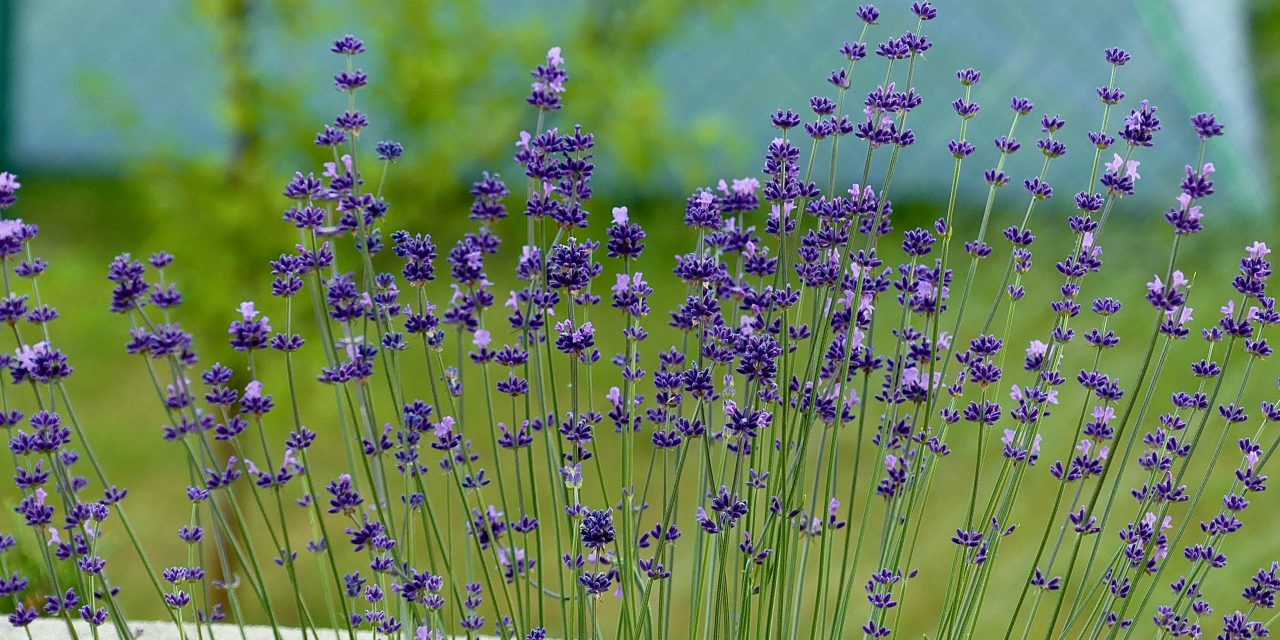
Lavender, a perennial herb renowned for its aromatic properties and vibrant purple blooms, has captivated gardeners and herbal enthusiasts alike. Growing lavender in pots offers a unique opportunity to cultivate this versatile plant in limited spaces, such as balconies, patios, or small gardens. Container gardening allows for greater control over soil conditions, drainage, and mobility, making it an ideal choice for those who wish to enjoy the beauty and fragrance of lavender without committing to a permanent garden bed.
The allure of lavender extends beyond its aesthetic appeal; it is also celebrated for its therapeutic benefits. The essential oils extracted from lavender are widely used in aromatherapy, promoting relaxation and alleviating stress. Additionally, lavender has culinary applications, enhancing dishes with its distinct flavor. By growing lavender in pots, you can easily access these benefits while adding a touch of elegance to your living space.
Choosing the Right Lavender Variety for Containers
Selecting the appropriate lavender variety is crucial for successful container gardening. There are several species of lavender, each with unique characteristics that may influence their suitability for pot cultivation. The most commonly grown varieties include English Lavender (Lavandula angustifolia), French Lavender (Lavandula dentata), and Spanish Lavender (Lavandula stoechas).
English Lavender is often favored for its hardiness and sweet fragrance, making it ideal for colder climates. French Lavender, on the other hand, boasts a more robust growth habit and is well-suited for warmer regions. Spanish Lavender is distinguished by its unique flower spikes and is often used in ornamental displays. When choosing a variety, consider your local climate, the size of your container, and your intended use for the plant.
Selecting the Perfect Pot and Soil Mix

The choice of pot is paramount in ensuring the health of your lavender plant. Opt for containers that provide adequate drainage, as lavender thrives in well-draining soil to prevent root rot. Terracotta pots are an excellent option due to their porous nature, allowing excess moisture to escape. Ensure that the pot has drainage holes at the bottom to facilitate proper water management.
In terms of soil mix, lavender prefers a sandy or gravelly substrate that mimics its native Mediterranean habitat. A well-balanced potting mix can be achieved by combining equal parts of potting soil, sand, and perlite or pumice. This blend promotes aeration and drainage while providing essential nutrients. Avoid heavy soils that retain moisture, as they can lead to detrimental conditions for lavender growth.
Planting Your Lavender: Step-by-Step Guide

Planting lavender in pots requires careful attention to detail to ensure optimal growth. Begin by selecting a healthy lavender plant from a reputable nursery or garden center. Once you have your plant, follow these steps:
1. Prepare the Pot: Fill the chosen container with the prepared soil mix, leaving about an inch of space at the top.
2. Remove the Plant: Gently remove the lavender from its nursery pot, taking care not to damage the roots.
3. Position the Plant: Create a small hole in the center of the soil and place the lavender plant inside, ensuring that the crown of the plant is level with the soil surface.
4. Backfill: Fill in around the roots with additional soil mix, pressing lightly to eliminate air pockets.
5. Water: After planting, water the lavender thoroughly to help settle the soil around the roots.
Providing Optimal Light and Temperature Conditions
Lavender thrives in full sunlight, requiring at least six to eight hours of direct sunlight daily for optimal growth and flowering. When positioning your potted lavender, choose a location that receives ample sunlight throughout the day. If growing indoors, consider placing your pots near south-facing windows or using grow lights to supplement natural light.
Temperature plays a significant role in lavender cultivation as well. Most varieties prefer temperatures between 60°F to 75°F (15°C to 24°C). While lavender can tolerate some fluctuations in temperature, extreme cold or heat can hinder growth. In colder climates, consider bringing potted lavender indoors during winter months or providing protective coverings to shield them from frost.
Watering Techniques for Healthy Lavender Growth
Watering is a critical aspect of lavender care that requires a balanced approach. Overwatering is one of the most common mistakes made by gardeners, leading to root rot and other complications. Lavender prefers dry conditions; therefore, it is essential to allow the soil to dry out between watering sessions.
A general rule of thumb is to water your potted lavender once every two weeks during the growing season, adjusting frequency based on environmental conditions such as temperature and humidity. When watering, ensure that water reaches the root zone without saturating the soil. A thorough soak followed by a dry period will encourage deep root growth and overall plant resilience.
Fertilizing Your Potted Lavender Properly
While lavender is relatively low-maintenance regarding fertilization, providing essential nutrients can enhance growth and flowering potential. A balanced fertilizer with a low nitrogen content is recommended; high nitrogen levels can lead to excessive foliage growth at the expense of blooms.
Consider using a slow-release fertilizer formulated for herbs or flowering plants during the early spring as new growth begins. Follow package instructions for application rates based on pot size. Additionally, organic options such as compost or well-rotted manure can be incorporated into the soil mix at planting time to provide a nutrient-rich environment.
Pruning and Maintaining Your Lavender Plant
Pruning is an essential practice for maintaining healthy lavender plants and promoting vigorous growth. Regular pruning encourages bushier growth and prevents woody stems from developing over time. The best time to prune lavender is in early spring before new growth begins or immediately after flowering has finished.
To prune effectively, use sharp pruning shears to remove about one-third of the plant’s height while avoiding cutting into old wood. Focus on shaping the plant while removing any dead or damaged stems. This practice not only enhances aesthetics but also improves air circulation around the plant, reducing susceptibility to diseases.
Managing Pests and Diseases in Container Lavender
While lavender is generally resistant to pests and diseases due to its aromatic oils, it can still fall victim to certain issues if not properly cared for. Common pests include aphids, spider mites, and whiteflies. Regularly inspect your plants for signs of infestation such as discolored leaves or webbing.
If pests are detected, consider using insecticidal soap or neem oil as organic treatment options. Additionally, maintaining proper air circulation around your plants can help deter pests from settling in.
Diseases such as root rot or powdery mildew may occur if watering practices are not managed correctly or if humidity levels are too high. To prevent these issues, ensure adequate drainage and avoid overhead watering that can leave foliage wet.
Harvesting and Using Your Homegrown Lavender
Harvesting lavender is one of the most rewarding aspects of growing this herb in pots. The best time to harvest is when the flowers are fully open but before they begin to fade. Use sharp scissors or pruning shears to cut stems just above the leaves.
Once harvested, lavender can be used in various ways: dried for sachets or potpourri, infused into oils or vinegars for culinary applications, or distilled into essential oils for aromatherapy purposes. The versatility of lavender makes it an invaluable addition to any home garden.
Troubleshooting Common Issues with Potted Lavender
Despite careful attention to care practices, gardeners may encounter challenges when growing potted lavender. Common issues include leggy growth due to insufficient light exposure or yellowing leaves caused by overwatering or nutrient deficiencies.
To address leggy growth, ensure your plant receives adequate sunlight by relocating it to a brighter spot or supplementing with grow lights if necessary. For yellowing leaves, assess your watering habits and adjust accordingly; allow the soil to dry out before watering again.
In conclusion, growing lavender in pots presents an excellent opportunity for both novice and experienced gardeners alike to enjoy this beautiful herb’s aesthetic and aromatic benefits. By selecting suitable varieties, providing optimal care conditions, and addressing potential issues proactively, you can cultivate thriving potted lavender plants that enhance your living space while offering numerous culinary and therapeutic uses.
In summary:
– Choose appropriate lavender varieties based on climate.
– Select well-draining pots and sandy soil mixes.
– Follow proper planting techniques.
– Ensure adequate light and temperature conditions.
– Water judiciously and fertilize appropriately.
– Prune regularly for maintenance.
– Manage pests and diseases effectively.
– Harvest thoughtfully for various uses.
– Troubleshoot common issues promptly.
With these guidelines in mind, you can embark on a rewarding journey of growing lavender in pots that will yield beautiful blooms and delightful fragrances year after year.
FAQs
What type of pot is best for growing lavender?
When growing lavender in pots, it’s best to choose a container that has good drainage. Terracotta pots are ideal because they allow moisture to evaporate, preventing root rot. Ensure the pot has drainage holes at the bottom to facilitate proper water drainage.
How much sunlight does lavender need when grown in pots?
Lavender thrives in full sunlight, requiring at least 6 to 8 hours of direct sunlight each day. Position your pots in a sunny location, such as a south-facing patio or balcony, to ensure optimal growth and flowering.
What type of soil is suitable for potted lavender?
Lavender prefers well-draining soil that is slightly alkaline. A mix of potting soil with sand or perlite can improve drainage. You can also use a specialized cactus or succulent mix, which typically provides the right conditions for lavender.
How often should I water lavender in pots?
Lavender is drought-tolerant and prefers to dry out between waterings. Water your potted lavender only when the top inch of soil feels dry to the touch. Generally, this may mean watering every 1 to 2 weeks, depending on the climate and season.
When is the best time to prune lavender in pots?
The best time to prune lavender is in the spring, just as new growth begins to emerge. This helps to shape the plant and encourages bushier growth. You can also do a light trim after flowering to maintain its shape and promote healthy growth for the next season.