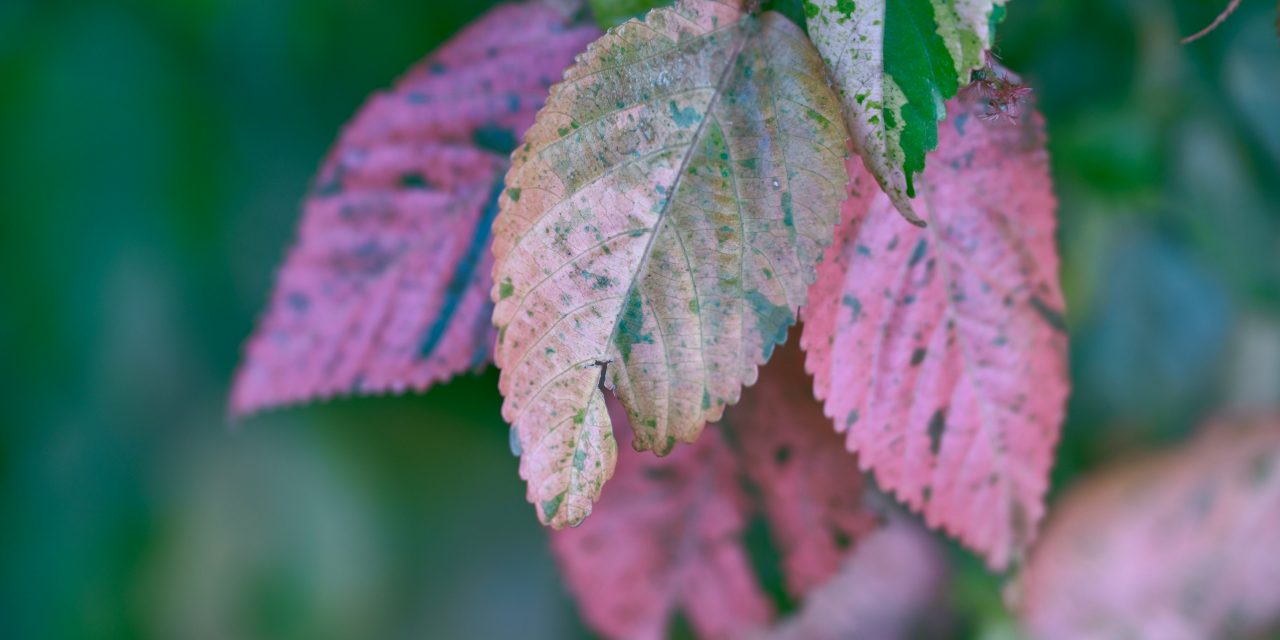
The vibrant hues of rose leaves can be a captivating sight, but when these leaves begin to change color unexpectedly, it can signal underlying issues that require attention. Typically, healthy rose leaves exhibit a rich green color, indicative of robust chlorophyll production. However, various factors can lead to discoloration, including nutrient deficiencies, environmental stressors, and pest infestations. Understanding the reasons behind these changes is crucial for maintaining the health of your roses and ensuring their continued beauty.
Color changes in rose leaves can manifest as yellowing, browning, or even purpling. Yellowing, known as chlorosis, often indicates a lack of essential nutrients such as nitrogen, iron, or magnesium. Conversely, browning may suggest overexposure to sunlight or water stress. Recognizing these symptoms early allows for timely intervention, which can prevent further deterioration of the plant. By closely monitoring your roses and understanding the factors that influence leaf color, you can take proactive measures to maintain their health and vitality.
Nutrient Deficiency: The Role of Essential Minerals
Nutrient deficiencies are among the most common reasons for color changes in rose leaves. Essential minerals such as nitrogen, phosphorus, potassium, iron, and magnesium play pivotal roles in plant health. Nitrogen is crucial for chlorophyll production and overall growth; a deficiency often results in pale or yellow leaves. Iron deficiency typically manifests as yellowing between the leaf veins while leaving the veins themselves green—a condition known as interveinal chlorosis.
To address nutrient deficiencies effectively, soil testing is recommended to determine the specific mineral levels present. Once deficiencies are identified, appropriate fertilizers can be applied. For instance, a balanced fertilizer with a ratio of 10-10-10 (N-P-K) can provide a comprehensive nutrient boost. Additionally, foliar sprays containing micronutrients can offer immediate relief for specific deficiencies. Regularly amending the soil with organic matter such as compost can also enhance nutrient availability and improve overall soil health.
Overwatering: How Excess Moisture Affects Rose Leaves

Overwatering is a prevalent issue that can lead to significant problems for rose plants. Excess moisture in the soil creates an anaerobic environment that hampers root respiration and can lead to root rot—a condition that severely affects the plant’s ability to absorb nutrients and water. Symptoms of overwatering include yellowing leaves that may eventually drop off, as well as wilting despite wet soil conditions.
To mitigate overwatering issues, it is essential to assess your watering practices and ensure proper drainage in your rose beds or pots. Implementing a watering schedule based on environmental conditions—such as temperature and humidity—can help prevent excess moisture accumulation. Additionally, incorporating well-draining soil amendments like perlite or sand can enhance drainage capabilities. If root rot is suspected, it may be necessary to remove affected roots and repot the plant in fresh soil to promote recovery.
Underwatering: Signs and Solutions for Dry Soil

Conversely, underwatering presents its own set of challenges for rose plants. Insufficient moisture leads to stress that manifests as wilting leaves, browning edges, and stunted growth. In severe cases, prolonged underwatering can result in leaf drop and even plant death. Roses typically require consistent moisture levels, particularly during their active growing season.
To combat underwatering, it is vital to establish a regular watering routine that considers the specific needs of your roses based on their variety and environmental conditions. A general guideline is to provide approximately one inch of water per week, either through rainfall or supplemental irrigation. Mulching around the base of the plants can help retain soil moisture and regulate temperature fluctuations. Additionally, utilizing drip irrigation systems can ensure that water reaches the root zone effectively without causing surface runoff.
Pest Infestation: Identifying Common Rose Pests
Pest infestations are another significant factor contributing to color changes in rose leaves. Common pests such as aphids, spider mites, and thrips can wreak havoc on rose plants by feeding on sap and weakening their overall health. Aphids often cluster on new growth and can cause yellowing leaves and distorted blooms. Spider mites thrive in dry conditions and produce fine webbing on the undersides of leaves, leading to stippling and discoloration.
To manage pest infestations effectively, regular monitoring is essential. Early detection allows for timely intervention using insecticidal soaps or neem oil sprays that target soft-bodied insects without harming beneficial pollinators. Introducing natural predators such as ladybugs can also help control aphid populations organically. Maintaining plant health through proper watering and fertilization can bolster resistance against pests and reduce the likelihood of infestations.
Fungal Diseases: Spotting and Treating Infections
Fungal diseases pose a significant threat to rose plants and can lead to dramatic changes in leaf color and overall health. Common fungal infections include powdery mildew, black spot, and downy mildew. Powdery mildew appears as a white powdery coating on leaves and stems, while black spot manifests as dark circular lesions on foliage that eventually cause leaf drop.
To combat fungal diseases effectively, it is crucial to implement preventive measures such as ensuring adequate air circulation around plants by spacing them appropriately. Watering at the base of the plant rather than overhead can minimize moisture on foliage, reducing the risk of fungal growth. If infections occur, fungicides containing active ingredients like chlorothalonil or myclobutanil can be applied according to label instructions for effective treatment.
Environmental Stress: Impact of Temperature and Sunlight
Environmental stressors significantly influence the health of rose plants and can lead to color changes in leaves. Extreme temperatures—whether excessively hot or cold—can cause physiological stress that manifests as wilting or discoloration. Additionally, inadequate sunlight exposure may hinder photosynthesis, resulting in pale or yellowing leaves.
To mitigate environmental stress, it is essential to select rose varieties suited to your climate zone. Providing shade during extreme heat or protection from frost during cold snaps can help maintain optimal growing conditions. Regularly monitoring weather patterns allows for timely interventions such as covering plants during unexpected temperature fluctuations or adjusting watering schedules based on rainfall.
Soil pH Imbalance: Testing and Correcting Soil Conditions
Soil pH plays a critical role in nutrient availability for rose plants; an imbalance can lead to nutrient deficiencies or toxicities that affect leaf color. Roses thrive in slightly acidic to neutral soil conditions (pH 6.0-7.0). A pH outside this range can hinder nutrient uptake—iron deficiency often occurs in alkaline soils while phosphorus toxicity may arise in overly acidic conditions.
Conducting a soil test is essential for determining pH levels and nutrient content. If imbalances are detected, amendments such as sulfur can lower pH while lime can raise it. Regularly incorporating organic matter into the soil not only improves structure but also helps buffer pH fluctuations over time.
Improper Fertilization: Best Practices for Feeding Roses
Fertilization practices significantly impact the health of rose plants; improper application can lead to nutrient imbalances that affect leaf color and overall vigor. Over-fertilization may result in excessive foliage growth at the expense of blooms while under-fertilization can lead to stunted growth and yellowing leaves.
To optimize fertilization practices, it is advisable to use slow-release fertilizers specifically formulated for roses during the growing season—typically spring through early fall. A balanced fertilizer with an N-P-K ratio of 10-10-10 provides essential nutrients without overwhelming the plant. Additionally, following manufacturer recommendations regarding application rates ensures that roses receive adequate nourishment without risking toxicity.
Pruning and Maintenance: Encouraging Healthy Growth
Regular pruning is vital for maintaining healthy rose plants and encouraging vibrant foliage growth. Pruning removes dead or diseased wood while promoting air circulation within the plant structure—both essential for preventing disease development and ensuring optimal light penetration.
The best time to prune roses varies by species; however, late winter or early spring is generally recommended before new growth begins. Utilizing sharp pruning shears ensures clean cuts that minimize damage to surrounding tissue. Removing spent blooms (deadheading) encourages continuous flowering while promoting overall plant health.
Step-by-Step Guide: How to Restore Your Rose Leaves to Green
Restoring discolored rose leaves requires a systematic approach that addresses underlying issues effectively:
1. **Assess Symptoms**: Identify specific symptoms such as yellowing or browning leaves.
2. **Conduct Soil Test**: Determine nutrient levels and pH balance.
3. **Adjust Watering Practices**: Ensure consistent moisture levels without overwatering.
4. **Implement Pest Control**: Monitor for pests and apply appropriate treatments.
5. **Treat Fungal Infections**: Use fungicides if necessary while practicing preventive measures.
6. **Fertilize Appropriately**: Apply balanced fertilizers based on soil test results.
7. **Prune Regularly**: Remove dead or diseased wood while promoting air circulation.
8. **Monitor Environmental Conditions**: Protect plants from extreme temperatures and ensure adequate sunlight exposure.
9. **Mulch**: Apply organic mulch around plants to retain moisture and regulate temperature.
10. **Be Patient**: Recovery may take time; continue monitoring progress regularly.
In summary, understanding the factors influencing rose leaf color changes is essential for maintaining healthy plants. By addressing nutrient deficiencies, managing watering practices, controlling pests and diseases, adjusting environmental conditions, correcting soil pH imbalances, optimizing fertilization techniques, and implementing regular maintenance practices, you can restore your roses’ vibrant green foliage effectively.
Through diligent care and attention to detail, your roses will flourish once again—bringing beauty and joy to your garden space for years to come!
FAQs
What causes rose leaves to turn yellow?
Rose leaves can turn yellow due to various factors, including nutrient deficiencies (especially nitrogen), overwatering or underwatering, pests, diseases, and environmental stressors such as extreme temperatures or poor soil conditions.
How can nutrient deficiencies lead to yellowing leaves?
Nutrient deficiencies, particularly a lack of nitrogen, can cause chlorosis, which is the yellowing of leaves. Nitrogen is essential for the production of chlorophyll, the pigment responsible for the green color in plants. Without adequate nitrogen, leaves may turn yellow and exhibit stunted growth.
What role does watering play in the yellowing of rose leaves?
Both overwatering and underwatering can lead to yellowing leaves. Overwatering can suffocate the roots and lead to root rot, while underwatering can cause stress and dehydration. It’s important to maintain consistent moisture in the soil without allowing it to become waterlogged.
How can pests affect the color of rose leaves?
Pests such as aphids, spider mites, and whiteflies can damage rose leaves by feeding on their sap. This feeding can lead to yellowing, curling, and dropping of leaves. Regular monitoring and pest control measures are essential to prevent infestations.
What environmental factors can contribute to yellowing rose leaves?
Environmental factors such as extreme heat, cold, or poor soil drainage can stress rose plants, leading to yellowing leaves. Additionally, planting roses in areas with insufficient sunlight can hinder their growth and contribute to leaf discoloration.