The Fiddle Leaf Fig (Ficus lyrata) has gained immense popularity among indoor plant enthusiasts due to its striking appearance and lush foliage. Characterized by its large, violin-shaped leaves, this tropical tree can grow up to 10 feet tall in optimal conditions, making it a stunning focal point in any room. Native to the rainforests of West Africa, the Fiddle Leaf Fig thrives in warm, humid environments, which can pose challenges for indoor cultivation. Understanding the specific needs of this plant is crucial for ensuring its health and longevity.
Fiddle Leaf Figs are not just visually appealing; they also play a significant role in improving indoor air quality. Their broad leaves can absorb toxins and release oxygen, contributing to a healthier living space. However, these trees can be sensitive to environmental changes, making it essential for caretakers to provide consistent care. Knowledge of their growth habits, light requirements, and susceptibility to pests will empower you to cultivate a thriving Fiddle Leaf Fig that enhances your home’s aesthetic and air quality.
Choosing the Right Location for Optimal Growth
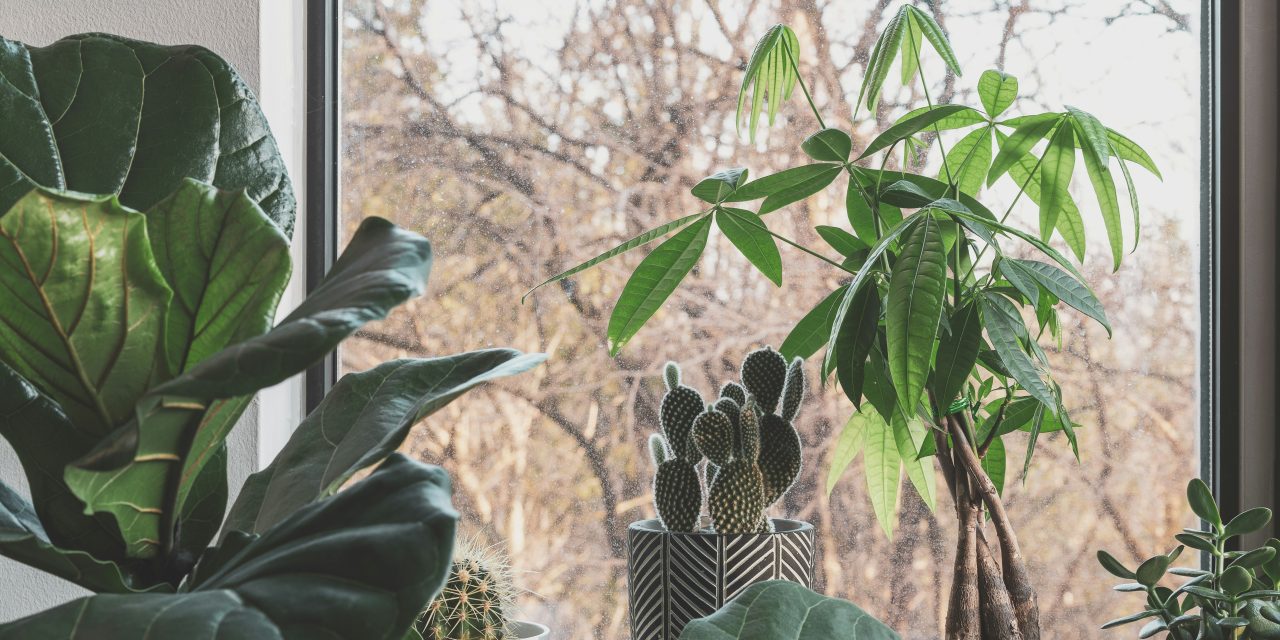
Selecting an appropriate location for your Fiddle Leaf Fig is paramount for its growth and overall health. These plants prefer bright, indirect light but can also adapt to lower light conditions, albeit at a slower growth rate. When positioning your tree, consider placing it near a window that receives filtered sunlight. Avoid direct sunlight exposure, as it can scorch the leaves and lead to unsightly brown patches.
In addition to light, temperature plays a critical role in the well-being of your Fiddle Leaf Fig. Ideally, these plants thrive in temperatures ranging from 60°F to 75°F (15°C to 24°C). Sudden temperature fluctuations or drafts from heating or cooling vents can stress the plant, leading to leaf drop or stunted growth. Therefore, maintaining a stable environment is essential for fostering a healthy Fiddle Leaf Fig.
Providing Adequate Light for Your Plant

Light is one of the most crucial factors influencing the growth of your Fiddle Leaf Fig. While these plants can tolerate lower light levels, they flourish in bright, indirect sunlight. A south-facing window is often ideal, as it provides ample light without the harshness of direct rays. If natural light is limited in your space, consider supplementing with grow lights designed for indoor plants.
Monitoring your plant’s response to light is vital. If you notice that the leaves are turning yellow or dropping, it may indicate insufficient light. Conversely, if the leaves develop brown edges or spots, it could be a sign of too much direct sunlight. Adjusting the plant’s position based on these observations will help ensure optimal growth and vitality.
Watering Your Fiddle Leaf Fig Correctly

Watering is a critical aspect of Fiddle Leaf Fig care that requires careful attention. Overwatering is one of the most common mistakes made by plant owners and can lead to root rot—a serious condition that can jeopardize the plant’s health. To avoid this, allow the top inch of soil to dry out before watering again. A general rule of thumb is to water every 1-2 weeks, depending on environmental conditions such as humidity and temperature.
When watering your Fiddle Leaf Fig, ensure that you provide enough water for it to drain out of the bottom of the pot. This practice encourages healthy root development and prevents water from pooling at the base of the pot. Additionally, using room-temperature water can help avoid shocking the plant’s roots. Regularly checking the moisture level in the soil will help you establish a consistent watering routine tailored to your plant’s needs.
Maintaining Proper Humidity Levels
Humidity is another critical factor that influences the health of your Fiddle Leaf Fig. These tropical plants thrive in environments with humidity levels between 30% and 65%. In many indoor settings, especially during winter months when heating systems are in use, humidity levels can drop significantly. To combat this issue, consider using a humidifier or placing a tray filled with water and pebbles beneath your plant to increase moisture levels.
Regular misting can also help maintain humidity around your Fiddle Leaf Fig; however, it should not be relied upon as the sole method of increasing humidity. Be cautious not to overdo it, as excessive moisture on the leaves can lead to fungal issues. Monitoring humidity levels with a hygrometer will provide valuable insights into your indoor environment and help you make necessary adjustments.
Selecting the Best Soil and Potting Mix
Choosing the right soil mix is essential for promoting healthy growth in your Fiddle Leaf Fig. A well-draining potting mix that retains some moisture while allowing excess water to escape is ideal. A combination of peat moss, perlite, and pine bark creates an excellent medium that provides aeration and drainage while retaining necessary moisture.
When repotting your Fiddle Leaf Fig, ensure that you select a pot with drainage holes to prevent water accumulation at the bottom. This practice minimizes the risk of root rot and encourages healthy root development. Additionally, consider using a slightly larger pot when repotting to allow for future growth without overwhelming the plant with too much soil at once.
Fertilizing Your Tree for Healthy Development
Fertilization plays a vital role in supporting the growth and vitality of your Fiddle Leaf Fig. During the growing season—typically spring and summer—applying a balanced liquid fertilizer every four to six weeks can provide essential nutrients that promote healthy foliage and root development. Look for fertilizers with equal parts nitrogen (N), phosphorus (P), and potassium (K), often labeled as a 10-10-10 or similar ratio.
In fall and winter, when growth slows down significantly, reduce fertilization frequency or cease altogether. Over-fertilizing during dormancy can lead to salt buildup in the soil and potentially harm your plant. Always follow package instructions for dilution rates and application methods to avoid nutrient burn.
Pruning and Shaping Your Fiddle Leaf Fig
Pruning is an essential aspect of maintaining the shape and health of your Fiddle Leaf Fig. Regularly removing dead or damaged leaves not only enhances its appearance but also encourages new growth by redirecting energy toward healthier foliage. Additionally, pruning allows you to shape the tree according to your aesthetic preferences—whether you desire a fuller canopy or a more slender silhouette.
When pruning, use clean, sharp scissors or pruning shears to make precise cuts just above a leaf node or branch junction. This technique minimizes damage and promotes healthy regrowth. It’s advisable to prune during the growing season when the plant is actively producing new leaves; this timing increases the likelihood of successful recovery from pruning.
Managing Common Pests and Diseases
Fiddle Leaf Figs are susceptible to various pests and diseases that can compromise their health if not addressed promptly. Common pests include spider mites, mealybugs, and scale insects. Regularly inspecting your plant for signs of infestation—such as webbing or sticky residue—will help you catch problems early on.
To manage pests effectively, consider using insecticidal soap or neem oil as organic treatment options. These solutions are effective against many common pests while being gentle on the plant itself. Additionally, maintaining proper care practices—such as adequate watering and humidity—can help prevent pest infestations by keeping your plant healthy and resilient.
Repotting Your Plant When Necessary
Repotting is an essential practice for maintaining a healthy Fiddle Leaf Fig as it grows. Signs that your plant may need repotting include roots growing out of drainage holes or stunted growth despite proper care. Typically, repotting should occur every 1-2 years during the spring when the plant is actively growing.
When repotting, choose a pot that is one size larger than the current one and fill it with fresh potting mix suitable for Fiddle Leaf Figs. Gently remove the plant from its old pot, taking care not to damage the roots, and place it in its new home with fresh soil around it. Water thoroughly after repotting to help settle the soil around the roots.
Tips for Seasonal Care and Maintenance
Seasonal changes can significantly impact how you care for your Fiddle Leaf Fig throughout the year. During spring and summer, focus on providing ample light and regular watering as growth accelerates during these months. Fertilization should also be increased during this period to support new leaf development.
As fall approaches and temperatures begin to drop, gradually reduce watering frequency as your plant enters dormancy. Monitor humidity levels closely during winter months when indoor heating can dry out air significantly; consider using a humidifier or pebble tray as needed. Adjusting care practices according to seasonal changes will ensure that your Fiddle Leaf Fig remains healthy year-round.
In summary, cultivating a thriving Fiddle Leaf Fig requires understanding its unique needs regarding light, water, humidity, soil composition, fertilization, pruning, pest management, repotting, and seasonal adjustments. By providing consistent care tailored to these factors, you can enjoy a beautiful and healthy tree that enhances your living space while improving air quality.
### FAQ Section
1. **How often should I water my Fiddle Leaf Fig?**
Water every 1-2 weeks depending on environmental conditions; allow the top inch of soil to dry out before watering again.
2. **What type of fertilizer should I use?**
Use a balanced liquid fertilizer with equal parts nitrogen (N), phosphorus (P), and potassium (K) during the growing season.
3. **Can I keep my Fiddle Leaf Fig in low light?**
While it can tolerate low light conditions, growth may slow down significantly; bright indirect light is ideal for optimal growth.
4. **What should I do if my leaves are turning yellow?**
Yellowing leaves may indicate overwatering or insufficient light; assess both factors and adjust care accordingly.
5. **How do I know when to repot my plant?**
Signs include roots growing out of drainage holes or stunted growth despite proper care; typically repot every 1-2 years.
6. **What pests should I watch out for?**
Common pests include spider mites, mealybugs, and scale insects; inspect regularly for signs of infestation.
7. **Is misting beneficial for my Fiddle Leaf Fig?**
Misting can help increase humidity but should not be relied upon solely; consider using a humidifier for better results.
8. **How do I prune my Fiddle Leaf Fig?**
Use clean scissors or pruning shears to remove dead or damaged leaves just above a leaf node; prune during active growth periods.
9. **What type of soil is best for my plant?**
A well-draining potting mix containing peat moss, perlite, and pine bark is ideal for promoting healthy root development.
10. **Can I propagate my Fiddle Leaf Fig?**
Yes! You can propagate through stem cuttings placed in water or soil; ensure cuttings have at least one leaf node for successful rooting.
By following these guidelines and addressing common concerns proactively, you can cultivate a robust Fiddle Leaf Fig that thrives in your home environment while adding beauty and improving air quality.
FAQs
What type of light does a fiddle leaf fig tree need?
Fiddle leaf fig trees thrive in bright, indirect light. They can tolerate some direct sunlight, but too much can scorch their leaves. Ideally, place them near a window where they can receive filtered light for several hours a day.
How often should I water my fiddle leaf fig tree?
Water your fiddle leaf fig tree when the top inch of soil feels dry to the touch. This typically means watering every 1-2 weeks, depending on the humidity and temperature of your environment. Ensure that the pot has drainage holes to prevent root rot.
What type of soil is best for a fiddle leaf fig tree?
A well-draining potting mix is essential for fiddle leaf figs. A mix designed for indoor plants or a combination of potting soil, perlite, and orchid bark works well to provide the necessary drainage and aeration for the roots.
How can I tell if my fiddle leaf fig tree is healthy?
A healthy fiddle leaf fig tree will have large, glossy leaves that are deep green in color. Look for signs of new growth, such as fresh leaves emerging from the top. Yellowing leaves or brown spots may indicate issues with watering or light conditions.
Should I fertilize my fiddle leaf fig tree, and if so, how often?
Yes, fertilizing your fiddle leaf fig tree can promote healthy growth. Use a balanced, water-soluble fertilizer every 4-6 weeks during the growing season (spring and summer). Reduce or stop fertilizing in the fall and winter when the plant’s growth slows down.